Professor Donglu Zhao: Treatment of Burkitt Lymphoma | 2024 Nanjing Lymphoma Forum
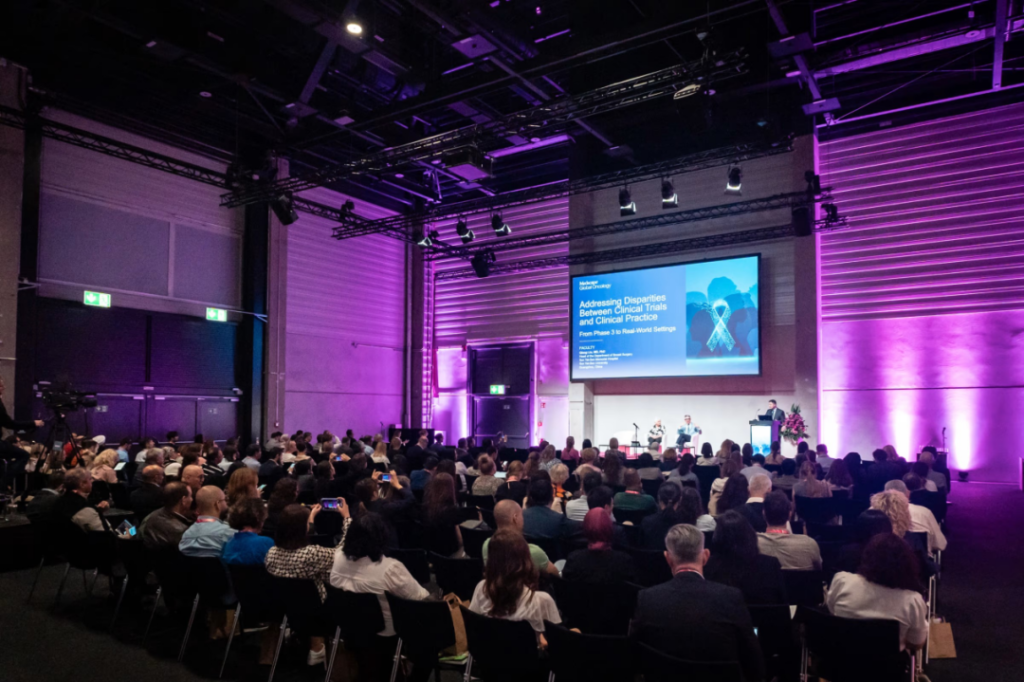
The "2024 Nanjing Lymphoma Forum" was held in Nanjing from May 11-12, 2024. The conference, primarily conducted through in-person exchanges, invited renowned experts in the field of lymphoid tumors from both domestic and international arenas. Through lectures, case discussions, and other forms of interaction, the forum focused on the latest achievements and advancements in the basic and clinical aspects of international lymphoid tumors. The goal was to further enhance the overall level of lymphoma diagnosis and treatment in China. At the conference, Professor Donglu Zhao from the Harbin Hematology and Oncology Research Institute gave a detailed presentation on the "CSCO Lymphoma Diagnosis and Treatment Guidelines — Interpretation of the Key Points of the Burkitt Lymphoma Guidelines." For a deeper understanding of this topic, "Oncology Frontier - Hematology Frontier" has compiled the content for readers' reference.