EBMT Spotlight Interview | Professor Li Chunfu: Improved TCRαβ-T Cell Depleted Hematopoietic Stem Cell Transplantation (TDH) for Treating Severe Thalassemia

EBMT Spotlight Interview | Professor Li Chunfu: Improved TCRαβ-T Cell Depleted Hematopoietic Stem Cell Transplantation (TDH) for Treating Severe Thalassemia

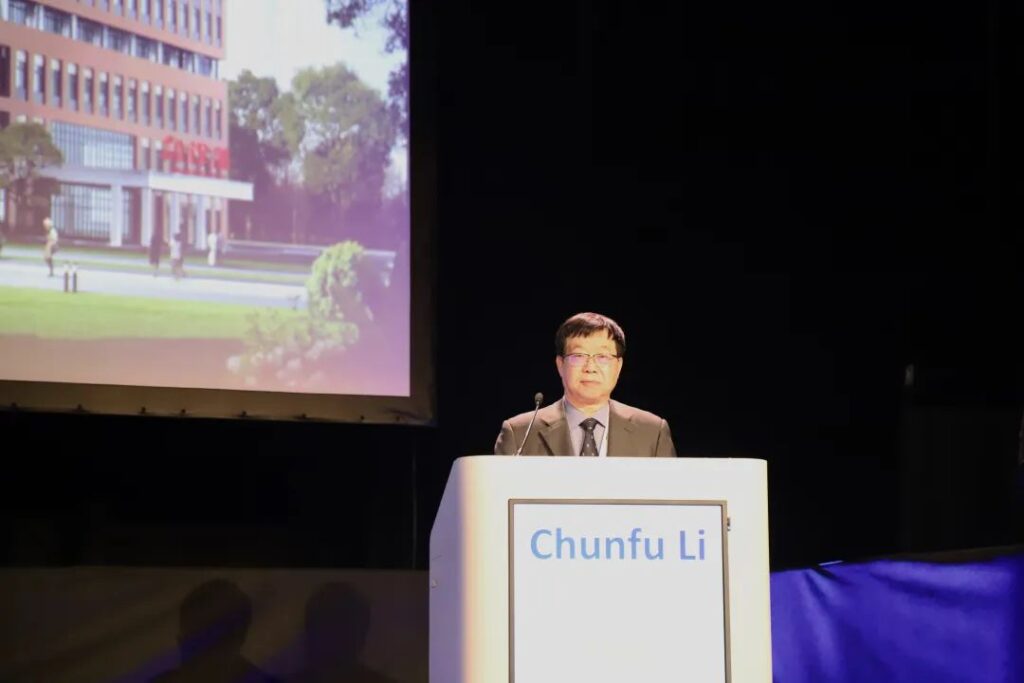
Hematopoietic stem cell transplantation is a common and effective treatment in the field of hematology. As techniques have matured, stem cell transplantation not only serves as a treatment for malignant blood diseases such as leukemia but also offers a new solution for curing thalassemia. The 50th European Society for Blood and Marrow Transplantation (EBMT) Annual Meeting took place in Glasgow, UK, from April 14th to 17th, 2024. The conference highlighted the latest advancements in stem cell transplantation and cellular therapies, pushing hematologic patients towards better clinical outcomes. At this meeting, Professor Li Chunfu from the Gaobo Medical (Hematology) Guangdong Research Center and Southern Chunfu (Children’s) Hematology Institute delivered an excellent oral presentation on the modified TCRαβ-T cell depleted hematopoietic stem cell transplantation (TDH) for treating severe thalassemia. "Oncology Frontier - Hematology Frontier" invited Professor Li to share his insights and experiences regarding transplantation treatments for thalassemia with our readers.
EBMT Interview Spotlight | Latest Advances and Challenges in CAR-T Therapy for Acute Lymphoblastic Leukemia (ALL)

EBMT Interview Spotlight | Latest Advances and Challenges in CAR-T Therapy for Acute Lymphoblastic Leukemia (ALL)

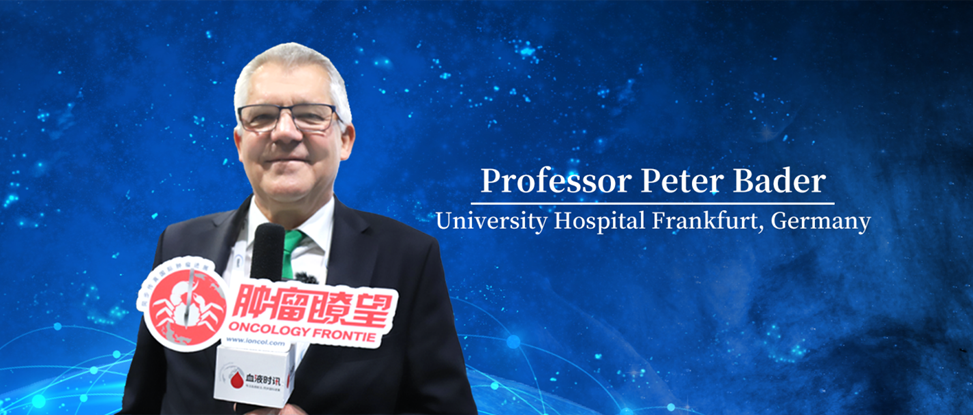
Acute Lymphoblastic Leukemia (ALL) is a malignant neoplastic disease that originates from B-cell or T-cell lymphocytes and proliferates abnormally in the bone marrow. In recent years, immunotherapy has made significant strides in the field of ALL, including breakthroughs in treatments such as Chimeric Antigen Receptor T-cell (CAR-T) therapy, bispecific antibodies, and antibody-drug conjugates (ADC). The 50th European Society for Blood and Marrow Transplantation (EBMT) annual meeting took place in Glasgow, UK, from April 14 to 17, 2024. At the conference, Professor Peter Bader from the Department of Stem Cell Transplantation, Immunology, and Intensive Care Medicine at the University Hospital Frankfurt, Germany, delivered a special report on the current application of CAR-T therapy in ALL patients. Hematology Frontier invited Professor Bader to share the latest progress and challenges in CAR-T therapy in the field of ALL with a wide audience.
EBMT Interview Spotlight | Future Landscape of Multiple Myeloma Treatment: Cell Therapy vs. Transplantation

EBMT Interview Spotlight | Future Landscape of Multiple Myeloma Treatment: Cell Therapy vs. Transplantation

Multiple myeloma is a clonal plasma cell proliferative disorder that has seen significant therapeutic advancements over the past few decades due to deepening biological research. With the development of proteasome inhibitors, immunomodulatory drugs, monoclonal antibodies, Chimeric Antigen Receptor T-cell (CAR-T) therapy, and other new drugs, the survival and prognosis for patients with multiple myeloma have undergone milestone changes. From April 14 to 17, 2024, the 50th European Society for Blood and Marrow Transplantation (EBMT) annual meeting was held in Glasgow, UK. At the conference, Professor Reuben Benjamin from King's College Hospital in London gave a special report on the clinical application and future prospects of hematopoietic stem cell transplantation and CAR-T cell therapy in multiple myeloma patients. Hematology News invited Professor Benjamin to share his insights with a broad audience.
Professor Jun Ma: Fruitful Updates to the 2024 CSCO Lymphoma Treatment Guidelines | 2024 CSCO Guidelines Conference

Professor Jun Ma: Fruitful Updates to the 2024 CSCO Lymphoma Treatment Guidelines | 2024 CSCO Guidelines Conference

Lymphoma has become the most prevalent malignant hematological tumor in China. Enhancing the standardized diagnosis and treatment of lymphoma is crucial for improving cure rates. The "Chinese Society of Clinical Oncology (CSCO) Lymphoma Treatment Guidelines" are updated annually and play a significant role in promoting standardized care for lymphoma. At the recent 2024 CSCO Guidelines Conference, the 2024 edition of the CSCO Lymphoma Treatment Guidelines was released as scheduled. To better understand the key updates in the 2024 edition, "Oncology Frontier - Hematology Frontier" invited Professor Jun Ma, Director of the Harbin Institute of Hematology Oncology, to discuss the current status of lymphoma diagnosis and treatment in China, and to share the significance and highlights of the new guidelines.
Professor Chongjie Pang ‘s Commentary: Can Rapid Antimicrobial Susceptibility Testing Improve Prognosis of Gram-Negative BSI Patients? | ESCMID Global 2024

Professor Chongjie Pang ‘s Commentary: Can Rapid Antimicrobial Susceptibility Testing Improve Prognosis of Gram-Negative BSI Patients? | ESCMID Global 2024

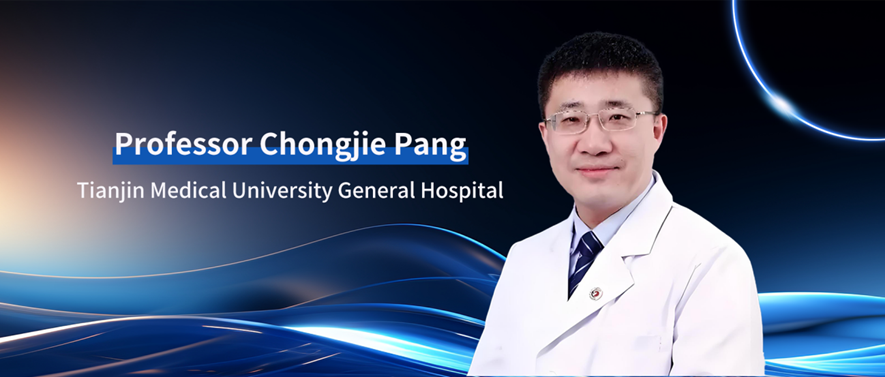
Bloodstream infection (BSI) is a severe systemic infection, especially with multidrug-resistant bacteria such as carbapenem-resistant Gram-negative organisms (CRO), posing a significant threat to patient safety. Clinical management of BSI faces numerous challenges, with early diagnosis and precise treatment being crucial for improving patient outcomes. At the recent 34th European Congress of Clinical Microbiology and Infectious Diseases (ESCMID Global 2024), V. Anton-Vazquez and colleagues from St. George's University Hospital NHS Foundation Trust in the UK presented a study titled "Clinical Outcomes and Factors Associated with Optimal Antibiotic Therapy in Gram-Negative BSI: A Post Hoc Analysis of a Comparative Study between Rapid and Conventional Antimicrobial Susceptibility Testing." Infection Medicine has invited Professor Chongjie Pang  from Tianjin Medical University General Hospital to provide an in-depth commentary on this study, asking him to further elucidate its clinical significance and value based on his clinical experience.
Professor YongHong Xiao’s Commentary on Cefiderocol Treatment of Gram-Negative Bacteremia in the GAMECHANGER Study | ESCMID Global 2024

Professor YongHong Xiao’s Commentary on Cefiderocol Treatment of Gram-Negative Bacteremia in the GAMECHANGER Study | ESCMID Global 2024

Cefiderocol is a novel siderophore cephalosporin antibiotic with excellent stability against nearly all β-lactamases, including metalloenzymes. It has demonstrated good clinical efficacy against infections caused by carbapenem-resistant Gram-negative bacteria (CRO), garnering significant attention from experts in the field of infectious diseases. At the 34th European Congress of Clinical Microbiology and Infectious Diseases (ESCMID Global 2024), a multicenter, open-label randomized study (abstract number: O0810) compared the efficacy of cefiderocol with standard therapy in treating healthcare-associated and hospital-acquired Gram-negative bloodstream infections (BSI). "Infectious Disease Frontier" invited Professor YongHong Xiao from The First Affiliated Hospital of Zhejiang University School of Medicine to provide professional commentary on this study, analyzing the potential and prospects of cefiderocol in treating Gram-negative BSI.
Professor ChunRong Ju’s Comments: Focus on Long-Term Infections in Solid Organ Transplant Recipients | ESCMID Global 2024

Professor ChunRong Ju’s Comments: Focus on Long-Term Infections in Solid Organ Transplant Recipients | ESCMID Global 2024

Infection remains a major challenge for recipients of solid organ transplants (SOT), leading to serious risks of mortality and transplant failure. Previous research has primarily focused on the characteristics and prevention of infections within the first year post-surgery, with limited data on long-term infections beyond one year post-surgery. At the recent 34th European Society of Clinical Microbiology and Infectious Diseases (ESCMID) Global 2024 Annual Meeting, a large-scale follow-up study from Switzerland reported that SOT recipients still face a high incidence of infections and disease burden beyond one year post-surgery.