

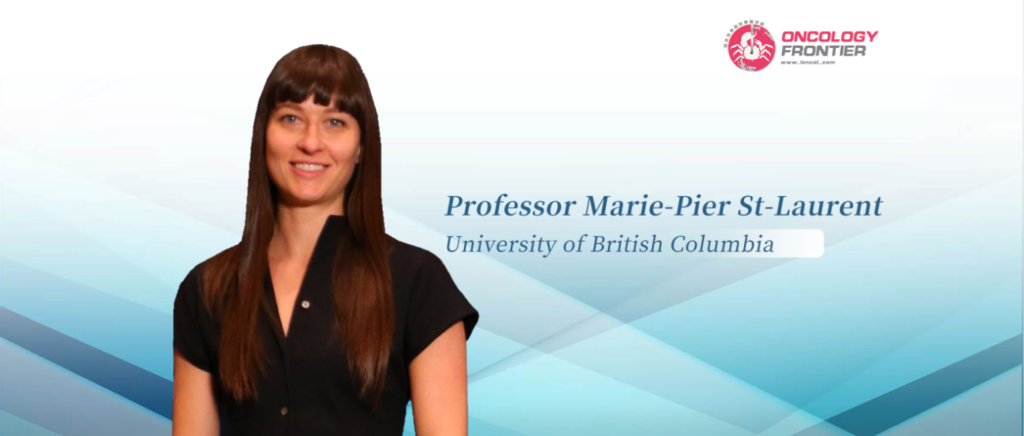
ASCO GU Researcher Speaks丨Professor St-Laurent: Urinary Tumor DNA Detects Minimal Residual Disease, Aiding in Extended Patient Survival
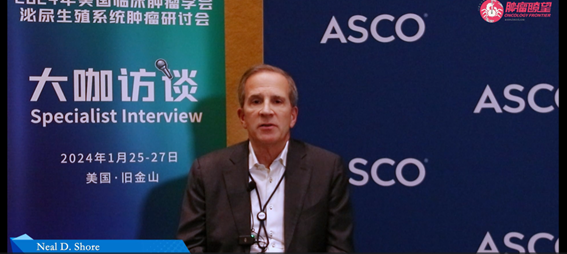
The ASCO-GU 2024, a major event in the field of urologic oncology, was held in San Francisco, USA, showcasing numerous innovative research advancements and discussing future treatment directions for urologic and male reproductive system tumors. For patients with non-muscle invasive bladder cancer (NMIBC) who do not respond to Bacillus Calmette-Guérin (BCG) treatment, there remains a need to find effective tools to detect the risk of recurrence or progression after second-line bladder-sparing treatments. During the conference, Professor Marie-Pier St-Laurent from the University of British Columbia presented the latest advancements in using whole-genome analysis of urinary tumor DNA (utDNA) to identify minimal residual disease (MRD) and quantify genomic changes, sharing in-depth insights in an interview with Oncology Frontier.
EHA International Perspective | Professor Thierry Facon: Major Advances in Multiple Myeloma Treatment—Insights from the IMROZ Study
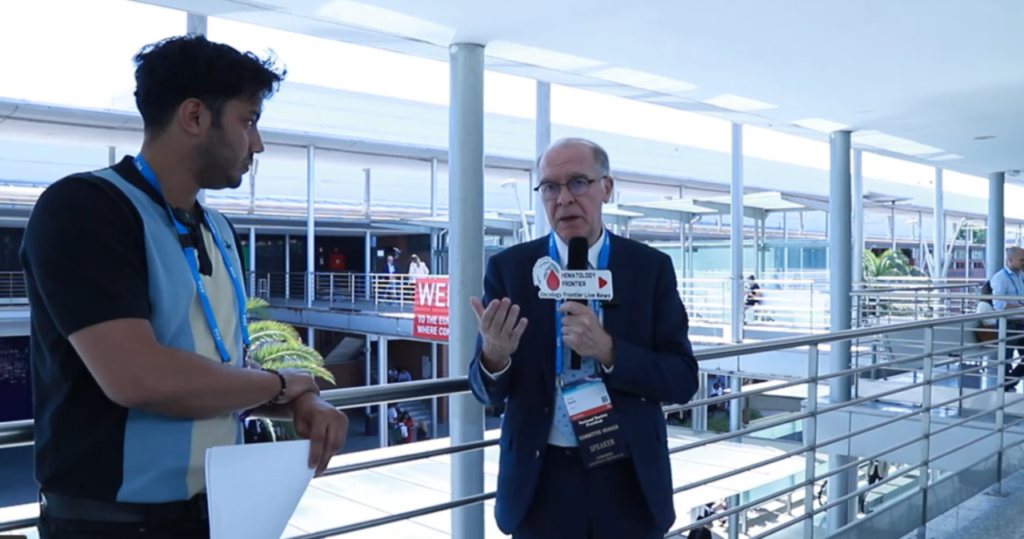
Despite significant improvements in the survival of multiple myeloma (MM) patients over the past two decades, thanks to the emergence of new drugs and therapies, the prognosis for those not eligible for bone marrow transplantation remains relatively poor. Therefore, there is an urgent need to explore new treatment options to improve their outcomes. At the recently held 29th Annual Congress of the European Hematology Association (EHA 2024), Professor Thierry Facon, a member of the International Myeloma Working Group (IMWG) and from the University of Lille, CHU Lille, Service des Maladies du Sang, Lille, France, presented the key findings of the IMROZ study in an oral report. This study explored the efficacy of isatuximab combined with the VRD regimen (Isa-VRD) in treating newly diagnosed MM patients not suitable for transplantation, and the results were published in the New England Journal of Medicine (NEJM) in early June this year. "Oncology Frontier-Hematology Frontier" specially invited Professor Thierry Facon to share the important findings and significance of the IMROZ study at the venue.

EHA Global Insight丨Dr. Uwe Platzbecker: Breakthrough Advances in Acute Promyelocytic Leukemia Treatment — Key Findings of the APOLLO Study
Acute promyelocytic leukemia (APL) is a highly aggressive hematological disease, and its treatment has long been a challenge in the field. Chinese scholars have contributed significantly to global APL treatment with the introduction of the arsenic trioxide (ATO) regimen. Since the publication of the APL0406 study in NEJM in 2013, the combination of all-trans retinoic acid (ATRA) and ATO has replaced ATRA combined with chemotherapy as the standard treatment for low- and intermediate-risk APL patients. However, whether this regimen is suitable for high-risk APL patients remains undetermined due to a lack of randomized controlled trials. At the 29th Annual Meeting of the European Hematology Association (EHA 2024) held from June 13-16, 2024, Dr. Uwe Platzbecker from the Leipzig University in Germany presented key findings from the APOLLO study. This study demonstrated that the combination of ATO and ATRA offers a new treatment strategy for high-risk APL patients, providing valuable insights into the current state of APL treatment and guiding future research directions and clinical practices. Oncology Frontier - Hematology Frontier invited Professor Platzbecker to share the important discoveries and clinical significance of the APOLLO study.
EHA International Perspective | B-Pd Regimen—Professor Meletios A. Dimopoulos Reveals New Options for Second-Line Treatment
With the rapid development in the field of hematology, new treatment strategies and breakthrough advancements continue to emerge, offering new hope for patients with hematological malignancies. At the 2024 EHA conference, "Oncology Frontier-Hematology Frontier" had the honor of interviewing Professor Meletios A. Dimopoulos from the School of Medicine, National and Kapodistrian University of Athens School of Medicine, delving into the challenges currently faced in the treatment of hematological malignancies, especially for those patients who are refractory to traditional treatments such as lenalidomide and anti-CD38 monoclonal antibody therapy. Professor Dimopoulos' phase 3 DREAMM-8 study data demonstrated the potential and advantages of the B-Pd combination treatment regimen, providing a new option for second-line treatment.
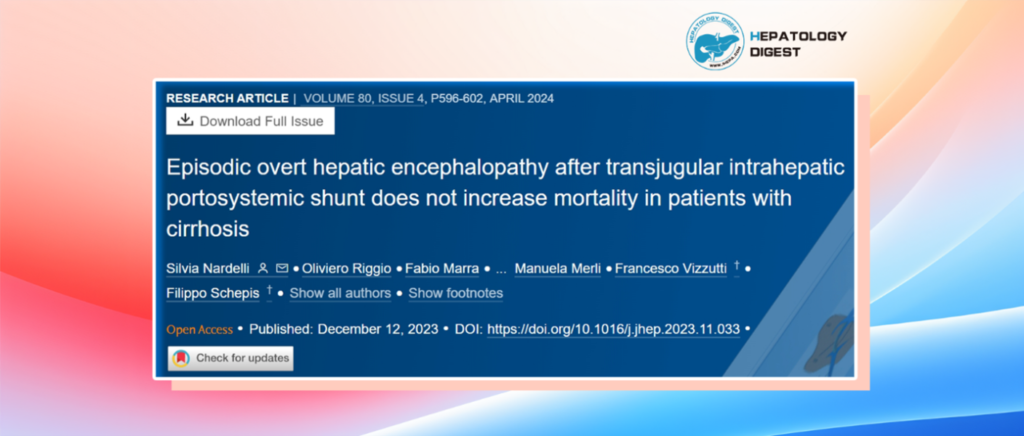
Does Post-TIPS Hepatic Encephalopathy Increase Mortality in Cirrhotic Patients?
Recently, a study by Italian scholar Dr. Silvia Nardelli, published in the Journal of Hepatology, found that even if cirrhotic patients develop overt hepatic encephalopathy (OHE) after undergoing transjugular intrahepatic portosystemic shunt (TIPS) surgery, their mortality rate does not significantly increase. This conclusion challenges previous perceptions of the negative impact of OHE in non-TIPS contexts, offering new hope and management strategies for cirrhotic patients.

Delving into the Details: Dr. Zhanhong Chen & Dr. Rui Ge on First-Line Treatment Options for HER2-Positive Breast Cancer
When it comes to the "P" in the THP regimen for HER2-positive breast cancer, do you prefer Pertuzumab or Pyrotinib? At the 2024 Breast Cancer Summer Forum · Northern Salon's "Root Cause" session, Dr. Zhanhong Chen from Zhejiang Cancer Hospital and Dr. Rui Ge from Huadong Hospital Affiliated to Fudan University shared their perspectives. Professor Chen advocated for Pyrotinib, while Professor Ge favored Pertuzumab. After the session, Oncology Frontier invited both experts to elaborate on their viewpoints.