Decoding Gene Silence: Nobel Honors Pioneers of microRNA in Blood Cancer Therapies

Decoding Gene Silence: Nobel Honors Pioneers of microRNA in Blood Cancer Therapies

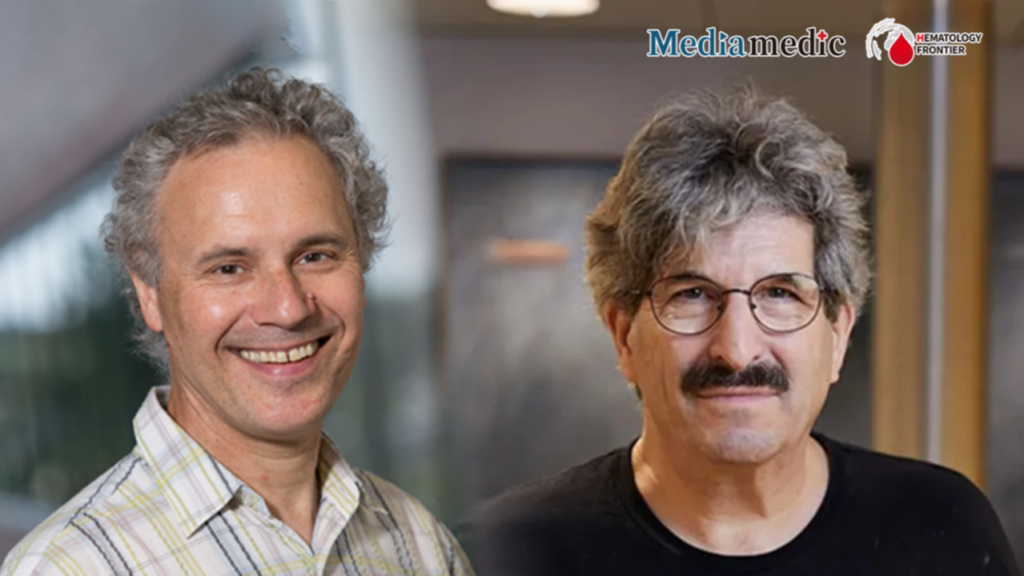
The 2024 Nobel Prize in Physiology or Medicine has once again brought the spotlight onto the field of gene regulation. This year, American scientists Victor Ambros and Gary Ruvkun were honored with the prestigious award for their pioneering research on microRNA and its role in post-transcriptional gene regulation. Their groundbreaking discoveries not only opened new horizons in understanding gene regulation but also offered new perspectives and methods for studying and treating hematological diseases such as leukemia.
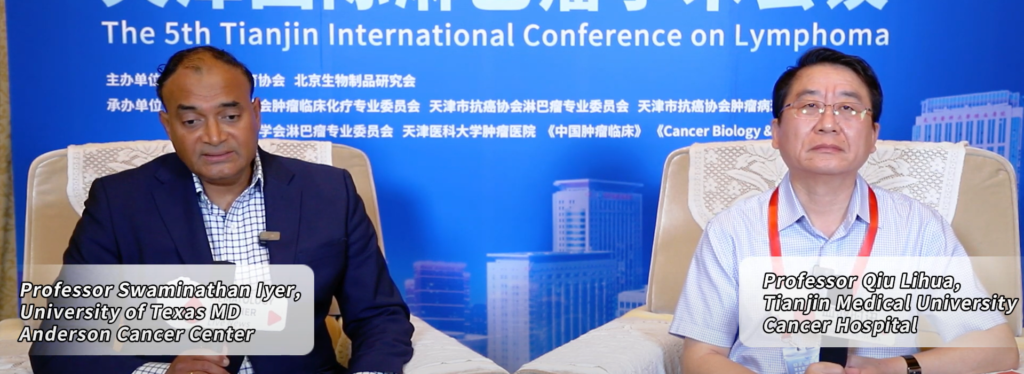
Breaking New Ground in T-Cell Lymphoma Treatment: Insights from Dr. Swaminathan P iyer Iyer and Dr. Lihua Qiu 

Breaking New Ground in T-Cell Lymphoma Treatment: Insights from Dr. Swaminathan P iyer Iyer and Dr. Lihua Qiu 

In a recent discussion, Dr. Swaminathan Iyer from MD Anderson Cancer Center and Dr. Lihua Qiu highlighted the evolving landscape of peripheral T-cell lymphoma (PTCL) treatment. They emphasized the importance of cross-border collaboration to tackle the complexities of PTCL and the promising advancements in therapies such as PI3K inhibitors, EZH2 inhibitors, and JAK1 inhibitors. With a focus on precision medicine, Dr. Iyer and Dr. Qiu underscored the significance of personalized approaches, new targeted therapies, and CAR-T development for improved patient outcomes. Discover how global collaborations are driving innovation in T-cell lymphoma care!
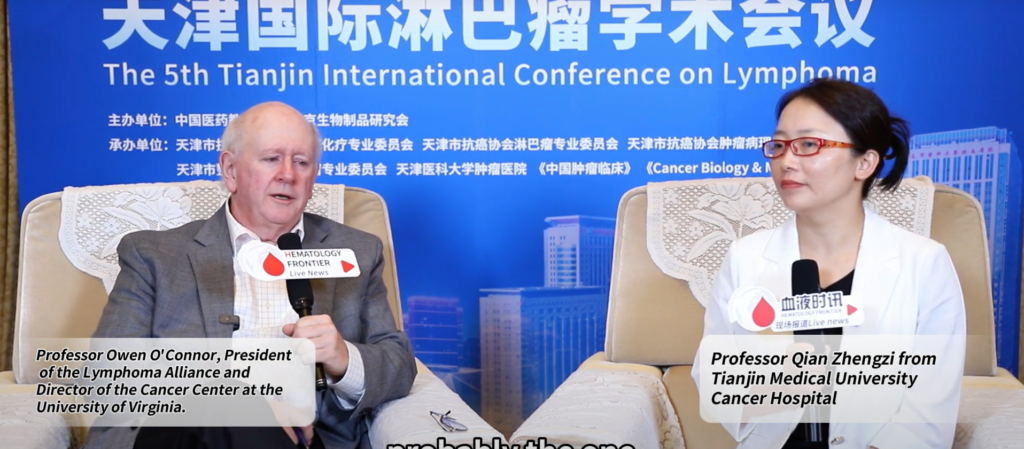
Advancing T-Cell Lymphoma Care: Dr. Owen O’Connor and Dr. Zhengzi Qian Discuss Emerging Therapies

Advancing T-Cell Lymphoma Care: Dr. Owen O’Connor and Dr. Zhengzi Qian Discuss Emerging Therapies

In a recent discussion, Dr. Owen O’Connor and Dr. Zhengzi Qian addressed the complexities of peripheral T-cell lymphoma (PTCL) and shared insights on new therapeutic strategies. They highlighted the diversity of PTCL subtypes and the promising role of novel drugs, such as PI3K inhibitors and EZH2 inhibitors, in improving outcomes. The conversation also emphasized the importance of early combination therapies over traditional chemotherapy and the future potential of chemotherapy-free regimens.
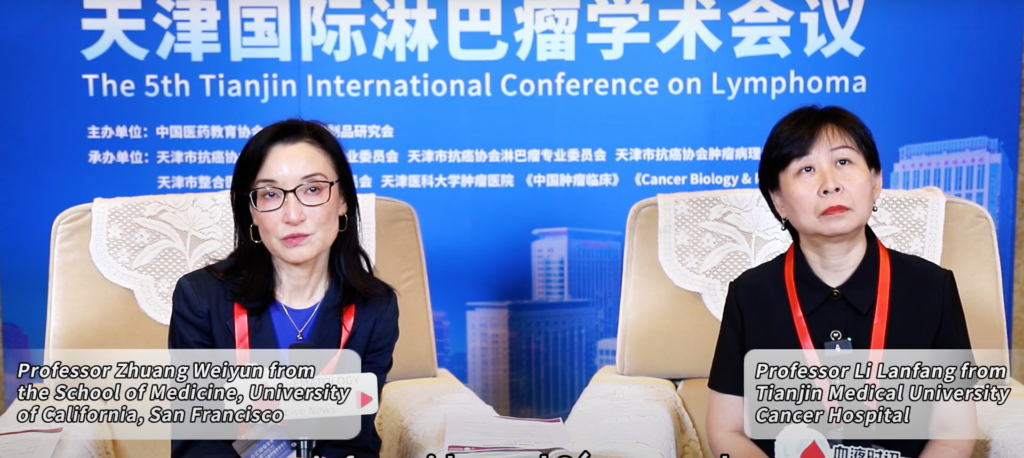
Advancements in Targeted Therapies for Mycosis Fungoides and Sézary Syndrome: Dr. Lanfang Li and Professor Zhuang Weiyun Share Key Insights

Advancements in Targeted Therapies for Mycosis Fungoides and Sézary Syndrome: Dr. Lanfang Li and Professor Zhuang Weiyun Share Key Insights

In a recent interview, Dr. Lanfang Li and Professor Zhuang Weiyun from the University of California, San Francisco discussed breakthroughs in treating Mycosis Fungoides (MF) and Sézary Syndrome (SS), focusing on the efficacy of brentuximab vedotin and mogamulizumab. They highlighted the importance of targeting different disease compartments and leveraging new drugs to improve patient outcomes. With advancements in targeted therapies and an emphasis on early diagnosis, the experts emphasized the need for multidisciplinary collaboration to better manage these rare but challenging conditions.
CSCO 2024丨Dr. Jun Ma Reflects on CSCO’s Glorious Journey: China’s Rise in Oncology on the Global Stage

CSCO 2024丨Dr. Jun Ma Reflects on CSCO’s Glorious Journey: China’s Rise in Oncology on the Global Stage

From September 25-29, 2024, the "27th National Clinical Oncology Conference and 2024 CSCO Annual Meeting," hosted by the Chinese Society of Clinical Oncology (CSCO) and the Beijing Xisike Clinical Oncology Research Foundation, will be held in Xiamen. With the theme "Patient-Centered, Sharing the Future," the conference will showcase major research advancements and developments in the field both domestically and internationally. Over the past 20 years, CSCO has continuously led the development of clinical oncology in China, with many experts deeply involved in its growth, advancing their careers through this platform. Hematology Frontier has launched a special "Growing with CSCO" series in response to CSCO's call, inviting Chinese scholars to revisit past stories. In this issue, we have invited Dr. Jun Ma, Chairman of the Supervisory Board of CSCO and Director of the Harbin Institute of Hematology and Oncology, to share his touching stories of "growing with CSCO."
Dr. Hua Wang: New Approaches in Marginal Zone Lymphoma Treatment – Rethinking Chemotherapy-Free and Combination Strategies丨The 5th Tianjin International Lymphoma Symposium

Dr. Hua Wang: New Approaches in Marginal Zone Lymphoma Treatment – Rethinking Chemotherapy-Free and Combination Strategies丨The 5th Tianjin International Lymphoma Symposium

From September 6-8, 2024, the 5th Tianjin International Lymphoma Symposium was successfully held. The conference featured twelve specialized sessions, including immunotherapy, translational research, and new drug development, creating a platform for promoting international academic exchange and collaboration. During the event, Hematology Frontier invited Dr. Hua Wang from the Sun Yat-sen University Cancer Center to review the latest treatment strategies for marginal zone lymphoma (MZL).
Dr. Shahrukh Hashmi: Opening Pandora’s Box, Challenges in Long-Term Monitoring After CAR-T Therapy

Dr. Shahrukh Hashmi: Opening Pandora’s Box, Challenges in Long-Term Monitoring After CAR-T Therapy

As a shining new star in the medical field, CAR-T cell therapy, while significantly effective, is filled with unknowns much like Pandora's Box. From successful treatment to long-term monitoring, every step requires meticulous planning. Recently, at the 12th Lu Daopei Hematology Academic Forum, Hematology Frontier had the honor of inviting Dr. Shahrukh Hashmi from the Mayo Clinic Comprehensive Cancer Center to share in-depth insights on the optimization and practical experience of long-term monitoring strategies following CAR-T therapy.
SOHO 2024 | Dr. Valeria Santini: Imetelstat Demonstrates Durable Efficacy in the Treatment of LR-MDS

SOHO 2024 | Dr. Valeria Santini: Imetelstat Demonstrates Durable Efficacy in the Treatment of LR-MDS

Low-risk myelodysplastic syndromes (LR-MDS) are complex blood disorders characterized by the abnormal proliferation and dysfunction of marrow cells, leading to increased risks of anemia, bleeding, and infection. Although the progression of LR-MDS is relatively slow, the treatment of this disease still faces significant challenges. Existing therapeutic options, such as erythropoiesis-stimulating agents (ESAs) and immunomodulators, may alleviate symptoms to some extent but often struggle to achieve long-term disease control and can be associated with significant side effects. Against this backdrop, Dr. Valeria Santini explored the potential of Imetelstat, a first-in-class oligonucleotide telomerase inhibitor, in treating patients with LR-MDS through the IMerge trial. The 12th Annual Meeting of the Society for Hematologic Oncology (SOHO 2024) took place in Houston, USA, from September 4 to 7, 2024, bringing together top experts in the field of hematologic oncology worldwide to share the latest research findings and discuss new treatment strategies. Hematology Frontier specially invited Dr. Valeria Santini from the University of Florence, MDS Unit, Hematology, DMSC, AOUC, Florence, Italy, to delve into the research outcomes of this Phase III clinical trial, discussing the significant progress achieved by Imetelstat in improving the precision and effectiveness of LR-MDS patient treatment, and how this discovery may provide a new direction for future strategies in the MDS treatment field.

Serum Albumin as a Prognostic Factor in Acute Myeloid Leukemia

Serum Albumin as a Prognostic Factor in Acute Myeloid Leukemia

In June 2024, Blood Science published a pivotal study led by Dr. Hui Wei from the Institute of Hematology & Blood Diseases Hospital, Chinese Academy of Medical Sciences & Peking Union Medical College , investigating the prognostic significance of serum albumin levels in patients with acute myeloid leukemia (AML). AML is a highly aggressive hematological malignancy with outcomes influenced by various factors, including age, white blood cell count, and risk classification. Serum albumin, a critical component of blood, plays a role in maintaining colloid osmotic pressure and has been identified as a prognostic marker in various cancers, including AML.
Plerixafor-Based Mobilization and Increased Mononuclear Cell Counts: Risk Factors for Engraftment Syndrome Post-Autologous Hematopoietic

Plerixafor-Based Mobilization and Increased Mononuclear Cell Counts: Risk Factors for Engraftment Syndrome Post-Autologous Hematopoietic

In June 2024, Blood Science published a significant study led by Dr. Xiaohui Zhang and colleagues from the Peking University People's Hospital, focusing on the incidence and risk factors of engraftment syndrome (ES) following autologous hematopoietic stem cell transplantation (ASCT) in the era of plerixafor-based mobilization. ASCT remains a critical therapy for hematologic malignancies, particularly in lymphoma and plasma cell disease, despite advancements in other treatments. However, ES, characterized by non-infectious fever, skin rash, diarrhea, and other clinical manifestations, remains a common and concerning complication post-ASCT.