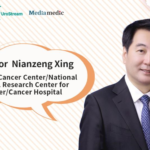
Prostate cancer is the second most commonly diagnosed malignancy and the fifth leading cause of cancer-related death among men worldwide. In recent years, with the rapid advancement of molecular biology technologies and the emergence of novel therapeutic agents, prostate cancer management has officially entered the era of precision medicine. Clinical decision-making is undergoing a profound transformation—from the traditional “one-size-fits-all” approach to individualized treatment strategies guided by precise staging and molecular profiling.In this issue, Oncology Frontier · UroStream invited Professor Hong Liao, Vice President of Sichuan Cancer Hospital, to provide in-depth insights into the core paradigm shifts in precision treatment for prostate cancer, the real-world implementation of cutting-edge technologies, and strategies for expanding access to precision medicine at the grassroots level.
The Core Shift: From “Experience-Driven” to “Evidence-Driven” Care — Precision Diagnosis as the Foundation
Q1. Thank you very much, Professor Liao, for joining us for this interview. In your presentation, you emphasized that prostate cancer management has fully entered the precision medicine era. In your view, compared with traditional treatment models, what are the most fundamental changes? How should clinicians transition from “experience-driven” to “vidence-driven” decision-making?
Professor Hong Liao
“With the continuous advancement of modern medicine, individualized and standardized treatment has become a central direction in oncology practice. For prostate cancer—a disease characterized by remarkable biological heterogeneity—the importance of precision therapy is especially prominent.
However, it is crucial to emphasize that precision treatment is built upon precision diagnosis. Without accurate diagnosis, truly precise treatment cannot exist.
Precision diagnosis is a multidimensional concept. It not only includes traditional histopathological confirmation of prostate cancer, but also encompasses two additional key dimensions.
The first is accurate clinical TNM staging—determining whether metastasis is present and defining the extent of disease spread. The second is molecular pathological profiling, including genomic testing to identify the tumor’s molecular characteristics.
Only by integrating all three layers of information can we develop truly individualized treatment strategies.
At present, China’s National Health Commission and National Cancer Center are actively promoting nationwide quality-control initiatives in prostate cancer management. Notably, the accuracy of clinical TNM staging before initial treatment has been established as the primary quality-control indicator. This underscores the foundational role of precise staging throughout the entire treatment pathway.
Traditional treatment models often involved a somewhat indiscriminate ‘diagnose-and-treat’ approach, without adequately differentiating disease stage or risk stratification. As a result, overtreatment of early-stage patients and undertreatment of advanced-stage patients were not uncommon.
The fundamental principle of precision medicine is tailoring treatment to the individual patient.
For localized early-stage prostate cancer, radical surgery or radiotherapy remains the preferred curative strategy. In contrast, metastatic prostate cancer requires molecularly guided systemic treatment selection, including novel endocrine therapies, targeted agents, and increasingly important radionuclide therapies.
At every stage of prostate cancer progression, individualized treatment decisions must be grounded in evidence-based medicine.
For clinicians to transition from ‘experience-driven’ to ‘evidence-driven’ care, the first essential step is embracing the principle of ‘diagnosis before treatment, staging before treatment,’ while strictly adhering to authoritative domestic and international guidelines.
Second, clinicians must continuously update their knowledge and master emerging technologies and research advances, translating high-quality clinical evidence into routine practice.
Finally, multidisciplinary collaboration is indispensable. By integrating expertise from urologic surgery, medical oncology, radiation oncology, imaging, and pathology, clinicians can provide the most optimized and individualized treatment strategies for patients.”
Frontier Breakthroughs: PSMA and PARP Inhibitors Are Reshaping the Treatment Landscape of Advanced Prostate Cancer
Q2. Precision treatment approaches represented by PSMA-targeted radioligand therapy and PARP inhibitors are dramatically reshaping the management of advanced prostate cancer. From your perspective as a leading expert at a major medical center in western China, what is the current state of accessibility and clinical implementation of these technologies? Which patients are most likely to benefit from these novel therapies?
Professor Hong Liao
“PSMA-targeted radioligand therapy (RLT) and PARP inhibitors represent some of the most significant breakthroughs in precision treatment for advanced prostate cancer in recent years. They have brought new hope to many patients who previously exhausted available treatment options.
However, real-world implementation still faces several practical challenges.
(1) PSMA-Targeted Radioligand Therapy: Precision ‘Nuclear Strikes’ Against Prostate Cancer Cells
Let us first discuss PSMA-targeted radioligand therapy, particularly ^177Lu-PSMA-617.
Based on the positive results of the global multicenter Phase III VISION and PSMAfore trials, ^177Lu-PSMA-617 has been approved by the U.S. FDA for the treatment of PSMA-positive metastatic castration-resistant prostate cancer (mCRPC).
The VISION trial demonstrated that, compared with standard therapy alone, the addition of ^177Lu-PSMA-617 significantly prolonged median overall survival by four months (15.3 vs 11.3 months) and extended median radiographic progression-free survival by 5.3 months (8.7 vs 3.4 months).
The PSMAfore study further showed that earlier use of ^177Lu-PSMA-617 before chemotherapy reduced the risk of disease progression or death by 59% and doubled median radiographic progression-free survival (11.6 vs 5.6 months).
Despite these remarkable results, implementation in China still faces two major barriers.
The first is limited diagnostic capability. Eligibility for ^177Lu-PSMA-617 requires confirmation of PSMA expression using ^68Ga-PSMA PET/CT imaging. At present, this technology is largely concentrated in major tertiary hospitals at the provincial level, while most grassroots hospitals lack the necessary infrastructure.
The second challenge is financial burden. Radionuclide therapies have not yet been broadly incorporated into China’s national reimbursement system, and the cost per treatment cycle remains high for many patients.
(2) PARP Inhibitors: Precision Targeting Through ‘Synthetic Lethality’ in HRD-Positive Tumors
PARP inhibitors operate through the concept of ‘synthetic lethality.’ In tumors harboring homologous recombination repair deficiency (HRD), PARP inhibition prevents DNA repair, ultimately leading to tumor cell death. Among these biomarkers, BRCA1/2 mutations are the clearest predictors of therapeutic response.
Based on pivotal Phase III trials such as PROfound, TRITON3, and GALAHAD, agents including olaparib, rucaparib, and niraparib have been approved for mCRPC patients carrying homologous recombination repair (HRR) gene mutations.
The PROfound study demonstrated that, among mCRPC patients with BRCA1/2 or ATM mutations, olaparib significantly prolonged median overall survival compared with novel endocrine therapy (19.1 vs 14.7 months), reducing the risk of progression or death by 31%.
Meanwhile, the TRITON3 study showed that in BRCA-mutated, ARPI-pretreated, chemotherapy-naïve mCRPC patients, rucaparib significantly outperformed docetaxel or ARPI therapy, substantially improving radiographic progression-free survival (HR=0.50). This became the first positive Phase III PARP inhibitor study demonstrating superiority over chemotherapy and effectively redefined the treatment sequencing paradigm for BRCA-mutated mCRPC.
Similar to PSMA-targeted therapy, the application of PARP inhibitors is also constrained by limited genomic testing capacity.
Before initiating PARP inhibitors, HRR testing—especially BRCA1/2 testing—is essential, as only patients harboring these mutations are likely to benefit. Currently, institutions capable of performing such testing remain concentrated in major academic centers, and testing availability in grassroots hospitals is still insufficient.
Fortunately, several PARP inhibitors have now been included in China’s national reimbursement list, substantially reducing financial burden for eligible patients.”
Breaking Through at the Grassroots Level: Bridging the “Last Mile” of Precision Medicine
Q3. Precision medicine depends heavily on relatively costly resources such as genomic testing and novel therapies. In county-level and grassroots healthcare systems, what do you see as the greatest barriers to implementation? As a key advocate in this field, what practical strategies or future plans do you believe could help overcome these challenges?
Professor Hong Liao
“As I mentioned earlier, the core principle of precision medicine is ‘test before treatment.’ However, insufficient access to genomic testing and molecular imaging remains the biggest bottleneck limiting precision oncology at the grassroots level.
Because of limited patient volume, insufficient funding, and shortages of specialized personnel, most grassroots hospitals cannot independently establish advanced molecular diagnostic platforms.
In my view, medical resource sharing is currently the most practical and effective solution.
Through regional medical alliances, integrated healthcare networks, and specialty consortiums, we can establish centralized testing platforms that enable ‘local sample collection, centralized testing, and mutual recognition of results.’
For example, Sichuan Cancer Hospital has led the establishment of the Sichuan Oncology Quality Improvement Alliance. Within this network, we created centralized pathology and genomic testing platforms. Grassroots hospitals simply collect patient samples and send them to the alliance center for analysis, while the results are recognized across all affiliated institutions.
This model addresses the lack of equipment and expertise at smaller hospitals while ensuring standardized and accurate testing, allowing patients to access high-quality precision diagnostics close to home.
Second, reimbursement policies must continue to improve.
Although some PARP inhibitors are already covered by national insurance, genomic testing itself is often not reimbursed, which discourages patients from undergoing testing. In the future, necessary genomic tests should gradually be incorporated into reimbursement programs, while negotiations for additional precision therapies should continue to reduce financial burden further.
Third, strengthening education and training for grassroots physicians is essential.
Precision oncology evolves rapidly, with new evidence and therapeutic approaches constantly emerging. Through academic conferences, continuing medical education, and remote consultation systems, grassroots physicians can remain updated on the latest guidelines and technological advances, improving their understanding and application of precision medicine.
Finally, advancing the hierarchical medical system is equally important.
A structured system involving ‘primary-level first diagnosis, bidirectional referral, stratified treatment, and coordinated regional care’ should be established, allowing institutions at different levels to fulfill distinct roles.
Grassroots hospitals should focus on screening, early diagnosis, and follow-up management, while higher-level hospitals manage complex cases and advanced technologies.
Such a system would optimize healthcare resource allocation, improve overall efficiency, and ultimately allow more patients to benefit from advances in precision medicine.”
Conclusion
From empirical medicine to evidence-based medicine, and now to precision medicine, prostate cancer management is undergoing a profound transformation.
Although significant challenges remain in extending precision oncology to grassroots healthcare systems, ongoing improvements in resource-sharing mechanisms, reimbursement policies, and hierarchical medical systems provide strong reason for optimism.
In the near future, the benefits of precision medicine may truly reach every patient with prostate cancer.