The 2026 Pujiang Prostate Cancer Academic Conference was held in Shanghai from June 26–27, 2026. As treatment strategies for prostate cancer continue to evolve, local therapy has progressed beyond conventional radical surgery toward robot-assisted precision surgery with greater emphasis on functional preservation. Meanwhile, focal therapies such as cryoablation and irreversible electroporation (IRE) have emerged as promising treatment options for carefully selected patients.At the meeting, Prof. Fangning Wan of Fudan University Shanghai Cancer Center presented a lecture entitled “Management of Complex Situations During Radical Prostatectomy.”
During the conference, UroStream interviewed Prof. Wan to discuss innovations in local therapy, emerging advances in systemic treatment for advanced prostate cancer, and common misconceptions surrounding prostate cryotherapy.
Innovations in Local Therapy
UroStream:
With advances in robotic surgery, function-preserving techniques, and the growing interest in cytoreductive and focal therapies, what do you consider the most important innovations in local treatment for prostate cancer today?
Prof. Fangning Wan:
For early-stage prostate cancer, robot-assisted laparoscopic radical prostatectomy has become highly refined. Techniques such as nerve-sparing surgery, the Hood technique, and the VIP technique are now relatively mature and widely adopted.
Beyond these approaches, organ-preserving focal therapies—including prostate cryotherapy and irreversible electroporation (IRE)—offer less invasive treatment with faster recovery. For carefully selected patients, these techniques provide important advantages in preserving urinary continence and erectile function.
However, patient selection is critical.
First, these treatments are generally not recommended for very high-risk patients.
Second, the tumor should be well-defined, clearly visible on imaging, measurable, and limited in number.
Third, patients with significant benign prostatic hyperplasia (BPH) or neurogenic bladder dysfunction require careful evaluation because focal treatment may increase the risk of postoperative urinary obstruction.
For example, during irreversible electroporation, if one enlarged lobe of the prostate undergoes extensive ablation while the opposite lobe remains untreated, postoperative tissue collapse on the treated side may contribute to urinary complications. Managing these situations depends heavily on physician experience.
Overall, these technologies provide organ-preserving treatment options for selected patients with low- to intermediate-risk prostate cancer and represent an important addition to our therapeutic armamentarium.
Future Directions in Systemic Therapy for Advanced Prostate Cancer
UroStream:
With the emergence of novel hormonal therapies, PARP inhibitors, radioligand therapy, antibody-drug conjugates (ADCs), and bispecific antibodies, which area do you believe is most likely to reshape the treatment landscape for advanced prostate cancer?
Prof. Fangning Wan:
Advanced prostate cancer generally refers to disease with extensive metastases. In these patients, local treatment alone is rarely sufficient to improve long-term outcomes, making systemic therapy essential for disease control.
One particularly promising treatment is lutetium-177 (^177Lu) radioligand therapy. This approach uses a PSMA-targeted ligand to deliver lutetium-177 directly to tumor cells, where it emits beta radiation for highly targeted treatment. Patients with high PSMA expression, particularly those with metastatic castration-resistant prostate cancer (mCRPC), appear to derive the greatest benefit.
PARP inhibitors represent another major advance, especially for patients harboring BRCA1/2 mutations, with particularly favorable outcomes observed in those carrying germline mutations compared with purely somatic alterations.
In addition, talazoparib has demonstrated activity in patients with CDK12 mutations, expanding treatment opportunities for genetically defined patient populations.
Although most current therapies are designed primarily to prolong survival rather than achieve cure—and curative outcomes remain rare in mCRPC—the therapeutic landscape continues to expand.
Among the most exciting developments are antibody-drug conjugates (ADCs), which offer targeted treatment for patients expressing specific cell-surface antigens while providing an alternative for individuals who are unable to tolerate conventional chemotherapy. Development in this area is progressing rapidly, with several agents already in Phase III clinical trials.
I expect that over the next one to two years, multiple new therapies will become available, providing patients with an increasingly diverse range of treatment options.
Prostate Cryotherapy and Common Misconceptions
UroStream:
Could you briefly discuss prostate cryotherapy and address some common misconceptions about this treatment?
Prof. Fangning Wan:
Prostate cryotherapy has become a well-established technique at our center and is primarily used for elderly patients or those who are not suitable surgical candidates, serving as an alternative treatment option.
Unlike surgery, cryotherapy cannot completely remove all prostate tissue because the treatment area is constrained by adjacent structures such as the rectum and bladder. Nevertheless, it offers an effective option for patients who cannot undergo complete surgical resection or are medically unfit for surgery.
This includes patients who have previously received radiotherapy, those with thrombocytopenia, individuals who have undergone rectal cancer surgery, patients with severe cardiovascular or cerebrovascular disease, or those with contraindications to general anesthesia.
One of the major advantages of cryotherapy is that it can be performed under local anesthesia, typically requires only about 30 minutes, and most patients can be discharged the following day. For elderly or medically fragile patients, as well as those with locally advanced disease, it represents an important additional treatment option.
A common misconception is that cryotherapy makes future surgery or subsequent treatments more difficult. Many patients reach this conclusion after searching online or consulting AI tools.
In reality, this is generally not the case.
Following cryotherapy, both the tumor and the prostate typically become smaller. For surgeons experienced in managing post-cryotherapy anatomical changes, subsequent surgery may actually involve less bleeding and shorter operative times. Although adhesions can occur, experienced surgeons have established techniques to manage them safely.
At our center, radical surgery after cryotherapy can still be performed safely and effectively. In high-volume institutions familiar with these procedures, prior cryotherapy does not significantly increase the difficulty of subsequent treatment.
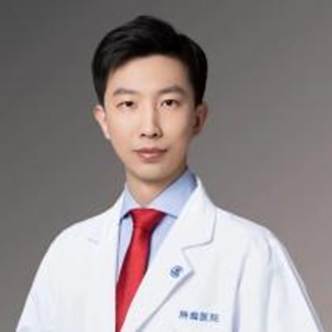
Prof. Fangning Wan