Following the successful completion of six ASCO Highlights sessions and six thematic symposia during the first three days of the CGOG Annual Meeting, the conference transitioned to its in-person program on June 12. On the fourth day of the 16th Peking University Gastrointestinal Oncology Forum and CGOG Annual Meeting, two parallel forums generated enthusiastic participation and lively discussion.Among them, the Cell and Gene Therapy Forum focused on cutting-edge advances and clinical translation in cell and gene therapies. The session brought together leading Chinese experts and scholars for a series of keynote presentations and in-depth discussions, offering attendees a comprehensive and insightful overview of the latest developments in this rapidly evolving field.
The meeting opened with welcome remarks from Lin Shen of Peking University Cancer Hospital and Weidong Han of the Chinese PLA General Hospital. Session moderation was provided by Haopeng Wang, Tao Liu, Xiubao Ren, and Changsong Qi, who chaired the various segments of the program.
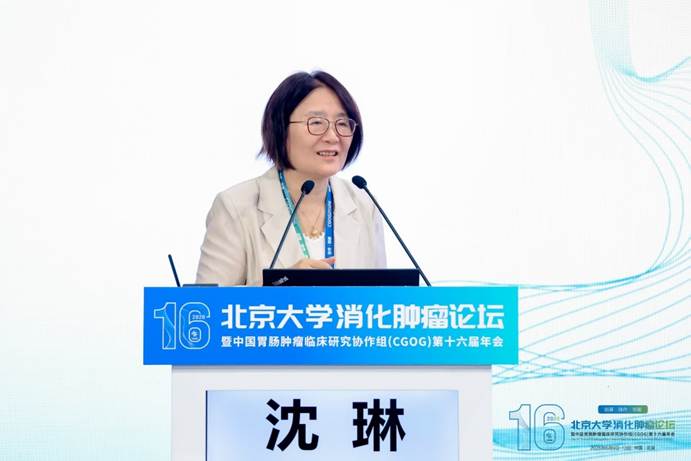
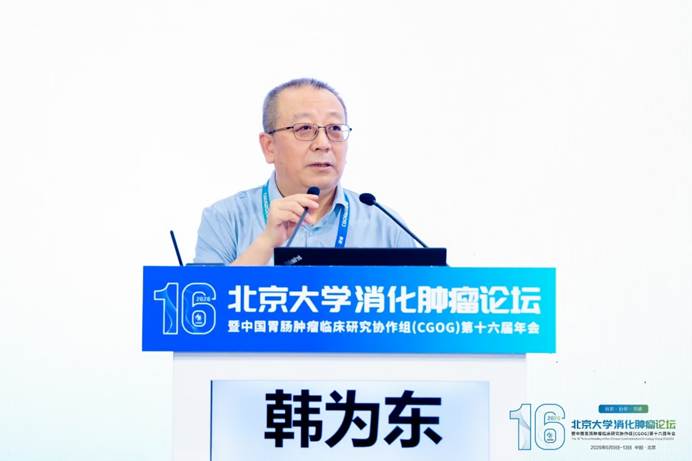
Opening Remarks from the Conference Chairs
In their opening addresses, Lin Shen from Peking University Cancer Hospital and Weidong Han from the Chinese PLA General Hospital emphasized that cell and gene therapy represents one of the most transformative frontiers in cancer treatment and is widely regarded as a critical avenue for achieving breakthroughs in the management of solid tumors.
The two experts noted that, in recent years, cell therapies represented by CAR-T have made significant progress in the treatment of solid malignancies. At the same time, advances in gene-editing technologies and next-generation gene insertion and writing platforms have injected new momentum into the field, creating unprecedented opportunities for therapeutic innovation.
However, they also acknowledged that several major challenges remain. These include overcoming the immunosuppressive tumor microenvironment, improving target specificity, and enhancing the efficiency of therapeutic delivery systems. Addressing these barriers will be essential for realizing the full potential of cell and gene therapies in solid tumors.
Prof. Shen and Prof. Han explained that this dedicated forum was established to foster interdisciplinary collaboration and dialogue, bringing together experts from basic research, translational science, and clinical oncology. By promoting closer integration between cutting-edge technologies and the unmet clinical needs of gastrointestinal cancer patients, the forum aims to accelerate innovation, translational research, and the clinical application of cell and gene therapies in digestive system malignancies in China.
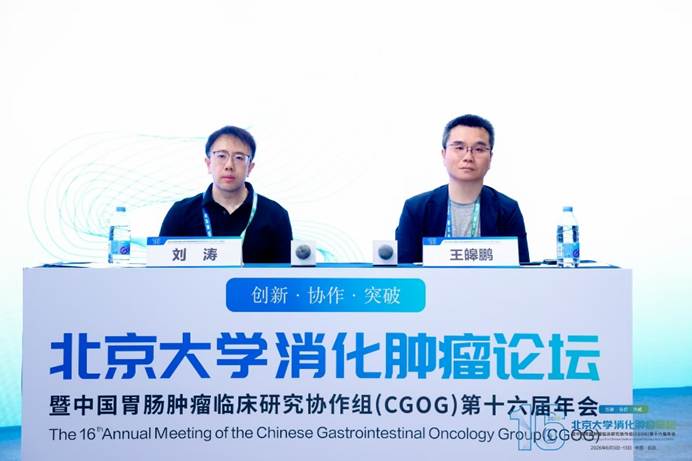
Figure: Session chaired by Prof. Haopeng Wang and Prof. Tao Liu
Under the moderation of Haopeng Wang from ShanghaiTech University and Tao Liu from Peking University, the scientific program officially commenced, marking the beginning of a series of presentations focused on the latest advances in cell and gene therapy research and their clinical translation in oncology.
Figure: Keynote presentation by Prof. Lilin Ye, Institute of Immunology, Army Medical University
The scientific program opened with a presentation by Lilin Ye from the Institute of Immunology, Army Medical University, titled “T Cell Differentiation and Immunotherapy.”
In her lecture, Prof. Ye provided an in-depth analysis of the molecular mechanisms governing T-cell differentiation and discussed how these processes influence the efficacy of cancer immunotherapies. She highlighted the complex regulatory networks that shape T-cell development, function, and persistence, emphasizing their critical role in determining antitumor immune responses.
Prof. Ye noted that a deeper understanding of T-cell differentiation biology will provide an important theoretical foundation for optimizing a range of immunotherapeutic strategies, including CAR-T cell therapy and immune checkpoint inhibitors. Insights into the mechanisms that regulate T-cell fate and function may help improve treatment efficacy, overcome resistance, and guide the development of next-generation immunotherapy approaches for patients with cancer.
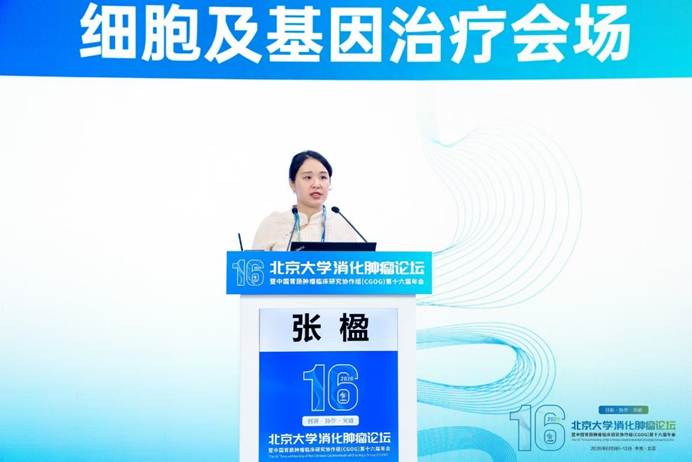
Figure: Keynote presentation by Prof. Ying Zhang, Medical Research Institute, Wuhan University
Next, Ying Zhang from the Medical Research Institute of Wuhan University delivered a presentation titled “New Technologies for Precise and Controllable Gene Writing.”
Prof. Zhang introduced the principles underlying next-generation gene editing and targeted gene insertion technologies, highlighting their key advantages and potential applications in cancer therapy. She reviewed recent advances that have enabled more precise and controllable modification of genetic material, expanding the possibilities for therapeutic gene engineering.
A major focus of her presentation was the importance of precision, safety, and controllability in the development of gene-based therapies. She emphasized that these attributes are critical for successful clinical translation, as they directly influence treatment efficacy, off-target effects, and long-term safety.
Prof. Zhang noted that emerging gene-writing technologies offer a promising new technological pathway for the future of gene therapy, with the potential to address some of the limitations of existing approaches and facilitate broader clinical application in oncology and other disease settings.
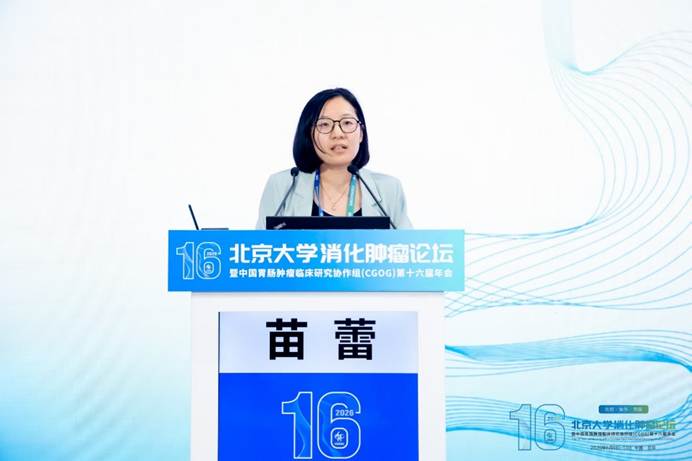
Figure: Keynote presentation by Prof. Lei Miao, Peking University
Lei Miao from Peking University delivered a presentation titled “Advances in Endogenous Ligand-Mediated In Vivo CAR Vector Editing Technologies.”
Prof. Miao highlighted innovative strategies that utilize endogenous ligands to achieve targeted in vivo delivery and editing of CAR vectors. Her presentation focused on emerging approaches designed to generate CAR-engineered immune cells directly within the body, rather than relying on the conventional ex vivo manufacturing process.
She explained that this technology has the potential to overcome several major limitations associated with traditional CAR-T cell therapy, including lengthy manufacturing timelines, high production costs, and limited patient accessibility. By enabling precise in vivo delivery and genetic modification, endogenous ligand-mediated approaches may streamline the treatment process and expand access to cellular therapies.
Prof. Miao emphasized that these advances could be particularly important for the treatment of solid tumors, where the widespread application of CAR-T therapy has been hindered by both biological and logistical challenges. If successfully translated into clinical practice, in vivo CAR engineering technologies may offer a transformative new platform for next-generation cellular immunotherapy.
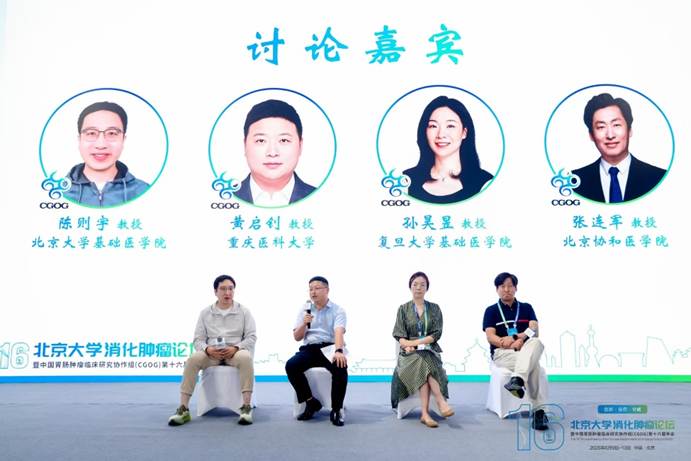
Session I Discussion
Following the presentations, Zeyu Chen from the School of Basic Medical Sciences, Peking University, Qizhao Huang from the Institute of Immunology Innovation and Translational Medicine, Chongqing Medical University, Haoyu Sun from Fudan University, and Lianjun Zhang from the Suzhou Institute of Systems Medicine, Chinese Academy of Medical Sciences, participated in a lively panel discussion.
The experts explored a range of topics, including T-cell biology, the challenges of translating gene-editing technologies into clinical practice, and the safety and efficacy considerations of in vivo CAR engineering. Drawing on perspectives from basic science, technology development, translational research, and clinical application, the panel examined key scientific and technical barriers that must be addressed to advance the field.
The discussion highlighted several promising directions for future breakthroughs, including a deeper understanding of immune cell regulation, improvements in gene-delivery platforms, enhanced control over genome-editing precision, and the development of safer and more effective in vivo cell-engineering approaches. The panelists also emphasized the importance of interdisciplinary collaboration in accelerating innovation and translating emerging technologies into clinically meaningful therapies for patients with cancer.
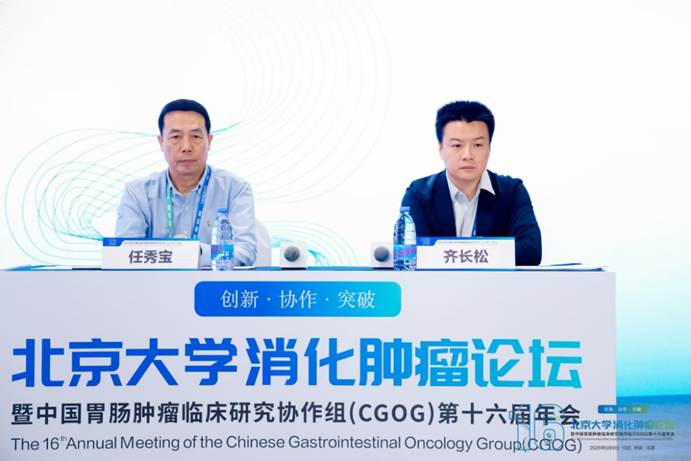
Figure: Session chaired by Prof. Xiubao Ren and Prof. Changsong Qi
Under the moderation of Xiubao Ren from Tianjin Medical University Cancer Institute and Hospital and Changsong Qi from Peking University Cancer Hospital, the meeting proceeded to its second scientific session.
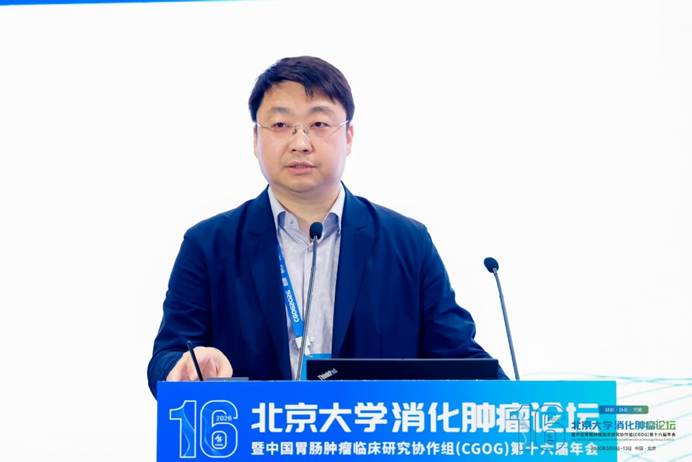
Figure: Keynote presentation by Prof. Wei Zhang, Beijing Neurosurgical Institute and Beijing Tiantan Hospital, Capital Medical University
Wei Zhang from the Beijing Neurosurgical Institute and Beijing Tiantan Hospital, Capital Medical University, delivered a presentation titled “Innovative Development and Clinical Translation of Immune Cell Therapies for Neuro-Oncology.”
In his lecture, Prof. Zhang reviewed recent advances in the development and clinical translation of immune cell therapies for brain and nervous system tumors, highlighting both scientific progress and practical experience gained from clinical research.
Drawing on the unique challenges associated with neuro-oncology, he discussed key considerations in the design and implementation of cellular immunotherapies, including target selection, manufacturing optimization, and clinical trial development. His presentation provided valuable insights into strategies for overcoming barriers to effective cell therapy in solid tumors, particularly those related to tumor heterogeneity, treatment delivery, and the tumor microenvironment.
Prof. Zhang emphasized that lessons learned from neuro-oncology may offer important guidance for the broader field of solid tumor cell therapy, helping to inform future innovations in therapeutic development and clinical translation.
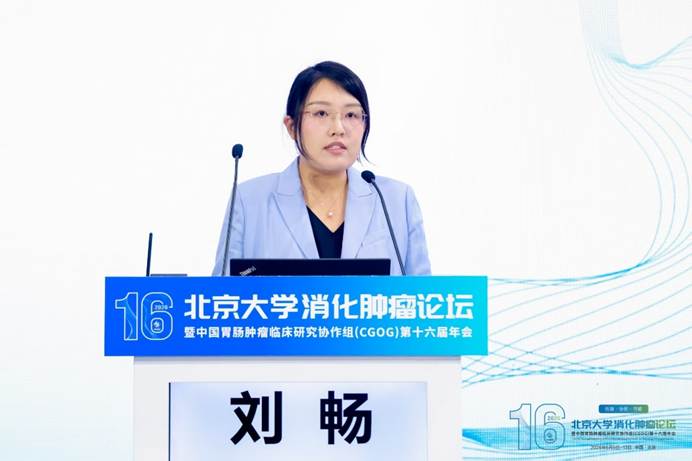
Figure: Keynote presentation by Prof. Chang Liu, Peking University Cancer Hospital
Chang Liu from Peking University Cancer Hospital delivered a presentation titled “Safety Characteristics and Emerging Strategies for CAR-T Cell Therapy in Gastrointestinal Malignancies.”
Drawing on both clinical experience and research data, Prof. Liu provided a comprehensive review of the key safety challenges associated with the application of CAR-T cell therapy in gastrointestinal cancers.
He discussed major treatment-related toxicities, including cytokine release syndrome (CRS), off-target effects, and immune effector cell-associated neurotoxicity syndrome (ICANS), highlighting their underlying mechanisms, clinical manifestations, and implications for patient management. Given the unique biological characteristics of solid tumors, he emphasized that careful safety monitoring and proactive toxicity management remain critical to the successful implementation of CAR-T therapies in gastrointestinal oncology.
Prof. Liu also shared current strategies aimed at improving the safety profile of CAR-T treatment, including advances in cell engineering, optimization of target selection, refinement of treatment protocols, and the development of more effective toxicity management approaches.
His presentation provided valuable insights into the evolving safety landscape of CAR-T therapy and offered important guidance for the continued clinical development and broader application of cellular immunotherapies in patients with gastrointestinal malignancies.
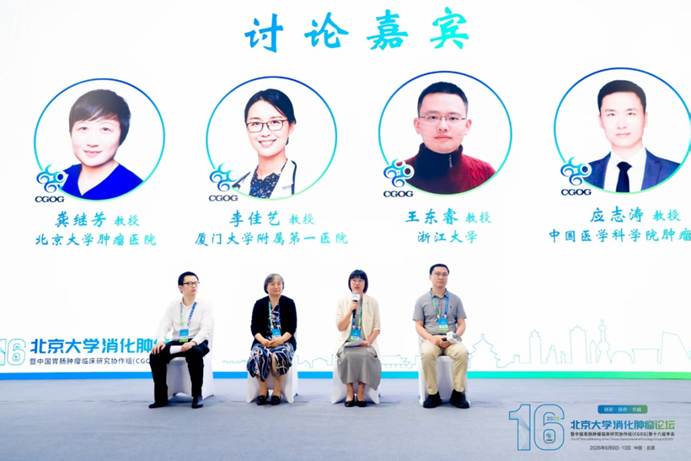
Session II Discussion
During the subsequent discussion session, Jifang Gong from Peking University Cancer Hospital, Jiayi Li from the First Affiliated Hospital of Xiamen University, Dongrui Wang from Zhejiang University, and Zhitao Ying from the National Cancer Center/Cancer Hospital, Chinese Academy of Medical Sciences, engaged in an in-depth exchange on several critical issues related to cellular therapy for solid tumors.
The discussion focused on topics including target selection for CAR-T therapies in solid tumors, strategies for overcoming the immunosuppressive tumor microenvironment, the development of combination treatment approaches, and the management of treatment-related safety concerns in clinical studies. The panelists agreed that tumor heterogeneity and the complex microenvironment of solid malignancies remain among the most significant obstacles facing cellular therapy. They emphasized that future breakthroughs will likely depend on multi-target strategies, multidisciplinary collaboration, and the close integration of basic research and clinical translation.
Closing Remarks
At the conclusion of the forum, Lin Shen and Weidong Han delivered the closing summary.
Prof. Shen noted that the session provided a comprehensive overview of the latest advances in cell and gene therapy, spanning fundamental biological mechanisms, emerging technologies, and clinical translation. She highlighted that the presentations showcased both exciting technological innovations and a clear understanding of the challenges that remain, particularly in the treatment of solid tumors and gastrointestinal malignancies.
She reaffirmed that the CGOG platform will continue to support research and collaboration in this rapidly evolving field, fostering communication among experts nationwide and encouraging the development of more original, investigator-driven research in China. Looking ahead, she expressed hope that continued scientific progress will lead to the development of safer and more effective cell and gene therapies, ultimately bringing new treatment opportunities to patients with gastrointestinal cancers.
Meeting Conclusion
The successful convening of the Cell and Gene Therapy Forum not only provided a high-level platform for academic exchange among experts across China but also injected new momentum into innovation and translational research in the field.
As technological advances continue and clinical research progresses, cell and gene therapies are expected to achieve further breakthroughs in gastrointestinal oncology. These innovations hold the promise of expanding treatment options and improving outcomes for patients, bringing new hope to individuals affected by digestive system malignancies.
Original article: Department of Gastrointestinal Oncology, Peking University Cancer Hospital
Author: Runtian Wang
Reviewer: Jiarui Li