The 16th Peking University Gastrointestinal Oncology Forum and the 2026 Annual Meeting of the Chinese Gastrointestinal Oncology Cooperative Group (CGOG) were successfully held in Beijing from June 9 to 13, 2026.On June 13, following a highly engaging plenary session in the morning, the conference concluded with three parallel specialty forums in the afternoon. Among them, the Hepatobiliary and Pancreatic Tumors Forum was successfully convened, bringing together experts to discuss the latest advances in research and clinical practice in hepatobiliary and pancreatic malignancies.
At the opening of the session, Jun Liang from Peking University International Hospital and Guanghai Dai from the Chinese PLA General Hospital delivered welcome remarks. They extended a warm welcome to the participating experts and guests and expressed their hope that attendees would gain valuable knowledge, inspiration, and new perspectives through the academic exchanges and discussions featured throughout the forum.
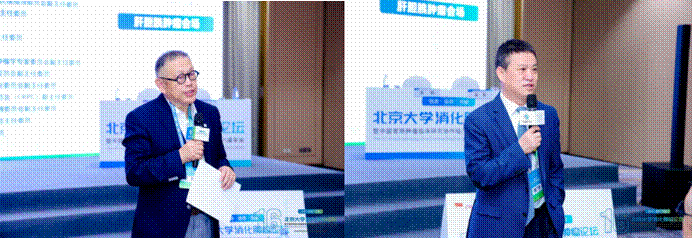
Figure: Conference Chairs: Prof. Jun Liang and Prof. Guanghai Dai
The first scientific session of the forum was co-chaired by Jun Liang from Peking University International Hospital and Yan Li from Peking University Cancer Hospital.
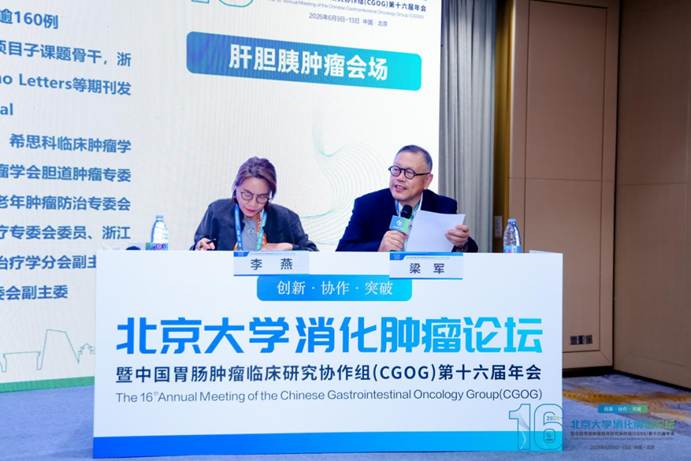
Figure: Session Chairs: Prof. Yan Li and Prof. Jun Liang
Weijia Fang from the First Affiliated Hospital, Zhejiang University School of Medicine, opened the scientific program with a presentation titled “Advances in Novel Therapeutics for Hepatocellular Carcinoma in 2026.”
Drawing on key studies presented at recent international conferences, including ASCO 2026, Prof. Fang reviewed the latest developments in systemic therapy for hepatocellular carcinoma (HCC). His presentation highlighted emerging clinical data on nilvanstomig (ZG005), Ori-C101 (a GPC3-targeted CAR-T cell therapy), and MRG006A (the first GPC3-targeted antibody-drug conjugate [ADC] of its kind).
Prof. Fang provided a comprehensive overview of recent advances across multiple therapeutic modalities, including bispecific immunotherapies, cellular therapies, and ADC-based treatments. He emphasized that these innovative approaches are driving meaningful improvements in clinical outcomes for patients with HCC and are expanding the range of available treatment options.
The presentation illustrated how breakthroughs in immunotherapy, cell therapy, and targeted drug development are reshaping the treatment landscape of liver cancer and providing valuable insights for future clinical practice and research.
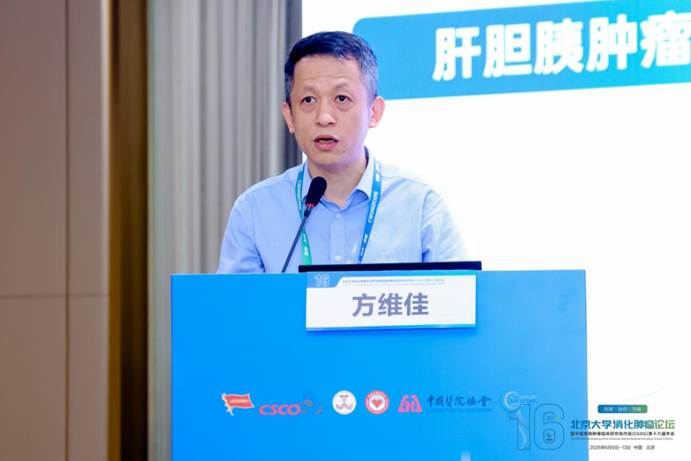
Figure: Speaker Prof. Weijia Fang
Next, Jun Zhou from Peking University Cancer Hospital delivered a presentation titled “Challenges and Perspectives in the Era of Dual Immunotherapy for Hepatocellular Carcinoma (Version 2).”
Prof. Zhou noted that dual immunotherapy regimens have become a standard first-line treatment option for patients with advanced hepatocellular carcinoma (HCC) and are increasingly being explored in earlier disease settings. However, he emphasized that important challenges remain, particularly the relatively high rates of early disease progression and primary resistance, which continue to limit survival benefits for a subset of patients.
Comparing dual immunotherapy with targeted therapy–immunotherapy combinations, Prof. Zhou highlighted that each strategy possesses distinct clinical characteristics, advantages, and limitations. Careful patient selection is therefore essential to maximize treatment benefit.
For patients with intermediate-stage HCC, he reaffirmed that transarterial chemoembolization (TACE) remains the current standard of care. Nevertheless, recent studies evaluating the combination of TACE with targeted therapy and immunotherapy have not demonstrated a significant improvement in overall survival, underscoring the need for a more individualized treatment approach.
Prof. Zhou stressed that therapeutic decisions should be guided by patient stratification, with rational selection of combination or sequential treatment strategies based on disease characteristics and treatment goals. He also noted that management of intermediate-stage HCC is increasingly moving toward a more refined and stratified approach, particularly in the field of interventional oncology, reflecting the broader trend toward precision treatment in liver cancer.
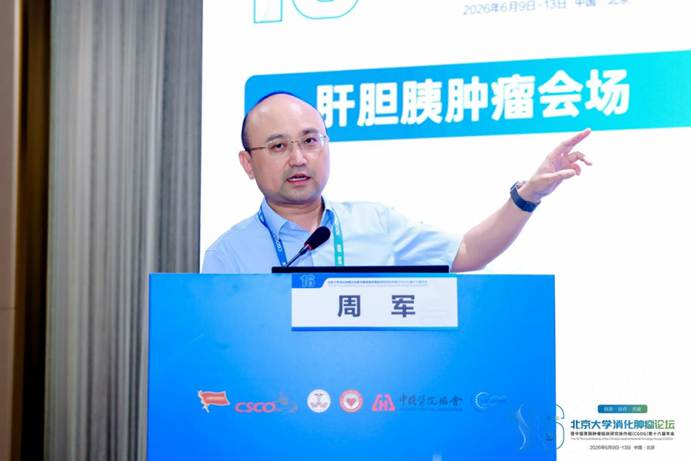
Figure: Speaker Prof. Jun Zhou
Following the presentations in the first session, Dapeng Li from Tianjin Cancer Hospital Qinhuangdao Hospital, Jinghua Sun from the Second Affiliated Hospital of Dalian Medical University, and Yunxia Wang from Jincheng Grand Hospital joined attendees for an engaging and in-depth academic discussion.
Building upon the themes raised in the presentations, the three experts shared their perspectives on several important issues, including the current state of liver cancer management in primary and regional medical centers, precision stratification strategies for patients with intermediate- and advanced-stage hepatocellular carcinoma, and approaches to monitoring and managing treatment-related adverse events.
Their comments and constructive insights stimulated further discussion among participants and helped broaden the scope of the session. The exchange underscored the importance of integrating real-world clinical experience with emerging research findings to optimize treatment strategies and improve outcomes for patients with liver cancer.
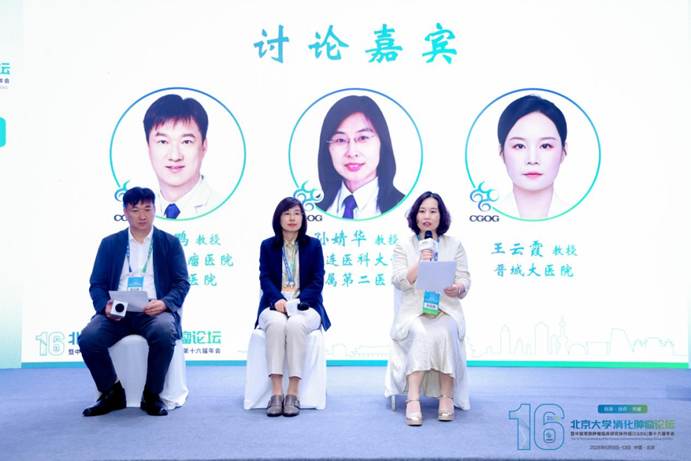
Figure: Discussion Panelists: Prof. Dapeng Li, Prof. Jinghua Sun, and Prof. Yunxia Wang
The forum then moved into its second scientific session, which was jointly chaired by Guanghai Dai from the Chinese PLA General Hospital, Zhiwei Li from Harbin Medical University Cancer Hospital, and Yinying Wu from the First Affiliated Hospital of Xi’an Jiaotong University.
Under the guidance of the three moderators, the session continued with a series of presentations and discussions focused on the latest advances in hepatobiliary and pancreatic oncology, providing participants with further opportunities to exchange insights on emerging research findings and evolving clinical practices.
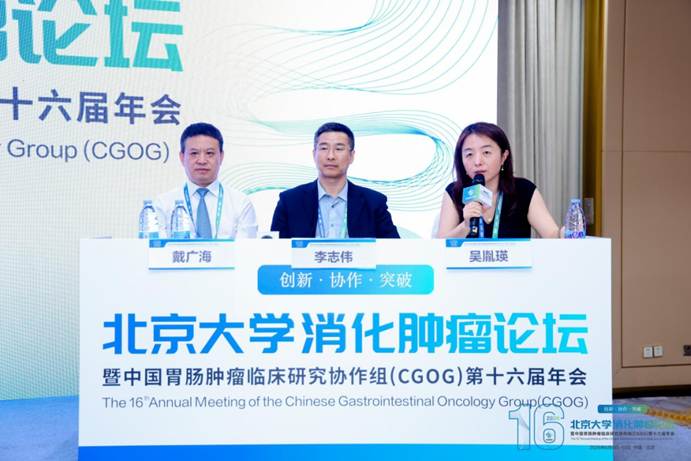
Figure: Session Chairs: Prof. Guanghai Dai, Prof. Zhiwei Li, and Prof. Yinying Wu
Jiajia Yuan from Peking University Cancer Hospital delivered a presentation on “Novel Therapeutics and ASCO Updates in Biliary Tract Cancers.”
Drawing upon multiple clinical studies and the latest findings presented at ASCO, Prof. Yuan reviewed the efficacy and development of a range of emerging therapeutic approaches, including immunotherapies, targeted therapies, bispecific antibodies, and antibody-drug conjugates (ADCs) for biliary tract cancers.
She highlighted the growing role of various combination strategies across first-line, second-line, and later-line treatment settings, noting that several novel regimens have demonstrated encouraging clinical activity and meaningful therapeutic advantages. Importantly, some of these treatments have shown the potential to downstage tumors and facilitate conversion to surgical resection, creating new opportunities for patients who were previously considered unresectable.
Prof. Yuan also discussed the evolving understanding of treatment resistance mechanisms and reviewed key safety considerations associated with emerging therapies. With numerous clinical trials currently underway, she emphasized that ongoing research is expected to further refine precision treatment strategies and expand therapeutic options for patients with biliary tract malignancies.
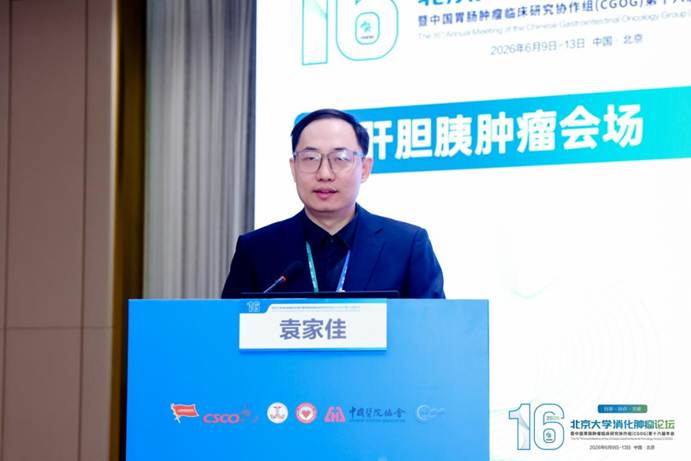
Figure: Speaker Prof. Jiajia Yuan
Next, Ganfeng Xie from the First Affiliated Hospital (Southwest Hospital) of Army Medical University delivered a presentation titled “Advances and Perspectives in Immunotherapy for Biliary Tract Malignancies.”
Prof. Xie reviewed the current landscape of immunotherapy in biliary tract cancers and discussed key challenges and future directions in the field. He noted that first-line chemotherapy combined with immunotherapy has now become the standard treatment approach for advanced biliary tract malignancies, marking a significant step forward in patient management.
He also highlighted the encouraging clinical activity observed with targeted therapies directed against HER2, FGFR, and IDH alterations, which have expanded treatment options for molecularly selected patient populations. However, Prof. Xie emphasized that many combination strategies involving immunotherapy, targeted agents, and other novel treatments still require further validation through prospective clinical studies.
In the perioperative setting, he pointed out that no universally accepted standard of care has yet been established. Traditional adjuvant treatment approaches have produced limited benefits, while immunotherapy has not yet achieved a definitive breakthrough in this context. As a result, optimizing perioperative management remains an important unmet need.
Looking ahead, Prof. Xie suggested that patient stratification and dynamic disease monitoring will become increasingly important areas of investigation. Improved biomarker-driven selection and real-time assessment of treatment response may help identify patients most likely to benefit from emerging therapeutic strategies and guide more individualized treatment approaches in biliary tract cancers.
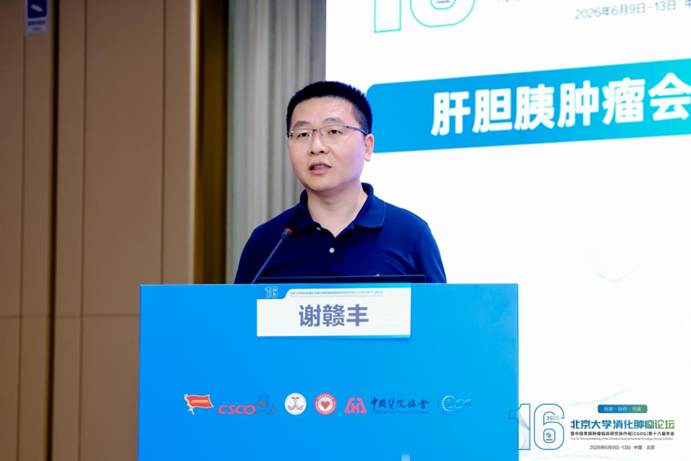
Figure: Speaker Prof. Ganfeng Xie
During the discussion session of the second segment, Lu Han from the Chinese PLA General Hospital, Yongkun Sun from Cancer Hospital, Chinese Academy of Medical Sciences, and Ran Xue from Peking University Cancer Hospital engaged in a lively and insightful exchange based on the presentations.
The discussion centered on several key topics in biliary tract cancer research and treatment, including mechanisms of acquired resistance to targeted therapies, the optimization of immunotherapy-based combination strategies, biological and therapeutic differences among distinct disease subtypes, and the development of novel therapeutic agents.
The experts shared their perspectives on current challenges and future opportunities in the field, emphasizing the importance of molecular characterization, biomarker-driven treatment selection, and innovative drug development. Their discussion highlighted emerging directions for advancing precision oncology in biliary tract malignancies and underscored the need for continued translational and clinical research to improve patient outcomes.
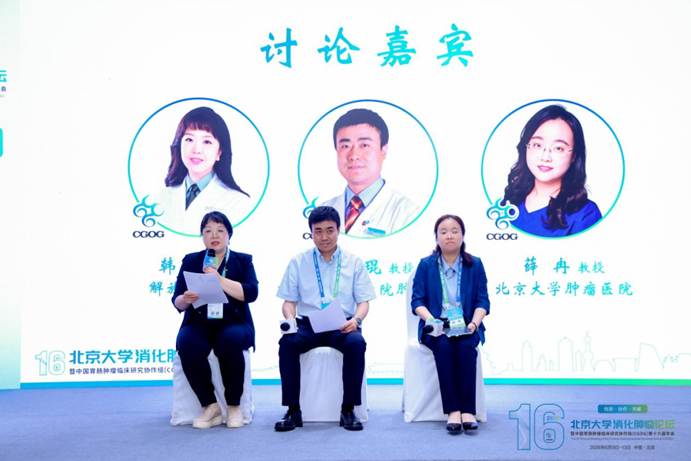
Figure: Discussion Panelists: Prof. Lu Han, Prof. Yongkun Sun, and Prof. Ran Xue
The forum then proceeded to its third scientific session, chaired by Chunyi Hao from Peking University Cancer Hospital, Jun Xue from Union Hospital, Huazhong University of Science and Technology, and Xiaofeng Sun from Jiangsu Cancer Hospital.
This session focused on the rapidly evolving field of immunotherapy for pancreatic cancer, providing a platform for in-depth discussion of current challenges, emerging therapeutic strategies, and future research directions aimed at improving outcomes for patients with this highly aggressive malignancy.
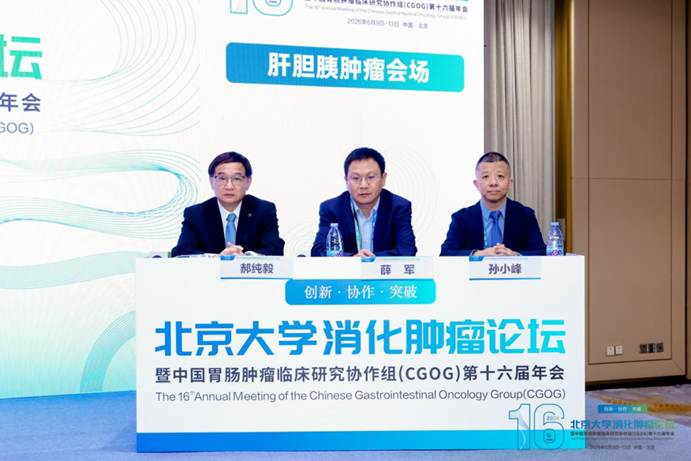
Figure: Session Chairs: Prof. Chunyi Hao, Prof. Jun Xue, and Prof. Xiaofeng Sun
Jiujie Cui from Renji Hospital, Shanghai Jiao Tong University School of Medicine, delivered a presentation titled “Novel Therapeutics and ASCO Updates in Pancreatic Cancer.”
In her presentation, Prof. Cui reviewed the latest advances in pancreatic cancer drug development and highlighted several promising findings presented at recent international meetings. A number of domestically developed innovative therapies demonstrated encouraging clinical activity, reflecting the growing contribution of Chinese research to the field of pancreatic oncology.
Among the emerging approaches discussed were personalized cancer vaccines, bispecific antibodies, and various immunotherapy-based combination regimens, all of which have shown preliminary signs of efficacy in selected patient populations.
Particularly noteworthy was RMC-6236, a pan-RAS inhibitor, which demonstrated a significant survival benefit in the second-line treatment setting, offering a potentially important new option for patients with advanced pancreatic cancer. Prof. Cui also highlighted the promising performance of B7-H3-targeted antibody-drug conjugates (ADCs), which have shown encouraging activity and favorable tolerability in later-line treatment settings.
By comparing efficacy outcomes and safety profiles across different therapeutic strategies, Prof. Cui illustrated how these emerging agents and combination approaches are expanding the therapeutic landscape and offering renewed hope for patients facing one of the most challenging gastrointestinal malignancies.
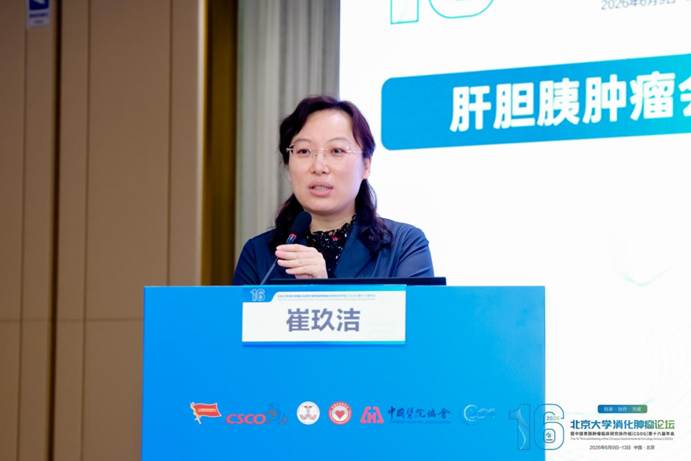
Figure: Speaker Prof. Jiujie Cui
Following this presentation, Jie’er Ying from Zhejiang Cancer Hospital delivered a lecture on “New Advances in the Exploration of Immunotherapy for Pancreatic Cancer.”
Prof. Ying emphasized that pancreatic cancer is widely recognized as a prototypical “cold tumor,” characterized by a highly immunosuppressive tumor microenvironment and limited responsiveness to immunotherapy when used as a single agent. As a result, improving the efficacy of immunotherapy remains a major focus of current research.
Among the various strategies under investigation, Prof. Ying highlighted triplet regimens combining immunotherapy, chemotherapy, and anti-angiogenic therapy as one of the most promising approaches. Several phase II studies have reported encouraging results, including combinations such as surufatinib plus camrelizumab with the AG regimen and TQB2868 plus anlotinib with the AG regimen, both of which have demonstrated notable clinical activity.
Beyond these triplet strategies, ongoing research continues to explore a variety of innovative approaches, including immunotherapy combined with radiotherapy, bispecific antibodies, and cancer vaccines, all aimed at overcoming the immune resistance that characterizes pancreatic cancer.
Prof. Ying concluded by emphasizing that patient stratification and the development of more effective targeted therapy–immunotherapy combinations are likely to become key priorities in the future evolution of pancreatic cancer treatment, helping to identify patients most likely to benefit from these emerging therapeutic approaches.
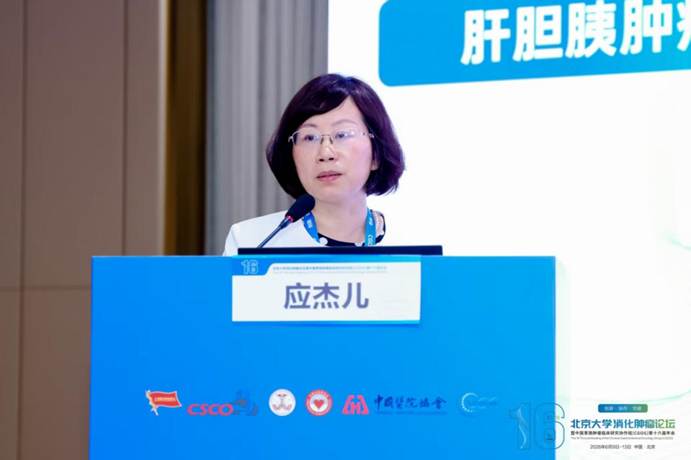
Figure: Speaker Prof. Jie’er Ying
During the subsequent discussion session, Ru Jia from the Fifth Medical Center of the Chinese PLA General Hospital, Zan Teng from the First Hospital of China Medical University, and Jun Zhou from Peking University Cancer Hospital engaged in an in-depth exchange on emerging therapeutic strategies for pancreatic cancer.
The discussion focused on the development of novel agents, optimization of treatment selection, and future directions in pancreatic cancer research. The panelists reviewed the evolving landscape of drug development and examined how new therapeutic approaches may be integrated into clinical practice to improve patient outcomes.
Overall, the experts agreed that pancreatic cancer treatment is entering a new era of precision-targeted therapy. In particular, RAS-targeted inhibitors have demonstrated breakthrough potential by delivering meaningful survival benefits in a disease historically associated with limited treatment options. At the same time, the panel emphasized that the successful application of immunotherapy will require more precise patient selection and a deeper understanding of tumor biology.
Looking forward, the experts identified multi-target combination strategies and biomarker-driven treatment stratification as key priorities for future research and clinical development. These approaches are expected to play a central role in advancing personalized treatment and improving outcomes for patients with pancreatic cancer.
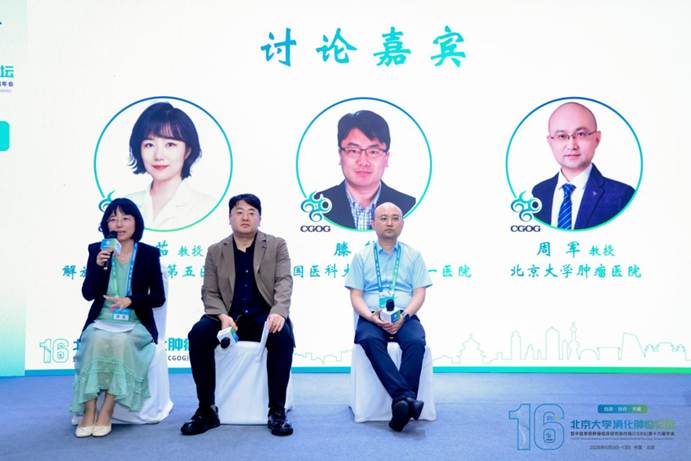
Figure: Discussion Panelists: Prof. Ru Jia, Prof. Zan Teng, and Prof. Jun Zhou
At the conclusion of the forum, Chunyi Hao from Peking University Cancer Hospital delivered the closing remarks.
Prof. Hao emphasized that optimal cancer management requires the effective integration of both local and systemic treatment approaches, reflecting the increasingly multidisciplinary nature of modern oncology. He advocated for breaking down traditional departmental boundaries and strengthening multidisciplinary team (MDT) collaboration to ensure that patients receive the most comprehensive and individualized care possible.
He also encouraged clinicians and researchers to remain committed to their original mission of improving patient outcomes through innovation, collaboration, and continuous learning. By working together across specialties and institutions, the oncology community can accelerate progress and bring more effective treatment options to patients.
In closing, Prof. Hao expressed his sincere appreciation to all participating experts, speakers, and attendees for their active engagement and valuable contributions, which helped make the Hepatobiliary and Pancreatic Tumors Forum a successful and productive academic event.
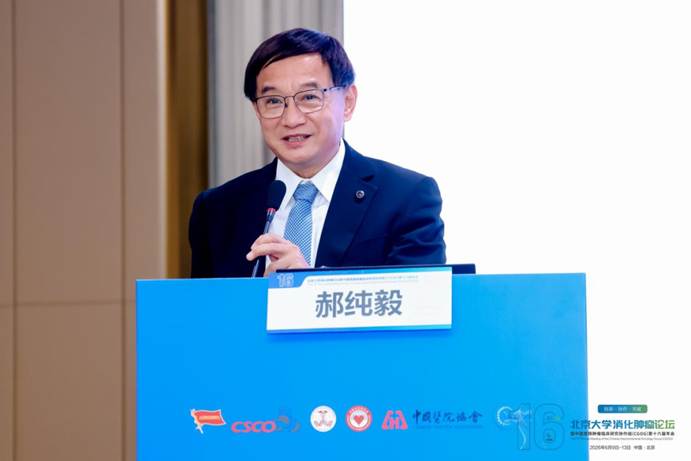
Figure: Meeting Summary by Prof. Chunyi Hao
The Hepatobiliary and Pancreatic Tumors Forum focused on the most important clinical challenges and emerging opportunities across hepatocellular carcinoma, biliary tract cancers, and pancreatic cancer. Through discussions spanning advances in immunotherapy, novel targeted agents, and precision interventional strategies, the session highlighted the increasingly close integration of clinical practice and scientific innovation.
The presentations and discussions demonstrated the rapid evolution of treatment paradigms in these challenging malignancies, emphasizing the importance of biomarker-driven decision-making, rational combination therapies, and multidisciplinary management. At the same time, the forum underscored the critical role of translational research in transforming scientific discoveries into meaningful clinical benefits for patients.
Looking ahead, participants expressed confidence that continued progress in multidisciplinary collaboration, technological innovation, and clinical research will further advance the field. These efforts are expected to promote more precise, standardized, and effective approaches to the diagnosis and treatment of hepatobiliary and pancreatic cancers, ultimately improving outcomes and quality of life for patients.
Original article: Department of Gastrointestinal Oncology, Peking University Cancer Hospital
Author: Qiongyu Zhang
Reviewer: Jiajia Yuan