Following the successful online sessions held during the first three days of the CGOG Annual Meeting, including six ASCO Highlights sessions and six thematic symposia, the on-site program officially commenced on June 12. On Day 4 of the 16th Peking University Gastrointestinal Oncology Forum and CGOG Annual Meeting, two parallel forums attracted strong interest from attendees. The Precision Translational Medicine Forum brought together experts from a wide range of academic disciplines for in-depth exchange and discussion.Prof. Lin Shen from Peking University Cancer Hospital and Prof. Baorui Liu from Nanjing Drum Tower Hospital, Nanjing University Medical School, delivered opening remarks.
Prof. Shen noted that the path of innovative drug development is challenging and requires continuous learning through addressing clinical problems, accumulating experience, drawing lessons, and achieving breakthroughs. He emphasized that precision translational medicine is driven by clinical needs and plays a critical role in translating scientific discoveries into clinical practice. He also highlighted the importance of interdisciplinary collaboration and multicenter communication in advancing the field.
Prof. Liu stated that evidence-based medicine continues to play a key role in shaping and updating treatment guidelines for gastrointestinal cancers. He noted that such progress depends on close collaboration among experts in basic research, translational medicine, and clinical practice, providing new momentum for the development of precision oncology in China.
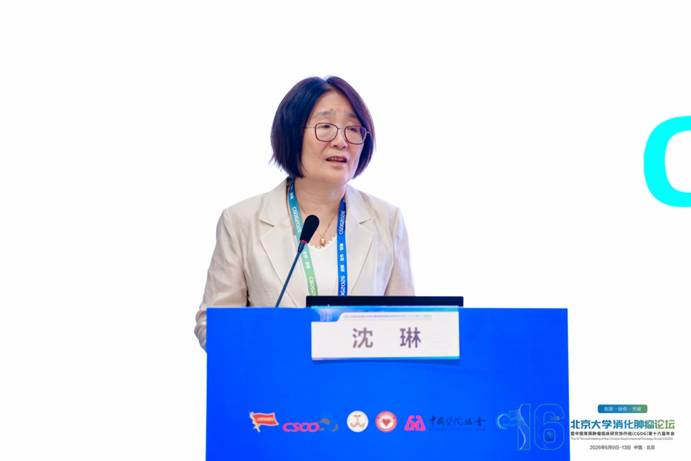
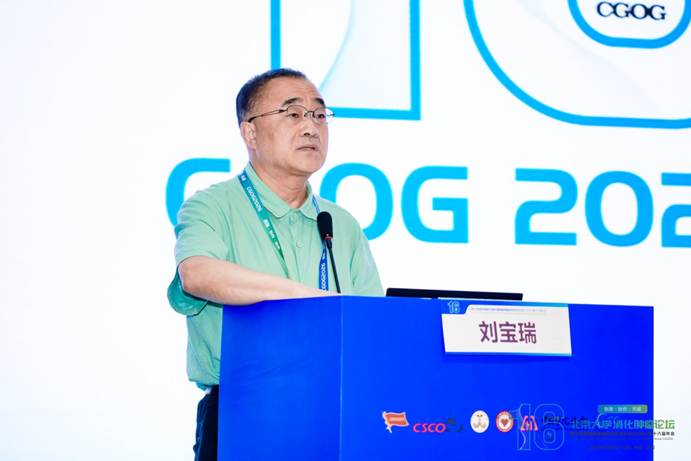
Figure: Opening Remarks by Conference Chairs Prof. Lin Shen and Prof. Baorui Liu
Under the moderation of Prof. Cuihua Liu from the Institute of Microbiology, Chinese Academy of Sciences, Prof. Lei Shi from Tianjin Medical University, and Prof. Song Gao from Sun Yat-sen University Cancer Center, the first session of scientific presentations officially commenced.
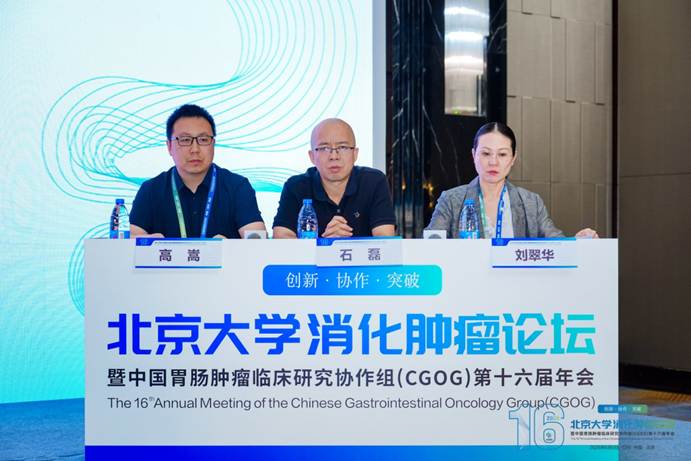
Figure: Session Chairs: Prof. Cuihua Liu, Prof. Lei Shi, and Prof. Song Gao
Prof. Fan Bai from Peking University delivered a presentation titled “Multidimensional Characterization and Precision Prediction of Brain Metastases.”
Focusing on the key scientific question of how differences between the microenvironments of primary and metastatic lesions reshape tumor ecosystems, Prof. Bai systematically reviewed the biological basis of brain metastasis and its translational value.
Through a systematic pan-cancer analysis and characterization of brain metastasis-associated features, his team identified molecular and ecological characteristics related to brain metastasis and revealed shared patterns and potential mechanisms underlying the metastatic process across different tumor types.
The study not only advances understanding of the evolution of brain metastases, but also provides a basis for predicting metastatic events and identifying high-risk populations in clinical practice. In addition, the findings offer important references for the development of early intervention strategies, precision management approaches, and individualized treatment plans.
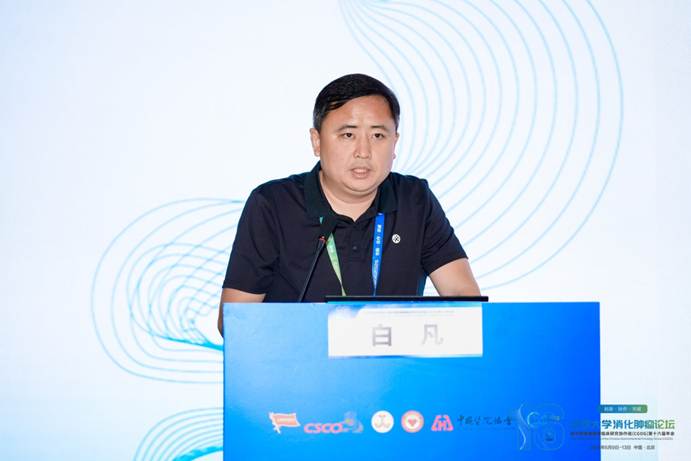
Figure: Speaker Prof. Fan Bai
Prof. Haitao Li from the School of Basic Medical Sciences, Tsinghua University, delivered a presentation on “Epigenetic Modifications in Cancer.”
The presentation highlighted recent advances in the field of cancer epigenetics. Prof. Li discussed the critical role of CMiDAC in maintaining epigenetic homeostasis, the function of SP140 as a homeostatic regulator, and the molecular mechanism by which the interaction between Spindlin1 and SOX4 drives cancer stemness and proliferation.
He also provided a systematic overview of several important types of epigenetic modifications, including histone methylation, crotonylation, benzoylation, lactylation, and serotonylation.
These studies further enhance our understanding of the mechanisms underlying tumor initiation and progression and provide a theoretical foundation for the development of epigenetic-targeted therapies.
Figure: Speaker Prof. Haitao Li
Prof. Yuchen Jiao from the National Cancer Center/Cancer Hospital, Chinese Academy of Medical Sciences, delivered a presentation titled “Genomic and Translational Research in Pancreatic Tumors.”
Prof. Jiao first focused on pancreatic neuroendocrine tumors (PanNETs), discussing their key driver mutations and potential targeted therapeutic strategies. He highlighted the mechanism of MEN1–DHODH synthetic lethality and introduced the translational potential of agents such as leflunomide in related therapeutic settings.
The presentation then turned to the genomic features of pancreatic precancerous lesions and advances in liquid biopsy research. Prof. Jiao explored potential approaches for identifying early lesions through molecular biomarkers, with the aim of improving risk assessment, early detection, and screening strategies.
These studies provide important insights for the precise stratification of pancreatic tumors, early intervention, and individualized treatment, while also opening new avenues for translational research in pancreatic oncology.
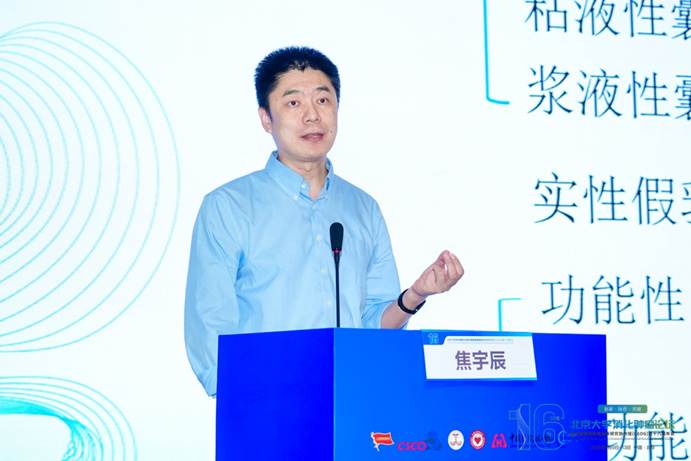
Figure: Speaker Prof. Yuchen Jiao
Prof. Pu Gao from the Institute of Biophysics, Chinese Academy of Sciences, delivered a presentation titled “Nucleic Acid Innate Immunity: From Mechanisms to Therapeutic Intervention.”
Prof. Gao systematically introduced the important role of nucleic acid-sensing pathways in immune regulation and disease intervention. The presentation focused on the cGAS–STING pathway, highlighting recent advances in understanding the mechanisms of cGAS activation and inhibitor development, as well as STING activation and agonist development, and demonstrating the broad therapeutic potential of this pathway in tumor immunity and inflammation regulation.
The presentation also introduced selective antibody-targeting strategies for the type I interferon (IFN-I) signaling pathway, with particular emphasis on research progress involving 7G4, a selective blocking antibody targeting IFNAR1.
By extending from fundamental mechanistic studies to therapeutic development, these findings provide new theoretical foundations and translational opportunities for the treatment of autoimmune diseases, inflammatory disorders, and cancer.
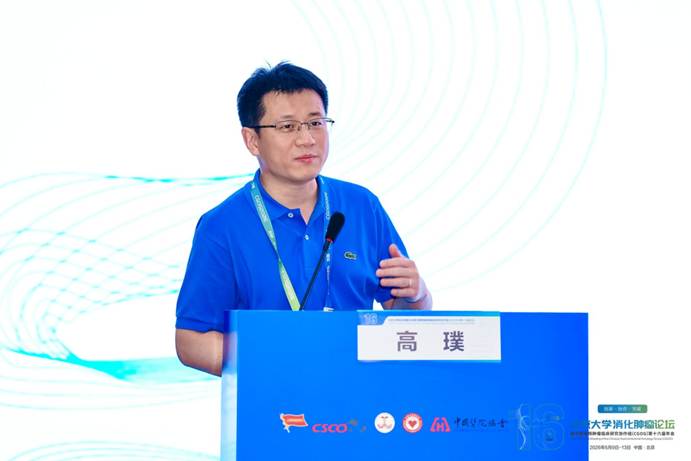
Figure: Speaker Prof. Pu Gao
During the discussion session, Prof. Motao Zhu from the National Center for Nanoscience and Technology, Prof. Di Dong from the Institute of Automation, Chinese Academy of Sciences, Prof. Weimin Zhang from Peking University Cancer Hospital, and Prof. Cheng Zhang from Peking University Cancer Hospital engaged in an in-depth exchange of ideas.
The discussion focused on several cutting-edge topics, including the development and application of large-scale AI models, the use of multi-omics technologies for novel target discovery, advances in cancer epigenetics, and emerging strategies for drug development and therapeutic innovation.
The experts shared perspectives from both basic research and clinical translation, highlighting the importance of interdisciplinary collaboration in driving future breakthroughs in precision medicine and oncology research.
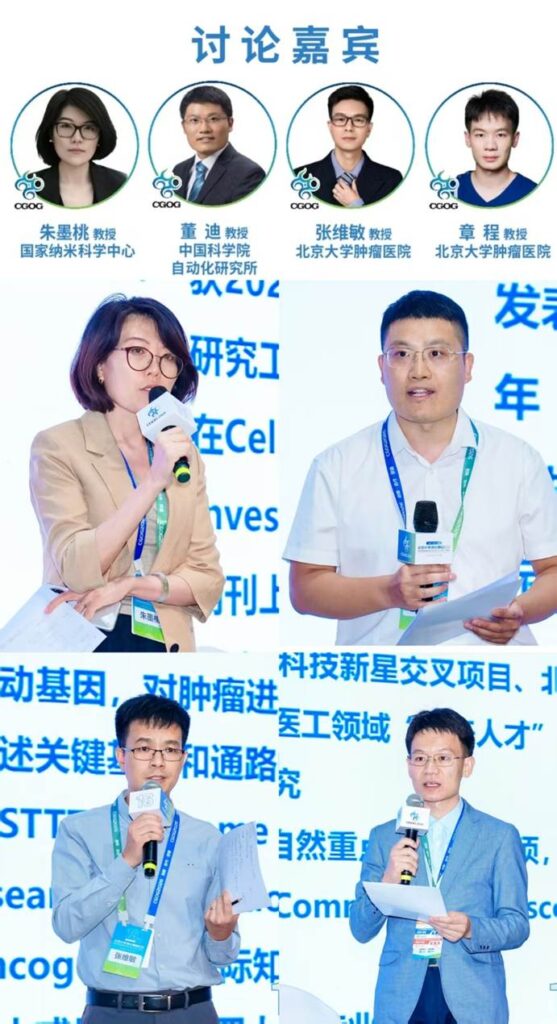
Discussion Session
Following the discussion, the afternoon session commenced under the moderation of Prof. Zhihao Lu from Peking University Cancer Hospital and Prof. Limin Xia from Nanfang Hospital, Southern Medical University.
Under their guidance, the forum continued with a series of academic presentations and discussions, bringing participants another engaging session focused on the latest advances in precision and translational medicine.
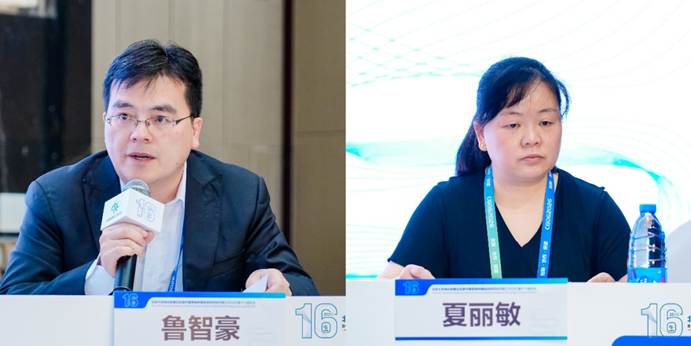
Figure: Session Chairs: Prof. Zhihao Lu and Prof. Limin Xia
Prof. Anyuan Guo from West China Hospital, Sichuan University, delivered a presentation on “Big Data Research in Oncology.”
Prof. Guo systematically reviewed the application of big data approaches in cancer immunology research and clinical translation. The presentation focused on the prediction of combination strategies for cancer immunotherapy, demonstrating how the integration of multidimensional data resources can provide new insights for optimizing combination regimens and improving treatment outcomes.
The report also highlighted the identification and analysis of biomarkers associated with resistance to immunotherapy in esophageal cancer. Prof. Guo summarized key factors influencing treatment response and the development of resistance, providing important evidence for patient stratification and precision intervention.
In addition, he introduced several cancer immunology-related databases and analytical approaches, illustrating the value of bioinformatics tools in mechanistic research, biomarker discovery, and treatment response prediction.
These studies provide important support for advancing the precision and personalization of cancer immunotherapy.
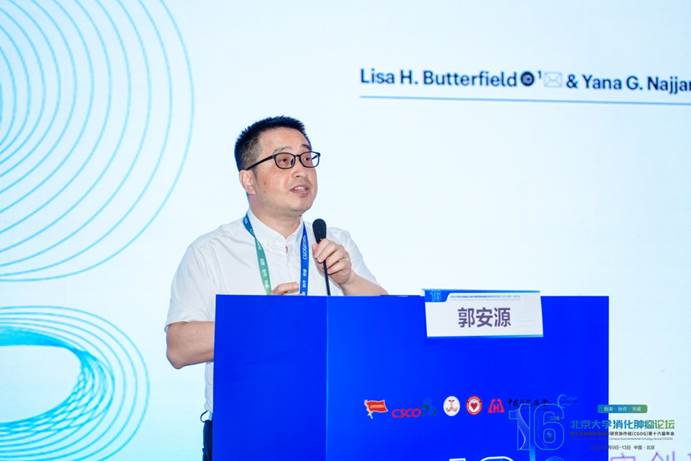
Figure: Speaker Prof. Anyuan Guo
Prof. Bo Xu’s team from Chongqing University Cancer Hospital presented on the underlying principles and clinical applications of intelligent oncology.
The presentation focused on multidisciplinary knowledge integration, the evolution from foundation models to multimodal models, and efforts to improve model scalability and interpretability. The team discussed the relationship between macroscopic and microscopic biological processes, the dynamic interplay between genetic alterations and tumor development, and the transition from single-modality, single-point information to multidimensional dynamic connections.
In addition, the presentation introduced several emerging areas of research, including virtual cells, disease outcome prediction, and diagnostic accuracy assessment. These advances highlight the broad potential of intelligent oncology in both mechanistic research and clinical applications.
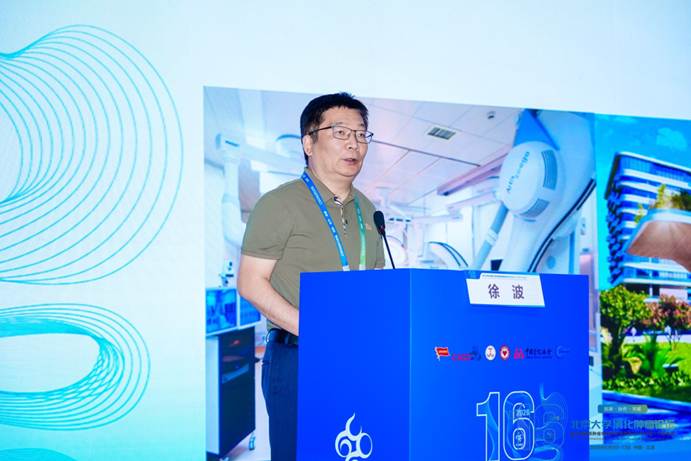
Figure: Speaker Prof. Bo Xu
Prof. Guangjun Nie from the National Center for Nanoscience and Technology shared his insights and experience in nanomaterials and drug delivery. In a presentation titled “Tumor Immune Modulation Through Delivery Platforms: From Personalized to Universal Cancer Vaccines,” he systematically reviewed recent advances in the application of delivery technologies for cancer vaccine development.
The presentation focused on key topics including delivery systems for therapeutic agents and cancer vaccines, as well as strategies for tumor antigen identification. Prof. Nie discussed the evolving direction of cancer vaccine research, highlighting the transition from therapeutic vaccines toward preventive approaches.
He also introduced several novel strategies for enhancing immune responses, including adjuvant optimization, organelle degradation-based approaches, and trained immunity. These technologies demonstrate significant potential for improving vaccine immunogenicity and antitumor efficacy.
In addition, Prof. Nie concluded with a discussion of how artificial intelligence can support vaccine development and accelerate innovation in the field. His presentation offered new perspectives on advancing cancer vaccines from highly individualized designs toward broader and more universal clinical applications.
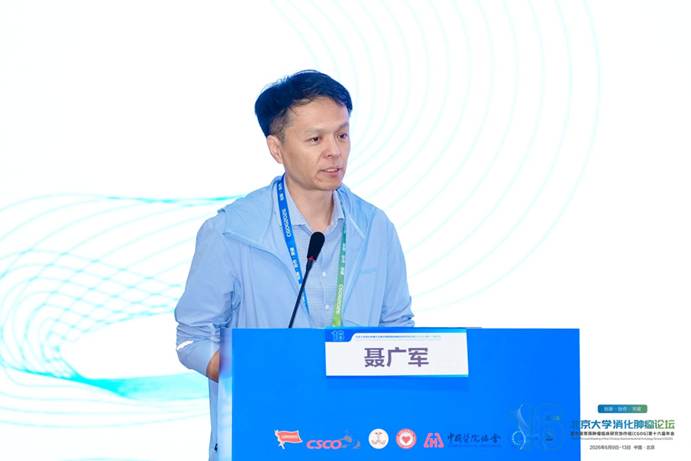
Figure: Speaker Prof. Guangjun Nie
Prof. Jianzhong Xi from the Academy for Advanced Interdisciplinary Studies, Peking University, delivered a presentation titled “Precision Medicine Research Based on Microtumor Models.”
Prof. Xi systematically reviewed recent advances in the application of microtumor models, including organoids, in precision diagnosis, treatment, and drug development. He noted that organoid models offer high accuracy and are capable of preserving tumor heterogeneity as well as certain features of the tumor immune microenvironment, making them valuable tools for studying tumor biology, evaluating drug sensitivity, and supporting new drug discovery.
The presentation further highlighted the potential of microenvironment-related prospective PTC studies in guiding individualized treatment decisions. Prof. Xi emphasized their value in predicting therapeutic responses, screening treatment options, and supporting clinical decision-making.
These advances demonstrate the broad potential of organoid-based models to drive a new paradigm in biomedical research and drug development, while providing strong support for the translation of precision medicine from the laboratory to clinical practice.
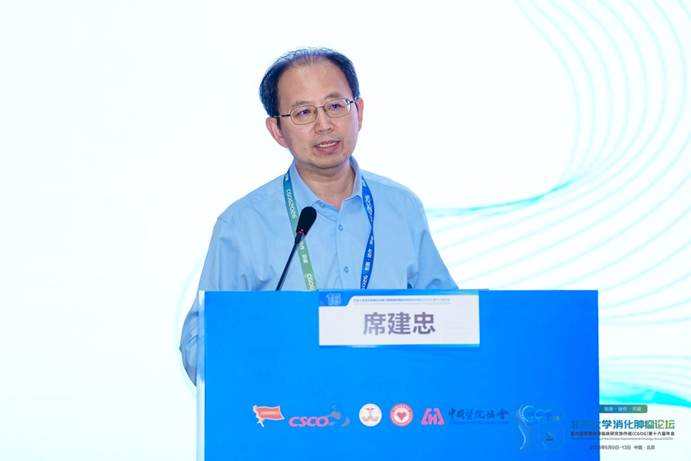
Figure: Speaker Prof. Jianzhong Xi
During the discussion session, Prof. Chuanhui Han from the Peking University International Cancer Institute, Prof. Ying Shen from Sun Yat-sen University Cancer Center, Prof. Zhi Peng from Peking University Cancer Hospital, and Prof. Yang Chen from Peking University Cancer Hospital engaged in an in-depth discussion on several emerging areas of translational oncology.
The discussion focused on advances in big data-driven research, the development and application of PTC models, progress in nanotechnology, and the future of cancer vaccines. The experts exchanged views on the opportunities and challenges associated with these rapidly evolving fields and explored their potential roles in precision medicine and cancer treatment.
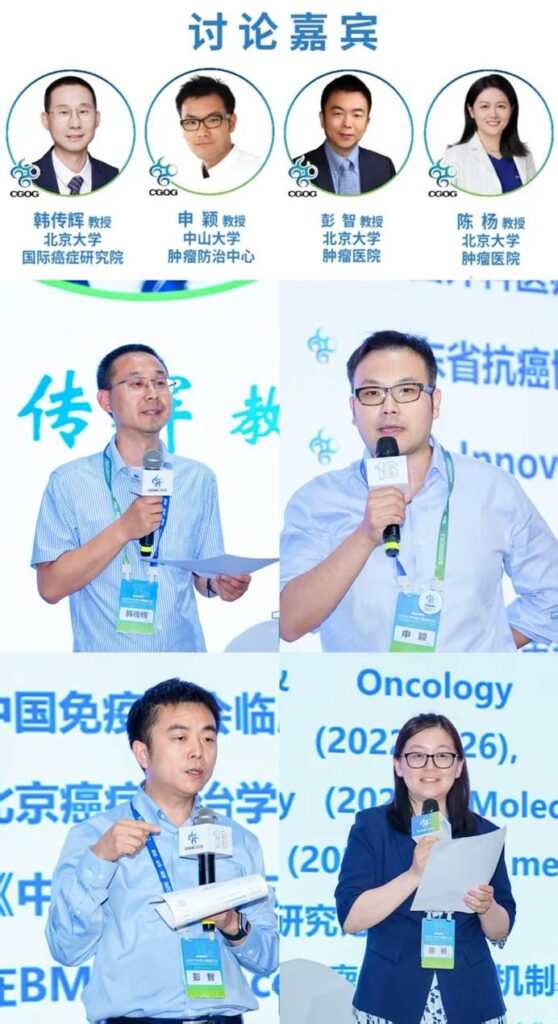
Discussion Session
At the conclusion of the forum, Prof. Lin Shen and Prof. Baorui Liu delivered closing remarks and summarized the key highlights of the Precision Translational Medicine Forum.
Prof. Liu noted that the meeting was rich in content and featured in-depth academic exchanges that were both informative and inspiring. He emphasized that the forum fully demonstrated the growing integration of basic and clinical medicine, reflecting the continuing advancement of precision translational medicine. By focusing on cutting-edge basic research, critical clinical questions, and innovative technologies, the meeting further promoted the bidirectional translation of scientific discoveries into clinical practice and the transformation of clinical needs into research questions.
Prof. Shen highlighted that this integration continues to expand and deepen, gradually forming a more closely connected network of collaborative innovation. Such efforts are fostering stronger partnerships between scientists and clinicians, enabling complementary expertise and closer cooperation. He noted that the forum not only injected new momentum into precision diagnosis and treatment, translational research, and medical innovation, but also helped build broader consensus for the high-quality development of precision translational medicine.
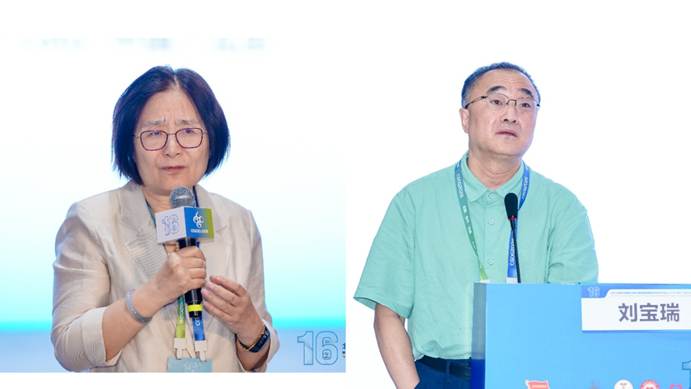
Closing Remarks by Prof. Lin Shen and Prof. Baorui Liu
Original article: Department of Gastrointestinal Oncology, Peking University Cancer Hospital
Author: Bingqing Zhao
Reviewers: Zhihao Lu, Cheng Zhang