Editor’s Note: The 2026 Genitourinary Cancers Symposium of the American Society of Clinical Oncology (ASCO GU 2026) has successfully concluded. As the premier annual academic event in the field of genitourinary oncology, the meeting brought together leading experts from around the world and showcased numerous cutting-edge studies and breakthroughs with the potential to reshape clinical practice.
The team led by Professor Bo Dai from Fudan University Shanghai Cancer Center presented several important studies in the field of prostate cancer at this year’s meeting. These studies span multiple areas, including clinical exploration of innovative therapies, clinical applications of artificial intelligence, and basic and translational research on mechanisms of treatment resistance. Together, they highlight China’s growing contribution to progress in genitourinary oncology.
Oncology Frontier – Urology Edition invited Professor Bo Dai to provide an in-depth interpretation of the key findings from these studies and to discuss their implications for clinical practice in China.
01
At ASCO GU 2026, you and your team presented several studies on the international stage. Could you share the highlights of these advances?
Professor Bo Dai: The ASCO GU Symposium is one of the most influential annual academic meetings in the field of genitourinary malignancies. Each year it brings together leading experts worldwide to present the latest breakthroughs and research advances in the diagnosis and treatment of genitourinary cancers.
At this year’s meeting, several studies from our center were selected for presentation. These studies can be broadly divided into two categories. The first includes sponsor-initiated clinical trials of innovative drugs conducted at our center, while the second includes investigator-initiated studies covering clinical, basic, and translational research led by our team.
I will first introduce the advances in clinical studies of novel therapies. In recent years, systemic treatment for prostate cancer—particularly metastatic castration-resistant prostate cancer (mCRPC)—has made significant progress. Several newly approved drugs have demonstrated clear survival benefits for patients. Nevertheless, substantial unmet clinical needs remain.
Our center has long been committed to clinical exploration of novel therapies for prostate cancer. At this meeting, we presented results from several phase II and phase III clinical trials, mainly focusing on two directions. One involves innovative agents targeting novel molecular pathways, including two phase II studies evaluating a B7-H3–targeted antibody–drug conjugate (ADC) and an EZH2 inhibitor, both of which are still investigational. These studies provide new therapeutic possibilities for patients with heavily pretreated mCRPC. The second direction involves real-world studies in Chinese populations using already approved therapies, such as lutetium-177–PSMA (177Lu-PSMA) radioligand therapy, which has also shown encouraging results in our clinical analyses.
1. Phase II Single-Arm Study of a B7-H3–Targeted ADC
B7-H3 is a transmembrane protein that is highly expressed in mCRPC tissues, making it a promising new therapeutic target for prostate cancer.
Our center led a phase II single-arm clinical trial evaluating a B7-H3–targeted ADC in patients with mCRPC who had previously received novel endocrine therapies, with some also having undergone docetaxel chemotherapy. Most patients in the study were receiving treatment in the later-line setting, approximately third-line therapy.
Despite the heavily pretreated nature of the patient population, the ADC demonstrated encouraging antitumor activity:
- PSA response rate: nearly 40%
- Overall objective response rate (ORR): approximately 40%
These results suggest that this ADC may provide a promising new treatment option for patients with mCRPC who have limited options after multiple lines of therapy.
2. Phase II Study of an EZH2 Inhibitor Combined with Enzalutamide
EZH2 is also highly expressed in mCRPC tissues. Previous basic research has shown that EZH2 inhibitors can reverse resistance to novel endocrine therapies such as enzalutamide.
Based on this rationale, our center conducted a phase II clinical study evaluating a China-developed EZH2 inhibitor combined with enzalutamide in patients with mCRPC.
The combination demonstrated promising antitumor activity:
- PSA response rate: over 30%
- Median radiographic progression-free survival (rPFS): 18 months
These outcomes are notable in the context of mCRPC treatment. Regarding safety, treatment-related adverse events occurred in approximately 50% of patients, most commonly fatigue, weakness, nausea, and vomiting. Overall, the safety profile was manageable.
Both of these innovative agents targeting novel pathways represent promising treatment strategies for patients with mCRPC in China. We look forward to the successful progression of phase III trials, which may ultimately lead to regulatory approval and benefit a larger population of prostate cancer patients.
3. Subgroup Analysis of 177Lu-PSMA Radioligand Therapy in Chinese Patients
177Lu-PSMA radioligand therapy has been approved globally based on the positive results of the VISION trial, but data specifically from Chinese patient populations remain limited.
To address this gap, our center led a subgroup analysis focusing on Chinese patients with mCRPC, evaluating the efficacy and safety of this therapy.
Interestingly, although patients in this study generally had more advanced disease and had received more prior treatment lines, the outcomes were comparable to those observed in Western populations, without an increased incidence of adverse events.
These findings confirm the stability and applicability of 177Lu-PSMA therapy in Chinese patients, and in some cases suggest the potential for even greater clinical benefit. The study provides valuable real-world evidence supporting the standardized use of this therapy in clinical practice in China.
In addition to drug-related clinical research, we also presented several investigator-initiated studies covering clinical applications of artificial intelligence and basic research on treatment resistance. I will highlight two representative examples.
1. Clinical Study of an AI Large Language Model for Preoperative Communication in Prostate Cancer Surgery
Our team developed an AI-based large language model system designed to assist with preoperative communication for patients undergoing radical prostatectomy. The system aims to reduce patient anxiety before surgery, decrease the communication burden on physicians, and shorten consultation time.
The study used a controlled design. Patients in the intervention group first used the AI system to receive answers to preoperative questions before speaking with their physicians, while those in the control group received standard preoperative counseling directly from physicians.
The results were positive:
- Patients in the AI-assisted group had significantly lower preoperative anxiety levels
- Physicians experienced a reduced communication burden
- Doctor–patient consultation time was significantly shortened
These findings demonstrate the significant potential of artificial intelligence in clinical practice. In the future, we plan to expand the sample size and conduct multicenter studies to further explore how AI can better support both physicians and patients.
2. Basic Research on Mechanisms of PARP Inhibitor Resistance
Another study focused on the mechanisms of resistance to PARP inhibitors, an important clinical challenge in prostate cancer.
Our team’s research identified ERG protein as a key regulator in the development of resistance. Aberrant activation of ERG can restore DNA repair capacity in tumor cells, thereby significantly reducing the effectiveness of PARP inhibitors.
This discovery provides an important biological target and theoretical foundation for predicting response to PARP inhibitors and for developing new strategies to overcome resistance.
02
What important insights do these findings provide for clinical practice in prostate cancer in China?
Professor Bo Dai: In my view, the research findings presented at this meeting—particularly those involving innovative therapies—may have a transformative impact on clinical practice in prostate cancer in China.
First, real-world data from Chinese patients using already approved therapies provide direct and reliable evidence for their standardized clinical application. For example, although 177Lu-PSMA radioligand therapy was approved based primarily on clinical trial data from Western populations, there has been a lack of large-scale real-world evidence in Chinese patients.
Our findings confirm that Chinese patients with mCRPC can achieve comparable clinical benefits and manageable safety profiles, even among patients with more advanced baseline characteristics. This represents an important study that could influence clinical practice, providing strong evidence to support the broader and standardized use of this therapy in China while offering valuable local data for clinical decision-making.
Second, the phase II results of innovative agents targeting novel pathways open new therapeutic possibilities for patients with heavily pretreated mCRPC. Both the B7-H3–targeted ADC and the EZH2 inhibitor address therapeutic targets that remain largely unexplored in current clinical practice. Despite being at the early clinical research stage, these studies have demonstrated encouraging antitumor activity and manageable safety profiles.
These promising results provide a strong foundation for future phase III trials and offer new hope for patients with advanced prostate cancer who currently have limited treatment options. As research continues to progress, these innovative therapies may eventually receive regulatory approval, further expanding treatment options for patients with mCRPC in China and potentially reshaping the clinical treatment landscape.
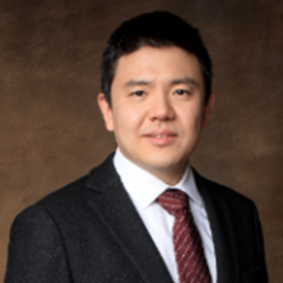
Professor Bo Dai