Highlights from the 15th Shanghai Urologic Oncology Academic Conference
Editor’s Note: The 15th Shanghai Urologic Oncology Academic Conference was grandly held in Pudong, Shanghai, bringing together leading experts in urologic oncology from China and abroad. The meeting focused on bladder-sparing strategies for non–muscle-invasive bladder cancer (NMIBC), advances in novel intravesical agents, and the latest developments in immunotherapy. At the conference, Professor Xiaolin Lu from Fudan University Shanghai Cancer Center delivered a dedicated presentation from the perspective of intravesical therapy, systematically outlining the challenges in NMIBC management. He highlighted groundbreaking clinical trial results from the Fudan Cancer Center team on novel intravesical agents—particularly interleukin-15 (IL-15) and its fusion proteins, modified chemotherapeutic formulations, and oncolytic viruses—painting a new blueprint for the future treatment of NMIBC.Therapeutic Challenges in NMIBC and the Irreplaceable Role of BCG
The primary goals of NMIBC treatment are bladder preservation, reduction of recurrence, and prevention of disease progression. At present, intravesical bacillus Calmette–Guérin (BCG) therapy—by inducing local inflammation and immune activation to eradicate tumor cells—remains the cornerstone treatment for high-risk NMIBC, with an irreplaceable role in clinical practice.
However, Professor Lu pointed out that despite its proven efficacy, BCG therapy still leaves substantial unmet clinical needs. One major challenge lies in patients with BCG-unresponsive disease. Although the definition of BCG unresponsiveness is stringent—requiring adequate induction and maintenance therapy followed by early recurrence—this strict definition itself underscores the high efficacy of BCG. Nevertheless, for patients who do fail BCG, there remains a lack of approved novel therapies in China.
Another critical issue is the large population of patients who are either unable to access BCG or cannot tolerate it, representing a significant therapeutic gap that urgently needs to be addressed.
Earlier Use of Systemic Immunotherapy and ADCs: Opportunities and Clinical Challenges
With immune checkpoint inhibitors (ICIs) and antibody–drug conjugates (ADCs) demonstrating meaningful efficacy in later-line settings, moving systemic therapies earlier into the perioperative management of NMIBC has become an international research trend. Data presented at multiple conferences this year suggest that combining systemic therapy with BCG can indeed enhance clinical outcomes.
For example, the KEYNOTE-676 trial evaluated a PD-1 inhibitor in combination with BCG and successfully prolonged event-free survival (EFS). In the CORE-001 study, the addition of pembrolizumab to an oncolytic virus backbone achieved encouraging duration of response (DOR) and complete response (CR) rates. Domestic research teams, including those from Tianjin Second Hospital, have also explored systemic chemotherapy and RC48, with promising preliminary results.
At the same time, Professor Lu emphasized the complexity and challenges inherent in combination strategies. He cited the ALBAN study reported at this year’s European Society for Medical Oncology (ESMO) Congress, in which the addition of the PD-L1 inhibitor atezolizumab to BCG failed to demonstrate an EFS benefit. In contrast, the POTOMAC study showed a significant EFS improvement with PD-1 inhibition combined with BCG.
Professor Lu commented:
“When systemic therapy is added on top of BCG, outcomes still largely depend on the extent of BCG maintenance therapy. Because event rates in EFS analyses are low, it is difficult to demonstrate clear differences between treatment arms.”
These findings raise important clinical questions: How long should systemic therapy be continued? How can clinicians balance efficacy against adverse events? Such complexities have prompted renewed attention toward optimizing local intravesical treatment strategies.
Global Exploration of Novel Intravesical Agents and Innovative Practice at Fudan Cancer Center
Given the challenges of systemic combination therapy, improving and innovating intravesical agents has become a key breakthrough direction in NMIBC research. Multiple centers worldwide, including teams in China, are actively exploring novel intravesical approaches.
Global Frontiers in Intravesical Therapy
Emerging intravesical agents under investigation include the RIG-I agonist EG-70, the modified streptococcal preparation Tara-002, as well as photodynamic therapy, gene therapy, tumor vaccines, and small RNA–based therapies such as Rec-01. Many of these strategies have demonstrated promising early-phase results.
IL-15–Based Innovations at Fudan Cancer Center
The team at Fudan University Shanghai Cancer Center has focused extensively on the development and clinical translation of interleukin-15 (IL-15)–based therapies.
Modified IL-15 Agent FL115: FL115 was developed as an optimized alternative to the international agent N-803. By modifying the Fc domain, FL115 achieves higher interferon release while reducing interleukin-6 (IL-6) levels, theoretically enhancing efficacy while lowering immune-related toxicity. In early studies, three patients in the FL115 monotherapy group achieved durable recurrence-free survival. In combination with BCG, only one recurrence was observed among 18 treated patients, demonstrating encouraging clinical potential.
IL-15/PD-1 and IL-15/PD-L1 Fusion Proteins: Based on mechanistic synergy, the team explored fusion proteins combining IL-15 with PD-1 inhibitors. These agents showed particular advantages in patients who were intolerant to BCG or received limited instillations, with EFS rates reaching up to 75%. In addition, IL-15/PD-L1 fusion proteins reported at the SIU meeting demonstrated high complete response rates and 12-month disease-free survival (DFS) rates in patients with carcinoma in situ (CIS), highlighting strong translational promise.
Breakthroughs Beyond Immunotherapy: Novel Chemotherapy and Oncolytic Viruses
In addition to immune-based agents, the Fudan team has also made innovative advances in traditional chemotherapy and oncolytic virus platforms:
Modified Docetaxel BH011: BH011 enhances the free docetaxel fraction in solution through chemical modification, resulting in more durable and effective tumor responses. Preliminary data presented at the ASCO Genitourinary Cancers Symposium showed high CR rates and prolonged DOR in patients with CIS. Importantly, BH011 demonstrated excellent tolerability, with patients able to retain the drug intravesically for over two hours without severe cystitis.
Oncolytic Virus T3011: T3011 is a domestically developed oncolytic virus targeting IL-12 and PD-1, based on a herpesvirus vector. Early-phase studies have shown strong efficacy, with high CIS response rates and durable remissions.
The “Immune Ablation” Concept: Exploring New Combination Targets
For patients in whom complete transurethral resection of bladder tumors is not feasible, the concept of “chemoablation” has been introduced internationally. Professor Lu’s team is now exploring an “immune ablation” strategy—using intravesical immunotherapy to achieve local tumor eradication.
Currently, the team is investigating intravesical IL-15 combined with CD40 agonists. CD40, a prominent immunotherapy target, activates T-cell immunity, induces innate immune responses, and can directly mediate tumor cell killing. Prior international studies of CD40 monotherapy have already demonstrated clinical activity.
Professor Lu reported that among the first seven enrolled patients, the complete response rate within the first three months exceeded 80%, sending a strong positive signal. This approach aims to provide a novel local immune clearance strategy for patients whose tumors cannot be completely resected endoscopically.
Expert Perspective and Clinical Outlook
In his concluding remarks, Professor Lu emphasized that there remains substantial room for improvement in intravesical therapy for NMIBC. While surpassing traditional BCG therapy is no easy task, the limitations of BCG create an urgent demand for innovative alternatives.
“We must continue to explore ways to improve intravesical treatment strategies,” Professor Lu stated. “I believe that novel agents—whether modified IL-15, IL-15 fusion proteins, improved chemotherapeutic formulations, or oncolytic viruses—will bring new hope to the future management of NMIBC.”
These innovations are designed not only to enhance efficacy, but more importantly to address the unmet needs of patients who are BCG-unresponsive, BCG-ineligible, or BCG-intolerant.
The multi-pronged progress achieved by the Fudan Cancer Center team in novel intravesical therapies highlights the growing contribution of Chinese investigators to the global field of urologic oncology immunotherapy. These advances hold strong potential for translation into optimized clinical practice, allowing patients worldwide to benefit from Chinese innovation and solutions.
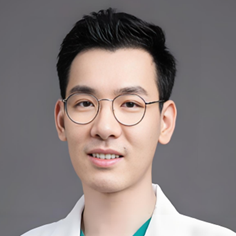
Professor Xiaolin Lu