Editor's Note: Breast cancer is the most commonly diagnosed malignancy among women worldwide. With continued advances in systemic treatment and surgical techniques, patient survival has improved significantly, making postoperative quality of life and the restoration of physical and psychological well-being increasingly important components of comprehensive breast cancer care. Breast reconstruction is not only a concentrated expression of surgical expertise but also an important means of helping patients return to normal life, making it an integral part of breast cancer prevention and treatment.Every October, Breast Cancer Awareness Month, symbolized by the pink ribbon, provides a valuable opportunity for society to promote awareness, disseminate prevention and treatment knowledge, and show support for patients. During this important period of public attention to breast health, the 18th Shanghai Breast Reconstruction Conference was held in Shanghai from October 14 to 15, 2026. Jointly organized by the Shanghai Anti-Cancer Association and the Shanghai Foundation for Cancer Prevention and Treatment, guided by the Breast Cancer Integrated Committee of the Chinese Anti-Cancer Association, and hosted by Fudan University Shanghai Cancer Center, the conference was themed “Medicine Without Borders: Global Insights, Advancing Clinical Practice.” It brought together leading breast and plastic surgeons from numerous countries and regions worldwide. The event served not only as an important platform for showcasing progress in breast reconstruction in China but also as an opportunity to connect international academic expertise and promote the optimization of clinical practice.
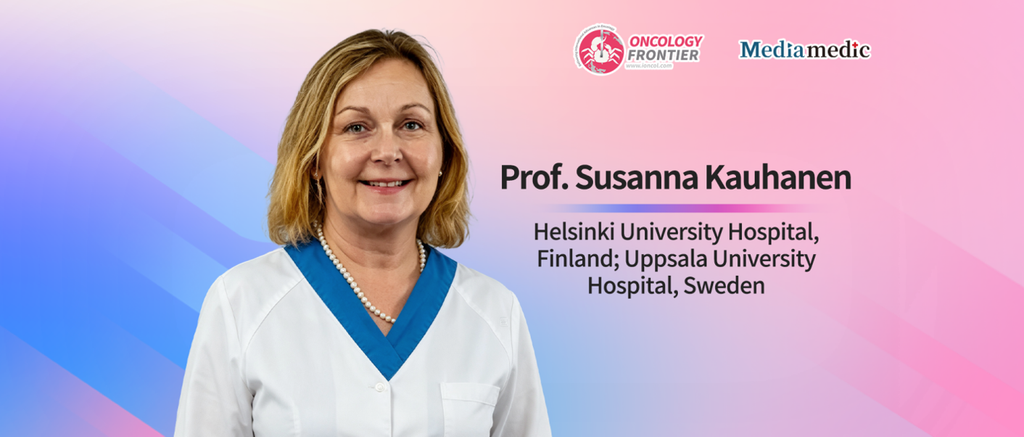
During the conference, Oncology Frontier interviewed Professor Susanna Kauhanen from Helsinki University Hospital and Uppsala University Hospital, Finland. From Finland’s tradition of nationwide public engagement in breast cancer initiatives to the development and clinical philosophy of breast reconstruction in the Nordic countries, her insights offered valuable cross-regional experience and inspiration for Chinese colleagues.
01
Oncology Frontier:
October is Global Breast Cancer Awareness Month. Could you introduce some of Finland’s distinctive public welfare initiatives related to breast cancer prevention and treatment?
Professor Susanna Kauhanen: The pink ribbon is an iconic symbol of charitable fundraising for breast cancer patients and an important vehicle for raising public awareness of breast cancer prevention and treatment. In Finland, breast cancer awareness activities are particularly prominent every October, with high levels of participation across society. Shops launch a wide range of pink-themed charity products, and members of the public widely wear pink ribbons to show their support for breast cancer research through tangible actions.
02
Oncology Frontier:
This is your first visit to Shanghai, China, to attend the Shanghai Breast Reconstruction Conference. What are your impressions of the conference?
Professor Susanna Kauhanen: The Shanghai Breast Reconstruction Conference was impressive in scale, meticulously organized, and featured an academic program that was both forward-looking and pioneering. Throughout the event, a patient-centered, humanistic philosophy remained at its core, with all participating colleagues focused on improving patient outcomes and the benefits of diagnosis and treatment.
I particularly appreciated the organizational and collaborative model of Professor Wu Hao’s team at Fudan University Shanghai Cancer Center, whose members worked closely together and supported one another. Through my interactions with Chinese colleagues, I experienced an academic atmosphere characterized by unity, mutual support, and collective progress. There was a strong willingness to collaborate and advance the field together. This open and harmonious academic environment left a very positive impression on me.
03
Oncology Frontier:
Could you introduce the development of breast reconstruction in Finland, its healthcare and treatment system, and the important practical experience accumulated through long-term clinical practice?
Professor Susanna Kauhanen: Finland was among the earliest countries in the world to develop breast reconstruction and has long maintained a clinical tradition centered on autologous tissue reconstruction, prioritizing the use of patients’ own tissue to reconstruct the breast. This tradition is primarily based on two considerations.
First, early studies in the 1980s demonstrated the limitations of implant-based breast reconstruction in terms of long-term outcomes. This is particularly relevant for patients who receive postoperative radiotherapy, for whom implant reconstruction is associated with a higher risk of long-term complications and less favorable overall outcomes.
Second, the cultural and aesthetic preferences in Finland and the Nordic region favor a breast appearance that closely resembles natural physiological anatomy. Autologous tissue reconstruction is an ideal approach to achieving this result.
I have been practicing plastic surgery for more than 20 years and have witnessed the evolution and continuity of aesthetic concepts in Nordic breast reconstruction. For many years, women in Scandinavia have generally prioritized achieving a natural breast shape that closely resembles the physiological form. In recent years, influenced by aesthetic trends promoted through social media, some women have begun to prefer fuller breast contours, reflecting increasingly diverse aesthetic preferences. Nevertheless, a natural appearance remains the preferred choice for the vast majority of patients.
04
Oncology Frontier:
What distinctive reconstruction philosophies and clinical practice models characterize breast reconstruction in Finland? How did these approaches develop, and what impact have they had on clinical practice?
Professor Susanna Kauhanen: Breast reconstruction in Finland places particular emphasis on the long-term durability of outcomes. The aim is to achieve a stable result through a single reconstructive procedure that can last a lifetime, while minimizing the likelihood of subsequent revisions and secondary surgeries.
This philosophy has developed in close connection with the characteristics of Finland’s public healthcare system. The Finnish public healthcare system is tax-funded and provides coverage for all citizens. Although healthcare resources are guaranteed, they are not unlimited. Clinical decisions must therefore balance treatment efficacy with health economic considerations.
In breast reconstruction, implants can serve as an interim solution, but they are not considered a permanent one. For patients who are suitable candidates for autologous tissue reconstruction, this approach remains the preferred clinical option.
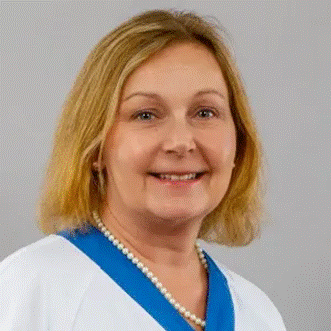
Professor Susanna Kauhanen