
Recently, the Beijing Academic Exchange Conference for Young Physicians in Urologic Oncology was successfully held in Beijing. The conference brought together leading experts and young scholars in the field of urologic oncology, aiming to establish a high-level academic exchange platform and to jointly explore frontier topics and unresolved challenges in the diagnosis and treatment of urologic malignancies.During the meeting, authoritative experts delivered in-depth analyses of perioperative treatment strategies for renal cell carcinoma (RCC). Based on the keynote presentation by Jiwei Huang from Renji Hospital, Shanghai Jiao Tong University School of Medicine, this article systematically reviews the clinical challenges, optimization of study design, and future development directions of neoadjuvant therapy in RCC, with the goal of providing reference for clinicians and researchers.
Current Status and Clinical Scenarios of Neoadjuvant Therapy in Renal Cell Carcinoma
Within the comprehensive treatment landscape of urologic malignancies, neoadjuvant therapy has already established an important role in improving outcomes in cancers such as bladder cancer. In contrast, its exploration in renal cell carcinoma has been fraught with challenges and setbacks.
Professor Huang first clarified three core clinical scenarios for neoadjuvant therapy in RCC:
- Unresectable or technically challenging tumors, where neoadjuvant therapy aims to reduce surgical difficulty and minimize intraoperative morbidity;
- Organ-preservation–challenging cases, such as complex nephron-sparing surgery, with the goal of tumor downsizing to improve margin control and increase the success rate of kidney preservation;
- The most fundamental objective, namely determining whether neoadjuvant therapy can improve long-term survival outcomes.
However, current data remain discouraging. Professor Huang noted that the objective response rate (ORR) of single-agent targeted therapy (TKI) typically hovers around 30%, with only a subset of patients deriving benefit. In the immunotherapy era, single-agent immune checkpoint inhibitors (IO) show even lower efficacy in the neoadjuvant setting, with ORRs of only 10%–15%.
Even combination strategies have encountered difficulties. For example, a phase III trial investigating neoadjuvant, surgical, and adjuvant nivolumab was terminated early due to unsatisfactory interim results. As a result of the lack of robust evidence, neoadjuvant therapy remains only a footnote in the 2026 NCCN Guidelines, rather than a standard recommendation. This underscores the urgent need for high-quality clinical studies to address key unanswered questions in RCC neoadjuvant treatment.
Core Challenges in Clinical Trial Design and Endpoint Selection
The difficulty in advancing neoadjuvant therapy for RCC largely stems from challenges in clinical trial design. Professor Huang provided a detailed analysis of the key pain points:
First, there is a lack of “gold-standard” phase III trials and widely accepted surrogate endpoints. Unlike bladder cancer, where pathological complete response (pCR) is commonly used, RCC trials rarely adopt pathological response as a primary endpoint. Most studies continue to rely on surgical outcomes (e.g., nephron-sparing success, conversion rates) or ORR. Whether improvements in ORR translate into gains in overall survival (OS) or progression-free survival (PFS) remains unproven.
Second, high patient heterogeneity complicates interpretation. Variations in inferior vena cava (IVC) tumor thrombus status, lymph node involvement, and pathological subtypes result in substantial differences in tumor biology and treatment response.
To address these challenges, Professor Huang proposed several strategies to optimize study design. He suggested shifting endpoints from purely radiographic assessment toward pathological evaluation. Drawing on experience from other solid tumors, incorporating pCR or major pathological response (MPR) may provide stronger predictive value than ORR alone.
In addition, surgical endpoints, such as reductions in RENAL score (renal tumor anatomy scoring system) or downstaging of tumor thrombus, should be considered important measures of surgical benefit. Exploratory endpoints—including molecular biomarkers (e.g., KIM-1), changes in the immune microenvironment, and circulating tumor DNA (ctDNA)—also warrant attention. Although ctDNA detection rates in RCC remain limited, its potential role in monitoring minimal residual disease is considerable.
Innovative Assessment Frameworks and Multidimensional Efficacy Validation
To overcome the limitations of conventional assessment standards, Professor Huang emphasized the importance of establishing a comprehensive evaluation system. The current gold standard, RECIST, faces challenges in the immunotherapy era, particularly due to phenomena such as pseudoprogression.
For example, patients classified as having stable disease (SD) radiographically may demonstrate ≥90% tumor necrosis pathologically, corresponding to an MPR state. This discordance between imaging and pathology can delay optimal clinical decision-making.
Therefore, integrating multiple assessment dimensions is essential. Professor Huang advocated for:
- Incorporating functional imaging techniques, such as CT texture analysis or functional MRI, alongside immune-specific criteria like iRECIST;
- Promoting standardized definitions of pathological response, which are not yet routinely applied in domestic clinical practice;
- Utilizing liquid biopsy approaches (e.g., KIM-1 assays, methylation testing) as MRD-like molecular indicators of treatment response.
By triangulating evidence from imaging, pathology, and liquid biopsy, clinicians may achieve earlier and more accurate assessment of therapeutic efficacy and better determine optimal surgical timing.
Frontier Explorations: From Targeted–Immunotherapy Combinations to Precision Umbrella Trials
Professor Huang reviewed several representative neoadjuvant studies from China and abroad, illustrating current progress and future directions.
1. Discrepancies Between Pathological and Imaging Responses in Targeted–Immunotherapy Combinations
The NeoAvax study, which evaluated neoadjuvant targeted–immunotherapy combinations in localized RCC, set a primary endpoint of radiographic partial response (PR) ≥25%. However, in small-sample studies, pathological response data often provide more sensitive signals of efficacy than imaging alone. Professor Huang emphasized that elevating pathological assessment to a secondary or even primary endpoint—combined with advanced molecular analyses such as spatial profiling and RNA sequencing—is critical to improving study quality.
2. Nephron Preservation and Surgical Complexity Reduction
In nephron-sparing–oriented studies, although tumor shrinkage with single-agent targeted therapy is limited, some patients still achieve surgical conversion. Professor Huang’s center has conducted targeted–immunotherapy combination studies using ORR as the primary endpoint while innovatively incorporating functional MRI as a companion diagnostic tool. These studies emphasize biomarker exploration alongside tumor response, aiming to enhance translational research impact.
3. Addressing Highly Complex Cases
For RCC with IVC tumor thrombus, a particularly challenging subgroup, studies from the Chinese PLA General Hospital (301 Hospital) have focused on ORR and multi-omics analyses. Internationally, trials of pembrolizumab combined with axitinib in RCC with IVC thrombus have adopted thrombus downstaging rate as the primary endpoint, highlighting tailored endpoint design for specific clinical scenarios.
4. Direct Evaluation of Survival Benefit
A phase II randomized controlled trial led by Sun Yat-sen University Cancer Center plans to enroll 300 patients, using survival outcomes as the primary endpoint. Professor Huang described this study as “highly ambitious,” noting that its success would provide strong survival-level evidence for neoadjuvant therapy in RCC.
Future Outlook: Toward Precision Medicine and Dynamic Monitoring
Looking ahead, Professor Huang outlined a precision-centered roadmap for neoadjuvant therapy in RCC. He anticipates a shift toward umbrella trial designs, in which pre-treatment biopsies are used to generate organoid or primary cell testing (PCT) models for drug sensitivity screening, enabling molecularly guided therapy selection.
During treatment, dynamic monitoring with biomarkers such as KIM-1 and methylation markers—supported by artificial intelligence (AI)–assisted models—may further refine patient selection and response evaluation. This integrated strategy combining clinical features, molecular biomarkers, longitudinal monitoring, and AI support has the potential to markedly improve the precision and efficacy of neoadjuvant therapy.
Professor Huang concluded that although neoadjuvant therapy for RCC currently faces significant challenges, advances in translational research design, optimized efficacy evaluation, and precision treatment strategies may ultimately break through existing barriers. Continued exploration in this field not only reflects the innovative spirit of Chinese urologic oncologists in managing complex tumors, but also contributes valuable insights to the global optimization of RCC treatment paradigms.
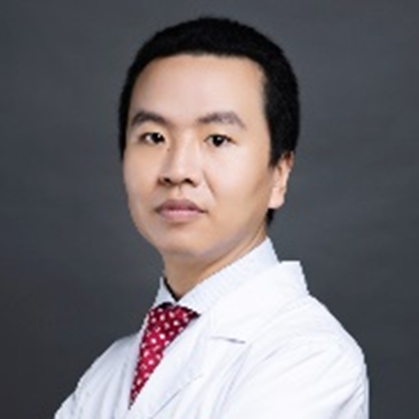
Professor Jiwei Huang