Microbiota Modulation: A New Pillar in aGVHD Treatment
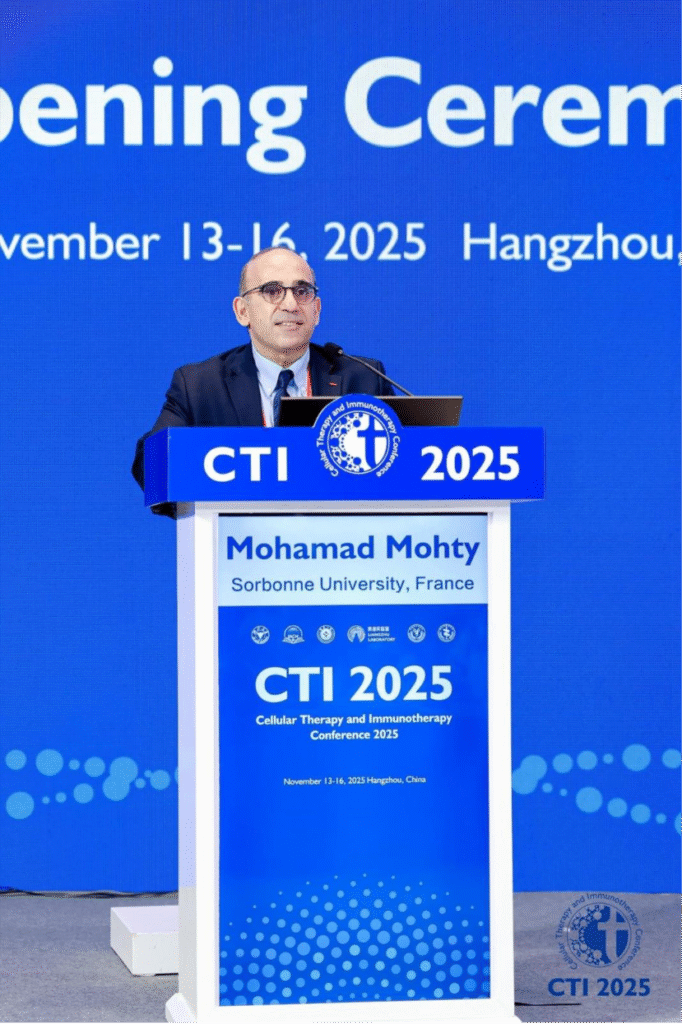
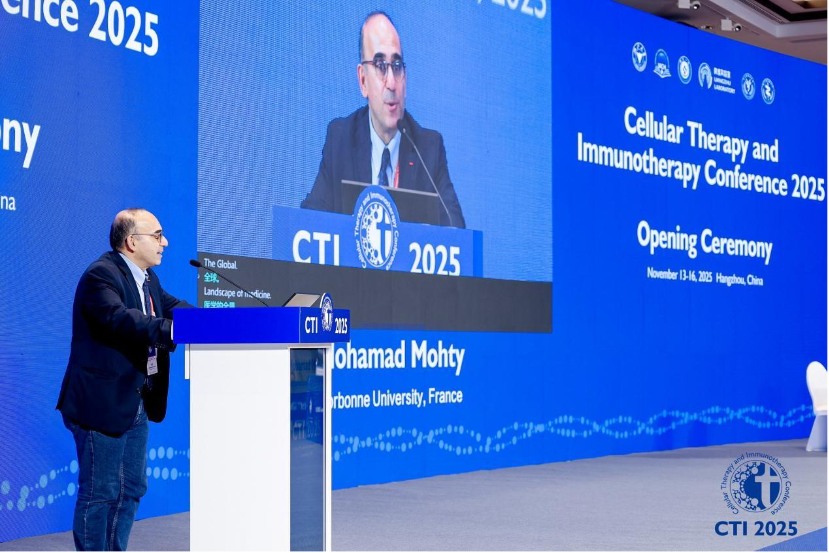
Professor Mohamad Mohty
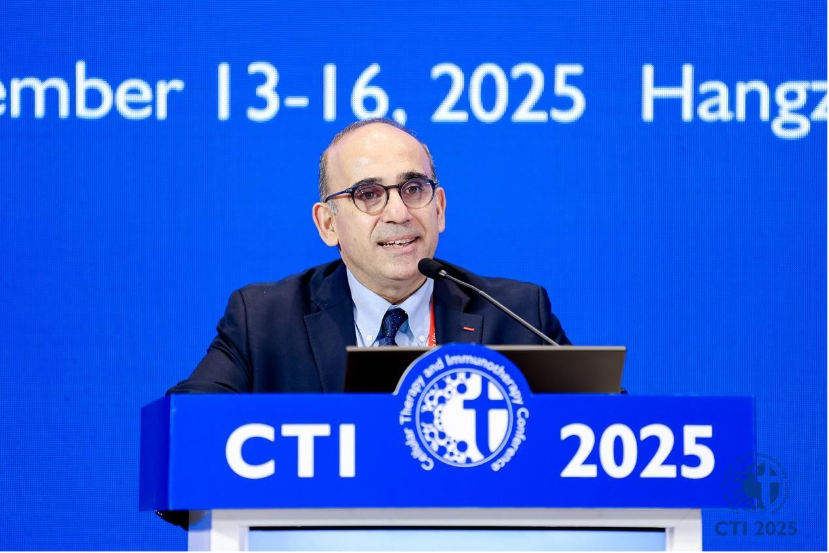
Professor Mohamad Mohty, Head of the Hematology and Cellular Therapy Department at Saint-Antoine Hospital and Sorbonne University, Paris, discusses a paradigm shift in managing acute graft-versus-host disease (aGVHD).He highlights the critical role of gut microbiota dysbiosis in the pathogenesis of aGVHD following allogeneic hematopoietic stem cell transplantation and elaborates on the therapeutic potential of microbiota modulation.
Dr. Mohty explains that a low diversity of gut microbiota, or dysbiosis, is a significant factor in the development of aGVHD and is correlated with increased risks of relapse and mortality.Historically, treatment has focused on escalating immunosuppression. However, a novel approach aims to restore homeostasis by modulating the patient’s microbiome. This strategy involves using fecal microbiota transplantation (FMT) to reintroduce a diverse and healthy bacterial ecosystem.
A key innovation in this field is MaaT013, a pooled-donor, full-ecosystem microbiome therapy.Clinical data has demonstrated its potential in managing severe, treatment-resistant aGVHD. A European early access program for patients with steroid- and ruxolitinib-refractory aGVHD showed that MaaT013 administration led to a gastrointestinal overall response rate of over 50%.The Phase 2 Heracles study also showed promising efficacy and a good safety profile in these heavily pre-treated patients.
Looking ahead, Dr. Mohty envisions that targeted microbiota intervention will become a cornerstone of hematology. Beyond controlling aGVHD, restoring microbial diversity may reduce infection rates and enhance the graft-versus-leukemia effect. He suggests this approach will likely be integrated with other advanced treatments, such as CAR-T cells and bispecific antibodies, positioning microbiota modulation as a new pillar in the comprehensive care of patients with hematologic malignancies.