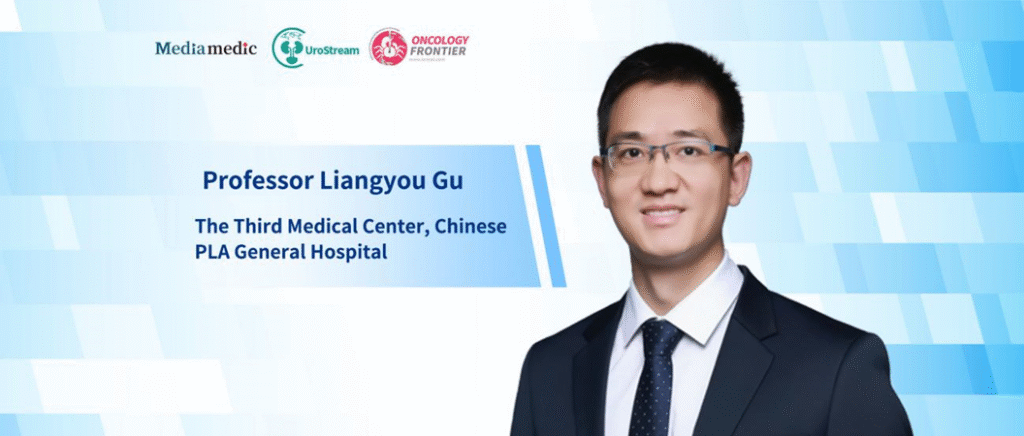
Recently, the Beijing Academic Exchange Conference for Young Physicians in Urologic Oncology was successfully held in Beijing. The conference brought together the emerging backbone of China’s urologic oncology community, aiming to promote standardized and innovative development in the diagnosis and treatment of urologic malignancies through cutting-edge academic discussion and clinical experience sharing.At the meeting, Liangyou Gu, Professor from the Chinese PLA General Hospital, delivered a keynote lecture entitled “Reflections Triggered by Evidence on Whole-Course Immunotherapy in Urothelial Carcinoma (UC)”. Integrating the latest epidemiological data and clinical trial results, he systematically reviewed the evolving immunotherapy landscape of UC—from neoadjuvant and adjuvant settings to first-line treatment in advanced disease—and offered original insights into future optimization strategies. This article is organized based on Professor Gu’s presentation for the benefit of readers.
Epidemiology and the Evolution of the Treatment Landscape
At the outset of his talk, Professor Gu provided a macroscopic overview of the epidemiology of bladder cancer. As one of the most common urologic malignancies, bladder cancer ranks second among urologic cancers in incidence in China, and ninth worldwide. Although population-level data suggest an overall 5-year overall survival (OS) rate of 78.4%, this figure masks profound stage-dependent disparities—prognosis declines precipitously with advancing stage, a pattern that has remained unchanged for decades.
Before the advent of antibody–drug conjugates (ADCs) and immune checkpoint inhibitors (ICIs), chemotherapy constituted the cornerstone of bladder cancer treatment. Whether in the neoadjuvant or adjuvant setting, chemotherapy offered limited survival benefit. For patients with advanced urothelial carcinoma, it was once widely believed that survival beyond 18–24 months was exceedingly rare.
The emergence of PD-1/PD-L1 inhibitors and ADCs has completely overturned this stagnation, ushering UC into an era characterized by precision therapy and prolonged survival.
Professor Gu emphasized that bladder cancer is intrinsically a highly immunogenic tumor, making it particularly suitable for immunotherapeutic intervention. This biological feature not only underpins the current success of PD-1/PD-L1 inhibitors but also opens avenues for future exploration of novel approaches, including cell-based therapies.
Adjuvant Therapy: Precision Selection and the Dilemma of Drug Choice
In the adjuvant setting, Professor Gu conducted an in-depth comparison of several pivotal phase III trials, highlighting both progress and controversy in immunotherapy.
He noted that despite numerous adjuvant studies, not all trials have been successful. For example, the IMvigor010 trial yielded negative results. Subsequent analyses suggested that patients with circulating tumor DNA (ctDNA) positivity might benefit, prompting the ongoing IMvigor011 trial, which attempts to enrich benefit by early selection of this subgroup. However, this strategy raises critical questions: can such highly refined screening be implemented in a cost-effective and scalable manner in real-world clinical practice? At present, substantial barriers remain.
In contrast, CheckMate 274 stands out as the most compelling success in this field. The study demonstrated consistent benefit of nivolumab across disease-free survival (DFS), overall survival (OS), and multiple secondary endpoints, providing the strongest available evidence to date. Another high-profile study, AMBASSADOR (pembrolizumab), showed early promise but ultimately failed to translate into a significant OS benefit.
To explain discrepancies across trials, Professor Gu analyzed three key dimensions:
- Drug-related differences While there is no definitive consensus that PD-1 inhibitors are superior to PD-L1 inhibitors, existing data suggest that PD-1 inhibitors may confer slightly greater efficacy without added toxicity, potentially related to pharmacologic factors such as receptor occupancy and target engagement duration.
- Population heterogeneity In CheckMate 274, a specific high-risk subgroup accounted for 22.7% of enrolled patients—substantially higher than in other studies—introducing meaningful differences in patient composition that likely influenced outcomes.
- Study design rigor CheckMate 274 employed a double-blind, placebo-controlled design, conferring a higher level of evidence compared with open-label or observational comparator designs, which are more susceptible to bias.
Regarding biomarkers, Professor Gu underscored that PD-L1 expression, while informative, is not an absolute gold standard. ctDNA, by contrast, shows a strong correlation between clearance and treatment efficacy. If detection costs can be reduced, ctDNA may emerge as a powerful tool for risk stratification and patient selection in the future.
Neoadjuvant and Perioperative Therapy: Confusion and Exploration of the “Sandwich” Strategy
In discussing neoadjuvant therapy, Professor Gu focused on perioperative “whole-course” strategies exemplified by the IMvigor trial series. These designs incorporate both preoperative and postoperative interventions—the so-called “sandwich” approach. Although some studies have reported positive outcomes, interpretation remains challenging.
A fundamental question persists: Is the benefit driven by neoadjuvant therapy, adjuvant therapy, or their combined effect?
Professor Gu noted that such confounded designs face intense scrutiny from regulatory agencies such as the FDA. Regulators increasingly recommend multi-arm trials to disentangle the contributions of different treatment phases. However, in urologic oncology—a field with comparatively limited investment—multi-arm designs demand far greater sample sizes and financial resources, raising concerns about real-world feasibility.
At the same time, the strong performance of ADC–immunotherapy combinations in first-line advanced disease prompts another dilemma: should these potent regimens be moved earlier into the neoadjuvant setting? And if so, how should postoperative adjuvant therapy be selected thereafter? These “pleasant dilemmas” reflect the rapidly evolving therapeutic landscape.
First-Line Treatment in Advanced Disease: Chemotherapy Plus Immunotherapy as a Survival Breakthrough
Although ADC plus immunotherapy (e.g., EV + pembrolizumab) currently commands significant attention, Professor Gu cautioned against overlooking the enduring value of chemotherapy–immunotherapy combinations in first-line advanced UC.
Among numerous trials in this domain, CheckMate 901 stands out as the only study to achieve dual positive endpoints in both PFS and OS.
Professor Gu explained that in advanced UC—where prognosis is extremely poor—only about 30% of PFS benefit typically translates into OS benefit, leaving a large efficacy gap. CheckMate 901 succeeded due to meticulous statistical design, including appropriate alpha allocation, and judicious selection of chemotherapy backbone. Importantly, cisplatin-based chemotherapy combined with immunotherapy proved significantly superior to carboplatin-based regimens, reflecting deeper immunologic synergy.
Of particular note was the identification of a highly responsive subgroup: patients with lymph-node–only metastases. In this population, chemo-immunotherapy markedly increased complete response (CR) rates, achieving two- to threefold improvements compared with standard platinum chemotherapy. Professor Gu emphasized that these patients represent a priority population for chemo-immunotherapy in clinical practice.
Bladder Preservation and Future Directions: From Single Agents to Strategic Sequencing
As therapeutic efficacy improves, patients increasingly prioritize quality of life, making bladder preservation a key topic. Professor Gu noted that the high pathologic complete response (pCR) rates achieved with potent combinations such as EV + pembrolizumab provide a strong foundation for bladder-sparing strategies.
However, critical questions remain unanswered: How should maintenance therapy be delivered after bladder preservation? How should recurrence be managed, and what rescue strategies should be deployed in later lines?
In closing, Professor Gu summarized that the treatment paradigm for urothelial carcinoma is undergoing profound transformation. From neoadjuvant and adjuvant therapy to first-line and subsequent treatment in advanced disease, agents such as nivolumab now provide robust evidence across multiple stages.
Yet, as therapeutic options proliferate, clinical decision-making becomes increasingly complex.
“Our greatest challenge today is how to strategically deploy our growing arsenal,” Professor Gu concluded.
The future task lies in integrating patient-specific factors and rationally sequencing ADCs, immunotherapy, chemotherapy, and targeted agents to maximize patient benefit. Achieving this goal will require not only further clinical research, but also the clinical wisdom and judgment of every treating physician.
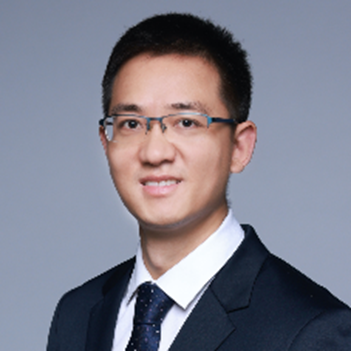
Professor Liangyou Gu