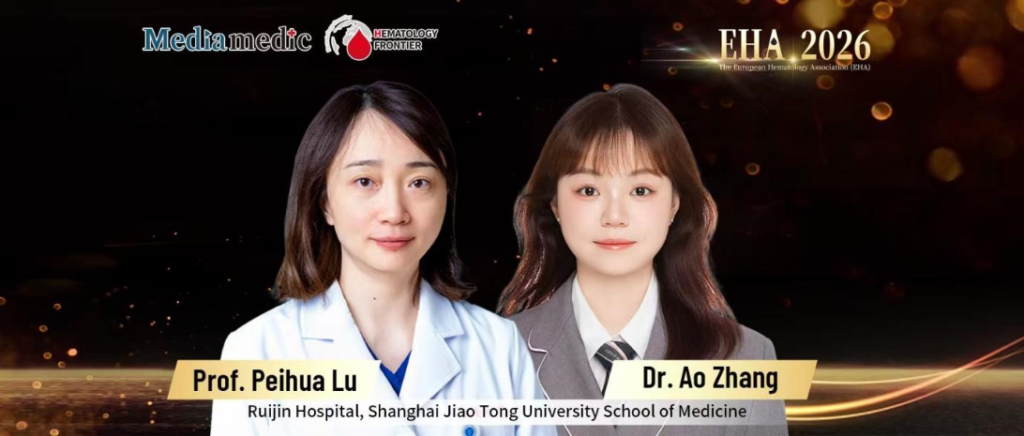
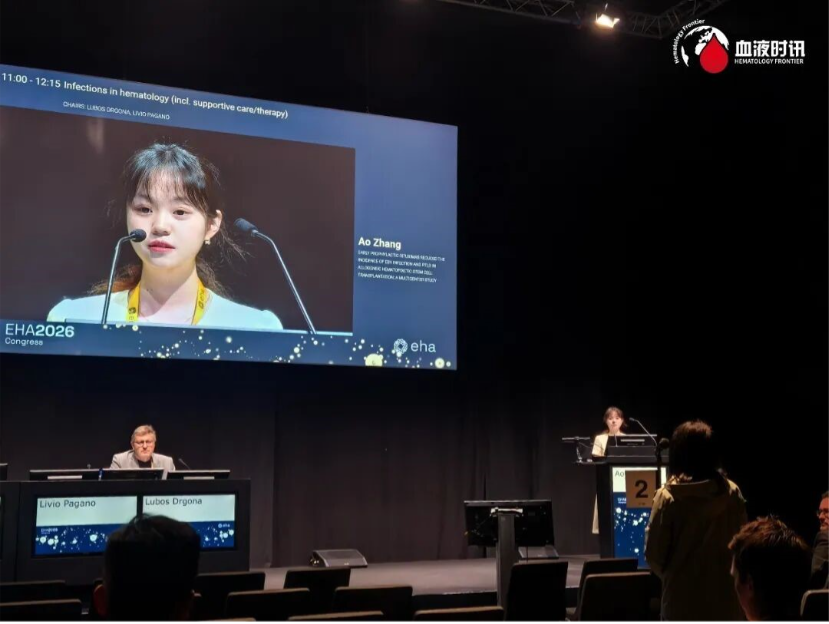
Editor's Note: At the 2026 European Hematology Association (EHA) Congress, a multicenter study led by Professor Hu Xiaoxia's team from Ruijin Hospital, Shanghai Jiao Tong University School of Medicine, was selected for an oral presentation and received the Young EHA Best Abstract Award. Addressing the longstanding challenge of Epstein–Barr virus (EBV) management following antithymocyte globulin (ATG)-based allogeneic hematopoietic cell transplantation (allo-HCT), the investigators proposed an innovative strategy of early prophylactic rituximab. The study demonstrated that this approach significantly reduced the incidence of EBV infection and post-transplant lymphoproliferative disorder (PTLD) without compromising long-term immune reconstitution, representing a fundamental shift from reactive management to proactive prevention. During the congress, Hematology Frontier interviewed first author Dr. Zhang Ao to discuss the clinical rationale, mechanisms underlying the multiple clinical benefits, and future directions for optimizing this strategy. Hematology Frontier: During your oral presentation at this year’s EHA Congress, you reported the results of early prophylactic rituximab in patients undergoing ATG-based allogeneic hematopoietic cell transplantation. Could you explain the clinical rationale behind this strategy? Compared with the traditional preemptive treatment approach, what is the key innovation?
Dr. Zhang Ao:
Management of Epstein–Barr virus (EBV) remains a major clinical challenge following antithymocyte globulin (ATG)-based allogeneic hematopoietic cell transplantation.
Traditionally, clinical practice has relied on a preemptive treatment strategy, with regular monitoring of EBV-DNA levels followed by rituximab administration once viral load increases. While this approach has demonstrated clinical efficacy, it remains fundamentally reactive. By the time viral DNA becomes detectable at clinically significant levels, viral replication has often already progressed substantially.
This is particularly problematic for high-risk patients, including those undergoing haploidentical transplantation or transplantation from alternative donors, where delayed T-cell immune reconstitution creates an early post-transplant immunologic window during which EBV can rapidly proliferate, potentially progressing to life-threatening post-transplant lymphoproliferative disorder (PTLD).
To address this unmet need, we shifted the preventive strategy earlier. Instead of waiting for viral expansion, we administered prophylactic rituximab before significant viral replication occurred, eliminating EBV-harboring B cells at their source and thereby preventing both EBV infection and PTLD.
Our clinical data strongly validated this strategy. Following prophylactic intervention, the 180-day cumulative incidence of EBV infection decreased dramatically from 37.87% to 4.58%, while the incidence of PTLD fell from 4.52% to 0.93%.
These findings not only demonstrate the effectiveness of prophylactic treatment but also represent a fundamental paradigm shift in EBV management—from reactive control to proactive prevention.
Hematology Frontier: Your study demonstrated that this strategy significantly reduced EBV reactivation, PTLD, early acute GVHD, and infection-related mortality, while preserving long-term survival and T-cell immune reconstitution. How do you explain these multiple clinical benefits without compromising immune recovery?
Dr. Zhang Ao:
The ability to achieve multiple clinical benefits without impairing immune reconstitution is largely attributable to the highly specific mechanism of rituximab.
Rituximab selectively targets CD20-positive B cells, which serve as the primary reservoir for latent EBV. By eliminating these cells, the treatment effectively reduces the viral reservoir and lowers the risk of both EBV infection and PTLD.
Importantly, rituximab does not directly affect T cells or natural killer (NK) cells, meaning that cellular immunity is largely preserved. Our study confirmed this expectation. Although delayed B-cell recovery occurred, as anticipated, CD4-positive T cells, CD8-positive T cells, and NK cells all recovered to baseline levels during long-term follow-up, indicating that durable immune reconstitution was not significantly compromised.
Furthermore, neither acute nor chronic graft-versus-host disease (GVHD) increased, and there was no overall worsening of infectious complications, confirming the favorable safety profile of this approach.
In summary, the strategy achieves a substantial reduction in EBV infection and PTLD by accepting the expected, transient suppression of B cells, while avoiding irreversible long-term impairment of immune function. This balance represents its greatest clinical advantage.
Hematology Frontier: From a clinical perspective, do you believe this strategy could change current approaches to EBV prevention and management? In which transplant populations—such as haploidentical transplantation or patients at particularly high EBV risk—do you see the greatest clinical value, and how might the strategy be further optimized?
Dr. Zhang Ao:
From a clinical standpoint, this strategy has the potential to reshape EBV management following ATG-based transplantation.
However, it should be viewed as a risk-adapted preventive strategy for high-risk patients rather than a universal intervention for all transplant recipients.
Specifically, patients undergoing ATG-based transplantation—particularly haploidentical transplantation—with delayed T-cell recovery, established EBV risk factors, or poor early immune reconstitution are likely to derive the greatest benefit. Conversely, patients at relatively low risk for EBV infection who experience rapid immune recovery should be treated more cautiously to avoid unnecessary B-cell depletion.
Future optimization should focus on three key areas.
First, we need more refined risk stratification models that integrate multiple variables, including cumulative ATG exposure, donor and recipient EBV serostatus, transplant type, GVHD status, and early lymphocyte recovery.
Second, the optimal timing, dosage, and frequency of rituximab administration need to be defined more precisely, allowing us to distinguish patients who require only a single prophylactic dose from those who may benefit from intensified intervention.
Third, prospective multicenter clinical trials will be essential to further validate both the efficacy and safety of this strategy.
It is important to emphasize that this approach is not intended to replace routine EBV-DNA monitoring. Rather, it complements existing surveillance by introducing earlier preventive intervention for high-risk patients, thereby further improving the overall safety of allogeneic transplantation.
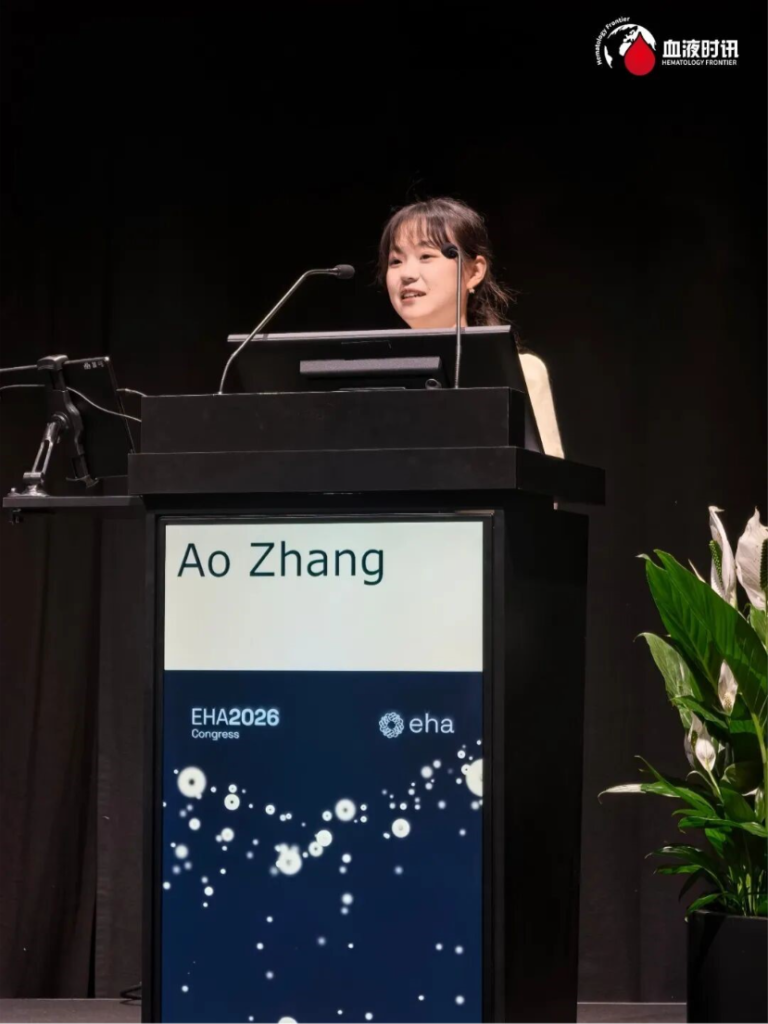
Expert Profiles
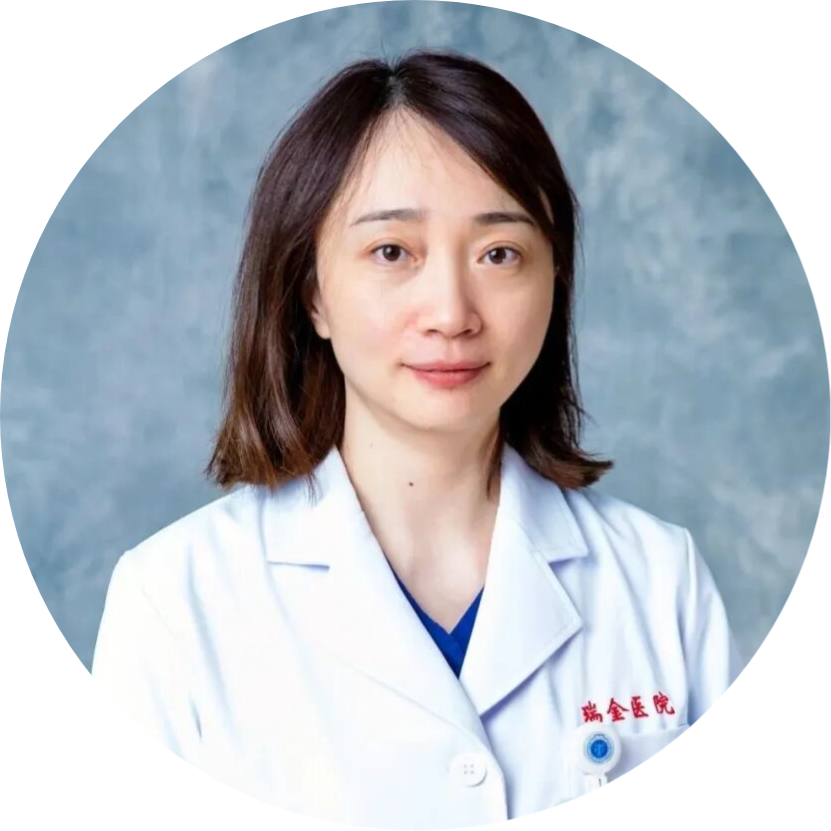
Professor Hu Xiaoxia
Ruijin Hospital, Shanghai Jiao Tong University School of Medicine
Professor Hu Xiaoxia is a physician-scientist at the Translational Medicine Center of Ruijin Hospital, Shanghai Jiao Tong University School of Medicine. She is a Chief Physician, Doctoral Supervisor, and Medical Doctor specializing in the basic and clinical research of hematopoietic stem cell transplantation.
She serves as a member of the Sixth Hematologic Malignancies Committee of the Chinese Anti-Cancer Association and the Hematophysiology Committee of the Chinese Physiological Society. She has been recognized as a Shanghai Outstanding Young Medical Talent, an Outstanding Discipline Leader of the Shanghai Health System, and an Outstanding Young Talent of the Shanghai Health System.
As first or corresponding author, Professor Hu has published more than 40 papers in leading hematology journals, including Blood, Journal of Clinical Investigation, Leukemia, Blood Cancer Journal, JCI Insight, and the American Journal of Hematology. She was also the second recipient of the First Prize of the Shanghai Science and Technology Progress Award.

Dr. Zhang Ao
Ruijin Hospital, Shanghai Jiao Tong University School of Medicine
Dr. Zhang Ao is a doctoral candidate at Ruijin Hospital, Shanghai Jiao Tong University School of Medicine, specializing in the basic and clinical research of hematopoietic stem cell transplantation.
As first author, he has published research articles in peer-reviewed journals including the British Journal of Haematology.