The 15th Shanghai Urologic Oncology Academic Conference
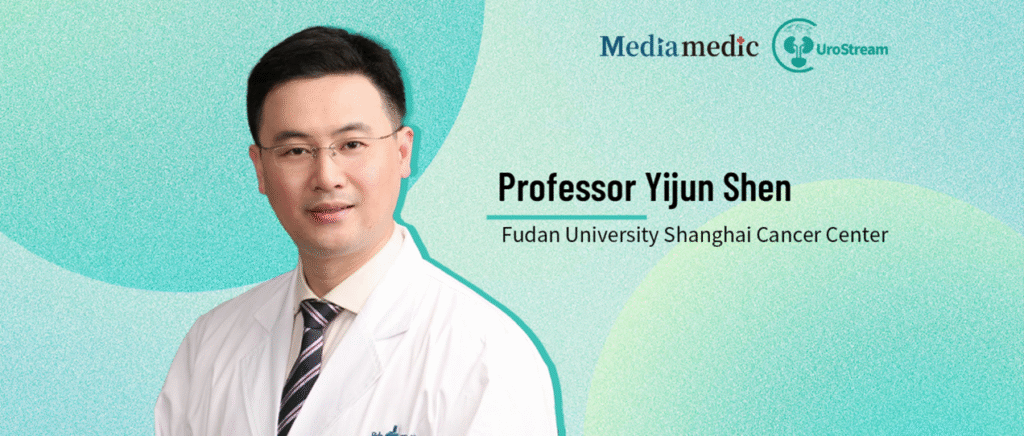
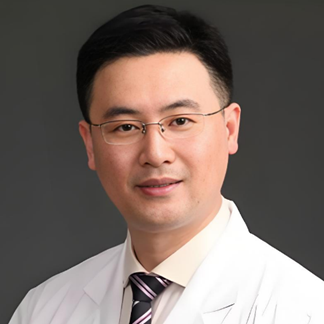
In 2025, the 15th Shanghai Urologic Oncology Academic Conference was grandly held in Pudong, Shanghai. The meeting brought together leading experts in urologic oncology from China and around the world to engage in in-depth discussions on advances in the diagnosis and treatment of urothelial carcinoma, prostate cancer, renal cell carcinoma, and other major genitourinary malignancies.In the final plenary session of the conference, Professor Yijun Shen from Fudan University Shanghai Cancer Center delivered a keynote lecture entitled “A New Era of Precision Treatment for Advanced Urothelial Carcinoma.” In his presentation, Professor Shen systematically reviewed the long-standing therapeutic challenges in advanced urothelial carcinoma and highlighted the breakthrough results achieved with the HER2-targeted antibody–drug conjugate (ADC) disitamab vedotin (DV) in combination with immunotherapy in the first-line setting—particularly the paradigm-shifting implications of the RC48-C016 study for global treatment standards.
Therapeutic Challenges in Advanced Urothelial Carcinoma: Three Decades of Stagnation and an Unmet Need for Survival
For many years, the treatment of advanced urothelial carcinoma (UC) has faced profound challenges. Professor Shen noted that over the past three decades, platinum-based chemotherapy—typically gemcitabine combined with cisplatin or carboplatin—has remained the “gold standard” of care, yet has delivered only modest survival benefits.
“Compared with more familiar malignancies such as prostate cancer or renal cell carcinoma, the unmet need in urothelial carcinoma—particularly the need for survival—is substantial,” Professor Shen emphasized.
Data show that in the era of conventional chemotherapy, the 5-year survival rate for patients with advanced urothelial carcinoma was less than 10%. Even after completing four to six cycles of chemotherapy, many patients experienced treatment intolerance or disease progression, resulting in poor prognoses. In China, urothelial carcinoma represents a particularly heavy disease burden, accounting for approximately 15% of the global patient population. Improving survival outcomes and reducing disease burden in this large population has therefore become a pressing strategic priority.
These challenges have underscored the urgent need for effective biomarkers capable of guiding treatment selection and substantially improving therapeutic efficacy, as well as for truly innovative treatment approaches.
Targeting HER2: A Cornerstone of Precision Therapy in Urothelial Carcinoma
With the advent of precision medicine, identifying biomarkers that can guide therapy and predict efficacy has become critical. Professor Shen highlighted the increasingly prominent role of human epidermal growth factor receptor 2 (HER2) in the diagnosis and treatment of urothelial carcinoma. HER2 expression directly signals therapeutic potential and serves as a key determinant for treatment selection.
In global research on urothelial carcinoma, Chinese teams have taken a leading role in comprehensively characterizing HER2 expression. A large, multicenter study led by domestic institutions collected data from more than 1,000 patients across eight tertiary hospitals in China, revealing a remarkably high prevalence of HER2 expression in the Chinese population. HER2 expression exceeded 80% in both lower tract bladder cancer and upper tract urothelial carcinoma (UTUC). Notably, patients with HER2 overexpression—defined as immunohistochemistry (IHC) scores of 2+ or 3+—accounted for approximately 60% of both early-stage and advanced urothelial carcinoma cases.
These findings provided a robust biological and clinical rationale for the development of HER2-based precision treatment strategies.
ADC Plus Immunotherapy: Disitamab Vedotin Drives a Major Leap in Efficacy
Guided by HER2 as a precision biomarker, the HER2-targeted ADC disitamab vedotin (DV) has emerged as a transformative therapy in urothelial carcinoma. Professor Shen traced the developmental journey of DV, noting that each milestone—from breakthrough therapy designation to domestic regulatory approval—represented a major advance in the treatment of this disease.
In patients with HER2-expressing advanced urothelial carcinoma, combination therapy with an ADC and an immune checkpoint inhibitor (ICI) has demonstrated remarkable potential. The synergistic mechanisms include immunotherapy-enhanced ADC activity, ADC-mediated immune activation, and distinct, non-overlapping resistance pathways.
The phase II, single-arm RC48-C014 study was the first to report the use of DV in combination with toripalimab (DV+T) as first-line therapy for advanced urothelial carcinoma. The results were striking:
- Objective Response Rate (ORR): Among HER2-expressing patients, ORR reached 76.3%, a dramatic improvement over the ~40% seen with platinum chemotherapy and the 20–30% typically achieved with immunotherapy alone.
- Median Overall Survival (OS): Median OS extended to 33 months.
Professor Shen remarked, “In the past, it was rare for patients with advanced disease to ask whether they could live five years or longer. Based on these data, the answer is clearly yes.” On the strength of the RC48-C014 results, the DV+T regimen has been incorporated into the CSCO urothelial carcinoma guidelines as a class II recommendation (Level 2A evidence) for first-line treatment.
RC48-C016: The World’s First HER2-Driven RCT to Redefine First-Line Standards
The most anticipated highlight of the conference was the RC48-C016 study of disitamab vedotin plus toripalimab. Professor Shen explained that the results were unveiled at the ESMO Presidential Symposium and simultaneously published in The New England Journal of Medicine, underscoring their landmark significance in the field of genitourinary oncology.
RC48-C016 is the world’s first large-scale randomized controlled trial (RCT) evaluating HER2-targeted precision therapy combined with immunotherapy as first-line treatment for advanced urothelial carcinoma. A total of 484 patients were randomized to receive either DV+T or standard platinum-based chemotherapy, enabling a direct head-to-head comparison with the historical standard of care.
Key Efficacy Breakthroughs
- Progression-Free Survival (PFS): Median PFS in the DV+T group reached 13.1 months, corresponding to a 64% reduction in the risk of disease progression or death compared with chemotherapy. Benefits were highly consistent across all subgroups, including cisplatin-eligible and -ineligible patients, high and low HER2 expression levels, and tumors originating in the upper or lower urinary tract.
- Overall Survival (OS): Median OS in the DV+T group reached 31.5 months—nearly double that achieved with platinum-based chemotherapy—confirming the regimen’s substantial long-term survival benefit.
Professor Shen further noted that the ORR with DV+T remained as high as 76%, with a median duration of response of 14.6 months, far exceeding outcomes seen with platinum chemotherapy. Importantly, the safety profile was also superior: grade ≥3 adverse events occurred in 55.1% of patients in the DV+T group, compared with 87% in the chemotherapy group.
Transformation and Outlook: Entering an Era of Long-Term Survival
Professor Shen summarized the evolution of urothelial carcinoma treatment in three stages:
- The Challenge: Traditional chemotherapy offers limited survival benefits.
- The Breakthrough: Identification of HER2 as a critical biomarker has ushered in a new era of global precision therapy.
- The Transformation: RC48-C016 has overturned the long-standing first-line treatment paradigm, redefining standards through biomarker-driven precision therapy.
At present, the application for first-line approval of disitamab vedotin combined with toripalimab in advanced urothelial carcinoma has been formally accepted by the Center for Drug Evaluation (CDE) of the National Medical Products Administration. Professor Shen expressed confidence that in the near future, this innovative regimen will benefit all patients with HER2-expressing advanced urothelial carcinoma, ushering in a new era of long-term survival.
“This will undoubtedly open a new chapter of long-term survival for our patients,” Professor Shen concluded.
Professor Yijun Shen