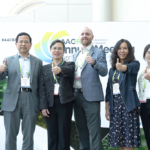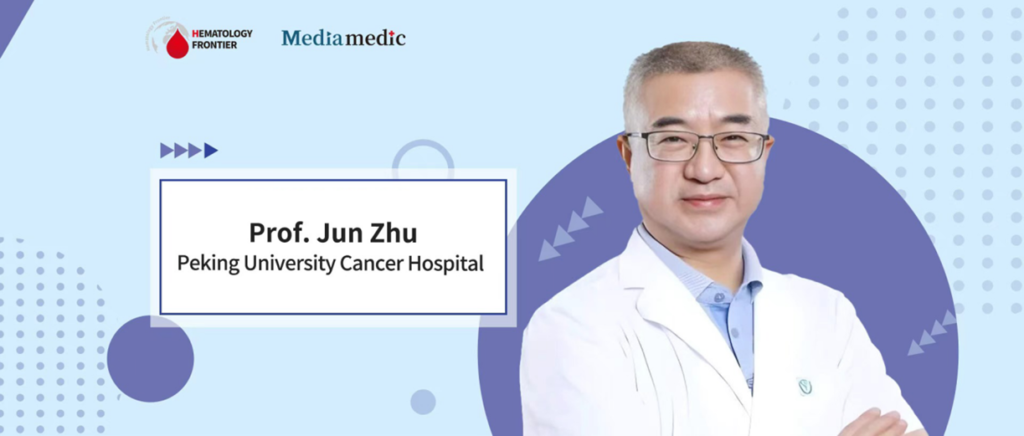
To advance clinical oncology in China, enhance physicians’ diagnostic and research capabilities, and further promote the development and implementation of CSCO guidelines, the Chinese Society of Clinical Oncology (CSCO), together with the Beijing CSCO Clinical Oncology Research Foundation, co-hosted the 2026 CSCO Guidelines Conference in Harbin from April 24 to 25.During the meeting, the latest edition of the guidelines was officially released. Leading oncology experts from across China gathered to provide comprehensive interpretations through lectures and presentations. To broaden academic reach and deliver a more authoritative and comprehensive scientific exchange, Oncology Frontier – Hematology Frontier conducted an on-site interview with Professor Jun Zhu, Standing Council Member of CSCO and Chair of the CSCO Lymphoma Expert Committee at Peking University Cancer Hospital. He shared in-depth insights into the key updates of the new guidelines and their future implementation, aiming to provide clear guidance for clinical practice.
Q1
The 2026 CSCO Lymphoma Guidelines were officially released at this conference. Compared with the 2025 edition, what are the most notable updates in terms of treatment philosophy, classification and risk stratification, treatment pathways, and evidence?
Professor Jun Zhu: Over the past decade, the development and revision of the CSCO lymphoma guidelines have consistently adhered to three core principles: reliance on high-level evidence-based medicine, consideration of treatment accessibility in China, and close alignment with real-world clinical data from Chinese patients.
Within this framework, we continuously incorporate cutting-edge international advances while tailoring recommendations to China’s clinical realities. As a result, while the overall structure of the guidelines remains stable, important updates have been made in the management of specific lymphoma subtypes.
Notably, despite strict constraints on length, two dedicated sections have been newly introduced. The first addresses the growing population of elderly lymphoma patients, outlining standardized approaches to diagnosis and treatment. The second focuses on gastrointestinal lymphoma—the most common form of extranodal lymphoma—providing guidance on the timing of pathological diagnosis and the integrated use of surgery, radiotherapy, and systemic therapy.
Significant progress has also been made in novel therapies. Recently, a study co-led by Professor Weili Zhao from the Shanghai Institute of Hematology and myself, published online in JAMA and titled “Chidamide Plus R-CHOP Versus R-CHOP in Previously Untreated MYC/BCL2 Double-Expressor Diffuse Large B-Cell Lymphoma,” introduced a groundbreaking first-line treatment strategy for this subtype. This regimen has received approval from the National Medical Products Administration (NMPA), has been incorporated into the current guidelines, and has gained international recognition.
Additional updates include the recommendation of anti-CD19 monoclonal antibodies for relapsed/refractory follicular lymphoma; expanded options for relapsed/refractory mantle cell lymphoma, including next-generation BTK inhibitors, BCL2 inhibitors, and domestically developed innovative agents; and the inclusion of novel therapies such as EZH2 inhibitors for relapsed/refractory T-cell lymphoma, where treatment options remain limited.
Overall, the updated guidelines aim to provide clinicians—particularly those in primary care settings—with a practical, accessible, and concise reference to support standardized lymphoma management across China.
Q2
You have long led efforts in advancing China’s original lymphoma drug development and the localization of clinical guidelines. How does the 2026 edition reflect the growing role of China-derived evidence and domestic innovation? What impact will it have on clinical practice, particularly in chemotherapy-free strategies, precision stratification, and high-risk lymphoma management?
Professor Jun Zhu: In both academic exchange and clinical practice, we closely follow international advances while maintaining strong confidence in China’s capacity for innovation. We are committed to advancing the development, approval, and accessibility of innovative therapies for Chinese patients, while also actively exploring novel combination strategies, including cell-based therapies.
As mentioned earlier, a range of innovative agents across different lymphoma subtypes have now been incorporated into the guidelines at varying levels of evidence.
Looking ahead, we aim to further integrate biologics, small-molecule therapies, and rapidly evolving cell therapies into a multidimensional treatment framework. This approach has the potential to reshape traditional paradigms dominated by chemotherapy, radiotherapy, and surgery.
A key priority is ensuring that these innovations align with the clinical characteristics of Chinese patients, supported by robust real-world data. By doing so, we aim to develop treatment strategies that are effective, safe, accessible, and economically feasible. Ultimately, this will lead to the refinement of a “China solution”—grounded in local evidence yet globally relevant—contributing to improved lymphoma care worldwide.
Q3
Based on the direction of this CSCO conference, what are the key priorities for lymphoma care in China over the next 1–2 years, particularly in terms of standardization, accessibility at the primary care level, clinical research, and improving patient outcomes? How will the guidelines be implemented nationwide?
Professor Jun Zhu: While recognizing the progress achieved, we are also mindful of the regional disparities in healthcare resources and clinical capacity across China. A central challenge is how to leverage the CSCO platform to unify efforts across the oncology community and ensure that standardized diagnostic and treatment strategies are effectively implemented at the grassroots level.
Our goal is to enable physicians in primary care settings to deliver individualized treatment within a standardized framework, ensuring that patients receive optimal care throughout their disease journey.
This effort extends beyond publishing guidelines or holding conferences. Continuous education and dissemination are essential. At this meeting, we specifically invited young physicians from underserved regions to participate. Moving forward, we will make the guidelines more accessible through user-friendly formats and organize nationwide educational initiatives led by leading experts.
Through these combined efforts, we aim to promote widespread adoption of the guidelines, ensure consistent standards of care, and support appropriate management at every stage of the disease. Ultimately, this will advance standardized cancer care in China, contribute to the “Healthy China 2030” initiative, and improve patient outcomes nationwide.
Expert Profile
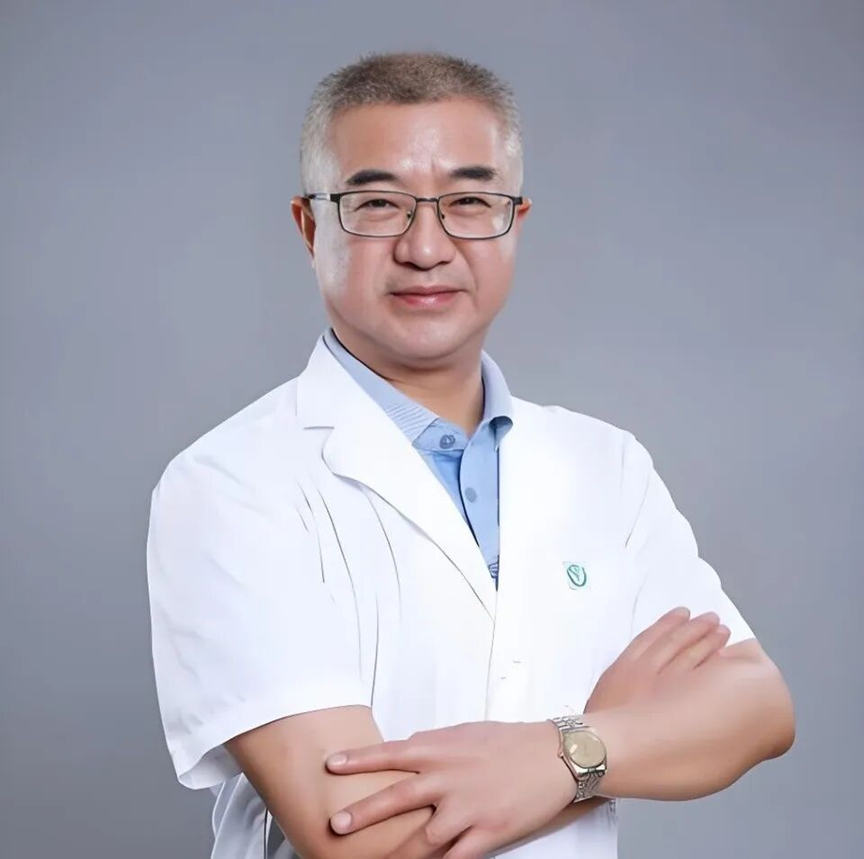
Professor Jun Zhu Peking University Cancer Hospital
- Party Secretary, Peking University Cancer Hospital
- Director of Internal Medicine and Head of the Lymphoma Department
- Vice President, Chinese Society of Clinical Oncology (CSCO)
- Vice Chair, CSCO Supervisory Board
- Vice President, Beijing CSCO Clinical Oncology Research Foundation
- Former Chair, CSCO Lymphoma Expert Committee
- Vice President, Beijing Anti-Cancer Association
- President, Beijing Cancer Rehabilitation Association
- Vice Chair, Oncology Branch, Chinese Medical Association
- Head, Hematologic Oncology Group, National Health Commission Capacity Building and Continuing Education Oncology Committee