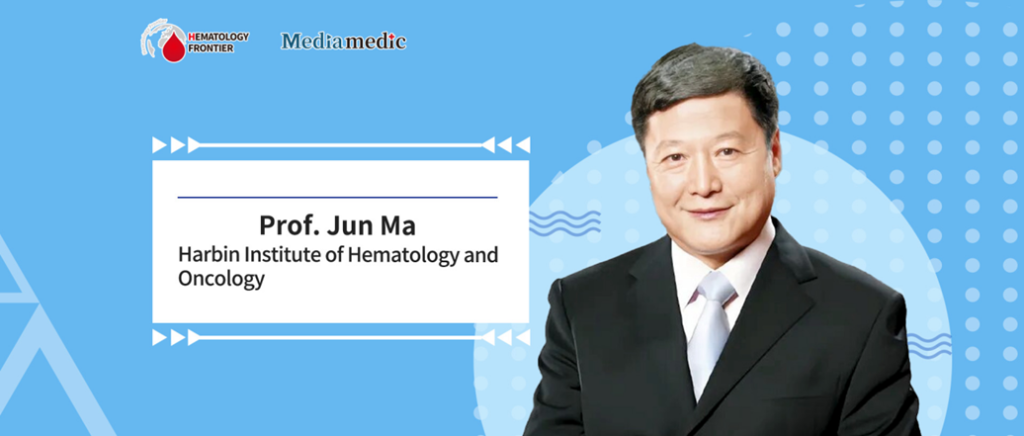
To advance clinical oncology in China, enhance physicians’ diagnostic and research capabilities, and further promote the development and implementation of CSCO guidelines, the Chinese Society of Clinical Oncology (CSCO), together with the Beijing CSCO Clinical Oncology Research Foundation, co-hosted the 2026 CSCO Guidelines Conference in Harbin from April 24 to 25.During the meeting, the latest edition of the guidelines was officially released. Leading oncology experts from across China gathered to provide comprehensive interpretations through lectures and presentations. To broaden academic reach and deliver a more authoritative and comprehensive scientific exchange, Oncology Frontier – Hematology Frontier conducted an on-site interview with Professor Jun Ma, Chair of the CSCO Supervisory Board and Director of the Harbin Institute of Hematology & Oncology. He shared his perspectives on the scale of the conference, the significance of the guideline updates, the progress of oncology in China, and future directions.
Professor Jun Ma:
This year’s conference was unprecedented in scale, with more than 4,000 participants, including academicians, leading experts, scholars, and representatives from across the field—the largest attendance in its history. Held in the vibrant springtime setting of Harbin, the meeting saw the release of 32 updated guidelines, including six English-language editions. These guidelines span key areas such as breast cancer, colorectal cancer, lung cancer, liver cancer, hematologic malignancies, as well as supportive care topics including cancer pain management, antiemetic therapy, thrombocytopenia, and neutropenia. Each has undergone systematic revision and refinement, demonstrating both the breadth and depth of the CSCO guideline system.
To date, total distribution of CSCO guidelines has exceeded 2.92 million copies. Their convenient pocket-book format has become an indispensable reference for oncology clinicians across China. Beyond widespread adoption in clinical practice, these guidelines also provide critical scientific support for national health insurance policy development, healthcare pathway planning, and regulatory review and approval of new drugs—firmly establishing their position as the most authoritative standard for oncology practice in China.
The current update covers 32 tumor types, reflecting its extensive scope. The conference was honored to host nine academicians and many of the country’s leading experts across oncology subspecialties. The main hall was filled to capacity, with many attendees following sessions from outside the venue, underscoring the field’s strong interest in guideline updates, evidence interpretation, and future directions. Oncology care has clearly entered a new era.
Having practiced medicine for over five decades, I have personally witnessed the transformation from an era with limited treatment options to today’s rapid and robust advancements. Over the past 20 years, China has made remarkable progress in clinical oncology research. Under the leadership of CSCO, China now accounts for nearly 20% of global clinical trials in oncology, second only to the United States in international influence.
In the field of innovative drug development, China has achieved significant milestones. In recent years, the value of overseas licensing deals for domestically developed innovative drugs has reached record highs, signaling China’s steady transition toward an innovation-driven development model. Particularly in areas such as cell therapy and the management of cancers with high incidence in China—such as liver cancer, esophageal cancer, and nasopharyngeal carcinoma—Chinese researchers have made substantial contributions to global knowledge.
At the ASCO Annual Meeting, Chinese researchers consistently rank second worldwide in the number of presented studies. At the International Conference on Malignant Lymphoma, China’s contribution to lymphoma research has reached approximately 25%, placing it on par with the United States.
More broadly, the core value of the CSCO guidelines lies in providing a solid framework for standardized care across the country. However, excellence in clinical practice requires the integration of guidelines, multidisciplinary teamwork, and clinical experience. Guidelines account for approximately 60%–70% of decision-making; the remainder depends on physician expertise, team collaboration, and institutional resources to develop individualized, precise treatment strategies for patients.
Looking ahead, the Society’s central mission is to promote the equitable distribution of high-quality medical resources. Through nationwide educational outreach, technical support, and expert-led training initiatives, we aim to strengthen the diagnostic and treatment capabilities of primary care institutions. Our goal is to achieve greater consistency in oncology care across all levels of the healthcare system, ensuring that every cancer patient in China has access to standardized and advanced treatment.
This vision reflects CSCO’s enduring commitment to “unity, collaboration, pragmatism, and innovation”—with one ultimate purpose: to serve patients and safeguard human health.
Expert Profile
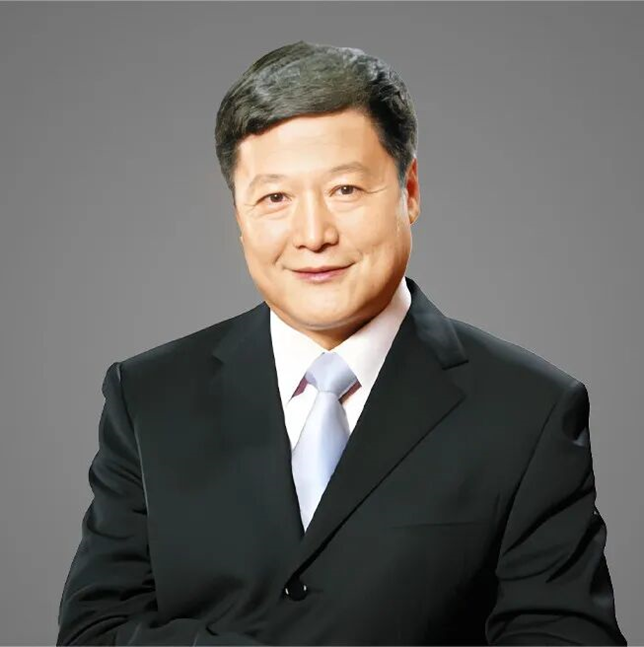
Professor Jun Ma Harbin Institute of Hematology & Oncology
- Chief Physician, Professor, Doctoral Supervisor
- Director, Harbin Institute of Hematology & Oncology
- Chair, Supervisory Board, Chinese Society of Clinical Oncology (CSCO)
- Vice Chair, Asian Society of Clinical Oncology
- Head, Lymphoma Specialty Development Program Expert Group, National Health Commission Capacity Building and Continuing Education Center
- Editor-in-Chief, Journal of Leukemia & Lymphoma
- Former President, Chinese Society of Clinical Oncology (CSCO)
- Former Vice Chair, Hematology Branch, Chinese Medical Association