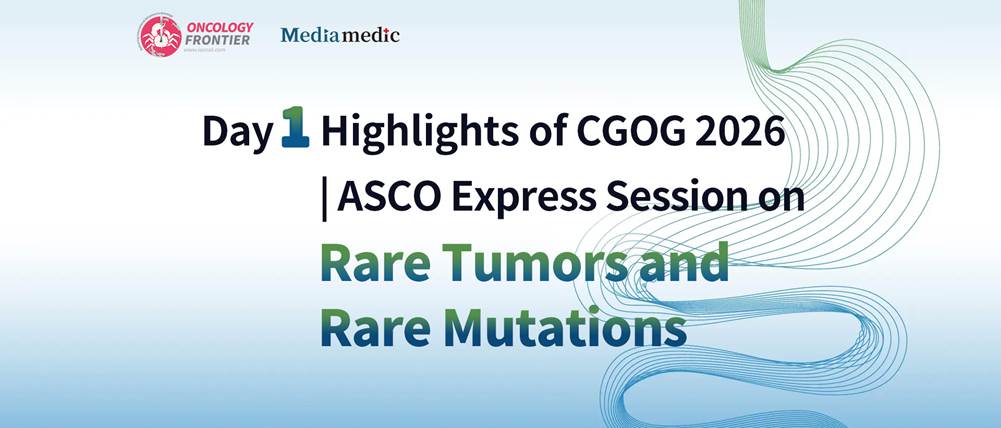
On June 9, the 2026 Peking University Gastrointestinal Oncology Forum and the 16th CGOG Annual Meeting officially commenced. On the opening day, three dedicated ASCO Highlights sessions showcased the latest advances from the global oncology community. Among them, the ASCO Rare Tumors and Rare Mutations Updates Session attracted more than 19,000 online viewers.The session brought together leading Chinese experts in gastrointestinal stromal tumors (GISTs) and rare cancers to discuss key topics including the latest findings presented at the 2026 ASCO Annual Meeting, precision diagnosis and treatment strategies for rare tumors, and advances in innovative drug development for GIST. Through in-depth discussions and academic exchange, participants explored new approaches and future directions for the management of rare malignancies.
The first session was co-chaired by Yingjiang Ye from Peking University People’s Hospital and Jian Li from Peking University Cancer Hospital.
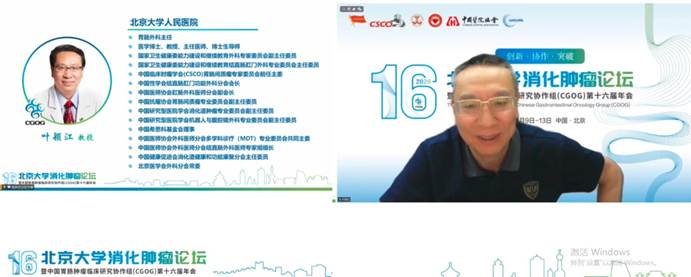
Figure: Session chaired by Prof. Yingjiang Ye
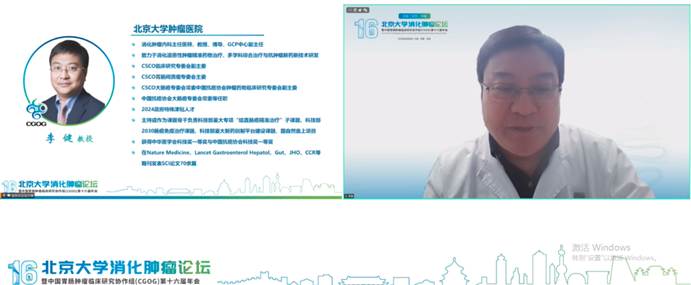
Figure: Session chaired by Prof. Jian Li
Haoran Qian from Sir Run Run Shaw Hospital, Zhejiang University School of Medicine, delivered a presentation titled “ASCO Updates in Gastrointestinal Stromal Tumors (GIST)”, providing a comprehensive review of key GIST-related studies presented at the 2026 ASCO Annual Meeting.
In the perioperative setting, data presented at ASCO 2026 demonstrated that adjuvant therapy can improve survival outcomes in high-risk patients. In addition, evidence showed that generic imatinib provides efficacy comparable to the originator formulation, supporting its use as a cost-effective treatment option in clinical practice.
For advanced disease, several emerging therapeutic strategies demonstrated encouraging antitumor activity. These included velzatinib, bezuclastinib combined with sunitinib, and ripretinib-based treatment approaches, highlighting the continued progress being made in the development of novel therapies for patients with advanced GIST.
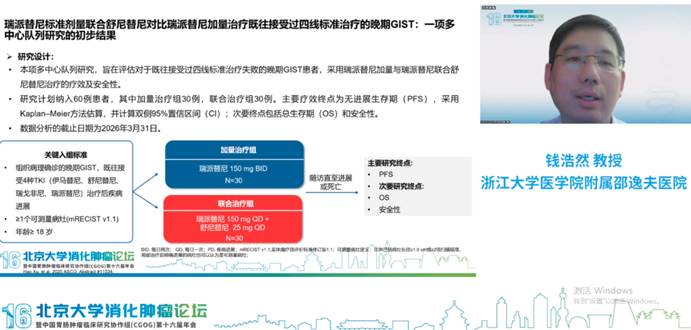
Figure: Presentation by Prof. Haoran Qian
Following this, Sai Ge from Peking University Cancer Hospital delivered a presentation titled “ASCO Updates in Rare Tumors,” providing a comprehensive overview of the latest research advances in rare gastrointestinal malignancies—including anal squamous cell carcinoma and peritoneal mesothelioma—as well as soft tissue sarcomas, cancers of unknown primary (CUP), pan-rare tumors, and hereditary cancer syndromes.
Prof. Ge highlighted two major trends emerging from the latest research. First, innovative therapeutic approaches—including antibody-drug conjugates (ADCs) such as B7-H3-targeted ADCs and TROP2-targeted ADCs, tumor-infiltrating lymphocyte (TIL) therapy, and combinations of oncolytic viruses with immunotherapy—are creating new treatment opportunities for patients with rare cancers.
Second, the growing use of precision biomarkers is reshaping the diagnostic and therapeutic landscape of rare tumors. Biomarkers such as TILScore have demonstrated the potential to identify patients most likely to benefit from cellular therapies, offering a promising tool for guiding personalized treatment decisions.
In addition, Prof. Ge emphasized the critical role of next-generation sequencing (NGS) in the management of rare tumors, particularly in settings where standard treatment strategies are lacking. Comprehensive genomic profiling can provide essential information for biomarker identification and facilitate the matching of patients to targeted therapies and emerging treatment modalities, thereby supporting a more precise and individualized approach to care.
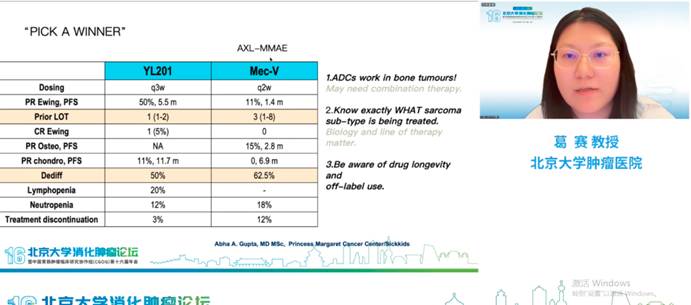
Figure: Presentation by Prof. Sai Ge
Following the presentation, Zhengfu Fan from Peking University Cancer Hospital, Jing Gao from Peking University Shenzhen Hospital, Haibo Qiu from Sun Yat-sen University Cancer Center, Hao Xu from the First Affiliated Hospital of Nanjing Medical University, and Yongjian Zhou from the First Affiliated Hospital of Fujian Medical University participated in a panel discussion.
Drawing on their clinical experience, the experts exchanged perspectives on several important topics, including the progress of innovative drug development in China, future directions for clinical research in gastrointestinal stromal tumors (GISTs), and strategies for identifying patient populations most likely to benefit from emerging therapies for rare cancers.
The discussion highlighted the growing importance of precision medicine approaches in rare tumor management and underscored the need for continued clinical research, biomarker development, and collaborative efforts to improve treatment outcomes for these underserved patient populations.
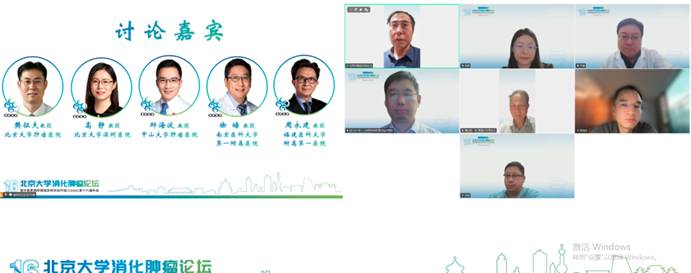
Figure: Panel Discussion – Session I
The second session of the meeting was co-chaired by Bo Zhang from West China Hospital, Sichuan University, and Zhidong Gao from Peking University People’s Hospital.
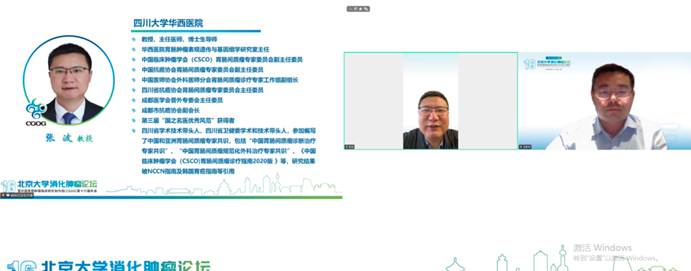
Figure: Session chaired by Prof. Bo Zhang
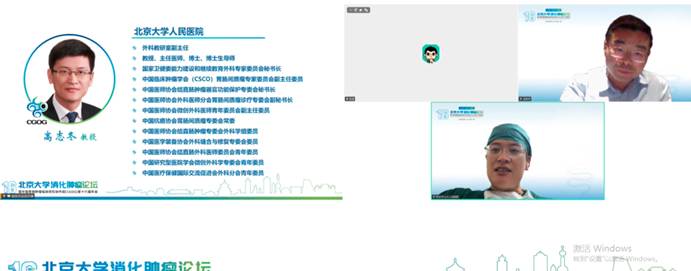
Figure: Session chaired by Prof. Zhidong Gao
Yuexiang Wang from the Shanghai Institute of Nutrition and Health, Chinese Academy of Sciences, and the University of Chinese Academy of Sciences, delivered a presentation titled “Targeting HIC1-Driven Transcriptional Dependency: A Novel Therapeutic Strategy for Gastrointestinal Stromal Tumors.”
Addressing the longstanding challenge of tyrosine kinase inhibitor (TKI) resistance in gastrointestinal stromal tumors (GISTs), Prof. Wang presented findings from his team’s research demonstrating that HIC1 is highly expressed in GIST and plays a critical role in maintaining tumor growth.
Further mechanistic studies revealed that promoter hypomethylation drives HIC1 overexpression. HIC1, in turn, interacts with RNA polymerase II to promote the transcription of GIST-associated genes and forms a positive regulatory feedback loop with KIT, a key oncogenic driver in GIST biology.
Based on these findings, the research team identified candidate compounds targeting ENPP2, capable of disrupting the ENPP2–HIC1–KIT signaling axis. In preclinical models of HIC1-positive GIST, these agents demonstrated significant antitumor activity and effectively inhibited tumor growth.
These results provide important mechanistic insights into transcriptional dependencies in GIST and suggest a promising therapeutic strategy for overcoming resistance to current tyrosine kinase inhibitor-based treatments.
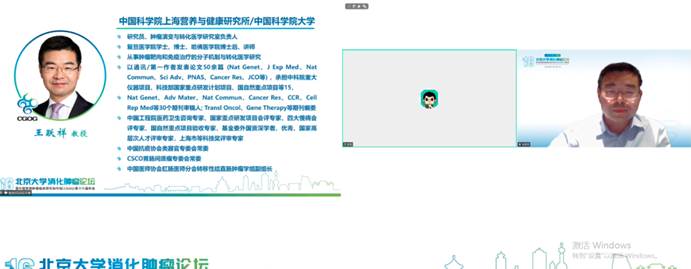
Figure: Presentation by Prof. Yuexiang Wang
Changsong Qi from Peking University Cancer Hospital delivered a presentation titled “New Advances in Immunotherapy and Drug Development for GIST.”
Prof. Qi noted that, in addition to the well-established KIT and PDGFRA driver alterations, rare gene fusions such as ETV6-NTRK3 and FGFR1-TACC1 are emerging as promising therapeutic targets, offering new treatment opportunities for patients who currently lack standard targeted therapy options.
In the field of drug development, several investigational agents—including IDRX-42, NB003, and ziftomenib—as well as the combination of bezuclastinib plus sunitinib, have demonstrated encouraging disease-control potential across different lines of therapy. These advances may provide valuable new treatment options for patients with multiclonal resistant GIST.
Regarding immunotherapy, Prof. Qi acknowledged that preliminary signals of clinical activity have been observed; however, the overall benefits in terms of objective response rate (ORR), progression-free survival (PFS), and overall survival (OS) remain modest. Strategies involving dual immunotherapy and combinations with agents such as regorafenib continue to be explored and require further clinical validation.
As research into multidimensional treatment approaches continues to expand, Prof. Qi concluded that the therapeutic landscape for advanced GIST is likely to broaden further, offering new opportunities to address treatment resistance and improve long-term patient outcomes.
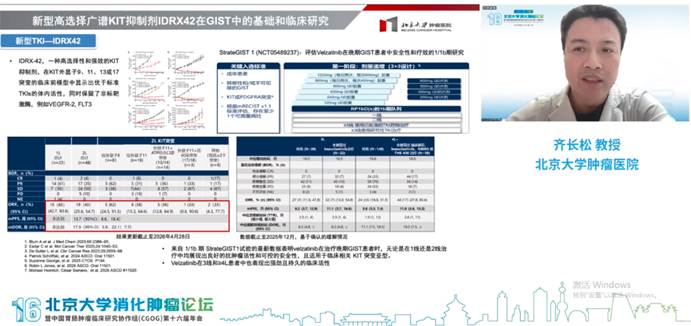
Figure: Presentation by Prof. Changsong Qi
Xinhua Zhang from the First Affiliated Hospital of Sun Yat-sen University delivered a presentation titled “Advances in Surgical Management of GIST.” He provided a comprehensive overview of current developments in adjuvant therapy, neoadjuvant treatment, and surgical timing optimization for gastrointestinal stromal tumors.
Prof. Zhang highlighted findings from the DEEPSARC study, which suggest that extending the duration of adjuvant therapy may improve early postoperative survival outcomes in high-risk patients. However, the optimal treatment duration has yet to be clearly established and warrants further investigation.
For patients with potentially resectable GIST who have experienced treatment failure with imatinib, preoperative therapy with ripretinib has demonstrated the ability to reduce tumor burden and facilitate conversion to surgical resection, thereby creating additional opportunities for curative-intent treatment.
Prof. Zhang also emphasized the critical importance of molecular testing in the management of GIST. He stressed that perioperative treatment strategies should be individualized based on a comprehensive assessment of genomic alterations, recurrence risk, tumor location, and response to therapy, enabling more precise and personalized clinical decision-making.
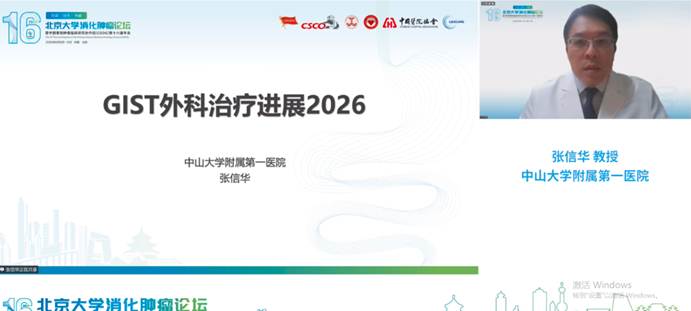
Figure: Presentation by Prof. Xinhua Zhang
During the discussion session, Ming Wang from Renji Hospital, Shanghai Jiao Tong University School of Medicine, Xin Wu from the First Medical Center of the Chinese PLA General Hospital, Xiaojun Wu from Sun Yat-sen University Cancer Center, and Ye Zhou from Fudan University Shanghai Cancer Center exchanged views on innovative treatment strategies and comprehensive disease management for GIST.
The experts emphasized that GIST management should place greater focus on understanding mechanisms of treatment resistance and identifying novel therapeutic targets. They highlighted the importance of integrating molecular classification, treatment efficacy, and potential surgical benefit when developing individualized treatment plans, ensuring optimal coordination between systemic therapy and surgical intervention.
Looking ahead, the panel underscored the need for stronger multidisciplinary collaboration and more effective translation of clinical research findings into practice. Such efforts will be essential to expanding treatment options for patients with drug-resistant disease and those requiring later-line therapies, ultimately improving long-term outcomes in GIST management.
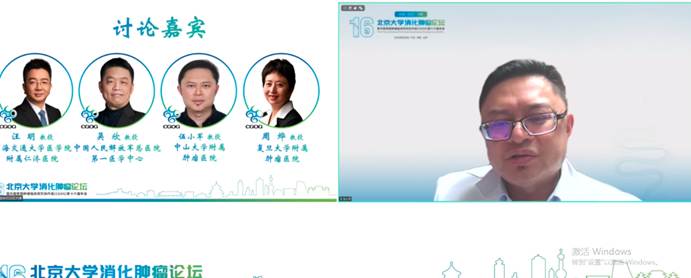
Figure: Panel Discussion – Session II
At the conclusion of the meeting, Yingjiang Ye and Jian Li expressed their appreciation to all speakers and panelists for their insightful presentations and thought-provoking discussions.
They noted that the session not only provided a timely overview of the latest international advances presented at ASCO but also offered valuable perspectives on addressing real-world challenges in the diagnosis and treatment of rare tumors and gastrointestinal stromal tumors (GISTs).
The two professors emphasized that continued progress in molecular classification, mechanistic research, innovative drug development, and multidisciplinary collaboration will further advance the field of precision oncology. As these efforts continue to evolve, more patients are expected to benefit from increasingly personalized, evidence-based, and high-quality treatment strategies.
Original article: Department of Gastrointestinal Oncology, Peking University Cancer Hospital
Author: Lingxiao Xu
Reviewer: Sai Ge