The “Tianjin Model” of hematopoietic stem cell transplantation (HSCT) is a distinctive transplant system that integrates standardization, precision, and innovation. It has been progressively developed through nearly four decades of continuous exploration and generational knowledge transfer at the Institute of Hematology and Blood Diseases Hospital, Chinese Academy of Medical Sciences (also known as the Tianjin Institute of Hematology).From January 9 to 11, 2026, the 6th China Hematology Discipline Development Conference (CASH) was grandly held in Tianjin. The conference brought together leading hematology experts from China and abroad, focusing on cutting-edge scientific advances and national health strategy priorities, facilitating in-depth academic exchange and exploration of future directions for the discipline.
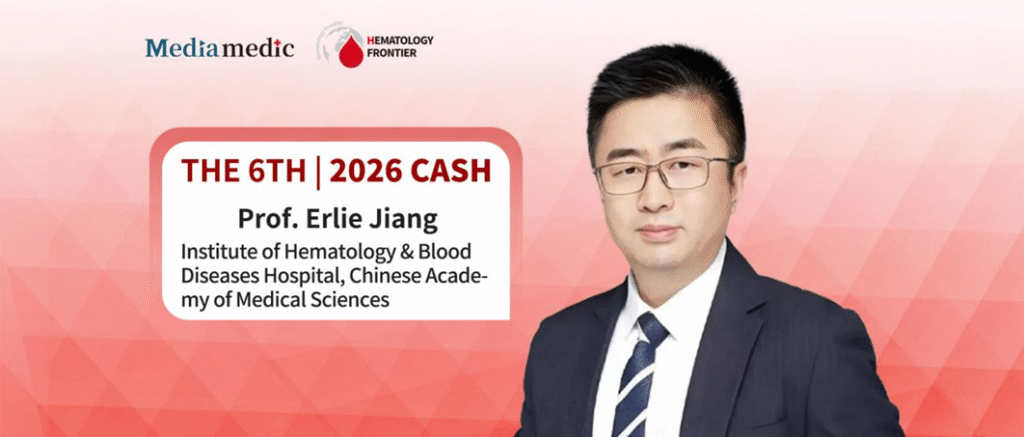
During the conference, Oncology Frontier – Hematology Frontier invited Professor Erlie Jiang of the Institute of Hematology and Blood Diseases Hospital, Chinese Academy of Medical Sciences, for an in-depth interview on the developmental trajectory, innovative breakthroughs, and future prospects of the “Tianjin Model” of hematopoietic stem cell transplantation.
Oncology Frontier – Hematology Frontier:
The “Tianjin Model” of hematopoietic stem cell transplantation originated from the pioneering work of Professor Wenwei Yan and other senior experts. After several generations of development, it has evolved into a system with distinct characteristics. Could you please introduce the core philosophy and key features of this model?
Professor Erlie Jiang:
In 1986, under the leadership of Professor Wenwei Yan, the Tianjin Institute of Hematology successfully performed the first autologous hematopoietic stem cell transplantation in China. Following nearly forty years of sustained exploration, this technique has now reached a high level of maturity.
First, with regard to patient selection, we have further refined eligibility criteria in recent years. Based on research findings published over the past two years, we have identified that patients who achieve rapid clearance of early minimal residual disease (MRD) can derive particularly favorable outcomes from autologous transplantation.
At the same time, with the continuous introduction of novel therapeutic modalities—including antibody-based therapies, CAR-T cell therapy, and a variety of targeted agents—the traditionally defined population considered suitable for autologous transplantation is expected to expand. This evolution may allow a broader group of patients to benefit from this treatment approach.
Second, we have systematically optimized the feasibility and safety of conditioning regimens, while simultaneously conducting multiple clinical studies on post-transplant maintenance therapy. Looking ahead, we will continue to refine the overall efficacy framework of the “Tianjin Model” for autologous transplantation by further optimizing patient selection criteria, enhancing the safety of conditioning regimens, and establishing more scientifically sound and rational post-transplant maintenance strategies, thereby achieving dual improvements in both efficacy and safety.
Oncology Frontier – Hematology Frontier:
In recent years, what innovative breakthroughs has the “Tianjin Model” achieved in areas such as transplant strategies, complication management, and immune reconstitution? How have these advances improved patient survival and quality of life while further enriching the model?
Professor Erlie Jiang:
With respect to post-transplant complication management, we are currently conducting multiple clinical studies. In particular, with the integration of artificial intelligence technologies, we are now able to predict the quality of immune reconstitution following transplantation. This capability provides a scientific basis for optimizing infection prevention and control strategies. In addition, risk prediction and precision management of graft-versus-host disease (GVHD) represent one of our key strengths and defining features.
Furthermore, we are advancing prospective preemptive intervention studies targeting viral infections, aiming to further reduce the incidence of related complications through early risk identification and timely intervention. At present, these studies have already yielded encouraging interim results with clear clinical value.
Expert Biography
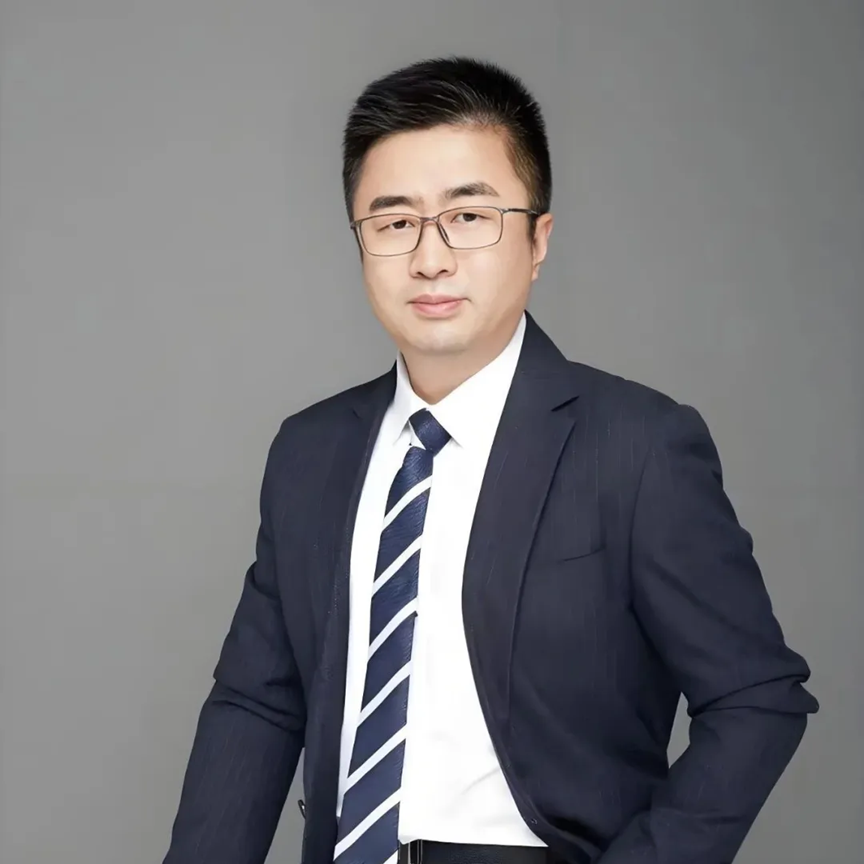
Professor Erlie Jiang
Institute of Hematology and Blood Diseases Hospital, Chinese Academy of Medical Sciences
Professor Erlie Jiang serves as Deputy President of the Institute of Hematology and Blood Diseases Hospital, Chinese Academy of Medical Sciences, and Director of the Stem Cell Transplantation Center.
He holds an MD degree and is a Chief Physician, as well as a Supervisor for doctoral and postdoctoral trainees.
Professor Jiang currently holds several prominent academic and professional positions, including:
- Chair, Leukemia Expert Committee, Chinese Society of Clinical Oncology (CSCO)
- Deputy Head, Hematopoietic Stem Cell Application Group, Hematology Branch of the Chinese Medical Association
- President, Tianjin Society of Hematology and Regenerative Medicine
- Editorial Board Member, Chinese Journal of Hematology, Leukemia & Lymphoma, and other academic journals