Immune thrombocytopenia (ITP) is a complex autoimmune disorder involving multiple immune pathways and abnormalities in platelet production. In recent years, continuous advances in drug development and evolving treatment paradigms have been reshaping the clinical landscape of ITP.At the 9th Beijing Conference on Thrombosis and Hemostasis and the 7th Beijing Summit Forum on Hematologic Malignancies and Immunology, Professor Zeping Zhou from the Second Affiliated Hospital of Kunming Medical University delivered an insightful presentation on recent clinical research advances in ITP.
Following the conference, Oncology Frontier – Hematology Frontier invited Professor Zhou for an in-depth interview. The discussion covered disease mechanisms, emerging therapies both in China and internationally, and individualized treatment strategies, as well as the team’s latest findings in gut microbiota research and chronic disease management—offering valuable perspectives for precision care in ITP.
Advances in pathogenesis: from immune networks to the gut microbiome
Oncology Frontier – Hematology Frontier: You have long focused on the mechanisms and clinical management of ITP. With emerging insights into gut microbiota and immune cell networks, could you share the key breakthroughs in ITP pathogenesis based on your team’s work? How do these discoveries inform drug development and precision treatment?
Professor Zeping Zhou: Recent advances in the treatment of immune thrombocytopenia (ITP) are largely driven by deeper exploration of its underlying mechanisms. It is now well established that the autoimmune pathogenesis of ITP involves approximately 10 to 20 distinct pathways, including classical humoral immunity, cellular immunity, impaired platelet production, and more complex immune regulatory networks.
Given this complexity, it remains difficult in clinical practice to fully delineate the specific immune abnormalities in an individual patient. As early as 2007, a national health initiative led by Professor Renchi Yang and Professor Ming Hou proposed the concept of “precision diagnosis and targeted intervention in ITP,” aiming to identify patient-specific immune abnormalities and tailor individualized treatment strategies.
Over more than a decade, this has remained a central goal in clinical research. While fully individualized immunological targeting is not yet achievable, we expect to move increasingly closer to this objective over the next 10–20 years.
Taking gut microbiota as an example, research by domestic teams—including those led by Professor Xiaohui Zhang, Professor Yunfeng Cheng, and Professor Wenbin Qian—has provided important insights. Considering regional differences in lifestyle, our team conducted analyses of gut microbiota in ITP patients from Yunnan using both metagenomic sequencing and 16S rRNA sequencing.
Our findings revealed significant differences in microbial composition between ITP patients and healthy individuals. Based on these differences, we developed a diagnostic model capable of distinguishing ITP patients from healthy controls, highlighting the potential role of microbiota in disease pathogenesis and diagnosis.
Emerging therapies: expanding options and refining clinical decisions
Oncology Frontier – Hematology Frontier: With the emergence of therapies such as TPO receptor agonists, BTK inhibitors, and anti-CD38 monoclonal antibodies, which agents do you consider most promising? How do differences in efficacy and safety shape treatment strategies, particularly in second-line and beyond settings in China?
Professor Zeping Zhou: According to updated guidelines, ITP treatment is divided into first-line and subsequent therapy. The latter now includes a wide range of novel agents, such as SYK inhibitors, FcRn antagonists, BTK inhibitors, anti-CD38 monoclonal antibodies, and various TPO receptor agonists. While these options provide greater flexibility, they also increase the complexity of clinical decision-making.
Each class of drug has distinct characteristics. For instance, anti-CD20 monoclonal antibodies—traditional second-line agents—have relatively modest response rates, but when effective, responses may last for six months to a year. TPO receptor agonists, in contrast, have high response rates but generally require continuous treatment, with approximately two-thirds of patients relapsing after discontinuation.
BTK inhibitors offer an option for patients who are refractory to first-line therapy. Agents such as zanubrutinib and orelabrutinib, either as monotherapy or in combination with anti-CD20 therapy, have demonstrated favorable efficacy in later-line settings. Early concerns regarding increased bleeding risk due to platelet function inhibition have not been substantiated by current clinical experience, which suggests no significant increase in life-threatening bleeding even in patients with severe thrombocytopenia.
Regarding SYK inhibitors, fostamatinib has shown modest efficacy internationally, with response rates around 40%. In contrast, China’s domestically developed sovleplenib has demonstrated a 24-week durable response rate of 71%, significantly outperforming previous reports.
In addition, anti-CD38 monoclonal antibodies, led by Professor Lei Zhang, have shown particularly promising results in later-line therapy. These agents act on the monocyte–macrophage system, achieving rapid responses while also targeting long-lived plasma cells, thereby enabling sustained efficacy.
We anticipate that these therapies—with favorable efficacy and safety profiles—will further improve overall outcomes for patients with ITP.
Balancing efficacy, safety, and quality of life: toward optimal long-term management
Oncology Frontier – Hematology Frontier: Overtreatment and undertreatment coexist in ITP. In clinical practice, how do you balance efficacy, safety, and long-term quality of life? Based on current evidence, what are your recommendations for individualized treatment, discontinuation criteria, and long-term management?
Professor Zeping Zhou: Globally, overtreatment remains a common issue in ITP management. Therefore, recent efforts—both in patient education and professional discussions—have focused on defining appropriate thresholds for initiating and discontinuing therapy.
International guidelines generally recommend observation without treatment for patients with platelet counts above 30 × 10⁹/L in the absence of bleeding. In our center, we may defer treatment when platelet counts exceed 20 × 10⁹/L and no bleeding is present.
In both clinical practice and trials, our treatment goal is to maintain platelet counts above 50 × 10⁹/L without bleeding, which is considered an effective response. This threshold may be relaxed to above 30 × 10⁹/L without bleeding, allowing us to achieve a safe platelet level using the lowest possible drug dose, thereby minimizing the impact on patients’ quality of life.
In daily management, we encourage patients to adopt a mindset of “strategic confidence with tactical vigilance”—that is, not to be overly anxious about the disease, but to manage it carefully and scientifically, reducing the likelihood of adverse outcomes and achieving long-term stability.
As a chronic condition, ITP requires comprehensive long-term management. Our center has established a multidimensional, full-cycle management model that integrates both inpatient and outpatient care. This includes dedicated follow-up personnel, communication via patient groups, specialized care teams, electronic tracking of blood counts and treatments, and integrated medical records.
Patients are encouraged to maintain detailed records and share updates with their physicians as needed, enabling timely and accurate treatment recommendations. These represent some of the practical experiences we have accumulated in long-term ITP management.
Expert profile
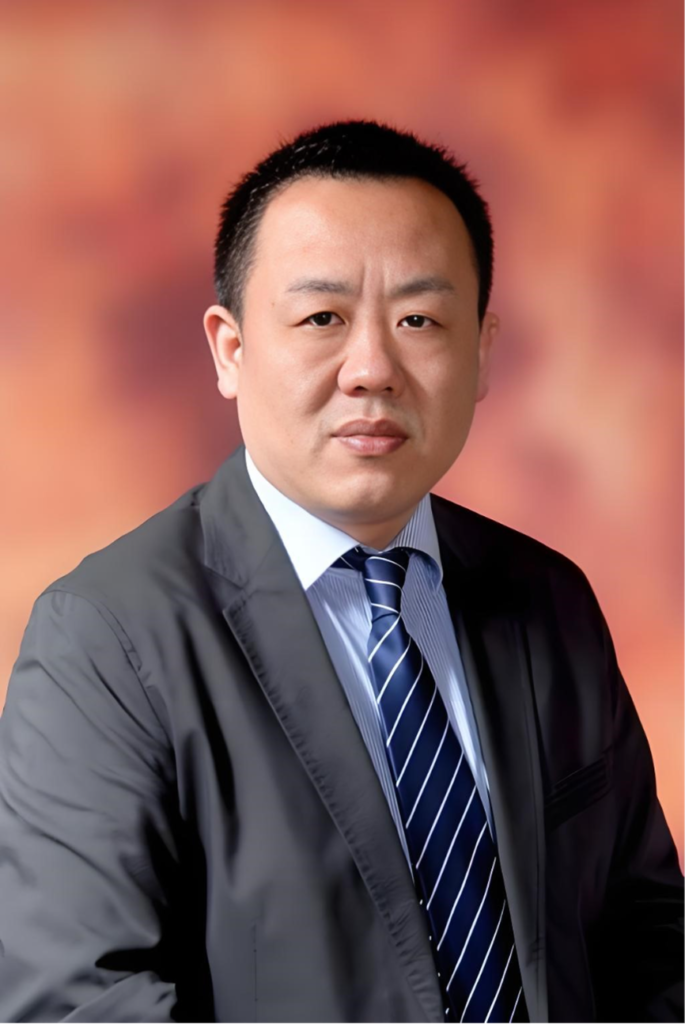
Professor Zeping Zhou Second Affiliated Hospital, Kunming Medical University
• MD, Professor, PhD Supervisor, Postdoctoral Supervisor
• Deputy Director, Subcommittee on Pediatric Hematology and Malignancies, National Health Commission • Standing Committee Member, Hematology Branch, Chinese Medical Doctor Association; Chair, Yunnan Province
• Standing Committee Member, Lymphoma Committee, Chinese Anti-Cancer Association; Chair, Yunnan Province
• Vice Chair, Hematology Branch, Yunnan Medical Association
• Expert Inspector, Center for Food and Drug Inspection (CFDI), National Medical Products Administration • Member, Expert Advisory Committee for Drug Evaluation
• Principal Investigator of 6 National Natural Science Foundation projects and 1 key R&D project in Yunnan Province • Recognized as a leading academic and technical expert and distinguished physician in Yunnan Province