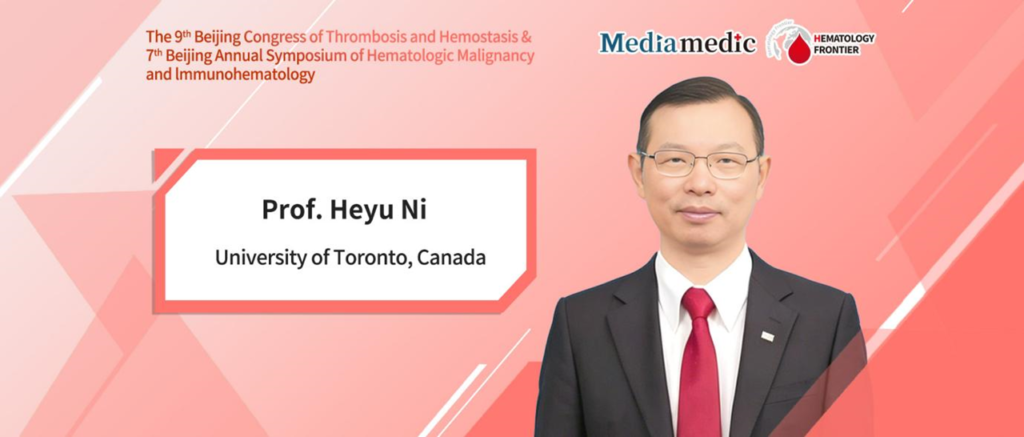
From March 27 to 28, 2026, the 9th Beijing Conference on Thrombosis and Hemostasis and the 7th Beijing Summit Forum on Hematologic Malignancies and Immunology was successfully held in Beijing. The event brought together leading scholars, clinicians, and industry experts from around the world to exchange insights on cutting-edge developments in thrombosis and hemostasis, hematologic malignancies, and immunology, while shaping the future direction of the field.During the conference, Professor Heyu Ni from the University of Toronto delivered an in-depth and insightful presentation on the interactions between platelets and the immune system, as well as their therapeutic implications in immune thrombocytopenia (ITP). Following the meeting, Oncology Frontier – Hematology Frontier conducted an exclusive interview with Professor Ni. A summary of the interview is presented below.
Expanding the role of platelets: from hemostasis to immune regulation
Oncology Frontier – Hematology Frontier: From a mechanistic perspective, platelets are increasingly recognized not only as “hemostatic cells” but also as active participants in immune regulation. How do you interpret the interactions between platelets and both innate and adaptive immunity? What are the key mechanisms underlying their immunoregulatory functions?
Professor Heyu Ni: This is a highly specialized and internationally cutting-edge topic. Our research group has been at the forefront of this field and has made several important contributions.
Traditionally, platelets have been understood primarily in the context of hemostasis, working in concert with the coagulation system to prevent bleeding, while pathologically contributing to thrombotic diseases such as stroke and myocardial infarction. However, it is worth noting that in vertebrates predating mammals, a type of cell known as thrombocytes had already evolved. These cells possess not only hemostatic functions but also characteristics of leukocytes, including immune regulation and the ability to phagocytose pathogens.
For example, thrombocytes can directly kill viruses, bacteria, and even parasites such as Plasmodium. As discussed in my presentation, platelets readily aggregate around red blood cells infected with malaria parasites and release platelet factor 4 (PF4), which induces apoptosis and death of the parasites. This provides strong evidence that platelets possess immune cell–like functions.
In co-culture experiments with bacteria, platelets actively attempt to eliminate pathogens, while bacteria, in turn, develop mechanisms to resist platelet-mediated attack. These findings further support the notion that platelets are an integral component of innate immunity.
Regarding innate immunity, the renowned immunologist Charles A. Janeway, Jr. proposed that innate immunity shapes adaptive immunity, and some experts even argue that it exerts a degree of control over it—though consensus has not yet been reached.
As part of the innate immune system, platelets influence adaptive immunity through multiple pathways. For instance, platelet surface expression of CD40 and CD40 ligand (CD40L) is involved in immunoglobulin class switching, enabling the transition from IgM to IgA, IgG, and IgE. Platelets thus directly contribute to antibody production and germinal center formation, underscoring their critical role in linking innate and adaptive immune responses.
Crosstalk between platelets and the immune system in ITP
Oncology Frontier – Hematology Frontier: In immune-mediated thrombocytopenia (such as ITP), how does the crosstalk between platelets and the immune system manifest at the pathological level? Which mechanisms are currently considered most critical in disease onset and persistence?
Professor Heyu Ni: In patients with ITP, we have observed that treatment with thrombopoietin receptor agonists (TPO-RAs), which increases platelet counts, also exerts a significant impact on the immune system. This effect is well supported by evidence.
However, it should be emphasized that while some mechanisms have been partially elucidated, the majority remain unclear. Further investigation is urgently needed to fully understand how platelets modulate immune responses in this context.
Future directions: therapeutic targets and translational potential
Oncology Frontier – Hematology Frontier: Based on current insights into platelet–immune interactions, do you believe this field could lead to new therapeutic targets or intervention strategies? What research directions or clinical advances are particularly promising?
Professor Heyu Ni: First, for patients with autoimmune diseases or immune hyperactivation, our research suggests a potentially novel therapeutic approach. By storing autologous platelets at 4°C for several hours before reinfusion, desialylated platelets may be preferentially cleared by the liver, thereby inducing immunosuppressive effects. This process appears to reduce inflammation and the incidence of autoimmune diseases such as ITP, systemic lupus erythematosus, and type 1 diabetes. Therefore, the therapeutic application of desialylated platelets may hold promise for treating autoimmune conditions.
Second, while it remains unclear whether platelet-mediated immune regulation directly influences tumor initiation and progression, current evidence suggests that platelets may exert immunosuppressive effects within the tumor microenvironment. Removing this immunosuppressive influence could potentially convert “cold tumors” into “hot tumors,” thereby enhancing responsiveness to targeted therapies and improving clinical outcomes.
Finally, given that the primary functions of platelets are hemostasis and thrombosis—and that thrombotic diseases remain the leading cause of death worldwide—there is considerable interest in developing antiplatelet therapies. CCOA Therapeutics is currently working on novel antiplatelet agents for conditions such as stroke and myocardial infarction, with the aim of improving outcomes for patients with thrombotic diseases.
Expert profile
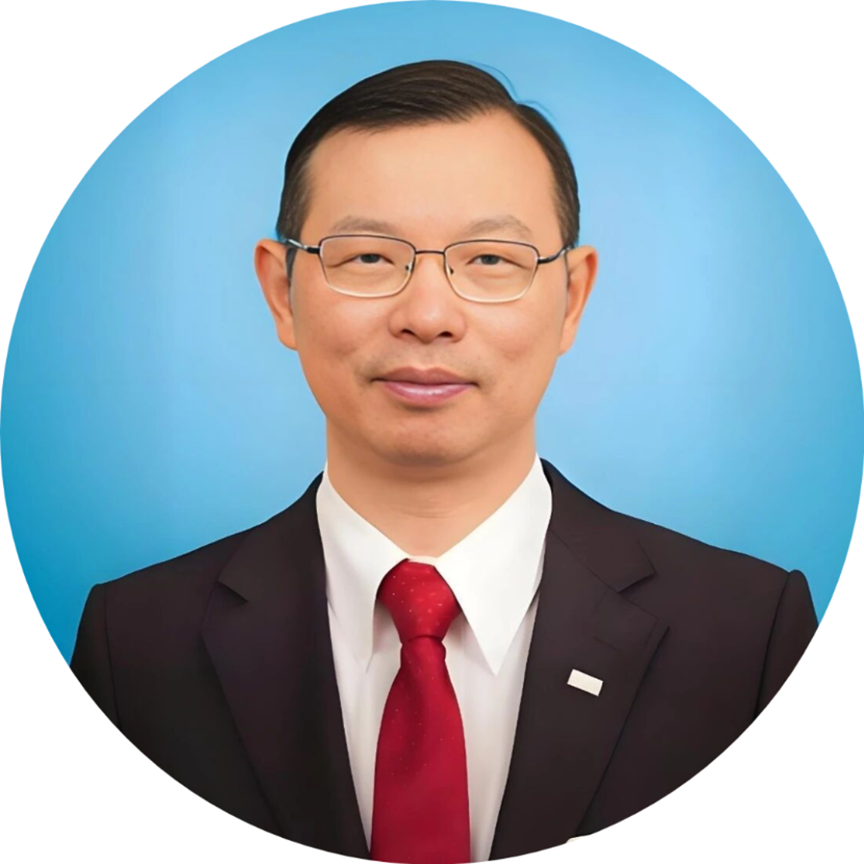
Professor Heyu Ni University of Toronto, Canada
• Full Professor in the Departments of Medicine, Physiology, and Laboratory Medicine & Pathobiology
• Senior Scientist, Canadian Blood Services
• Director, Hematology–Oncology–Immunology Platform, St. Michael’s Hospital, University of Toronto
• Founder, CCOA Therapeutics
In recognition of his groundbreaking contributions to thrombosis and bleeding disorders, immune thrombocytopenia, and fetal and neonatal alloimmune thrombocytopenia (FNAIT), Professor Ni was elected Fellow of the Canadian Academy of Health Sciences in 2020.