In recent years, with the rapid development of precision genomics, hereditary predisposition genes have gained increasing attention for their clinical value in the diagnosis and treatment of hematologic malignancies. At the 67th Annual Meeting of the American Society of Hematology (ASH), a study led by Professor Li Zhihui from Beijing Gaobo Boren Hospital was selected for oral presentation, systematically evaluating the impact of hereditary predisposition genes on outcomes of allogeneic hematopoietic stem cell transplantation (allo-HSCT) and donor selection. Hematology Frontier invited Professor Li for an in-depth interpretation of this study and its implications for clinical practice. Hematology Frontier: In your study, you found that patients carrying homozygous inborn errors of immunity (IEI) mutations achieved significantly better survival outcomes after allo-HSCT when unrelated donors were selected. Could you explain the underlying mechanisms or possible reasons for this finding?
Professor Li Zhihui: With related donors, homozygous IEI mutations are often inherited within families. Therefore, closely related donors, such as parents or siblings, may carry the same homozygous mutation or be heterozygous carriers. As a result, donor-derived hematopoietic stem cells or immune cells may themselves have latent immune functional defects, making effective immune reconstitution after transplantation difficult. This increases the risk of post-transplant infections and non-relapse-related mortality.
In contrast, unrelated donors are unlikely to share the same homozygous IEI mutations due to the absence of blood relationships, and their immune cell function is generally intact. This immunological advantage facilitates more robust immune reconstitution, significantly reduces complications related to immune deficiency, and ultimately improves overall survival quality and long-term prognosis.
Hematology Frontier: Based on your findings, what specific clinical recommendations would you make regarding pre-transplant hereditary predisposition gene testing, particularly IEI-related gene testing, in patients with hematologic malignancies?
Professor Li Zhihui: First, hereditary predisposition gene testing should be considered foundational. We recommend comprehensive screening for hereditary predisposition genes in all patients with hematologic malignancies undergoing allo-HSCT. The testing panel should cover more than 700 genes related to hematopoiesis and immune function, with particular attention to IEI-related genes and genes associated with cellular and humoral immune deficiencies, to provide solid molecular evidence for clinical decision-making.
Second, donor selection should be optimized based on genetic findings. If a patient carries homozygous IEI-related mutations, unrelated donors should be prioritized over related donors. Current evidence indicates that this strategy can significantly improve survival outcomes and reduce transplant-related complications.
Third, risk-adapted stratified management should be implemented. Patients identified with germline pathogenic variants related to cellular or humoral immune deficiencies should be classified as high-risk transplant candidates. Individualized post-transplant intensified monitoring strategies should then be developed, including more frequent immune function assessments and proactive infection prevention measures, enabling refined post-transplant management.
Finally, genetic testing results should directly guide donor screening. When considering related donors, individuals carrying the same high-risk pathogenic variants as the patient should be excluded, thereby optimizing donor–recipient genetic compatibility and improving transplant safety and long-term efficacy.
Hematology Frontier: For patients carrying different types of germline immune deficiency gene mutations, how would you further optimize donor selection strategies? Is it feasible to design personalized transplant approaches based on specific gene types?
Professor Li Zhihui: For patients with homozygous IEI mutations, unrelated donors should be prioritized to avoid potential hereditary risks and immune conflicts associated with related donors. In personalized transplant planning, post-transplant immune reconstitution should be monitored more frequently and in greater depth, with strengthened infection prevention strategies such as optimized antimicrobial prophylaxis and strict aseptic care.
For patients with germline mutations related to cellular or humoral immune deficiencies, donors with intact immune function should be selected whenever possible. This may include unrelated donors or related donors confirmed not to carry the same mutation. Transplant protocols should be adjusted on an individual basis, including tailored graft-versus-host disease (GVHD) prophylaxis with enhanced immunosuppression when appropriate. Post-transplant immune support, such as regular intravenous immunoglobulin replacement and cytokine-based therapies, should be actively implemented to promote immune reconstitution and reduce complication risks.


Publication Number: 1053
English Title: Impact of Hereditary Predisposition Genes to Hematologic Malignancies on Transplant Outcomes and Donor Selection Chinese Title: 遗传易感基因对血液系统恶性肿瘤患者移植结局及供者选择的影响(编号:1053) Type: Oral Presentation First Author: Li Zhihui Corresponding Author: Wu Tong
Background With advances in precision genomics, hereditary predisposition genes associated with hematologic malignancies are increasingly recognized as clinically relevant.
Objective To investigate the impact of hereditary predisposition genes related to hematologic and immune disorders on allo-HSCT outcomes and donor selection.
Methods A retrospective analysis was conducted of 558 patients with hematologic malignancies who underwent allo-HSCT between December 2017 and June 2024. The median age was 16.1 years (range 0.3–71.4), including 260 adults (46.6%) and 298 children (53.4%); 329 patients (59.0%) were male. Diagnoses included B-ALL (40.3%), AML (28.1%), T-ALL (6.6%), T-LBL/ALL (5.9%), B-NHL (3.9%), MDS (3.2%), and others. Prior to transplantation, 334 patients (59.9%) had relapsed disease, and 136 (24.4%) underwent a second allo-HSCT. Complete remission before transplant was achieved in 318 patients (57.0%), and 81 (14.5%) had central nervous system involvement. Donor sources included haploidentical related donors (70.1%), unrelated donors (22.4%), and matched sibling donors (7.5%). Myeloablative conditioning was primarily TBI/fludarabine or busulfan/fludarabine–based. ATG was used for haploidentical and unrelated donor transplants, and GVHD prophylaxis included cyclosporine, short-course methotrexate, and mycophenolate mofetil. All patients underwent pre-transplant hereditary predisposition gene testing using next-generation sequencing of more than 700 genes from peripheral blood DNA of patients and family donors.
Results With a median follow-up of 37.1 months, 3-year OS was 66.3%, DFS 59.2%, cumulative relapse incidence 29.7%, and non-relapse mortality 11.1%. Among the 558 patients, 527 (94.4%) carried class I hereditary predisposition gene variants. The most common mutated genes were BTLA, TNFAIP3, MPEG1, EP300, MLH1, NCF2, MUTYH, KIT, STK11, and RET. Disease-specific enrichment included DNMT3A in AML, UNC13D in MDS, IRF7 in B-ALL, and STK11 and HAVCR2 in B-NHL. Age-stratified analysis showed KIT, CARD14, PROC, and TLR1 mutations predominating in children, while ASXL1 and DNMT3A were more common in adults. IEI-related variants were present in 372 patients (66.7%), though mutation burden was not directly associated with prognosis. Homozygous germline mutations were identified in 42 patients (7.5%), most commonly involving WAS, BTLA, EP300, MPEG1, POLD1, STK11, TNFRSF13C, and UNC13D. In patients with homozygous IEI mutations, unrelated donor transplantation significantly improved outcomes compared with related donors, with 3-year DFS of 87.5% vs. 40.0% and 3-year OS of 87.5% vs. 58.3%. Germline variants related to cellular and humoral immune deficiencies were independent risk factors for inferior transplant outcomes.
Conclusion This study delineates the landscape of hereditary predisposition genes in hematologic malignancies. Homozygous IEI mutations are associated with inferior post-transplant survival, while selection of unrelated donors significantly improves outcomes. Germline variants affecting cellular and humoral immunity independently predict poor prognosis, underscoring the importance of pre-transplant genetic evaluation and rational donor selection.
Expert Profile
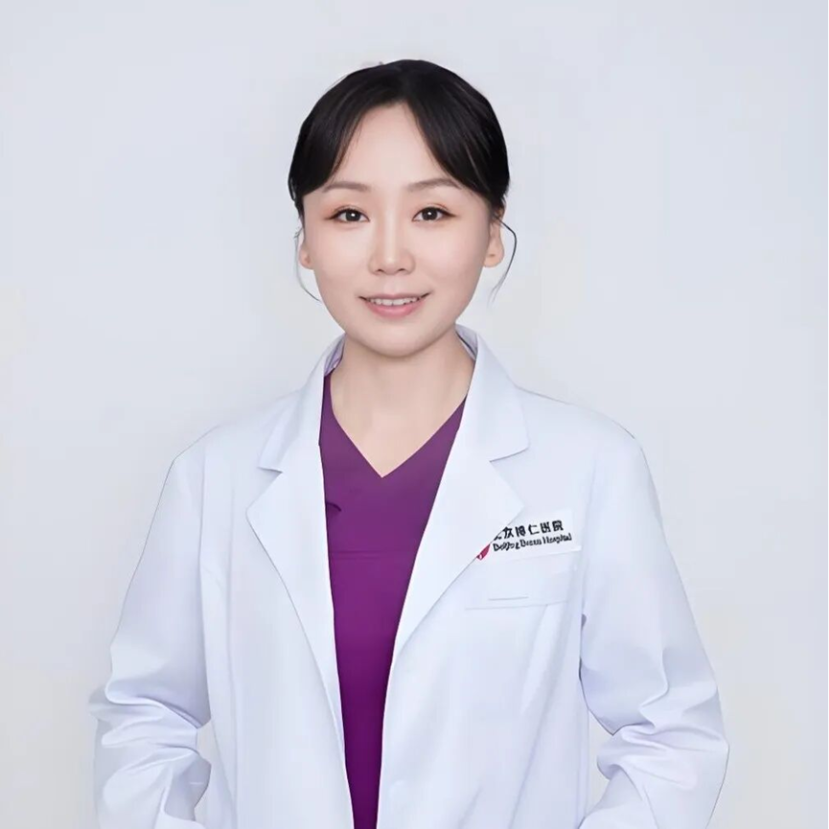
Li Zhihui, MD Beijing Gaobo Boren Hospital
Director, Hematopoietic Stem Cell Transplantation Unit Chief Physician, MD
Clinical Expertise Extensive experience in hematology clinical practice and translational research, with particular expertise in CAR-T bridging to allo-HSCT for B-ALL, T-ALL, NK/T-cell lymphoma, hemophagocytic syndrome, aplastic anemia, and MDS, as well as prevention and management of transplant-related complications.
Academic Appointments Vice Chair, Digital Hematology Diagnosis and Treatment Committee Member, Clinical Application Committee of the China Medicinal Biotechnology Association Member, Hematologic Oncology Committee of the Chinese Anti-Cancer Association Member, Pediatric Oncology Nutrition Committee, Chinese Society of Nutrition Oncology Member, Infection and Inflammation Radiology Committee, Chinese Research Hospital Association Member, Hematopoietic Stem Cell Transplantation Committee, Beijing Cancer Prevention and Treatment Society Editorial Board Member, Radiology Science