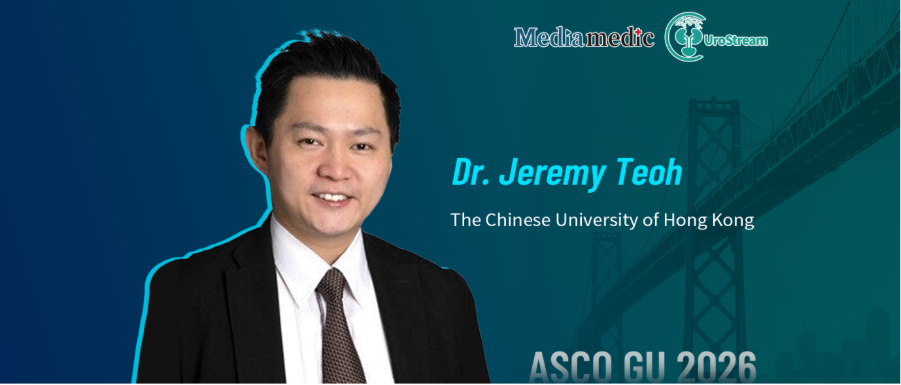
Editor’s Note: At the 2026 ASCO Genitourinary Cancers Symposium (ASCO GU 2026), one of the world’s leading academic platforms in genitourinary oncology, Professor Jeremy Teoh (Yuan-Jin Zhang) and his team from The Chinese University of Hong Kong presented a series of landmark studies on en bloc resection of bladder tumor (ERBT). Backed by high-level evidence, these findings have positioned ERBT at the forefront of innovation in non–muscle-invasive bladder cancer (NMIBC), laying a solid clinical foundation for transforming treatment strategies. NMIBC accounts for more than 75% of newly diagnosed bladder cancer cases. Transurethral resection of bladder tumor (TURBT) has long been the standard first-line surgical approach. However, its conventional piecemeal resection technique has inherent limitations. ERBT, with its advantages of complete tumor removal and precise pathological assessment, has emerged as a major research focus in recent years. The work led by Professor Teoh’s team provides critical evidence supporting the transition of ERBT from technical innovation to standardized clinical practice.
Limitations of Conventional TURBT and the Need for Surgical Innovation
01
Oncology Frontier: ERBT has emerged as a novel surgical approach for NMIBC, and your team has conducted a pivotal phase III trial. Could you share your experience regarding its clinical application?
Professor Jeremy Teoh:[Saut de retour à la ligne] Traditional TURBT relies on piecemeal resection, which has two major shortcomings that contribute to the persistently high postoperative recurrence rate in NMIBC.
First, fragmentation of tumor tissue during resection releases a large number of tumor cells into the bladder lumen, increasing the risk of tumor implantation and early recurrence.
Second, fragmented specimens compromise pathological evaluation, making it difficult to assess surgical margins accurately. This not only increases the risk of residual disease but also affects staging accuracy and subsequent treatment decisions.
ERBT was developed to address these challenges. Its core principle is to remove the tumor en bloc together with surrounding tissue, minimizing tumor cell dissemination. At the same time, intact specimens allow for precise pathological assessment and confirmation of negative margins.
Our center led the world’s first multicenter, randomized phase III trial—the EB-StaR trial (NCT02993211). This study enrolled 350 NMIBC patients with tumors ≤3 cm across 13 centers in Hong Kong, directly comparing ERBT with conventional TURBT.
The results demonstrated that the 1-year recurrence rate was significantly reduced to 28.5% in the ERBT group, compared with 38.1% in the TURBT group. Subgroup analysis showed that patients with solitary tumors, tumor size 1–3 cm, Ta stage, and intermediate-risk NMIBC derived the greatest benefit.
Importantly, ERBT showed a safety profile comparable to TURBT, with no significant increase in complications such as bleeding, bladder perforation, or obturator nerve reflex. Based on these findings, ERBT should be prioritized for tumors smaller than 3 cm.
EB-StaR Post-hoc Analysis: ERBT Plus BCG Reduces Recurrence to 5% in High-Risk NMIBC
02
Oncology Frontier: Your team also evaluated postoperative BCG therapy following ERBT. What insights can you share?
Professor Jeremy Teoh: We conducted a post-hoc analysis of the EB-StaR trial to evaluate outcomes of ERBT versus TURBT when combined with adjuvant intravesical BCG.
Patients treated with TURBT plus BCG had a 1-year recurrence rate of approximately 26.3%, with most recurrences occurring within 3–6 months after surgery. These early recurrences are largely attributable to surgical limitations, including tumor residual and implantation, rather than tumor biology alone.
In contrast, patients treated with ERBT plus BCG demonstrated a strong synergistic effect—combining complete surgical tumor removal with sustained immune control from BCG. Despite all patients being high-risk, the 1-year recurrence rate was reduced to just 5%, and the 2-year recurrence rate to approximately 10%.
These findings highlight a key principle: high-quality radical surgery combined with standardized adjuvant therapy can significantly improve long-term outcomes and may even enable clinical cure in many patients.
Technological Innovation: The VIABLE Trial of Robotic-Assisted ERBT
03
Oncology Frontier: Your team has also developed a robotic platform for ERBT. Could you describe its progress and potential?
Professor Jeremy Teoh: One limitation of ERBT is that conventional instruments are not specifically designed for this procedure, making it technically demanding and limiting widespread adoption.
To address this, our team collaborated with the Faculty of Engineering at The Chinese University of Hong Kong to develop a novel fully flexible dual-arm endoscopic robotic system, evaluated in the VIABLE trial (first-in-human study).
This system enables dual-instrument operation through a standard 26 Fr cystoscope. Surgeons can remotely control the system to perform precise tumor traction and dissection simultaneously, significantly improving accuracy, efficiency, and safety.
In the phase I study, six patients with a total of twelve tumors were treated, achieving a 100% technical success rate. Detrusor muscle was present in all specimens, and all NMIBC cases achieved negative margins. No grade ≥2 complications were observed.
The phase II study is currently ongoing. This technology has the potential to enhance precision, reduce complications, and facilitate broader adoption of ERBT worldwide.
Global Expansion: Real-World Evidence Supporting ERBT Standardization
04
Oncology Frontier: Could you share your ongoing research efforts in this field?
Professor Jeremy Teoh:To further validate the long-term clinical value of ERBT, we have established the Global En Bloc Resection Registry—the first international real-world research platform for this procedure.
More than 100 centers worldwide have joined the registry, with over 3,500 patients enrolled and a target of 5,000. This large-scale effort aims to strengthen the evidence base, define patient selection criteria, and evaluate long-term outcomes and safety across diverse populations.
Ultimately, this initiative will support the global standardization of ERBT and enable more patients to benefit from this innovative surgical approach.
Conclusion
From the landmark presentations at ASCO GU 2026, to phase III randomized evidence, optimization of adjuvant strategies, breakthroughs in robotic technology, and global real-world data initiatives, Professor Jeremy Teoh’s team has established a comprehensive evidence framework for ERBT.
This work is fundamentally reshaping the traditional NMIBC treatment paradigm centered on simple tumor resection. A new strategy—combining high-quality radical surgery with standardized adjuvant therapy—is emerging as the future direction of NMIBC management, offering renewed hope for long-term disease control and potential cure.
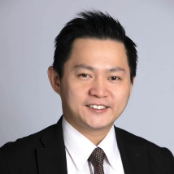
Professor Jeremy Teoh (Yuan-Jin Zhang)