Editor’s Note: The 2026 American Society of Clinical Oncology Genitourinary Cancers Symposium (ASCO GU 2026) brought together cutting-edge advances and landmark studies in genitourinary oncology from around the world. At this year’s meeting, Professor Hao Zeng and his team from West China Hospital, Sichuan University, presented five poster studies focusing on precision treatment strategies for difficult-to-treat cases and rare pathological subtypes in renal cell carcinoma and prostate cancer. These studies provide valuable evidence to inform clinical practice both in China and globally.
Oncology Frontier – UroStream invited Professor Hao Zeng to share insights into the key findings and their clinical implications.
Five Studies from West China Hospital Highlight China’s Advances in Urologic Oncology
Professor Hao Zeng: At this ASCO GU meeting, our team presented five poster studies focusing on precision treatment strategies for challenging and rare pathological subtypes in renal cell carcinoma and prostate cancer. The key findings are as follows:
I. Renal Cell Carcinoma: Addressing Unmet Needs in Non–Clear Cell RCC
Two studies focused on non–clear cell renal cell carcinoma (nccRCC), a subtype lacking standardized treatment strategies, exploring both later-line rechallenge therapy and first-line combination approaches.
1. Rechallenge with Targeted Therapy Plus Immunotherapy: Tertiary Lymphoid Structures as Predictive Biomarkers
Although phase III trials in clear cell RCC have failed to demonstrate benefit from rechallenge strategies combining targeted therapy and immunotherapy, real-world evidence suggests that some patients may still benefit.
We conducted a retrospective analysis of over 700 RCC patients, including 33 patients with metastatic nccRCC who received rechallenge therapy during their treatment course.
The results showed an objective response rate (ORR) of approximately 17%, with a progression-free survival (PFS) of up to 15 months—indicating meaningful clinical benefit in a difficult-to-treat setting.
To identify predictive biomarkers, we performed integrated multi-omics analyses, including immunohistochemistry, multiplex immunofluorescence, transcriptomics, and molecular pathology. While no robust predictive biomarkers were identified at the genomic level, a key breakthrough was observed in tumor morphology: the presence of intratumoral mature tertiary lymphoid structures (TLS).
Patients with such structures in their baseline tumor samples were significantly more likely to benefit from rechallenge therapy. This finding provides an important biomarker to guide treatment decisions in advanced nccRCC.
2. Cadonilimab Plus Axitinib as First-Line Therapy for nccRCC: Promising IIT Results
We conducted an investigator-initiated trial (IIT) evaluating cadonilimab, a PD-1/CTLA-4 bispecific antibody, combined with axitinib as first-line treatment for advanced nccRCC.
A total of 37 patients were enrolled, with a median follow-up exceeding 16 months.
The results demonstrated an ORR of nearly 51% and a radiographic PFS (rPFS) of 17.1 months, representing encouraging outcomes compared with existing first-line data.
The cohort included diverse pathological subtypes, such as TFE3-rearranged RCC and FH-deficient RCC. Further subgroup analyses have identified additional therapeutic signals, and full results are currently being prepared for publication.
II. Prostate Cancer: Optimizing Precision Treatment in Special Pathological Subtypes
Three studies focused on prostate cancer subtypes with poor prognosis and limited evidence to guide treatment decisions.
1. Prostate Cancer with IDC-P: HRD Features Expand the Beneficiary Population for PARP Inhibitors
Our previous research (published in BMC Medicine, 2023) demonstrated that prostate cancer patients with intraductal carcinoma of the prostate (IDC-P) frequently harbor homologous recombination repair (HRR) gene mutations, and even patients without HRR mutations may exhibit a “BRCAness” phenotype.
In this study, we further evaluated homologous recombination deficiency (HRD) scores in IDC-P patients. Nearly 60% of patients showed high HRD scores, even in the absence of HRR mutations.
We conducted a retrospective analysis of CRPC patients treated with PARP inhibitors over five years, stratified by IDC-P status. The results showed that patients with IDC-P derived greater survival benefit from both PARP inhibitor monotherapy and combination therapy.
These findings provide a novel stratification strategy for identifying patients who are more likely to benefit from PARP inhibitor–based treatment.
2. HSPC with AVPC Features: Poor Prognosis Requires Early Intensified Treatment
Aggressive variant prostate cancer (AVPC) represents a highly aggressive subtype with biological features resembling neuroendocrine differentiation.
Most previous studies have focused on AVPC in the CRPC setting. We analyzed over 1,000 HSPC patients and identified those with AVPC features based on clinical and molecular criteria, including visceral metastases, low PSA levels with rapid progression, and alterations in PTEN, RB1, and TP53.
The results showed that patients with AVPC features had significantly worse outcomes across all treatment strategies, including ADT-based therapy, novel hormonal therapy, and chemotherapy.
This suggests that AVPC characteristics should be recognized earlier in the disease course, and intensified combination therapy should be initiated at the HSPC stage to improve outcomes.
3. Localized Prostate Cancer with Variant Histology: Radiotherapy May Offer Superior Outcomes
We analyzed localized prostate cancer patients with variant histology, including IDC-P, ductal adenocarcinoma, and neuroendocrine differentiation, comparing outcomes between radical prostatectomy and radiotherapy.
Patients with these variant features had poorer overall outcomes compared with those with conventional acinar adenocarcinoma. However, in this subgroup, radiotherapy demonstrated a trend toward improved metastasis-free survival (MFS) and biochemical progression-free survival (bPFS).
These findings suggest that radical radiotherapy combined with long-term androgen deprivation therapy (ADT) may be a preferred option for this patient population.
Conclusion: Advancing Precision Oncology for Challenging Patient Populations
Professor Hao Zeng: All five studies presented at this meeting focus on difficult-to-treat and special patient populations in urologic oncology, providing multidimensional evidence to guide more precise and individualized treatment strategies.
For example, in HSPC patients with AVPC features, treatment can be stratified based on molecular characteristics:
- Patients with PTEN loss may benefit from ADT plus abiraterone combined with AKT inhibitors
- Patients with RB1 loss may require intensified chemotherapy-based approaches
- Patients with visceral metastases and high PSMA uptake may benefit from combination strategies including PSMA-targeted radioligand therapy
It should be noted that most of these findings are based on retrospective analyses. As highlighted by many experts at this conference, future prospective trials—such as umbrella studies—are needed to define optimal treatment strategies for patients with different molecular and clinical characteristics.
Ultimately, these efforts aim to maximize survival benefits and advance precision oncology for patients with urologic cancers.
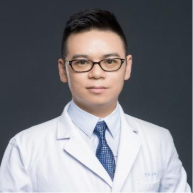
Professor Hao Zeng