
In 2025, China’s renal cell carcinoma (RCC) field achieved significant progress in both clinical management and translational research. Surgical innovation—particularly robotic-assisted inferior vena cava (IVC) tumor thrombus resection—has improved the feasibility and safety of complex procedures. In advanced disease, novel immunotherapy–targeted therapy combinations demonstrated promising efficacy in clear cell RCC and fumarate hydratase–deficient RCC (FH-dRCC). Meanwhile, artificial intelligence (AI)-based imaging models, metabolite-driven liquid biopsy biomarkers, multi-omics molecular subtyping, and intratumoral microbiome studies are advancing precision diagnosis, prognostic stratification, and therapeutic optimization.Oncology Frontier – Urology Stream invited Prof. Pei Dong from Sun Yat-sen University Cancer Center to share insights into the most important clinical research advances in China’s RCC field in 2025.
Surgical Innovation in RCC with Tumor Thrombus
Robotic Single-Docking Technique for IVC Tumor Thrombus Resection
Robotic-assisted tumor thrombectomy (RATT) for level III IVC tumor thrombus represents an emerging but technically demanding procedure. A research team led by Prof. Xuepei Zhang at the First Affiliated Hospital of Zhengzhou University evaluated the safety, feasibility, and efficacy of a novel single-docking robotic approach.
Between 2019 and 2023, 15 patients with level III IVC thrombus underwent RATT at a tertiary center. The surgical strategy included early renal artery ligation, IVC control, and thrombus removal—all performed robotically without redocking. Distal repositioning of the IVC clamp was undertaken when necessary. Median follow-up was 24 months.
All procedures were successfully completed using the single-docking technique. Median operative time was 225 minutes, and median blood loss was 400 mL. Twelve patients (80%) required intraoperative transfusion. Median IVC clamping time was 14 minutes. Seven patients underwent segmental IVC resection, with vascular reconstruction performed in two cases.
Although complications occurred in 73.3% of patients, only three were Clavien-Dindo grade IIIb. At follow-up, five patients had died and one developed liver metastasis. Overall, the study demonstrated that single-docking RATT is feasible, reproducible, and may serve as an alternative to multistage procedures in selected cases.
Advances in First-Line Treatment for Advanced RCC
Immunotherapy–Targeted Therapy Combinations in Advanced RCC
The potential of PD-L1–based therapies in advanced RCC remains incompletely realized, highlighting the need for novel agents.
A Chinese multicenter phase III study led by Prof. Jun Guo, Prof. Xinan Sheng, and Prof. Aiping Zhou compared the novel PD-L1 inhibitor bemarituzumab (note: transliterated as Bemarituzumab in the source; original Chinese name 贝莫苏拜单抗) plus anlotinib versus sunitinib in treatment-naïve advanced clear cell RCC patients (ECOG 0–1).
Patients were randomized 1:1 to receive:
- Bemarituzumab (1200 mg IV every 3 weeks) + anlotinib (12 mg orally, 2 weeks on/1 week off), or
- Sunitinib (50 mg orally, 4 weeks on/2 weeks off).
The primary endpoint was progression-free survival (PFS).
Results demonstrated significantly improved PFS with combination therapy (19.0 vs. 9.8 months). However, hypertension occurred more frequently in the combination group (34% vs. 21%), and three treatment-related deaths (1%) were reported. This regimen may represent a promising first-line option for advanced clear cell RCC in Chinese patients.
First-Line Therapy for FH-Deficient RCC
FH-deficient RCC is a rare and highly aggressive subtype with limited treatment options.
A multicenter phase II single-arm study led by Prof. Hao Zeng from West China Hospital evaluated sintilimab plus axitinib in 41 previously untreated advanced FH-dRCC patients across eight Chinese centers.
The combination achieved:
- ORR: 56%
- Disease control rate (DCR): 73%
- Median PFS: 19.8 months
Patients with lower somatic copy number variation burden derived greater benefit. Grade ≥3 adverse events occurred in 32% of patients, primarily hypertriglyceridemia, rash, and anemia. Overall toxicity was manageable. These findings suggest encouraging activity and support further randomized validation.
Biomarker Development and Predictive Modeling in RCC
AI-Based Plasma Metabolomic Diagnostic Model
Early diagnosis remains a critical challenge in RCC. A multicenter study led by Prof. Liqun Zhou, Prof. Xuesong Li, and colleagues developed an AI-based plasma metabolomic diagnostic model.
From five hospitals, 920 RCC patients and 760 healthy controls were enrolled. Using untargeted metabolomics and support vector machine analysis, seven key metabolites were identified, leading to development of the Renal Cell Carcinoma AI Detector (RCAID).
Performance metrics were exceptional:
- Training cohort AUROC: 0.988
- Internal validation AUROC: 0.977
- External validation AUROC: 0.911
- Multicenter validation AUROC: 0.945
- Temporal validation AUROC: 0.972
The model also performed well in advanced RCC and non–clear cell RCC cohorts. Multi-omics analysis identified six dysregulated metabolic pathways associated with RCC.
Deep Learning for Pathologic and Aggressiveness Prediction
A large-scale imaging study analyzing over 13,000 preoperative CT scans from 4,557 patients developed two convolutional neural network models to predict malignancy and aggressiveness of renal masses.
The malignancy prediction model achieved an AUC of 0.871, outperforming experienced radiologists. The aggressiveness prediction model reached an AUC of 0.783. Both models surpassed traditional radiomics approaches and nephrometry score-based nomograms, enabling non-invasive preoperative risk assessment.
Proteomics in Wilms Tumor
Wilms tumor, the most common pediatric renal malignancy, has a low mutational burden, limiting targeted therapy development.
An integrated multi-omics study incorporating proteomics, phosphoproteomics, transcriptomics, and whole-exome sequencing identified three molecular subgroups with distinct developmental origins. EHMT2 emerged as a promising prognostic biomarker and therapeutic target associated with epigenetic regulation and Wnt/β-catenin signaling.
Transcriptomic Subtyping of FH-Deficient RCC
A comprehensive genomic study further classified FH-dRCC into three molecular subtypes:
- C1: Immune/angiogenesis-enriched — greatest benefit from ICI + anti-angiogenic therapy
- C2: WNT/Notch/MAPK-enriched — moderate response
- C3: Proliferation/stemness-enriched — poor response to both anti-angiogenic therapy and ICI combinations
This classification provides actionable guidance for precision therapy.
Reinforcement Learning for Risk Gene Identification
A novel deep reinforcement learning framework (RL-GenRisk) integrated graph convolutional networks and deep Q-learning to identify potential risk genes in clear cell RCC.
The model identified eight candidate genes, with EGFR and PCLO experimentally validated. This approach offers a scalable method for disease gene discovery.
Intratumoral Mycobiome and Treatment Response
An analysis of 1,044 RCC patients across four international cohorts revealed that patients with a “mycobiome-enriched” phenotype exhibited worse prognosis, higher fungal diversity, lipid metabolism suppression, and CD8+ T-cell exhaustion.
Aspergillus tanneri was identified as a potential key fungal species influencing outcomes. Fungal-related gene signatures robustly predicted immunotherapy response across cancers, highlighting the biological relevance of the intratumoral mycobiome.
Conclusion
In 2025, China’s RCC field made substantial progress across surgery, systemic therapy, and precision medicine. Robotic single-docking techniques enhanced complex tumor thrombus surgery; novel immunotherapy–targeted combinations improved outcomes in advanced clear cell and FH-deficient RCC; and AI-driven, multi-omics, and microbiome research advanced individualized diagnosis and therapeutic optimization.
Continued integration of technological innovation and translational research promises to further improve clinical outcomes for RCC patients in China.
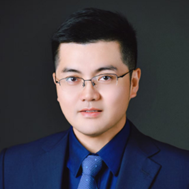
Prof. Pei Dong