
Editor's Note: In recent years, as first-line "targeted-immunotherapy combinations" for advanced hepatocellular carcinoma (HCC) have reached a plateau, clinical therapeutic strategies have gradually shifted toward molecular subtyping–driven individualized treatment. At The Liver Meeting® 2026 (AASLD 2026), Prof. Satdarshan P. Monga from the University of Pittsburgh Medical Center delivered a featured lecture on precision drug development for HCC and granted an in-depth exclusive interview to our journal. In the interview, Prof. Monga systematically shared his forward-looking insights. He noted that TERT promoter, TP53, and β-catenin (CTNNB1) are the three core driver genes in HCC, and targeting β-catenin is expected to benefit approximately 35% of patients as a first step. Regarding therapeutic modalities, bispecific antibodies and lipid nanoparticle (LNP) delivery systems hold the greatest translational potential due to their ability to overcome the barriers of the solid tumor microenvironment. Combination strategies must be built on mechanistic synergy revealed by spatial multi-omics and biomarker stratification, rather than simple drug stacking. Looking ahead to the next 3–5 years, Prof. Monga emphasized that the true paradigm shift will be "a single drug simultaneously achieving signal suppression in one cell type and activation in another," and non-invasive tools such as AI radiomics and digital twin technologies will accelerate this process. This issue of International Hepatology compiles the highlights of the interview for our readers.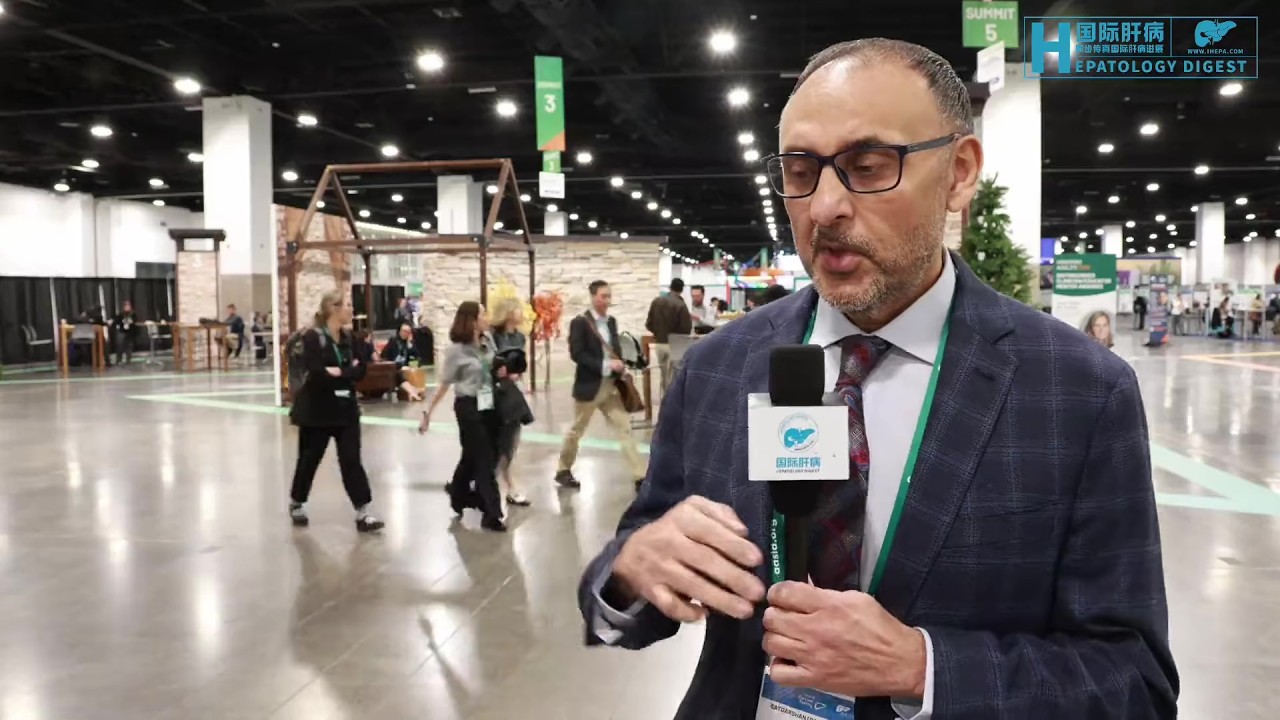
The field is shifting from “one-size-fits-all” target–immune combinations toward molecular-subtype-driven therapy. How do you assess recent clinical breakthroughs in these areas, and which targets are most likely to change practice first?
Prof. Monga: It’s a very important question. Thank you for having me. I am a firm believer in precision medicine. I have witnessed the revolution where everyone was given the same drug to treat the same type of cancer. But now, based on deep sequencing and whole-genome sequencing, we know that all these cancers are driven by different molecules and different genetic aberrations. It is almost naive to think they will all respond to the same group of drugs.
From my perspective, if we look specifically at primary liver cancer, the three major driver genes include TERT promoter mutations, TP53 mutations, and β-catenin (CTNNB1) mutations. Personally, I believe that if we can target these three major genes and their products, it will have a profound impact on liver cancer treatment. As you saw from my talk, we are working in the field of β-catenin since 2005, specifically figuring out ways to target b-catenin and the Wnt pathway in HCC. There are several clinical trials underway, and we believe that targeting β-catenin will help treat approximately 35% of all liver cancer patients. Now, based on the same technology and principals, whether we can target the TP53 and TERT in HCC, remains to be seen.
Beyond small-molecule inhibitors, new modalities—GPC3 ADCs, bispecifi antibodies, armored GPC3 CAR-T—have reported early clinical signals in 2025–2026. Given the tumor microenvironment and solid-tumor delivery challenges, which modality do you think is most translatable in liver cancer, and what are the key bottlenecks?
Prof. Monga: Again, a very important question. I think the reason why GPC3 has become such an attractive target is that it is not expressed in normal liver tissue but is exclusively and highly expressed on cancer cells. This characteristic is critically important—if you can deliver an inhibitor precisely to these specific cells or develop immune cells again this antigen, you can substantially reduce the risk of adverse effects while significantly enhancing drug efficacy. Having said that, although several clinical trials of CAR-T cell therapy initially showed encouraging early results, newer data indicate that the effects are often transient and fail to produce durable responses.
I am truly excited about the bispecific antibodies. If a single antibody can simultaneously target two distinct sites—for example, bridging a cancer cell and an adjacent immune cell—it has the potential to produce a much more durable therapeutic effect by interrupting spatial cell-cell interactions and neighborhoods. I am very enthusiastic about bispecific antibodies and believe this will be a particularly important direction to watch going forward. At the same time, I also believe that lipid nanoparticle (LNP)–based therapies hold considerable promise. LNPs can be synthesized and engineered to deliver drugs specifically to target cells. Once the “cargo” is successfully delivered to the intended cell, it can exert a powerful anti-tumor effect.
In summary, many exciting advances are on the horizon, but I do have my personal preferences.
Dual immunotherapy, “IO + anti-VEGF”, and PD-1/VEGF bispecifics are evolving rapidly, yet not all combinations translate into survival gain. Should future combination strategies be built on mechanistic synergy or biomarker stratification?
Prof. Monga: Absolutely, another excellent question. As we discussed at the outset regarding precision medicine, you cannot expect favorable outcomes merely by stacking therapies. I have observed that many current clinical trials simply combine proven immune checkpoint inhibitors with various tyrosine kinase inhibitors (TKIs), or pair two different immune checkpoint inhibitors. To the best of my knowledge, many such combinations lack mechanistic rationale and are just out of existing convenience and without much mechanistic justification. Combination regimens must be derived from deep mechanistic research. Therefore, it is critically important to continue investigating the underlying biology. We now have numerous advanced technologies at our disposal—such as spatial multi-omics that combines spatial transcriptomics, proteomics, metabolomics, which can elucidate intercellular crosstalk: which cells are communicating with which, and which are driving tumor progression. If you can leverage such data to identify biomarkers, and then select patients who would benefit from a specific bispecific antibody or other approaches targeting the most relevant molecules, that is the right way to practice precision medicine in liver cancer, in my opinion.
Looking 3–5 years ahead, what is the most anticipated paradigm shift in liver cancer drug development? In an era of genomics-, spatial-omics- and multi-omics-guided personalized management, what capabilities must clinicians, translational researchers, and industry each build to deliver on that vision?
Prof. Monga: Yes, again, a very important question. We are living in an era where artificial intelligence is playing an increasingly important role. AI is assisting us in many ways. Today, someone in the session mentioned development of digital twins. We have collaboartors at the University of Pittsburgh in my department who are not just doing that but also developing biomimetic twins. These technologies offer opportunities to molecularly subtype patients and administer treatments in these models to assess treatments before they are even administered to real patients.
This is critically important: as you noted in an earlier question, not all patients are created equal, and therapies must be tailored. As technologies refine and as we learn more about disease mechanisms through spatial multi-omics, we will identify novel biomarkers. Further, each patient has their unique identity, etiology, risk factors, disease modifiers etc. Using multiscale modeling and other computational frameworks, discovery of biomarkers will help stratify patients into different “buckets,” each to receivie unque therapies based on their specific category.
But how do we identify these biomarkers? Obtaining a liver biopsy is not a routine but this practice is rapidly changing. HCC biomarker discovery was way behind due to lack of liver biopsies as standard of care and now it is being requested almost as part of all clinical trials and hope this becomes part of the practice. Once these biopsies and tissues become available, digital pathology becomes very important. Several studies including our recent study in Hepatology (TESERA) has identified ways to use H&E and computational pathology to address patient survival in HCC. There are non-invasive methods are available currently for HCC diagmosis. Radiomics—where CT scans and MRIs are analyzed to identify molecular subclasses of liver cancer and guide treatment—will be crucial. I personally feel that AI-based radiomics tools will be a major asset in identifying these patients. Our group and others have dabbled in this field to identify b-catenin gene mutations and results that we published are exciting. More work needs to be done in this area.
The other key point I want to emphasize is drug delivery to specific cell types. Not only are cancer cells important, but the immune microenvironment is equally critical. There are other supporting cells like stellate cells and endothelial cells—all creating an environment in which the tumor thrives. We need drugs that can inhibit a pathway in one cell type while activating a pathway in another. How do you accomplish that? Through very careful chemistry to identify mechanisms and means of delivering drugs to those specific cells.
I think the real paradigm shift will come when a single medication can turn off a signal in one cell and activate a signal in another. Given the pace of technology, discovery and invention, I am hopeful that we will start seeing such technologies within the next 5 to 10 years.