A global dialogue on cancer prevention and control, and an opportunity to share China’s experience with the world.
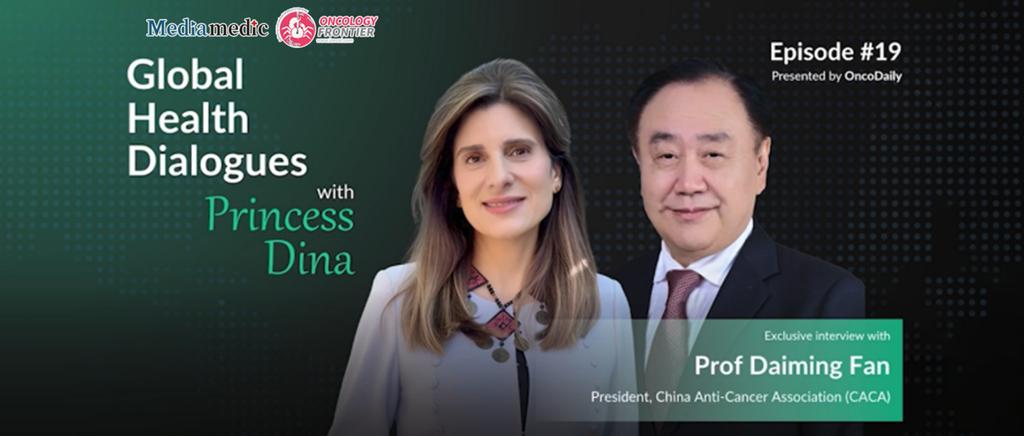
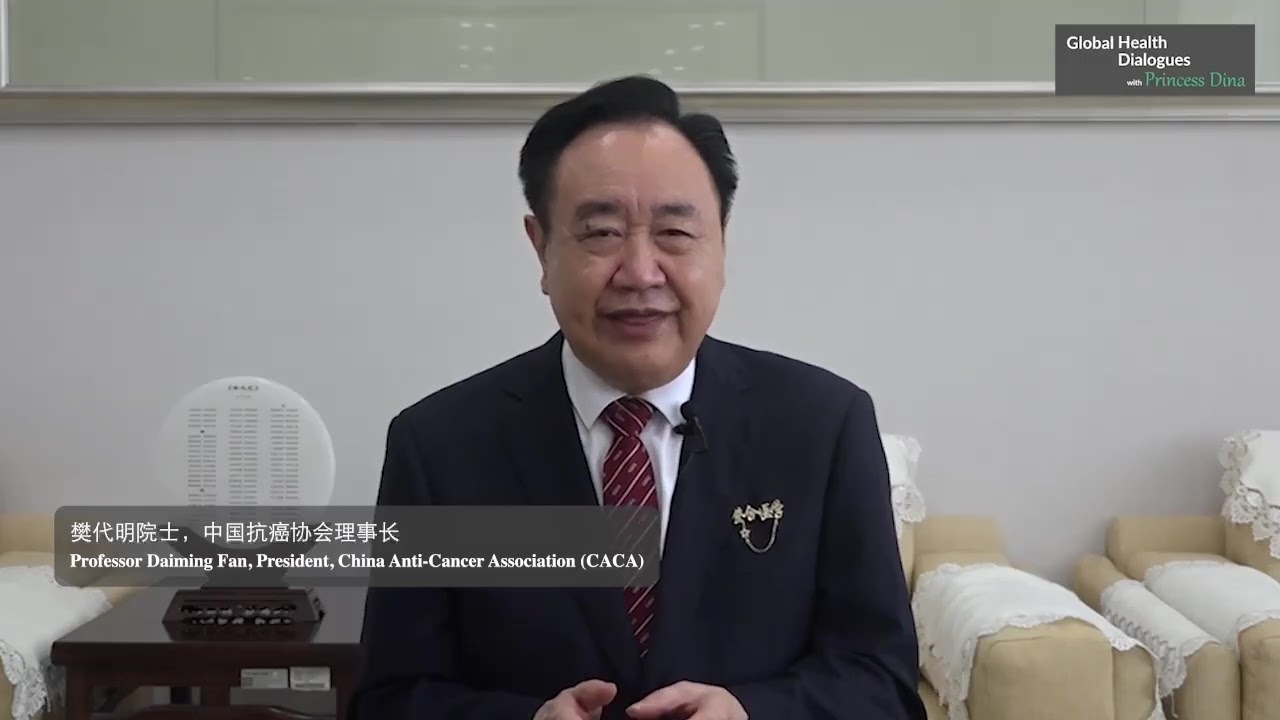
Recently, Academician Daming Fan, President of the Chinese Anti-Cancer Association (CACA), was invited to an exclusive interview with Princess Dina Mired of Jordan, former President of the Union for International Cancer Control (UICC). With a history spanning more than 90 years and members in over 170 countries, UICC is one of the world's most influential organizations in cancer control and prevention.During the interview, Academician Fan provided an in-depth account of China’s current landscape and latest advances in cancer prevention and treatment, as well as its locally developed approaches to cancer control. He also offered a comprehensive overview of the achievements made by CACA over the past decade, sharing China’s experience, strategies, and reflections on the future development of cancer care with the international community.
I. Personal Journey in Medicine
Princess Dina Mired of Jordan: Professor Fan, let me begin with you personally. You have had an extraordinary career as a physician, scientist, educator, and institutional leader. What initially drew you to medicine and ultimately led you to devote yourself to cancer? Was there a particular experience that fundamentally shaped the way you think about medicine today?
Academician Daming Fan: Thank you very much for this interview. When I was young, I served in the military and worked as a border guard in Tibet. At that time, the weapon I carried was a gun, which I used to protect people’s lives. However, what truly inspired me to study medicine and become a physician dedicated to saving lives was an experience involving one of my fellow soldiers.
He suddenly developed severe abdominal pain and vomiting. However, medical resources were limited at the time, and it was not until he began vomiting fecal matter that we realized he had an intestinal obstruction. Despite our best efforts to resuscitate him, he eventually passed away.
This experience deeply affected me. From that point on, I decided to enter a military medical university. After graduating, I became a gastroenterologist. Because solid tumors of the digestive tract, such as esophageal, gastric, and liver cancers, are very common and extremely difficult to treat, I gradually became involved in oncology.
II. Three Major Milestones in China’s Cancer Development
Princess Dina Mired of Jordan: Before discussing your leadership of the Chinese Anti-Cancer Association, I would like to hear your perspective on the broader development of cancer care in China. The period when you received your medical training coincided with profound changes in China’s modern healthcare system. You later specialized in gastroenterology and oncology and witnessed this transformation firsthand throughout your career.
Today, China carries one of the world’s heaviest cancer burdens, but the overall cancer landscape and the country’s capacity to respond to cancer have changed dramatically. Looking back over the past 30 years, what do you consider the three most important milestones in China’s cancer development?
Academician Daming Fan: Looking back over the past 30 years, and particularly the past decade, I would highlight three important milestones. China has a very large population and a high cancer incidence. Over the past three decades, I have witnessed three key developments.
The first milestone: China developed its own cancer diagnosis and treatment guidelines.
For a long time, we relied on international guidelines to treat Chinese patients. International guidelines are valuable, but differences in ethnicity, environment, and lifestyle mean that the same cancer can present differently in different populations.
Take liver cancer, for example. In Western countries, many cases are caused by hepatitis C, which can be cured. In China, however, liver cancer is more commonly associated with hepatitis B, which is much more difficult to treat. In esophageal cancer, approximately 90% of cases in China are squamous cell carcinoma, primarily associated with smoking and alcohol consumption, whereas approximately 80% of cases in Western countries are adenocarcinoma, mainly associated with acid reflux. Breast cancer is diagnosed approximately 10 years earlier in Chinese patients than in Western patients, and the density of tumor tissue is also higher.
Therefore, CACA brought together 16,000 experts and spent nearly two to three years developing the first set of CACA guidelines specifically for China. These guidelines cover 53 cancer types and 72 treatment modalities. They have three distinguishing features.
First, they are better suited to the Chinese population. International guidelines use only 4% Chinese data, whereas our guidelines incorporate 60% Chinese data.
Second, they incorporate traditional Chinese medicine (TCM).
Third, they are updated every three years, ensuring continuity and stability within the guideline system.
The second milestone: A substantial improvement in China’s five-year cancer survival rate.
Following the publication of the guidelines, we organized more than 10,000 training sessions nationwide, reaching a cumulative audience of 2.6 billion person-times. Physicians’ diagnostic and treatment capabilities improved significantly.
Ten years ago, China’s five-year cancer survival rate was 33.3%. Today, it has reached 43.7%, an increase of 10 percentage points. China has approximately five million new cancer cases every year. This improvement therefore means that more than 500,000 additional lives can be saved annually. To be honest, these figures are based on data from four years ago. I believe the actual improvement has been even greater since then.
The third milestone: China’s experience and approaches are reaching the world.
We have translated CACA’s guidelines into 16 languages and disseminated them to 156 countries through the journal Holistic Integrative Oncology. Every month, we organize international summits with countries from different continents, broadcasting them globally. The cumulative audience has exceeded 540 million.
Through these efforts to promote our guidelines, we have shared China’s diagnostic and treatment approaches and technologies and provided training for healthcare professionals. More importantly, we have brought Chinese-developed anticancer drugs to the international market. Last year, China’s anticancer drug exports reached US$135 billion, and exports had already reached US$115 billion in the first half of this year.
These three milestones can be summarized as the development of independent diagnosis and treatment guidelines, improved patient survival, and an expanding global influence.
III. Leadership Philosophy and Holistic Integrative Oncology
1. From Disease-Centered to Patient-Centered Medicine
Princess Dina Mired of Jordan: Academician Fan, before discussing the Association’s achievements, I would like to understand the core philosophy underlying your leadership. I understand that you frequently advocate a shift from disease-centered medicine to patient-centered medicine. What does this mean, and what has convinced you that modern medicine needs to make this transition?
Academician Daming Fan: We are not simply sharing technologies and drugs. More importantly, we are sharing China’s philosophical thinking and the transformation in our approach to medicine.
For a long time, we viewed tumors solely as enemies to be eliminated. However, our new philosophy can be summarized in what I call the “three-pronged approach”: fighting cancer, controlling cancer, and supporting life.
Let me first explain why we need to reconsider the concept of “fighting cancer.” Tumor cells are not foreign invaders. They originate from the body’s own cells and have existed since the embryonic stage. Tumors grow because the body’s natural ability to regulate cell growth has failed.
If we rely exclusively on aggressive approaches such as surgery, chemotherapy, and radiotherapy to “fight cancer,” the five-year survival rate among patients with advanced stages of common cancers is only approximately 20%. Most patients ultimately die from other causes.
This leads us to the second concept: controlling cancer. Rather than directly killing cancer cells, we seek to suppress their growth and spread. We have identified five pathways for controlling cancer:
- Cancers associated with toxins: For example, liver cancer caused by aflatoxins and lung cancer caused by smoking. Eliminating the toxins can help control these cancers.
- Infection-associated cancers: Examples include liver cancer caused by hepatitis B virus, nasopharyngeal carcinoma caused by Epstein–Barr virus (EBV), gastric cancer associated with Helicobacter pylori, and cervical cancer caused by human papillomavirus (HPV). Controlling the infection can help prevent cancer recurrence.
- Cancers associated with hormonal imbalances: Examples include breast and thyroid cancers, for which hormonal imbalances need to be corrected.
- Obesity- and metabolism-related cancers: These require metabolic regulation and weight management.
- Depression-associated cancers: Psychological health problems need to be addressed through appropriate interventions.
By treating the underlying causes rather than directly attacking cancer cells, we can keep cancer cells dormant and avoid stimulating them to develop in a more dangerous direction.
The third component is supporting life. We need to support the body’s own vitality because the human body has a strong natural capacity to control cancer. However, many treatment approaches can actually damage this inherent ability.
The true value of traditional Chinese medicine lies in protecting the body, preventing tumors, reducing treatment-related adverse effects, and improving overall therapeutic outcomes.
2. The Meaning of Holistic Integrative Oncology
Princess Dina Mired of Jordan: This way of thinking led you to propose holistic integrative oncology. For international audiences, the word “integrative” is sometimes misunderstood as referring to complementary or alternative medicine, but your concept appears to be much broader. What exactly is holistic integrative oncology, and how does it differ from the multidisciplinary care already provided by many comprehensive cancer centers?
Academician Daming Fan: I summarize integrative oncology through a three-part strategy.
The first is “everything for cancer patients”—everything we do should serve the patient. When a patient seeks medical care, we must comprehensively consider all available diagnostic and treatment approaches and determine which are appropriate and which are not. We should not use a treatment simply because a physician knows how to administer it. Instead, we should choose treatments based on what the patient actually needs.
This requires us to set aside professional biases and departmental boundaries and genuinely place the patient’s needs at the center of care.
The second is “care for all cancer patients”—we must take responsibility for every patient. We cannot develop treatment plans for only a small proportion of patients while remaining helpless when treating everyone else. We must make every possible effort to cover the entire population, regardless of disease severity or cancer stage.
The third is “comprehensive care throughout the cancer journey”—we must take responsibility for patients throughout the entire course of their disease. Cancer care does not end with surgical removal of a tumor or several cycles of chemotherapy. We must provide full-course management, covering prevention, early screening, diagnosis, treatment, rehabilitation, and palliative care throughout the patient’s lifetime.
The core of integrative oncology is the concept of the “whole.” This includes not only the patient’s physical body but also their environment, psychological state, lifestyle, social support, and every other relevant factor.
Every individual is unique, and the same cancer can behave very differently in different people. Therefore, we must integrate all relevant factors to develop a precise, individualized treatment plan for each patient.
Multidisciplinary team discussions are a valuable approach. Experts from different specialties come together to discuss a patient’s case, but simply sitting around the same table is not enough. Without a unified philosophy to guide the process, specialties may become increasingly fragmented, with each expert viewing the patient solely from their own professional perspective. This can actually lead to overdiagnosis and overtreatment: patients are divided into separate parts by different specialties rather than treated as whole individuals.
That is why we advocate moving beyond multidisciplinary discussions toward holistic integrative medicine. Multidisciplinary collaboration is the tool; holistic integration is the goal. We need to elevate multidisciplinary discussions into integrated medical decision-making.
We also advocate moving from “evidence-based medicine” toward “evidence-based medicine combined with experience-based medicine.” We do not reject precision medicine or the value of scientific evidence. However, evidence is not the final answer. It is a reference point and cannot replace clinical judgment.
Genuine treatment decisions should integrate three elements: high-quality clinical evidence, physicians’ extensive experience, and patient-reported real-world outcomes. The true standard for evaluating treatment efficacy is the outcome in the real world. If patients say a treatment works, that is what truly matters.
3. Specialization and the Wholeness of the Individual
Princess Dina Mired of Jordan: Modern oncology has achieved extraordinary progress through specialization. We are increasingly able to treat individual organs, genes, and molecular pathways with precision. But does this high degree of specialization carry the risk of making us lose sight of the whole person? Is bringing all specialized knowledge together around the patient the core of your philosophy?
Academician Daming Fan: You have identified a very important issue. Specialization has brought tremendous progress to medicine. We can now treat specific organs, genes, and molecular pathways with increasing precision, which is certainly a positive development.
However, everything has two sides. The more specialized medicine becomes, the narrower the field each expert sees. Cardiologists focus on the heart, pulmonologists on the lungs, and oncologists on tumors. But patients are not simply collections of separate organs; they are whole individuals.
A patient with heart disease may also have pulmonary problems, psychological difficulties, financial pressures, and family challenges. These issues may not appear in imaging or pathology reports, but they are real and can profoundly affect treatment outcomes and quality of life.
This is why I have consistently emphasized the importance of being patient-centered. Specialization gives us strength, while integration gives us direction.
Specialization without integration is empty, and integration without specialization is blind. Experts from different fields must work together with a shared commitment to the patient, rather than acting independently.
So the answer is yes: specialization does carry the risk of overlooking the whole person, and the goal of integrative medicine is to reduce that risk.
4. The Role of Traditional Chinese Medicine and Standards of Evaluation
Princess Dina Mired of Jordan: Finally, what role does traditional Chinese medicine play in holistic integrative oncology?
Academician Daming Fan: This is a very important question. Traditional Chinese medicine represents thousands of years of accumulated Chinese medical wisdom. Before Western medicine was introduced into China approximately 200 years ago, Chinese people had already been using traditional medicine to treat cancer and other diseases.
At that time, people did not understand genes or cells, but they understood that when a person became ill, the body needed to be cared for and supported. This gave rise to the distinctive system of traditional Chinese medicine.
Let me give you a few examples.
Arsenic trioxide, used to treat leukemia, does not directly “kill cancer.” Instead, through specific mechanisms, it helps cancer cells “return to the right path,” and it has achieved excellent results worldwide.
When resistance develops during Western medical treatment and no further options appear to be available, regulating the gut microbiota may restore the sensitivity of resistant cells.
For patients with cancer-related pain who do not respond to various analgesics, acupuncture or moxibustion can sometimes play a significant role.
I do not believe we should choose between traditional Chinese medicine and Western medicine. Instead, we should integrate the two, just as a child does not need to choose between a father and a mother.
Integrative oncology naturally incorporates traditional Chinese medicine. It is not simply the addition of traditional Chinese medicine to Western medicine, but rather their deep integration.
In terms of philosophy, traditional Chinese medicine emphasizes “strengthening the body’s healthy energy and consolidating its foundation,” which is entirely consistent with our concept of “supporting life.” In clinical practice, traditional Chinese medicine can play a distinctive role in cancer prevention, improving treatment efficacy, reducing adverse effects, and preventing tumor recurrence.
Princess Dina Mired of Jordan: Should traditional therapies ultimately be subject to the same unified standards of scientific evidence, safety, and efficacy as other cancer interventions?
Academician Daming Fan: Of course. Traditional Chinese medicine has thousands of years of clinical experience, accumulated across hundreds of years and hundreds of millions of people. This represents a form of “big data” with a sample size larger than that of any clinical trial.
However, this does not mean that traditional Chinese medicine does not require modern evaluation. We should use modern scientific methods to study and validate traditional Chinese medicine while also respecting its own underlying system of logic.
We cannot evaluate traditional Chinese medicine solely by Western medical standards, just as we cannot use a ruler to measure weight.
IV. Major Achievements of the Chinese Anti-Cancer Association
Princess Dina Mired of Jordan: Today, the Chinese Anti-Cancer Association is regarded as one of the world’s largest professional oncology organizations, with an increasingly influential role in global cancer policy. The Association has not only grown rapidly in size but has also become increasingly prominent in guideline development, professional education, research, public awareness, and cancer policy.
Under your leadership, what do you consider the Association’s most important achievements?
Academician Daming Fan: Its most important achievements are the three milestones I mentioned earlier.
First, the development of the Association’s guidelines gave Chinese physicians, for the first time, diagnostic and treatment recommendations specifically designed for Chinese patients.
Second, the five-year survival rate improved from 33.3% a decade ago to 43.7% today through the dissemination and implementation of these guidelines.
Third, China has moved from following others to taking a leading role. The Chinese oncology community is no longer simply following the work of others. Our guidelines have been disseminated to 156 countries, China’s anticancer drug exports reached US$135 billion last year, and our international summits have attracted a cumulative global audience of more than 540 million.
We are also strengthening international cooperation. At the China Congress of Holistic Integrative Oncology this November, we will invite 50 international organizations from around the world to serve as co-organizers, further promoting China’s approaches internationally.
Princess Dina Mired of Jordan: How do you ensure that these guidelines are actually implemented and change the lives of patients in hospitals hundreds or even thousands of kilometers away, particularly in resource-limited areas?
Academician Daming Fan: This question gets to the heart of the matter. We have a two-layer support system.
The first layer is government-led. The central government has issued an official document calling for the development of an “integrated medical service system” over the next 12 years. The system is expected to have a complete structure, clearly defined responsibilities and authorities, complementary functions, coordinated and continuous services, and efficiency and resilience.
This has already been incorporated into the 15th Five-Year Plan and has become a national strategic priority. With this top-level government planning, we now have institutional guarantees for funding and personnel. Resources are being directed particularly toward remote regions and primary healthcare institutions so that effective policies can reach the places where they are most needed.
The second layer is driven by the Association. We have organized more than 10,000 guideline training sessions nationwide, reaching physicians at all levels. These activities include in-person lectures, online livestreams, and continuing medical education courses, with a cumulative audience exceeding 2.6 billion person-times.
Our goal is to ensure that every physician truly understands and can apply the guidelines, so that every patient can ultimately receive standardized, high-quality care.
Princess Dina Mired of Jordan: Among all these achievements, which are you personally most proud of? What do you believe has had the greatest impact on cancer diagnosis and treatment in China?
Academician Daming Fan: All three milestones make my colleagues and me proud. If I had to choose one, I would select the first: the development of the Association’s guidelines.
The improvement in survival rates and the expansion of our international influence are both built on this foundation. Without the guidelines, none of the subsequent achievements would have been possible.
The most profound impact on cancer diagnosis and treatment in China is not a particular number or statistic, but a fundamental transformation: the Chinese oncology community now has its own “voice.”
For decades, we followed others, using other countries’ guidelines, looking at their data, and following their directions. Today, however, we have developed a comprehensive system based on China’s epidemiological characteristics, genetic background, clinical practice, and pharmaceutical research and development.
We have moved from being learners to becoming creators, and from followers to leaders. This transition from following to leading is the most profound change in cancer diagnosis and treatment in China.
V. International Roles and Global Collaboration
Princess Dina Mired of Jordan: Professor Fan, your influence extends far beyond China. You served as a member of the UICC Board from 2018 to 2022. During that period, I had the privilege of serving as the organization’s president, and we worked together at an important time for global cancer control.
Could you tell us about your other international positions and how these experiences have influenced your thinking about China’s position in the global oncology community?
Academician Daming Fan: As you mentioned, when you served as President of UICC, I was a member of its Board. You are a senior colleague whom I greatly respect.
I have also served as President of the Chinese Society of Gastroenterology, President of the Asian Pacific Association of Gastroenterology, and President of the World Congress of Gastroenterology.
Currently, I am President of the Chinese Anti-Cancer Association, President of the Asian Society of Oncology, and President of the World Society of Integrative Oncology. I am also a foreign member of the national academies of medicine of the United States, France, and Brazil.
Science knows no borders. Working with international organizations has given me a global perspective and helped me better understand China’s position and the value it can contribute.
The world is interconnected. We learn from colleagues in other countries and are equally willing to share China’s experience and approaches with the world. Our ultimate goal is singular: to advance the global fight against cancer together.
My dream is that, regardless of who holds office in the future, experts and academic organizations from every continent and country will unite and bring together global resources to address cancer-related needs across different regions, populations, and environments.
We will remain firmly committed to this path.
Princess Dina Mired of Jordan: As President of the Association, how do you view the evolution of its international role? Can it become an even stronger bridge between China’s cancer experience and the global oncology community?
Academician Daming Fan: My vision for the Association’s international role is very clear. It should serve both as a bridge through which China’s cancer experience can reach the world and as a window through which the world can better understand China.
Our progress has depended on our own efforts, but it has also relied heavily on learning from the strengths of other countries.
Looking ahead, the only way forward is through greater unity and more extensive exchange. Working in isolation and closing ourselves off from the world will never lead to success.
We are willing to learn from colleagues worldwide and share our philosophies, approaches, and experience without reservation. At the same time, we sincerely hope that colleagues in other countries will continue to support us. The more cooperation, the better.
Cancer is a common enemy of humanity, and no country can confront it alone. Only through global collaboration can we bring greater hope to cancer patients everywhere. Cancer is extremely complex, and genetic and environmental factors differ across populations. Work carried out in different regions can therefore complement one another.
VI. Changes in China’s Cancer Burden and Prevention and Control Strategies
Princess Dina Mired of Jordan: China is undergoing a remarkable epidemiological transition, much of which you have witnessed firsthand during your career. Could you first describe how the cancer burden in China has changed over the past 30 years? Which cancers were most common when you began practicing medicine, and what does the landscape look like today?
Academician Daming Fan: This is a very broad question. Overall, China’s cancer burden is heavier than it was in the past. The number of new cases continues to rise, although the upward trend in cancer mortality has been brought under control. Improvements in survival rates, however, have been relatively gradual.
When I first began practicing medicine, gastric cancer was the most common and most deadly cancer in China. After decades of effort, its incidence has fallen to fourth or fifth place. This represents progress.
At the same time, colorectal cancer, lung cancer, and breast cancer have become more common. These changes are closely related to lifestyle. Industrialization brings wealth, and greater wealth leads to richer diets, less physical activity, and longer life expectancy.
Essentially, the cancers that caused the greatest harm in the past have declined, while new cancer patterns have emerged. This is part of the natural process of development.
Studying changes in the overall cancer landscape can sometimes be more meaningful than focusing on an individual gene or cell. Nevertheless, I firmly believe that no matter how cancer changes, there are always more solutions than problems. The key is global unity and cooperation.
Princess Dina Mired of Jordan: Interestingly, the age-standardized incidence rates of historically common cancers in China, such as liver and gastric cancer, are declining, while breast and colorectal cancers are becoming increasingly prominent.
To some extent, China is facing two cancer challenges simultaneously: the continuing burden of infection-associated cancers and the growing burden of cancers associated with aging, urbanization, and lifestyle changes.
How is China adjusting its prevention and control strategies to address these changes? What concerns you most about the future direction of China’s cancer burden?
Academician Daming Fan: I completely agree with this assessment. China’s disease spectrum has indeed changed.
Infection-associated cancers, including liver cancer, nasopharyngeal carcinoma, Helicobacter pylori-associated gastric cancer, and cervical cancer, are actually declining because the government has placed considerable emphasis on infection prevention and control.
By contrast, metabolism-related cancers, such as colorectal cancer, are increasing.
In response to these dual pressures, our strategy is not to focus on just one type of cancer. Instead, we are adopting comprehensive prevention and control measures.
The central government has proposed a strategy targeting four major categories of chronic diseases: cancer, cardiovascular and cerebrovascular diseases, diabetes, and chronic respiratory diseases. These conditions are closely interconnected and must be managed in a coordinated manner.
What concerns me most is the problem of “becoming wealthy and then becoming ill.” Economic development and improved living standards have brought metabolic challenges associated with eating more, exercising less, and living longer. Cancer naturally becomes more common as people age. Industrialization also brings health challenges, and depression has now been included among the four major chronic disease categories.
Therefore, we call on governments around the world to consider economic development and health protection together. When planning industrial development, they must assess its impact on health. When planning healthcare services, they must also take development needs into account.
Otherwise, people may become wealthier but also experience more diseases and more cancer, resulting in enormous losses for society. This is a complex issue that requires comprehensive consideration.
VII. Lessons and Insights From Cancer Prevention
Princess Dina Mired of Jordan: China’s experience with hepatitis B vaccination is a classic example of cancer prevention. What lessons has China learned from hepatitis B prevention and control? Can these lessons be applied to HPV vaccination and cervical cancer elimination?
Academician Daming Fan: China has accumulated important experience in hepatitis B prevention and control. With strong government intervention, the number of people infected with hepatitis B has fallen from more than 100 million to tens of millions, and liver cancer incidence has gradually declined.
This success demonstrates that active intervention against infectious causes of cancer, whether viral or bacterial, is one of the most effective prevention strategies.
These lessons can certainly be applied to HPV vaccination and cervical cancer elimination. China is already advancing this work on a large scale, particularly in vaccination. I believe we will achieve further success in the near future.
VIII. Challenges in Tobacco Control and Prevention
Princess Dina Mired of Jordan: However, another enormous challenge remains: tobacco. Lung cancer is still the leading cause of cancer-related death in China and worldwide.
How concerned are you about the tobacco problem? Do you believe China has done enough to control smoking? More broadly, given that prevention saves both lives and money, why does it remain such a difficult policy investment?
Academician Daming Fan: I have always opposed smoking. Whenever I have an opportunity to speak publicly, I emphasize this issue.
The smoking problem in China remains unresolved. Although smoking rates among young people have declined, older smokers are living longer, and new smokers continue to emerge. As a result, the total number of smokers remains very large.
The Chinese government has already taken measures, including smoking bans in public places and stronger public health education about the harms of smoking. However, we cannot force people to quit. There is still a long and difficult road ahead before this problem can truly be resolved.
An even more serious issue is secondhand and thirdhand smoke. Many women have never smoked, yet the incidence of lung cancer among them remains high and is closely associated with passive smoking.
Smoking not only causes lung cancer but is also associated with many other types of cancer. This is not merely a medical issue; it is also a matter of social governance.
Therefore, in addition to continuous public education by healthcare professionals, coordinated action by governments and society as a whole is needed. I also hope you will continue to promote tobacco control globally, as you have done for so many years.
IX. Research Investment and the Innovation Ecosystem
Princess Dina Mired of Jordan: China’s scientific transformation did not happen overnight. Over several decades, from the 863 Program and 973 Program to today’s research initiatives, the country has continued to make substantial investments in science and technology, with funding still increasing.
How important has this sustained investment been in building China’s current cancer research ecosystem?
Academician Daming Fan: The 863 Program and 973 Program were national development initiatives focused on basic science. In the medical field, they primarily supported research into the fundamental mechanisms of disease and drug development.
They achieved substantial results and laid a solid foundation for China’s cancer research ecosystem, significantly narrowing the gap between Chinese basic research and the international frontier.
Ten years ago, Chinese researchers published only a handful of cancer-related papers each year in leading journals such as Nature, Cell, Science, The New England Journal of Medicine, JAMA, The BMJ, and The Lancet. Today, that number has increased to approximately 50 papers annually.
This enormous leap forward was made possible by the foundations established through these programs, which have greatly advanced the development of oncology in China.
Princess Dina Mired of Jordan: Many governments, particularly those in low-income countries, face a difficult choice: should they invest in urgent healthcare needs today or in research that may not produce results for many years?
If a finance minister were to say, “Research is a luxury I cannot afford,” how would you respond?
Academician Daming Fan: Basic research is not a luxury; it is the foundation. If the foundation is unstable, everything built on top of it will collapse.
It is like an airplane that needs a runway to take off. Without a sufficient runway, it will never be able to fly.
Forty years ago, when China’s economy was still struggling, we nevertheless invested in the 863 and 973 Programs. It is precisely because of those investments that we have achieved the progress we see today.
My advice to developing countries is to invest strategically and concentrate research funding on key areas. At the same time, they should actively cooperate with developed countries and use external support to strengthen their own capabilities. In other words, they should “borrow a chicken to lay eggs.”
Once their own capabilities become stronger, they can pursue independent innovation, hatch those eggs into chickens, raise them, and eventually produce their own eggs.
China is now helping countries participating in the Belt and Road Initiative by dispatching medical teams, promoting diagnostic and treatment guidelines, and receiving many international patients for treatment in China.
Experience has shown that regardless of how poor a country may be, it must invest in basic research. This is the only path toward future development. Without China’s early investment, we would not have achieved what we have today.
X. Cancer Registration and Data-Driven Decision-Making
Princess Dina Mired of Jordan: One achievement that has received relatively little international attention is China’s cancer registration system, which has developed into one of the world’s largest cancer surveillance systems.
How important is high-quality cancer data to the development of national cancer strategies?
Academician Daming Fan: High-quality cancer data provide the essential foundation for developing national cancer prevention and control strategies.
Today, data and artificial intelligence have become core drivers of scientific and technological progress. China has not yet achieved nationwide registration of every cancer patient, as some Western countries have. However, we have established large registration centers across major regions of the country, collecting representative data to construct an overall picture of the national cancer landscape.
These data help the central government understand the overall health status of the population. They also provide a scientific basis for local authorities to implement targeted measures, allocate healthcare resources appropriately, evaluate prevention and control outcomes, and promote successful experiences.
There is still room to improve our data system, and we need to continue strengthening it. Ultimately, all decisions on cancer prevention and treatment must be based on data. Data provide the fundamental guidance.
Princess Dina Mired of Jordan: Countries around the world talk about data-driven policymaking, but data are often collected and published only to be left unused.
China appears to be using cancer registration data to identify trends, develop targeted screening strategies, allocate resources, and evaluate programs. How has China developed a culture in which cancer data genuinely influence policy and investment decisions?
Academician Daming Fan: Data-driven decision-making is an inevitable choice for every government. Information asymmetry is one of the fundamental causes of development gaps.
In the past, cancer-related data in China were fragmented and sometimes insufficiently accurate. In recent years, however, the government has actively promoted the development of big data and large-scale models, and our data systems have become increasingly comprehensive and precise.
With these data, we can clearly identify the most common cancers in different regions and determine their underlying causes, whether environmental, infectious, hormonal, metabolic, or psychological. This allows us to develop targeted prevention strategies according to sex, age, and geographic region.
The World Health Organization has pointed out that 60% of diseases originate from lifestyle-related factors. Since lifestyles differ across regions, investing resources in prevention is far more efficient than relying on treatment alone.
By comparison, medical intervention alone contributes only approximately 10% to health outcomes. Governments must take a long-term perspective and rely on data to formulate policies if they are to allocate resources appropriately.
XI. Clinical Trial Ecosystem and Pharmaceutical Innovation
1. Transformation of the Clinical Trial Ecosystem
Princess Dina Mired of Jordan: One particularly striking aspect of China’s transformation has been the growth of its clinical trial ecosystem. China has evolved from being primarily a participant in international studies to becoming one of the world’s major centers for clinical research.
How did China achieve this transformation?
Academician Daming Fan: The transformation of China’s clinical trial ecosystem has involved a progression from “following” to “running alongside” and ultimately to “leading.”
In the early stages, China relied primarily on imported drugs and had limited opportunities to participate in international trials. As science and medicine advanced, we gradually began participating in and leading a large number of clinical trials involving domestically developed innovative drugs.
Today, approximately one-third of the presentations and posters at the annual meeting of the American Society of Clinical Oncology (ASCO) come from China. This is attributable to our large patient population and continuously improving research and development capabilities.
2. Balancing Speed, Scale, Scientific Quality, and Safety
Princess Dina Mired of Jordan: One of China’s major advantages is its ability to coordinate large, high-volume cancer centers and recruit patients for multicenter clinical trials on a scale and at a speed that many countries cannot match.
However, speed and scale also bring responsibility. How does China ensure that the rapid expansion of clinical research does not compromise scientific quality, ethical review, or patient safety? How important is alignment with international research standards as China becomes more deeply involved in global trials?
Academician Daming Fan: China relies on its institutional strengths and multilevel quality-control mechanisms to ensure that clinical trials can develop rapidly while maintaining scientific quality, ethical standards, and patient safety.
First, at the institutional level, we have a unified organizational structure. CACA relies on its nationwide network of member hospitals to promote the implementation of policies and regulatory standards.
Second, nationwide multicenter validation helps ensure the reliability of results. In particular, Phase II and Phase III clinical trials require repeated validation across multiple medical institutions to confirm the consistency of findings. At the same time, drug development strictly adheres to internationally recognized survival endpoints, including overall survival.
Third, continuous post-marketing monitoring is essential. All these achievements will ultimately be applied to a population of 1.4 billion people. After approval, they remain subject to ongoing supervision by China’s national drug regulatory system and the global scientific community.
Deep integration into the global clinical trial system and alignment with international standards are extremely important. Clinical trial standards are consistent worldwide; the key lies in their implementation. This requires researchers to have a high level of professional expertise and study results to undergo rigorous review.
The Chinese government attaches great importance to this responsibility. If a problem is identified, a “one-vote veto” is implemented, because human lives are at stake.
At present, the number of clinical trials conducted in China is comparable to that in the United States. Both countries have completed more than 10,000 trials over the past decade. However, there are still gaps in quality and international influence.
First, most studies focus on physical diseases, with insufficient exploration of functional disorders.
Second, international collaboration needs to improve. The pace at which research findings enter international guidelines and receive international recognition remains relatively slow.
Third, relatively few studies are published in top-tier journals, with most appearing in upper- and middle-tier journals.
China and the United States each have their own strengths in clinical trials. If we can share our respective advantages and support one another, we will certainly be able to lead the development of clinical trials worldwide.
3. From Adopting Innovation to Creating Innovation
Princess Dina Mired of Jordan: Perhaps the most striking achievement is that China is no longer simply importing cancer innovations from other countries but is increasingly developing its own.
Chinese researchers and biotechnology companies are developing novel immunotherapies, targeted drugs, antibody-drug conjugates, bispecific antibodies, and chimeric antigen receptor T-cell therapies, some of which have attracted considerable international attention.
When did you begin to feel that China had genuinely completed its transition from adopting innovation to creating original innovation? What does this transformation mean for Chinese patients in terms of access, treatment options, and affordability?
Academician Daming Fan: China’s transition in cancer technology from following others to pursuing innovation did not begin suddenly in a particular year. Rather, it has been a gradual process that has become increasingly evident.
The key driving force was our recognition that Western guidelines and drugs may not be entirely suitable for Chinese patients because of differences in genetic backgrounds and environmental factors.
Recognizing the limitations of imported treatment approaches, particularly when they are ineffective or produce unsatisfactory results in Chinese patients, and using these unmet needs to drive new drug development has been a crucial step toward creating first-in-class therapies.
At the same time, innovation is not limited to new drugs. It also involves the “art of using drugs”—combining and integrating existing therapies and optimizing treatment strategies.
Some of the most promising original contributions may come from traditional Chinese medicine. With a patient-centered approach, traditional Chinese medicine has demonstrated distinctive value in supporting Western medical treatment, extending survival, and improving quality of life.
Thousands of years of medical experience mean that traditional Chinese medicine can serve not only Chinese patients but may also gradually reach the rest of the world.
This transformation has profound implications for Chinese cancer patients:
- Accessibility: In the past, patients relied on expensive imported drugs, which many could not afford. Today, an increasing number of domestically developed innovative drugs and traditional Chinese medicine approaches are available, allowing patients to access effective treatment within China.
- Treatment options: Patients are no longer limited to foreign guidelines. Chinese-developed drugs, combination treatment strategies, and integrated traditional Chinese and Western medicine approaches provide more individualized options that better reflect the genetic backgrounds and environmental characteristics of Chinese patients.
- Affordability: Domestic research and development have substantially reduced drug costs. Together with expanded medical insurance coverage, this allows more families to afford long-term treatment.
XII. Medical Insurance Coverage, Costs, and Accessibility
1. Financial Protection for Ordinary Families
Princess Dina Mired of Jordan: China has achieved near-universal coverage under its basic medical insurance system, which is a tremendous accomplishment for a country of this size. However, universal health coverage does not mean that all cancer treatments are free or that every treatment is reimbursed in full.
When an ordinary Chinese family receives a cancer diagnosis today, how much financial protection can it expect? Does financial toxicity remain a major problem? Where are the biggest gaps?
Academician Daming Fan: In China, cancer patients can benefit from the “special outpatient diseases” policy, which substantially increases the proportion of medical expenses reimbursed by medical insurance. The reimbursement ceiling is generally between RMB 200,000 and RMB 300,000.
Financial toxicity remains a prominent problem. Addressing it requires progress in two areas.
First, society must continue to develop. The more developed a society becomes, the greater the protection available to its people. Coverage for both common diseases and cancer will continue to improve.
Second, we must vigorously promote the development of new drugs—medications that are more effective, have fewer adverse effects, and cost less.
A combination of a more prosperous society, lower drug prices, and effective prevention and early screening is needed to address this problem. It is a systemic social issue that cannot be solved through any single measure alone.
2. Multilevel Financial Protection and Balancing Innovation
Princess Dina Mired of Jordan: Cancer treatment is becoming increasingly sophisticated and expensive, making financial protection more challenging. However, China has included several innovative anticancer drugs in its national reimbursement system and has substantially reduced drug prices through negotiations.
More recently, China has also been developing multilevel financial protection, including commercial insurance pathways for highly innovative and expensive treatments such as chimeric antigen receptor T-cell therapy, which currently exceed the sustainable capacity of basic medical insurance.
Is this multilevel model the direction China will take in financing high-cost cancer innovations in the future? How do you balance three goals: rewarding innovation, ensuring patient access, and maintaining the sustainability of the medical insurance system? How should we determine which innovations have sufficient clinical value to justify inclusion in public reimbursement?
Academician Daming Fan: Yes, the government is actively advancing this work. It is focusing primarily on two areas: strongly supporting new drug development and introducing preferential policies to make effective drugs accessible to more patients.
To be precise, I am not a policymaker. However, I do not believe these three goals are in conflict. They form a positive cycle that is essential for social development.
On the one hand, we must continuously promote innovation so that better technologies and drugs can emerge. On the other, we must always remain patient-centered and ensure that effective drugs are accessible. More importantly, we must continuously strengthen the medical insurance system to ensure its long-term sustainability.
Coordinating these three objectives is exactly what China is working to achieve today.
Assessing clinical value requires careful consideration. There are indeed many technologies that can provide additional clinical value, including FLASH radiotherapy, proton therapy, and chimeric antigen receptor T-cell therapy.
These technologies are valuable in themselves, but there is still a long way to go before they can be incorporated into the public medical insurance system.
3. Lessons for Other Countries
Princess Dina Mired of Jordan: China’s enormous market gives the government considerable bargaining power in drug negotiations, for example through negotiations over the National Reimbursement Drug List.
What lessons can smaller countries learn from China’s approach to drug price negotiations and reimbursement? For countries in Africa, the Middle East, and other regions that do not have China’s purchasing power individually, could regional joint negotiations or centralized procurement improve their bargaining power and ultimately increase access to expensive anticancer drugs?
Academician Daming Fan: The government is indeed making efforts to reduce the financial burden on the medical insurance system and the public. Considerable progress has been made in reducing drug prices in recent years.
However, we must find a balance in this process. From the patient’s perspective, a drug must be effective. If its price is reduced so much that its efficacy is compromised, the purpose is defeated. From the pharmaceutical company’s perspective, the price must also be sustainable. If a company cannot even recover its costs, problems will arise.
Patients must be able to afford their medications, pharmaceutical companies must be able to continue operating, and the government must find a balance between the two.
For less-developed regions such as Africa and the Middle East, regional joint negotiations or centralized procurement are certainly worth exploring. However, the key is still to maintain balance. If that balance is lost and any party is harmed, the ultimate outcome will not be favorable.
The most fundamental solution, of course, is to help these countries develop independently. Once their economies become stronger, they will be able to develop effective drugs themselves, and patients will be able to afford them. Only then can the problem be genuinely resolved.
XIII. Healthcare Equity and Strengthening Primary-Level Capabilities
Princess Dina Mired of Jordan: China now has several leading cancer institutions integrating prevention, diagnosis, multidisciplinary treatment, research, clinical trials, and education. However, the greater challenge lies beyond these leading institutions.
How can you ensure that the high standards achieved by leading institutions in Beijing, Shanghai, and Guangzhou translate into equally high-quality cancer care at provincial, county, and rural hospitals?
Academician Daming Fan: As I mentioned earlier, having guidelines is not enough. If they cannot be implemented, they are simply pieces of paper.
Medical care in major cities, particularly highly advanced technologies, is very different from the situation in rural areas far from urban centers.
The central government has consistently promoted the transfer of medical resources to primary-level institutions. Hospitals at different levels send medical teams and physicians to provide local guidance, extending their support all the way to village clinics.
At the same time, primary-level physicians receive further training at major hospitals. Online education, academic conferences, and other approaches are also used to continuously strengthen capabilities at the grassroots level.
The division of responsibilities is now quite clear. Primary-level hospitals mainly focus on prevention and early screening; secondary- and tertiary-level hospitals are responsible for treatment; and leading hospitals handle the most complex cases.
This model has already produced noticeable improvements.
In addition, China’s transportation infrastructure is now highly developed. High-speed rail has reduced journeys that previously took an entire day to approximately one hour. This issue will be addressed even more effectively in the future, and the government continues to promote these efforts.
XIV. Artificial Intelligence, Digital Health, and Healthcare Equity
Princess Dina Mired of Jordan: China is investing heavily in artificial intelligence, digital health, and big data. Where do you believe AI can provide the greatest value in cancer diagnosis and treatment? Can it enable rural patients to benefit from the expertise of major cancer centers, or could AI and precision medicine actually widen healthcare inequalities?
Academician Daming Fan: AI and big data are two of the most important fields in science and technology today. They have already permeated almost every industry, including medicine.
In oncology, AI will provide tremendous support for remote consultations and remote diagnosis, as well as the interpretation of pathology and imaging results. It will undoubtedly bring enormous benefits to the development of medicine.
At least for now, AI cannot replace physicians. However, physicians who do not understand AI will certainly be replaced—either by AI itself or by physicians who understand how to use AI.
The Chinese government is vigorously promoting AI development. Every industry needs to invest in it, but ultimately, it will reduce costs and produce results that were previously unimaginable.
For example, the remote interview we are conducting today would not have been possible without AI and big data.
Any new technology, including advanced technologies, is intended to promote the development of an industry. However, it can either promote greater balance or create greater imbalance. The key lies in how governments regulate it.
Technology itself is neither good nor bad. A knife can be used to hurt someone or to save a life. It all depends on who is holding it.
XV. The Global Value of China’s Experience
Princess Dina Mired of Jordan: Many low- and middle-income countries are very interested in China’s journey in cancer prevention and control. China has accumulated experience in cancer registration, professional training, pathology, radiotherapy, affordable medicines, digital health, and clinical research.
If you had to select three aspects of China’s experience that could be most widely applied in developing regions such as Africa and the Middle East, what would they be? How can China help these regions build sustainable local capabilities rather than create dependency?
Academician Daming Fan: First, we should extensively promote public education and awareness. We have compiled a series of books on holistic integrative oncology that, when stacked together, would be two meters high. I believe this represents a valuable resource for all humanity.
The fight against cancer should begin with knowledge-sharing and public education, particularly in cancer prevention.
Second, we should promote the Chinese Anti-Cancer Association’s guidelines. These guidelines were developed because existing international guidelines could not address many of the problems we faced. They can cover a broader patient population rather than only a small group of patients who respond to a particular drug.
Third, we should deepen practical cooperation. Chinese physicians are willing to collaborate with colleagues worldwide in areas such as cancer registration, professional training, pathology, radiotherapy, affordable medicines, digital health, and clinical research.
Twenty years ago, China’s cancer prevention and treatment capabilities were still relatively limited. With assistance from developed countries and our own efforts, we have reached where we are today.
We now have a responsibility to help economically less-developed countries. Only when the entire world improves can China itself become better.
XVI. Key Lessons From China’s Transformation
Princess Dina Mired of Jordan: Looking back at China’s journey in cancer control, what impresses me most is that there has been no single magic solution. Instead, China has made sustained investments in research, cancer registration, prevention, clinical research, medical insurance, professional education, guidelines, and domestic innovation.
What was the real catalyst behind China’s transformation? Or is the true lesson that cancer prevention and control can succeed only when all these components are integrated into one ecosystem?
If you were advising a country just beginning this journey, where would you recommend it start?
Academician Daming Fan: This is a complex question. Different countries have different national conditions, social systems, and populations, but there are also common principles.
China’s achievements today are the result of collective action under the leadership of the central government, involving the participation of 1.4 billion people.
The approaches and experiences we have developed from managing such a large population can serve as references for smaller countries and for countries whose economic development levels are similar to China’s in the past. They offer a pathway that these countries can explore.
However, every country must pursue reform and development according to its own circumstances. Blindly copying another country’s approach always carries risks.
We often say: “Successful experiences are difficult to replicate, but the lessons of failure are often repeated.”
Therefore, if countries around the world have a need for cooperation, we will certainly work together with them wholeheartedly and selflessly.
XVII. Closing Remarks: The Original Mission of Medicine in the Age of Technology
Princess Dina Mired of Jordan: Academician Fan, medicine is entering an extraordinary era. We now have genomics, artificial intelligence, robotics, immunotherapy, cell therapy, and increasingly sophisticated precision medicine.
However, the more advanced technology becomes, the more important it may be to remember the original purpose of medicine.
Throughout your career, you have consistently advocated treating the whole person rather than just the disease. As technology reshapes cancer diagnosis and treatment, how can we preserve compassion, human connection, and the physician-patient relationship at the heart of medicine?
Academician Daming Fan: This is a very important question. Medicine has made enormous contributions to humanity, but the challenges we face today should not be overlooked.
The incidence of chronic diseases continues to rise, and these diseases are not caused by a single factor. In addition, we face climate change, environmental pollution, radiation exposure, and the ever-expanding desires of humanity. Medicine cannot afford to stand still.
The President of France once invited 75 Nobel laureates to discuss how humanity could survive in the future. The final sentence of their declaration was:
“To continue surviving and to live better, humanity must return to the wisdom of Confucius from 2,500 years ago.”
What is the wisdom of Confucius and other ancient Chinese philosophers? It is a holistic perspective centered on human beings, as well as the holistic view that humans and nature should coexist in harmony.
A human being is not merely a physical body. People also have a spirit and a soul that need to be cared for.
Only by fully integrating Eastern philosophy with Western science can we build a new system of medical knowledge for the future and genuinely protect human health. This is the essence of holistic integrative medicine.
Precision medicine represents scientific thinking, while Eastern philosophy represents philosophical thinking. Only by bringing the two together through integrative medicine can we shape the future of medicine.
Our slogan is: “Integration is the key to success in cancer prevention and control.”
Princess Dina Mired of Jordan: Academician Fan, thank you very much for joining us today on Global Health Dialogue. Your insights have been fascinating and have given us a comprehensive picture of the Association’s work and the many dimensions of China’s transformation in cancer care. Thank you once again, and I look forward to meeting you again in the future.
Interviewee: Academician Daming Fan President, Chinese Anti-Cancer Association
Interviewer: Princess Dina Mired of Jordan Former President, Union for International Cancer Control (UICC)