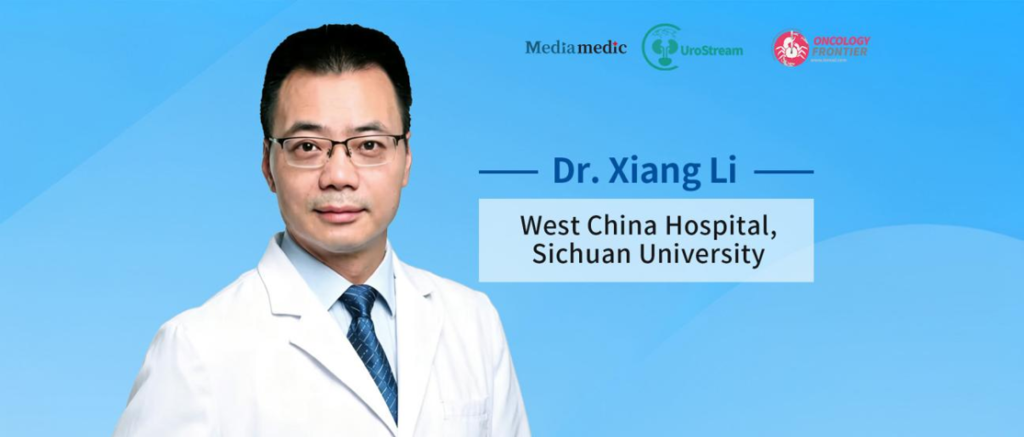
Editor's Note: Treatment decisions for advanced renal cell carcinoma (RCC) are shifting from traditional clinical risk stratification toward precision classification based on molecular characteristics. What is the scientific rationale behind this trend? Which key molecular biomarkers hold the greatest promise for guiding treatment selection and sequencing? And what are the major obstacles to translating scientific discoveries in precision medicine into clinical practice?During the 2026 Annual Academic Meeting of the Urologic Oncology Committee of the Chinese Anti-Cancer Association (CACA), Oncology Frontier – UroStream invited Professor Xiang Li of West China Hospital, Sichuan University to share insights into molecular stratification, key molecular characteristics, and individualized treatment strategies for advanced RCC.
Molecular Stratification: From Clinical Risk Assessment to Precision Molecular Subtyping
Oncology Frontier – UroStream: Treatment decisions for advanced RCC are currently based primarily on clinical risk stratification, histological subtype, and patient status, while treatment guided by molecular characteristics has not yet become routine practice. How do you view the trend toward moving from clinical risk stratification to molecular stratification in RCC?
Professor Xiang Li: In current clinical practice, systemic treatment for advanced RCC is still guided primarily by the intermediate-, favorable-, and poor-risk categories defined by the International Metastatic Renal Cell Carcinoma Database Consortium (IMDC).
However, as early as 2013, the Cancer Genome Atlas (TCGA) research program had already used multi-omics analyses to reveal key driver gene alterations, including VHL, PBRM1, SETD2, and BAP1. Subsequently, molecular profiling studies of non-clear cell RCC, including papillary and chromophobe RCC, were also completed.
Together, these studies have revealed substantial tumor heterogeneity across different RCC subtypes, particularly within clear cell RCC. If treatment decisions rely solely on existing clinical classification frameworks, not every patient is likely to achieve an optimal response to the same treatment regimen. Therefore, it is necessary to develop differentiated treatment strategies based on the molecular characteristics of each tumor.
Research into using molecular subtyping to guide systemic therapy is now gradually emerging. The most established progress to date has been in molecular classification based on transcriptomic characteristics. By contrast, there are still discrepancies between next-generation sequencing (NGS) classification based on DNA mutations and classification based on transcriptomic functional profiles, and these approaches have not yet been fully reconciled.
Regarding the current development of RNA sequencing and transcriptomic subtyping, the testing process is relatively time-consuming and costly, presenting challenges to its widespread integration into routine clinical practice.
By comparison, NGS can effectively identify key molecular events associated with different RCC subtypes. Recent studies also suggest a degree of consistency between these molecular events and their functional and transcriptomic characteristics. On this basis, NGS can already assist individualized treatment decisions to some extent.
Going forward, more prospective studies integrating NGS, immunohistochemistry, and transcriptomic subtyping are needed. These efforts could help RCC treatment move toward the precision medicine models already established in cancers such as breast and colorectal cancer, ultimately enabling more precise molecularly guided treatment strategies based on transcriptomic classification.
Molecular Characteristics to Guide Treatment: Key Biomarkers for Optimizing Treatment Selection and Sequencing
Oncology Frontier – UroStream: RCC exhibits substantial intratumoral and intertumoral heterogeneity. With an expanding range of immunotherapy-based combinations and later-line treatment options, which molecular characteristics hold the greatest promise for further optimizing treatment selection and sequencing?
Professor Xiang Li: Taking clear cell RCC as an example, its molecular characteristics are first reflected in chromosomal alterations. The most common genetic alteration in clear cell RCC is the loss of the short arm of chromosome 3 (3p), which involves four key genes: VHL, PBRM1, SETD2, and BAP1.
Among these, BAP1 mutations are associated with poor prognosis, but they do not directly influence treatment selection. For example, whether to choose targeted therapy alone or dual immunotherapy is not directly determined by this mutation.
Clinically, patients with clear cell RCC harboring the classic quartet of gene alterations associated with 3p loss tend to show relatively high sensitivity to antiangiogenic therapy and immunotherapy. This is particularly evident when tyrosine kinase inhibitors (TKIs) are used sequentially, often resulting in favorable treatment outcomes.
However, treatment strategies may differ for patients with other molecular characteristics, such as mutations in TSC1/TSC2 or TP53. In these patients, targeted therapy combined with immunotherapy, or even dual immunotherapy, may offer greater advantages than targeted therapy alone.
These are the relevant considerations for clear cell RCC.
In the field of non-clear cell RCC, beyond the histological subtypes that have already received considerable attention, several clinically important areas warrant further investigation. These include tumor subgroups driven by TFE3 gene fusions and tumors associated with metabolic abnormalities caused by fumarate hydratase (FH) deficiency.
These special subtypes differ substantially from more common forms of RCC in their pathogenesis, clinical presentation, and responses to existing treatment strategies. Therefore, targeted research into these subtypes has potential clinical translational value.
Taking FH-deficient RCC as an example, recent transcriptomic studies have further classified this disease into three molecular subtypes: C1, C2, and C3. The C1 subtype exhibits relatively higher levels of immune cell infiltration, suggesting a potentially more active immune response within the tumor microenvironment.
Based on this characteristic, combination regimens centered on immune checkpoint inhibitors may provide more substantial clinical benefits for patients with the C1 subtype, offering a more individualized treatment option for this patient population, which generally has a relatively poor prognosis.
From Scientific Discovery to “One Patient, One Plan”: Translating Precision Medicine into Clinical Practice
Oncology Frontier – UroStream: Could precision medicine fundamentally change the relatively uniform treatment pathways currently used for advanced RCC and enable truly individualized treatment? What are the greatest obstacles to translating scientific discoveries into clinical practice?
Professor Xiang Li: I believe the greatest obstacle is how to translate promising breakthroughs identified through clinical or basic research into accessible and readily available testing methods in clinical practice.
To achieve this, we need to reduce the cost of molecular subtyping tests and improve their convenience. These technologies must become sufficiently simple and affordable for routine clinical use, ultimately becoming tools that can be widely adopted in everyday practice.
Once molecular subtyping methods are available for routine use, the next step is to use these classifications as a foundation for individualized treatment. By accumulating real-world clinical data or conducting prospective clinical studies tailored to the specific circumstances of different patients, we can obtain more robust evidence to further advance personalized treatment.
I believe that an increasing number of patients will benefit from molecularly guided individualized treatment in the future.
As these molecular classification tools become more widely implemented in clinical practice, physicians will be able to identify disease subtypes more precisely and adjust treatment strategies accordingly, avoiding the traditional one-size-fits-all approach.
At the same time, the continued accumulation of real-world data will help fill evidence gaps beyond those addressed by clinical trials, while prospective studies will provide higher-level evidence. These two approaches complement each other and together will establish a solid foundation for optimizing individualized treatment strategies.
Conclusion
This interview highlights three key priorities in precision treatment for advanced RCC.
First, the shift from clinical risk stratification to molecular stratification is an important and inevitable direction in the evolution of advanced RCC treatment. NGS has already demonstrated potential for guiding individualized treatment decisions.
Second, key molecular characteristics—including the four genes associated with 3p loss (VHL, PBRM1, SETD2, and BAP1), TSC1/TSC2, TP53, TFE3, FH deficiency, and the C1/C2/C3 molecular subtypes—are gradually becoming important considerations for optimizing treatment selection and sequencing.
Third, the major obstacles to translating precision medicine from research into clinical practice are the accessibility and affordability of molecular testing, as well as the need to accumulate real-world data and prospective clinical evidence.
As molecular subtyping technologies become more widely available and the evidence base continues to expand, the era of truly individualized treatment for advanced RCC—where each patient receives a tailored treatment strategy—is becoming increasingly attainable.
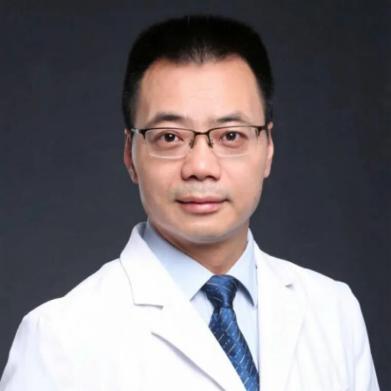
Professor Xiang Li