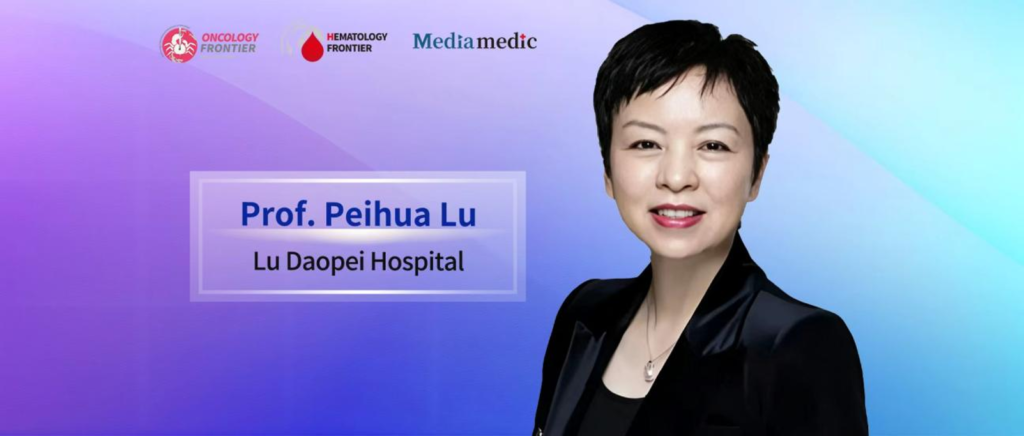
Editor's Note: Yanzhao brings together talented individuals while remaining true to its original mission for 14 years. On August 21, 2026, the the 14th Lu Daopei Hematology Forum grandly opened at Hebei Yanda Lu Daopei Hospital. Building on 14 years of academic development, this year's conference focused on cutting-edge topics including hematopoietic stem cell transplantation, cellular immunotherapy, and precision diagnosis and treatment of hematologic diseases. Experts and scholars from across the field of hematology gathered to discuss advances in the discipline, making the conference an important academic platform for promoting progress in the diagnosis and treatment of hematologic diseases in China. During the conference, Oncology Frontier – Hematology Frontier invited Professor Peihua Lu of Lu Daopei Hospital for an exclusive interview. She shared her insights into the highlights of this year's conference, the value of the academic platform, and the role of multidisciplinary collaboration and research in advancing clinical practice.Oncology Frontier – Hematology Frontier: The 14th Lu Daopei Academic Conference on Hematology was held at the new campus of Yanda Lu Daopei Hospital. As Co-Chair of the conference, could you tell us about the highlights of this year’s academic program, particularly in terms of international exchange and collaboration? What new opportunities has the opening of the new campus created for academic exchange?
Professor Peihua Lu: The annual Lu Daopei Academic Conference on Hematology has continued to grow in success, and this would not have been possible without the support and encouragement of experts and colleagues across the field. After years of preparation, the main venue of this year’s conference was officially established at our new campus. The new campus not only provides patients with a high-quality environment for medical care but also serves as the central venue and an important foundation for academic exchange at this year’s conference.
This year’s conference was centered on the principles of pragmatic innovation, openness, and collaboration. The academic program covered virtually every major area of hematology, including hematopoietic stem cell transplantation, lymphoma, multiple myeloma, cellular therapy, and precision diagnosis and treatment. We established a main forum together with multiple specialized sessions. The atmosphere was highly engaged, with strong participation and attention from attendees.
Oncology Frontier – Hematology Frontier: The Lu Daopei Academic Conference on Hematology has now been held for 14 years, witnessing China’s transformation in hematology from accumulated clinical experience to evidence-based innovation and from technology adoption to independent breakthroughs. In your view, what role has this platform played in improving hematologic diagnosis and treatment in China and promoting academic exchange both domestically and internationally?
Professor Peihua Lu: As an annual high-level hematology forum, the conference brings together renowned experts from China and abroad, young physicians, nursing professionals, and colleagues from laboratory medicine. Participants include clinicians and laboratory professionals at different stages of their careers.
The fundamental purpose of bringing everyone together is to exchange clinical experience and academic achievements while identifying opportunities for collaboration and creating synergies among different teams.
We have always remained committed to our original mission: to disseminate knowledge and share experience through academic conferences, and ultimately translate what we learn into clinical practice to better serve patients with hematologic diseases. This is the fundamental reason why we organize the conference.
Oncology Frontier – Hematology Frontier: This year’s conference focused on major topics including hematopoietic stem cell transplantation, cellular immunotherapy, and precision diagnosis of hematologic diseases. As President of Lu Daopei Hospital, how do you view the future development of multidisciplinary collaboration and the bidirectional integration of clinical practice and research in hematology?
Professor Peihua Lu: Multidisciplinary care is critically important in hematology. Curing malignant hematologic diseases cannot be achieved through a single discipline alone. It requires strong collaboration across multiple specialties to truly move these diseases toward cure.
Without precise diagnosis, there can be no precision treatment. Clinical research likewise follows the principle that clinical problems generate research questions, while research findings ultimately return to the clinic. The bidirectional empowerment of clinical practice and research is a major trend in the development of our field.
For patients with malignant hematologic tumors in particular, we need to combine multiple dimensions and therapeutic approaches and coordinate efforts across disciplines. Only through such comprehensive collaboration can we ultimately help more patients achieve a cure.
Expert Profile
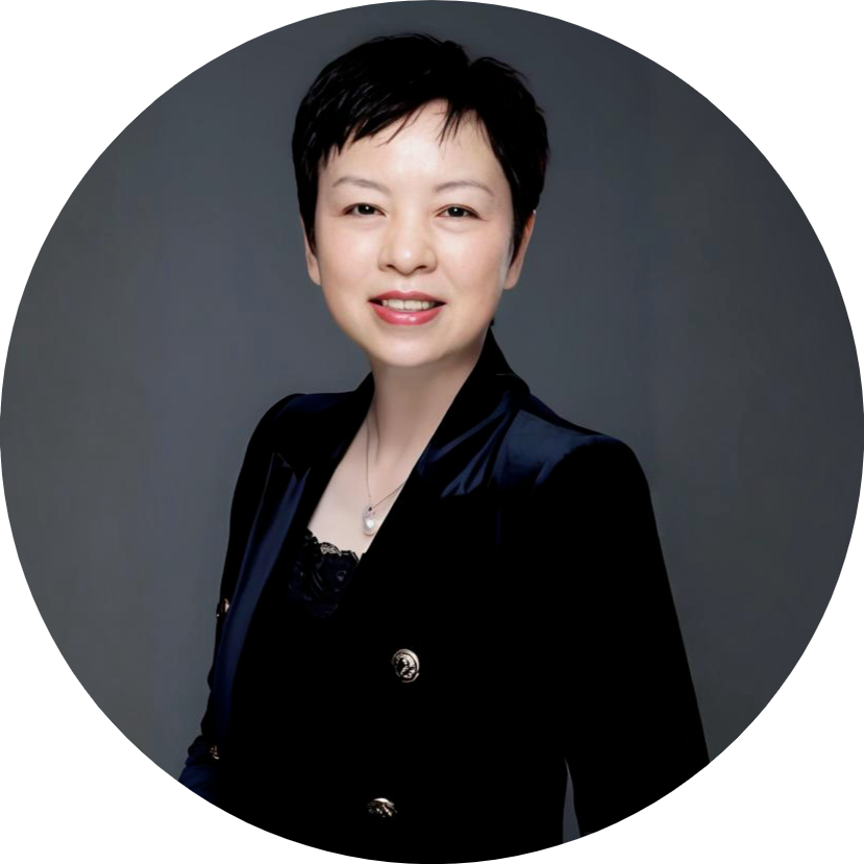
Professor Peihua Lu
Lu Daopei Hospital
Beijing Lu Daopei Institute of Hematology
President of Medical Affairs, Lu Daopei Hospital
President, Beijing Lu Daopei Institute of Hematology
Professor Peihua Lu graduated from Peking University School of Medicine and completed residency training at the University of Nebraska Medical Center in the United States, followed by fellowship training in hematology and oncology at Stanford University.
She is a board-certified hematology and oncology specialist in the United States and holds licenses as a hematologist and oncologist in the United States, as well as a medical practice license in China.
She currently serves in a number of professional organizations, including as a member of the 4th Departmental Affairs Committee of the Department of Oncology at Capital Medical University, Executive Council Member of the 1st Council of the China Association of Non-Public Medical Institutions, Chair of the Hematology Professional Committee of the China Association of Non-Public Medical Institutions, and Standing Committee Member of the Biotechnology and Cellular Applications Professional Committee of the China Association of Non-Public Medical Institutions.
She is also a member of the Expert Committee of the Chinese Hematopoietic Stem Cell Donor Registry, a Standing Committee Member of the Leukemia Alliance Expert Committee of the Chinese Society of Clinical Oncology (CSCO), a Standing Committee Member of the 1st Professional Committee of Translational Medicine in Hematologic Diseases of the Chinese Anti-Cancer Association, and a Council Member of the 7th Council of the Beijing Medical Education Association.
Professor Lu was the recipient of the Medical Management Award at the 2021 Taishan Award for Value-Based Healthcare.