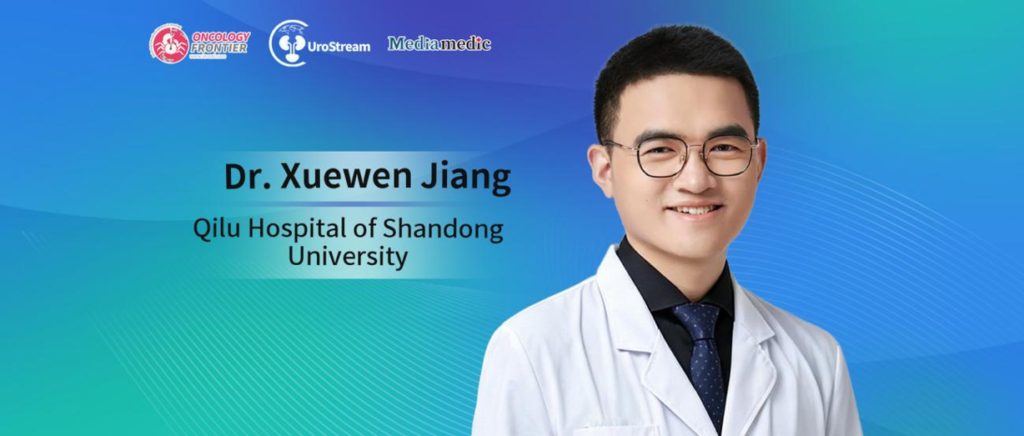
Editor's Note: As diagnostic concepts and treatment strategies for urologic malignancies continue to evolve, clinical decision-making is shifting from relatively specialized, single-discipline treatment toward multidisciplinary, comprehensive management throughout the disease course. Multidisciplinary team (MDT) care integrates expertise from surgery, medical oncology, radiation oncology, radiology, pathology, and other specialties to develop more standardized, precise, and individualized treatment strategies for patients with complex and challenging disease. It has therefore become an important pathway for improving the quality of urologic oncology care. Oncology Frontier · UroStream invited Professor Xuewen Jiang of Qilu Hospital of Shandong University for an exclusive interview to share his experience with MDT practice in urologic oncology and discuss future directions for optimizing and expanding the model.Strengthening Multidisciplinary Collaboration to Improve Whole-Course Management of Urologic Cancer
Oncology Frontier · UroStream: In recent years, treatment strategies for urologic cancers have continued to evolve, with clinical care shifting from single-modality treatment toward multidisciplinary comprehensive management. What role does the MDT model play in urologic oncology, and how should it be further optimized?
Professor Xuewen Jiang: Multidisciplinary team care, or the MDT model, has become an important approach not only in urologic oncology but across oncology as a whole. As treatment options continue to expand, it is often difficult for a single specialty to comprehensively address the complex issues patients face in diagnosis, staging, treatment selection, response assessment, and long-term follow-up.
Through an MDT platform, specialists from different disciplines can integrate their expertise and comprehensively evaluate the patient’s condition from multiple perspectives, thereby developing a treatment strategy that is more standardized, evidence-based, and individualized.
At Qilu Hospital of Shandong University, we established a dedicated urologic oncology MDT team in 2017, bringing together specialists from urology, medical oncology, radiation oncology, radiology, and other disciplines. We conduct regular multidisciplinary discussions for patients with urologic malignancies, particularly those with complex or challenging disease.
We currently hold a dedicated MDT clinic every Wednesday morning, with approximately 1.5 hours devoted to the multidisciplinary discussion of urologic oncology cases.
The value of MDT is particularly evident for patients with locally advanced disease, recurrent or metastatic disease, rapidly progressing tumors, or multiple potential treatment options. Specialists from different disciplines can jointly consider the patient’s disease stage, pathological characteristics, imaging findings, physical condition, previous treatment history, and personal treatment preferences, avoiding decisions based solely on the perspective of a single specialty.
This collaborative approach can improve the standardization and feasibility of treatment plans. It also facilitates coordination between different stages of treatment, response assessment, and adverse-event management, enabling genuine whole-course disease management.
Promoting the MDT concept has also been an important focus of our work in recent years. The Shandong Medical Association has established a Professional Committee for Standardized Multidisciplinary Diagnosis and Treatment of Urologic and Andrologic Tumors, actively promoting the development of multidisciplinary collaboration platforms for urologic oncology.
The establishment of this professional committee provides important organizational support for strengthening regional academic exchange, improving diagnostic and treatment standards, and expanding the MDT model.
Our core objective is to further standardize the management of urologic malignancies so that more patients can benefit from multidisciplinary decision-making at different stages of their disease.
MDT is not simply about bringing several departments together. It should focus on the patient’s actual needs and result in a clear clinical consensus and an actionable treatment plan. Ultimately, the goal remains to improve treatment outcomes, prolong survival, and preserve or improve patients’ quality of life.
Looking ahead, the MDT model needs to be continuously optimized in several areas.
First, we should further standardize the processes for case selection, multidisciplinary consultation, treatment-plan documentation, implementation feedback, and follow-up assessment. This would transform MDT from a one-time case discussion into a management mechanism that runs throughout the entire course of care.
Second, greater participation from pathology, nuclear medicine, interventional medicine, nursing, nutrition, psychological support, and other specialties is needed. A more comprehensive multidisciplinary team can then be assembled according to the specific needs of each patient.
In addition, the MDT model should increasingly extend to primary and regional medical institutions. Through regional collaboration, remote consultation, specialty alliances, and standardized training, high-quality medical resources and established clinical expertise can be extended to community and primary hospitals.
This can help primary-level institutions strengthen their capabilities in the diagnosis, staging, and treatment decision-making of urologic malignancies, allowing more patients to receive standardized multidisciplinary care closer to home.
In my view, the key question for the future of MDT is not simply “Do we have an MDT?” but rather whether the MDT can operate consistently, systematically, and with a high degree of standardization across institutions.
Only by establishing mechanisms for efficient collaboration, whole-course management, and continuous feedback can the MDT model fully realize its potential and further improve the quality of urologic oncology care, ultimately delivering tangible benefits to patients.
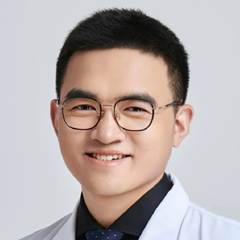
Professor Xuewen Jiang