Editor's Note: In recent years, urology has entered an important period of rapid technological iteration and continuous evolution in treatment concepts. From the accelerated development of advanced domestically manufactured medical equipment to the growing integration of robotic-assisted surgery, molecular imaging, and artificial intelligence into clinical practice, urology is moving toward increasingly minimally invasive, precise, and function-preserving approaches. At the same time, high-quality clinical research has become an important foundation for updating treatment standards and strengthening China's academic influence in urology. Oncology Frontier – UroStream invited Professor Shaogang Wang of Tongji Hospital, Tongji Medical College, Huazhong University of Science and Technology, for an in-depth interview. He shared his perspectives on trends in urological development, the clinical value and technological advances of robotic-assisted surgery, and strategies for conducting high-quality clinical research.Technological and Conceptual Innovation Driving Urology Toward Greater Precision and Intelligence
Oncology Frontier – UroStream: In recent years, new technologies and treatment concepts have continued to emerge in urology. What do you see as the major changes currently shaping the field? Which areas deserve particular attention in the future?
Professor Shaogang Wang: The development of urology in recent years can be described as changing rapidly. New technologies, concepts, and devices continue to emerge, not only changing the way we deliver clinical care but also continuously expanding the scope and depth of the discipline.
At the level of medical equipment, domestically developed urological technologies have made remarkable progress. In the diagnosis and treatment of urinary stones, for example, domestically manufactured lithotripsy systems, flexible ureteroscopes, and related instruments have undergone continuous technological improvements. Some products have already reached internationally advanced levels and are gradually entering overseas markets. Domestic surgical robotic systems have also developed rapidly in recent years, with increasingly diverse products and continuously improving technical performance. Active exploration is also underway in areas such as telesurgery using robotic systems, creating new possibilities for extending access to high-quality surgical expertise. These developments not only demonstrate advances in China’s medical-device industry and engineering capabilities, but also provide clinicians with a broader range of technological options, allowing more patients to benefit from minimally invasive and precision treatment.
At the level of treatment philosophy, one important change in the management of urological malignancies is the increasing emphasis on organ preservation and functional protection while maintaining effective tumor control. In the past, surgical treatment focused primarily on whether the lesion could be completely removed. Today, clinical decision-making must also take into account postoperative urinary function, sexual function, renal function, and long-term quality of life. Achieving these goals depends heavily on robotic-assisted surgery, flexible ureteroscopy, and other minimally invasive technologies. Through more precise anatomical dissection, accurate cutting and suturing, and standardized perioperative management, clinicians are working to achieve a balance between tumor control, functional preservation, and the benefits of minimally invasive treatment.
In this sense, modern urology is no longer simply about “completing the operation.” The goal is to achieve greater precision and less trauma while maintaining treatment efficacy and minimizing the impact on normal organs and functions. This represents an important direction for the future development of the discipline.
Looking ahead, the deep integration of artificial intelligence and urological diagnosis and treatment deserves particular attention. AI has the potential to support image recognition, pathological diagnosis, surgical planning, intraoperative navigation, risk prediction, treatment response assessment, and patient follow-up. In the next stage of development, institutions that can establish effective systems integrating AI with clinical practice may gain an important advantage. Of course, AI is not intended simply to replace physicians. Rather, it should enhance clinicians’ ability to process information and improve the efficiency of clinical decision-making. Truly valuable AI applications should address real clinical problems, improve diagnostic and treatment accuracy and safety, and ultimately translate into tangible benefits for patients.
Moving Beyond the Limits of the Naked Eye: Advancing Robotic Surgery Toward Greater Precision
Oncology Frontier – UroStream: Robotic-assisted surgery and various minimally invasive technologies have developed rapidly in urology in recent years. What changes have these technologies brought to clinical practice? What key challenges still need to be addressed?
Professor Shaogang Wang: The application of robotic-assisted surgery in urology continues to expand. Its value lies not only in changing the way surgery is performed, but also in improving surgical quality and advancing the underlying philosophy of modern surgery.
Robotic surgical systems provide surgeons with clear, magnified three-dimensional visualization, while their instruments offer a high degree of flexibility and stability. These capabilities facilitate meticulous anatomical dissection, precise cutting, and accurate suturing. Particularly in deep pelvic regions or relatively confined anatomical spaces, robotic platforms enable surgeons to identify critical structures more clearly and reduce blind spots during surgery. Robotic systems also improve surgical ergonomics, helping reduce fatigue during lengthy procedures and enhancing the stability of complex surgical operations. These advantages are driving urological surgery from conventional minimally invasive approaches toward greater precision, standardization, and overall quality.
For patients, the benefits of robotic surgery are tangible. In the treatment of renal tumors, for example, advances in precise tumor excision and reconstruction techniques mean that an increasing number of appropriately selected patients can undergo nephron-sparing surgery, allowing preservation of renal function while maintaining effective tumor control. In radical prostatectomy, robotic surgery enables surgeons to more clearly identify the urethra, bladder neck, neurovascular bundles, and structures associated with the pelvic floor. Through meticulous dissection and functional reconstruction, surgeons can further improve postoperative urinary continence and, in appropriately selected patients, create more favorable conditions for preserving sexual function. Some carefully selected patients may also achieve earlier recovery of urinary continence.
These advances demonstrate that the criteria for evaluating surgical treatment are changing. We should not only ask whether the tumor has been effectively removed, but also consider postoperative functional recovery and long-term quality of life.
That said, robotic surgery still has considerable room for further improvement. At present, what we call “precision surgery” is still largely based on the surgeon’s visual assessment and anatomical experience. However, the true boundaries of many tumors cannot be completely identified with the naked eye. Prostate cancer, for example, may be multifocal and infiltrative, making its boundaries difficult to determine directly during surgery. As a result, radical treatment generally still requires complete removal of the prostate rather than localized excision based solely on visual assessment, as can be done for certain solid tumors with clearly defined boundaries.
The future development of robotic surgery therefore needs to move beyond the limitations of what is visible to the naked eye. Technologies such as fluorescence-guided surgery, molecular imaging, intraoperative image fusion, AI-based recognition, and tumor-specific tracers may help surgeons identify tumor tissue, blood vessels, and critical functional structures that cannot be detected through conventional visualization.
If preoperative imaging, intraoperative navigation, and molecular-level tumor identification can be integrated into robotic platforms, surgeons may be able to distinguish tumor tissue from normal tissue more accurately, assess the risk of positive surgical margins, and provide more targeted protection of critical anatomical structures.
This could move robotic surgery beyond “precision in execution” toward “precision in identification” and “precision in decision-making,” ultimately enabling a higher level of precision minimally invasive treatment.
Focusing on Clinical Needs and Bringing More “Chinese Evidence” to the World
Oncology Frontier – UroStream: Clinical research is an important foundation for advancing the discipline. What aspects should be prioritized when conducting high-quality clinical research in urology today? How can we further improve research quality and innovation?
Professor Shaogang Wang: Compared with some European and American countries, China began building its modern clinical research system relatively late. However, development has accelerated rapidly in recent years. Increasing numbers of studies led or substantially contributed to by Chinese researchers have been published in high-impact international journals, covering surgical innovation, systemic treatment, drug development, as well as basic and translational research.
Clinical research is an important foundation for advancing the discipline, and this has become increasingly recognized among clinicians. Clinical practice standards, expert consensus statements, and guideline recommendations all need to be supported by reliable evidence-based medicine. Those capable of conducting high-quality clinical research are better positioned to answer important clinical questions and, to some extent, influence the future direction of the field.
For urology, research questions should first and foremost arise from real clinical needs. Research should not pursue innovation merely for its own sake. Instead, it should focus on unresolved problems in current clinical practice, such as how to optimize surgical indications, improve functional outcomes, determine the optimal treatment sequence, identify patients most likely to benefit, and establish more scientific approaches to long-term follow-up and comprehensive disease management.
High-quality clinical research must also be built on rigorous study design and standardized implementation. Every component—including the study protocol, eligibility criteria, endpoint selection, sample-size calculation, data collection, quality control, and statistical analysis—requires careful oversight. In surgical research in particular, attention must be paid to standardizing surgical techniques, accounting for differences in surgeon experience, and maintaining consistent quality across participating centers.
Conducting high-level clinical research is by no means easy. It requires stable research teams, adequate funding, sophisticated data-management platforms, and long-term follow-up systems. It also depends on patients’ understanding, cooperation, and adherence. Large, multicenter, prospective clinical studies in particular often require sustained collaboration among multiple disciplines and institutions.
Therefore, we should further strengthen clinical research platforms and collaborative networks, allowing leading centers to play a guiding role while simultaneously improving research capabilities at regional and primary-care centers. By establishing unified research standards, improving database infrastructure, strengthening investigator training, and ensuring rigorous ethical oversight, we can gradually build a high-quality and sustainable clinical research ecosystem.
In addition, we should place greater emphasis on original research in which Chinese researchers identify the clinical question, design the study, and lead its implementation. China has a large patient population, and its disease spectrum and clinical practice have distinctive characteristics. We therefore have both the opportunity and the responsibility to generate high-quality evidence addressing clinical questions that are particularly relevant to Chinese patients.
I believe that through the collective efforts of China’s urology community, an increasing number of original studies with international influence will emerge, generating more “Chinese evidence” and “Chinese approaches.” These research achievements will not only serve clinical practice in China and contribute to the development of Chinese guidelines, but may also gain international recognition and allow Chinese expertise and innovation to make a greater contribution to the global development of urology.
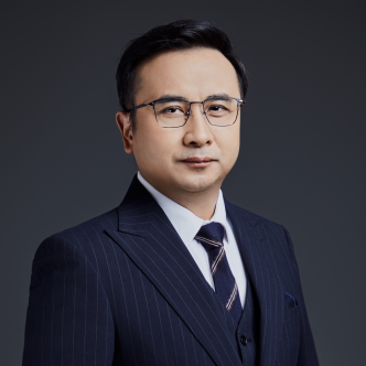
Professor Shaogang Wang