The 16th Peking University Gastrointestinal Oncology Forum and the 2026 Annual Meeting of the Chinese Gastrointestinal Oncology Cooperative Group (CGOG) were successfully held in Beijing from June 9 to 13, 2026.On June 13, following a highly engaging plenary session in the morning, the conference concluded with three specialty forums in the afternoon. Among them, the Gastric and Esophageal Cancer Forum brought together leading experts to discuss the latest advances and future directions in the management of upper gastrointestinal malignancies.
Opening Remarks from the Conference Leaders
At the opening of the session, Prof. Lin Shen from Peking University Cancer Hospital, Prof. Jianming Xu from the First Medical Center of the Chinese PLA General Hospital, and Prof. Keneng Chen from Peking University Cancer Hospital delivered welcome remarks.
Prof. Shen and Prof. Chen highlighted the rapid evolution of treatment strategies for both gastric cancer and esophageal cancer, noting that modern management increasingly relies on a multidisciplinary approach. They emphasized the importance of close collaboration among medical oncologists, surgeons, radiation oncologists, pathologists, and other specialists to optimize patient outcomes across the entire treatment continuum.
Prof. Xu underscored the growing impact of innovative therapies in upper gastrointestinal cancers, particularly the emergence of antibody-drug conjugates (ADCs) and other novel treatment modalities that have demonstrated encouraging clinical efficacy. He stressed the importance of integrating these therapies appropriately into comprehensive patient management, ensuring that treatment decisions are tailored to individual patient needs and disease characteristics throughout the course of care.
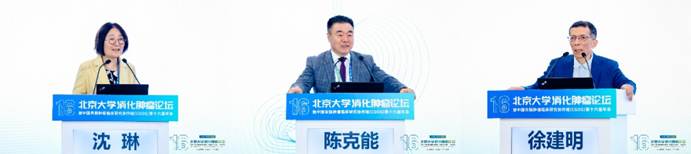
Figure: Conference Chairs: Prof. Lin Shen, Prof. Keneng Chen, and Prof. Jianming Xu
Session I: Gastric Cancer Frontiers in Treatment and Research
The first segment of the Gastric and Esophageal Cancer Forum was dedicated to emerging advances in gastric cancer research and clinical management.
The session was chaired by Prof. Feng Bi from West China Hospital, Sichuan University, who guided the audience through a series of presentations focused on novel therapeutic strategies, translational research, and evolving clinical perspectives in gastric cancer.
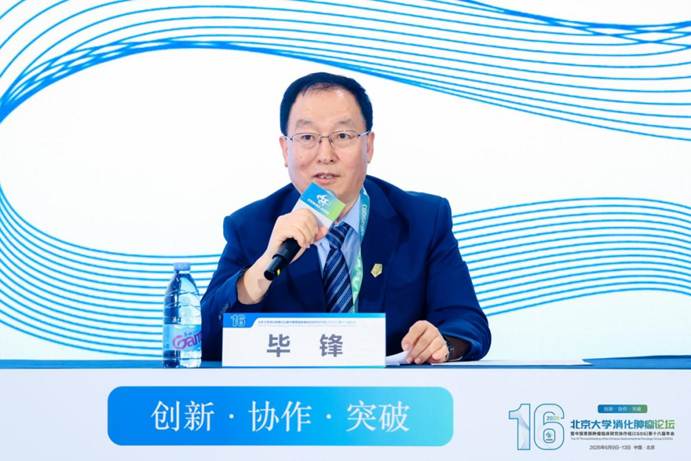
Figure: Session Chair: Prof. Feng Bi
Prof. Huiying Liang from the Institute of Intelligent Medicine, Fudan University, delivered a presentation titled “New Explorations in the Intelligent Application of Multimodal and Multiscale Healthcare Data.”
Drawing on the vast amount of healthcare data accumulated through decades of digitalization within Chinese medical institutions, Prof. Liang reviewed the characteristics of three major categories of medical data—clinical text, medical imaging, and omics data. She discussed current approaches to data collection and management, including disease-specific and specialty-oriented databases, as well as strategies for developing high-quality datasets to support research and clinical innovation.
Prof. Liang also presented several real-world applications demonstrating the clinical value of artificial intelligence and multimodal data integration. These included the use of electrocardiogram (ECG)-based algorithms for the screening and diagnosis of congenital heart disease, as well as multimodal predictive models designed to assess the risk of toxicity associated with anticancer therapies.
In addition, she addressed important challenges related to the use of real-world healthcare data, particularly issues surrounding multimodal data integration and algorithmic fairness in artificial intelligence. To tackle these challenges, Prof. Liang introduced a range of technical solutions aimed at improving data interoperability, model robustness, and equitable AI performance across diverse patient populations.
Her presentation highlighted the growing potential of data-driven and AI-enabled approaches to advance precision medicine, enhance clinical decision-making, and accelerate innovation in healthcare.
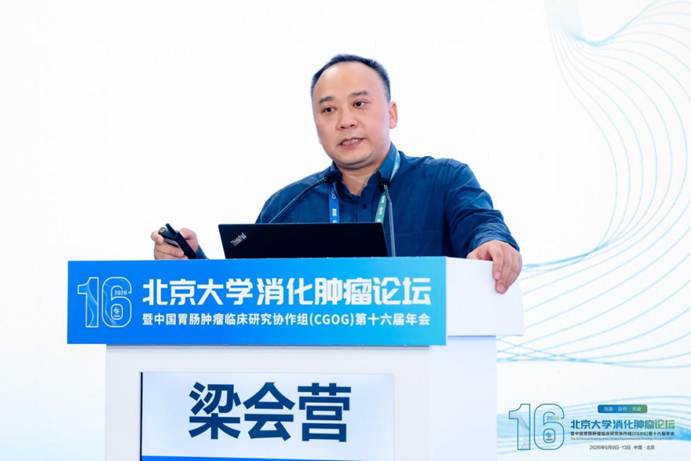
Figure: Speaker Prof. Huiying Liang
Following the presentation, Prof. Yifu He from the First Affiliated Hospital of the University of Science and Technology of China, Prof. Hongli Liu from Union Hospital, Tongji Medical College, Huazhong University of Science and Technology, and Prof. Miaozhen Qiu from Sun Yat-sen University Cancer Center participated in a panel discussion focused on the application of artificial intelligence in oncology.
The experts examined the growing role of AI in areas such as clinical decision support, real-world implementation across diverse clinical settings, and drug discovery and development. They highlighted the potential of AI technologies to improve diagnostic accuracy, optimize treatment selection, enhance workflow efficiency, and accelerate the development of innovative therapeutics.
At the same time, the panelists emphasized several challenges that continue to limit broader adoption, including issues related to data standardization, high-quality dataset construction, data sharing, and model generalizability. They agreed that addressing these challenges will be critical to unlocking the full potential of AI in cancer research and clinical practice.
The discussion underscored the importance of interdisciplinary collaboration among clinicians, data scientists, and researchers to promote the responsible and effective integration of AI into oncology care.
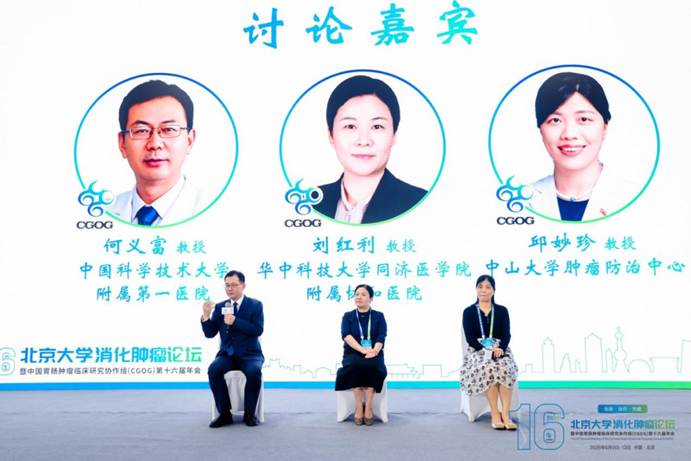
Figure: Discussion Panelists: Prof. Yifu He, Prof. Hongli Liu, and Prof. Miaozhen Qiu
Session I – Part II
The second segment of the session was chaired by Prof. Xianglin Yuan from Tongji Hospital, Tongji Medical College, Huazhong University of Science and Technology.
Under Prof. Yuan’s moderation, the forum continued with presentations and discussions focusing on emerging advances in gastric cancer research and treatment, providing attendees with further insights into innovative therapeutic strategies and translational developments in the field.
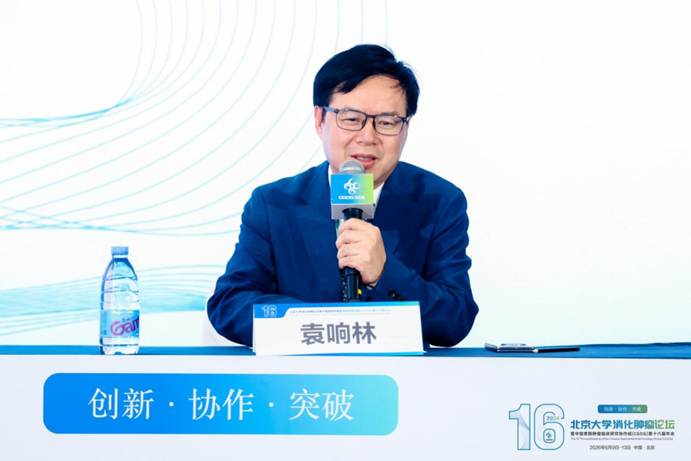
Figure: Session Chair: Prof. Xianglin Yuan
Prof. Zhi Peng from Peking University Cancer Hospital delivered a presentation titled “Key Issues and Future Directions in Perioperative Treatment for Gastric Cancer.”
Prof. Peng emphasized that surgery alone has inherent limitations in the management of gastric cancer and that multidisciplinary perioperative treatment strategies play a crucial role in improving cure rates and long-term outcomes. He noted that optimal patient care requires standardized surgical techniques, appropriate determination of surgical extent, and careful selection of patients who may benefit from radiotherapy to enhance the likelihood of achieving a pathologic complete response (pCR).
A major focus of the presentation was the growing importance of molecular classification in guiding individualized treatment strategies. Prof. Peng highlighted that certain molecular subtypes, particularly MSI-H/dMMR gastric cancer, can exhibit exceptional responses to immunotherapy. For these patients, innovative approaches such as stomach-preserving treatment and even the possibility of avoiding surgery altogether may become realistic clinical goals in the future.
He further noted that biomarkers and molecular subtypes including MSI-H, Epstein–Barr virus (EBV), HER2, and CLDN18.2 are fundamentally reshaping the treatment landscape for resectable gastric cancer. Emerging strategies such as multimodal combination therapy, chemotherapy de-escalation, and non-operative management are becoming important areas of investigation in the perioperative setting.
In addition, Prof. Peng stressed the importance of accurate imaging, precise staging assessments, and close multidisciplinary team (MDT) collaboration. Continuous refinement of these elements, he concluded, will be essential for optimizing treatment outcomes and advancing personalized care for patients with gastric cancer.
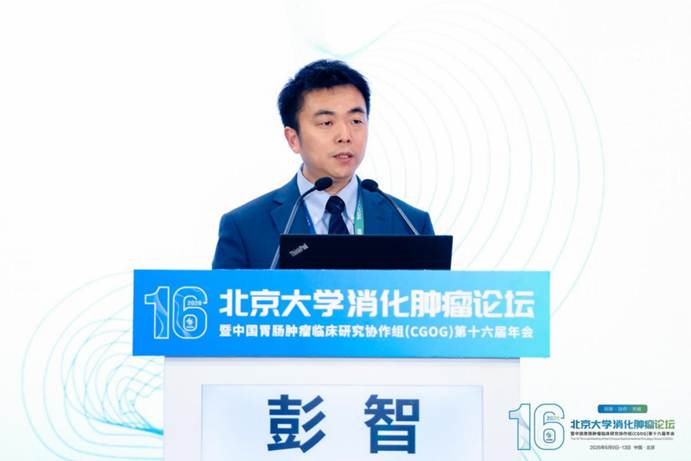
Figure: Speaker Prof. Zhi Peng
Following the presentation, Prof. Zhemin Li from Peking University Cancer Hospital, Prof. Dandan Lin from Renmin Hospital of Wuhan University, and Prof. Xiujuan Qu from the First Hospital of China Medical University participated in a panel discussion from their respective clinical perspectives.
The experts exchanged views on several important issues in gastric cancer management, including the optimal sequencing of surgery and systemic therapy, as well as preoperative assessment and multidisciplinary decision-making for patients with resectable and borderline resectable disease. They emphasized the importance of individualized treatment planning based on tumor characteristics, patient condition, and anticipated therapeutic benefit.
The discussion also focused on the evolving treatment landscape driven by precision oncology, particularly the growing role of molecular profiling, biomarker-guided treatment selection, and immune-based classification systems. The panelists agreed that advances in molecular stratification are increasingly shaping therapeutic strategies and are expected to play a central role in the future development of personalized treatment approaches for gastric cancer.
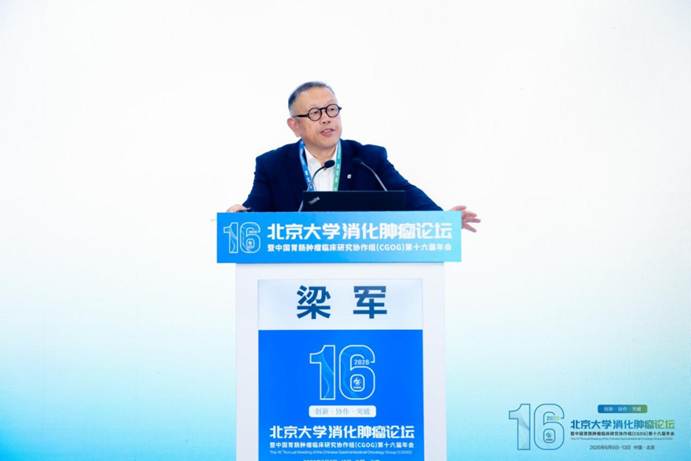
Figure: Discussion Panelists: Prof. Zhemin Li, Prof. Dandan Lin, and Prof. Xiujuan Qu
Session I – Part III
The final segment of the first session was chaired by Prof. Guochun Cao from Jiangsu Cancer Hospital.
Under Prof. Cao’s moderation, the forum continued with additional presentations and discussions exploring the latest advances in gastric cancer research and clinical management, further enriching the multidisciplinary exchange of ideas and perspectives.
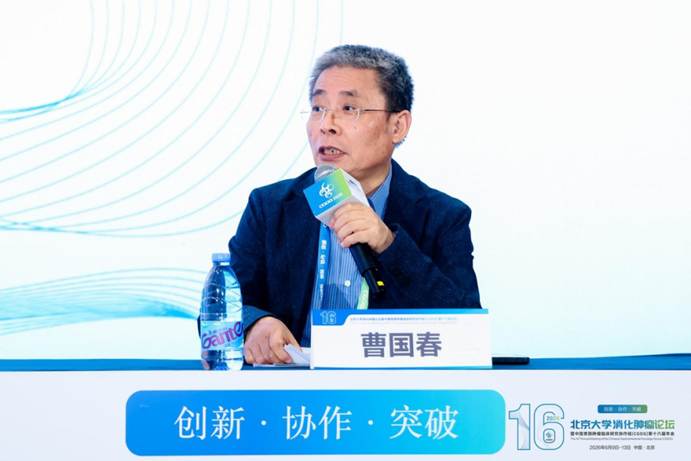
Figure: Session Chair: Prof. Guochun Cao
Prof. Hongfeng Gou from West China Hospital, Sichuan University, delivered a presentation titled “Comprehensive Management Strategies for Anti-HER2 Therapy in Gastric Cancer.”
In his presentation, Prof. Gou provided a detailed overview of the evolving landscape of HER2-targeted therapy in gastric cancer. He reviewed the dynamic changes in HER2 expression patterns, highlighting the clinicopathological characteristics and differences in the tumor immune microenvironment associated with varying levels of HER2 expression.
Drawing upon data from multiple clinical studies, Prof. Gou outlined stratified treatment approaches across different stages of disease management, including first-line, second-line, and third-line therapies, as well as perioperative treatment strategies. He discussed how treatment selection can be optimized according to PD-L1 expression status, while also reviewing the clinical value of established HER2-targeted agents, bispecific antibodies, and antibody-drug conjugates (ADCs) in different therapeutic settings.
A major focus of the presentation was the challenge of treatment resistance resulting from HER2 heterogeneity, which remains a significant obstacle to achieving durable clinical benefit. Prof. Gou examined current understanding of resistance mechanisms and emphasized the need for more precise approaches to patient selection and treatment monitoring.
He also compared emerging monitoring technologies, including liquid biopsy and theranostic nuclear medicine approaches, discussing both their potential clinical utility and the challenges that must be addressed before broader implementation. These technologies may provide valuable tools for dynamic disease assessment and treatment optimization in the era of precision oncology.
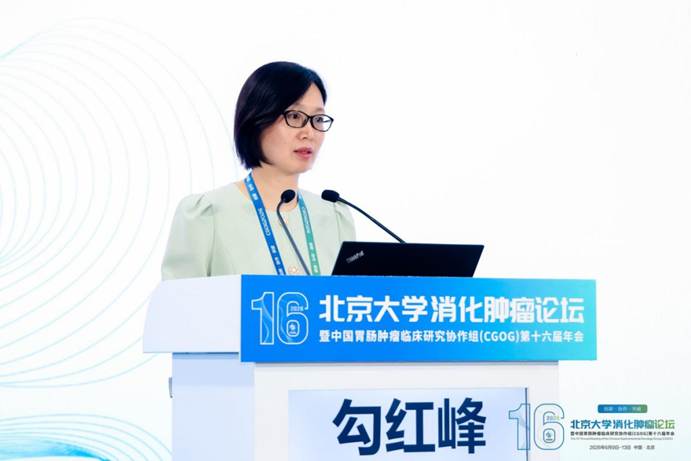
Figure: Speaker Prof. Hongfeng Gou
Following the presentation, Prof. Ke Ji from Peking University Cancer Hospital and Prof. Chang Wang from the First Hospital of Jilin University participated in an in-depth discussion inspired by the preceding scientific presentations.
The experts exchanged perspectives on several important topics, including HER2 testing standards and treatment stratification, the evolving role of surgery in gastric cancer management, challenges associated with conversion therapy for advanced disease, individualized selection of systemic therapies, and strategies for monitoring and managing treatment resistance.
Particular attention was given to the importance of accurately defining HER2 status and integrating biomarker information into treatment decision-making. The panelists also discussed how advances in systemic therapy are reshaping traditional surgical paradigms and creating new opportunities for selected patients with initially unresectable or advanced disease.
In addition, the experts emphasized the value of standardized and dynamic disease monitoring, particularly in the context of treatment response assessment and resistance surveillance. They agreed that strengthening perioperative management and maintaining close multidisciplinary team (MDT) collaboration are essential for optimizing patient outcomes and delivering truly personalized care in gastric cancer.
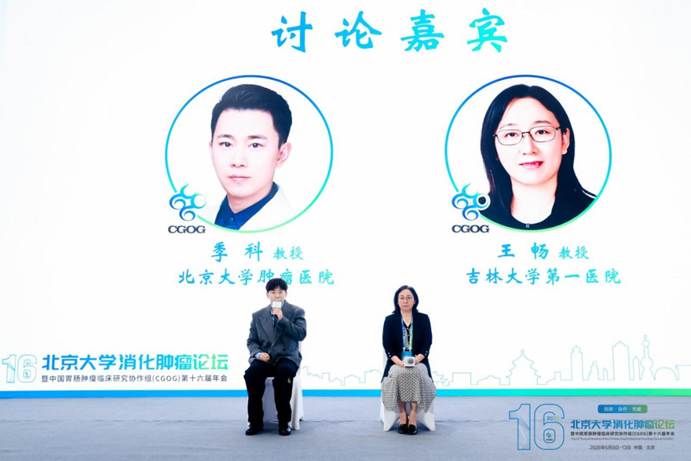
Figure: Discussion Panelists: Prof. Ke Ji and Prof. Chang Wang
Session I Summary – Gastric Cancer Frontiers
At the conclusion of the “Gastric Cancer Frontiers” session, Prof. Jun Liang from Peking University International Hospital delivered a summary of the key discussions and insights.
Prof. Liang noted that gastric cancer management has now fully entered the era of precision medicine, encompassing every stage of patient care—from molecular testing and diagnosis to treatment selection and long-term disease management. Advances in biomarker-driven strategies are increasingly enabling clinicians to tailor therapeutic approaches to individual patient characteristics.
He highlighted the rapid evolution of therapeutic options, including monoclonal antibodies, bispecific antibodies, antibody-drug conjugates (ADCs), and immunotherapies, which have collectively diversified the landscape of targeted treatment for gastric cancer. As these agents continue to evolve, combination regimens and maintenance treatment strategies are becoming important areas of clinical investigation.
Prof. Liang also emphasized the growing interest in earlier integration of systemic therapies and the exploration of chemotherapy-sparing approaches, both of which have the potential to further improve outcomes while reducing treatment-related burden for selected patients.
In addition, he highlighted the increasingly important role of artificial intelligence (AI) in oncology research and clinical practice. AI-based technologies are providing powerful tools for understanding cellular interactions, identifying novel therapeutic targets, and discovering innovative drug combinations. As these technologies continue to mature, they are expected to play an increasingly significant role in accelerating scientific discovery and advancing precision cancer care.
Figure: Session Summary by Prof. Jun Liang
Session II: Esophageal Cancer Strategies and Perspectives
Under the moderation of Prof. Shegan Gao from the First Affiliated Hospital of Henan University of Science and Technology, the second session of the forum, “Esophageal Cancer: Strategies and Perspectives,” officially commenced.
Building upon the discussions from the gastric cancer session, this segment shifted the focus to the evolving treatment landscape of esophageal cancer. The session brought together leading experts to explore current challenges, emerging therapeutic strategies, and future directions in multidisciplinary management, highlighting the latest advances in clinical research and precision oncology.
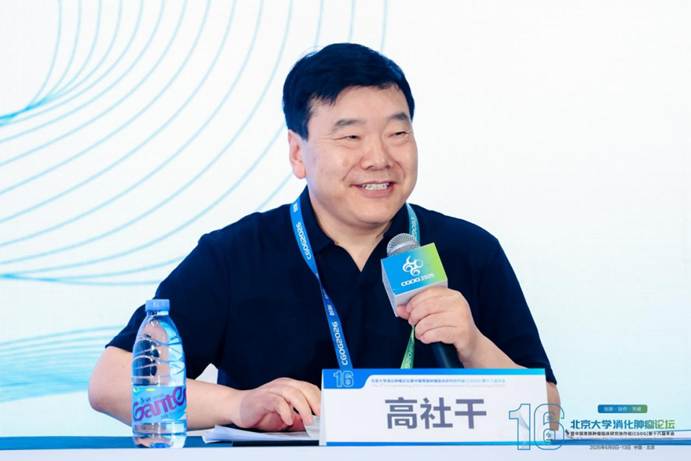
Figure: Session Chair: Prof. Shegan Gao
Prof. Wenwen Xu from Guangzhou Medical University delivered a presentation titled “The Tumor Microenvironment in Esophageal Cancer.”
Addressing the current clinical challenges in esophageal cancer—particularly the lack of effective molecular classification systems, therapeutic targets, and targeted treatment strategies for this high-incidence malignancy in China—Prof. Xu introduced a series of multicenter research initiatives conducted in collaboration with multiple academic institutions. These efforts have led to the establishment of diverse experimental platforms and disease models aimed at advancing translational research in esophageal cancer.
Prof. Xu provided a detailed overview of her team’s work on epigenetic regulatory mechanisms, tumor microenvironmental networks, and targeted intervention strategies. Among the notable achievements highlighted were the comprehensive mapping of the kinase–substrate landscape associated with esophageal cancer metastasis, the development of a novel anti-metastatic strategy through the combined targeting of LIMK1 and CDK5, and the discovery that GRP116-positive pericytes can promote hematogenous tumor dissemination through EGFL6-mediated paracrine signaling.
In addition, she discussed advances in the design of multimodal MRI probes, which may enhance tumor visualization and biological characterization. These innovative research efforts have resulted in multiple domestic and international patents, reflecting the translational potential of the work.
The presentation highlighted the critical role of tumor microenvironment research in identifying new therapeutic opportunities and advancing precision treatment strategies for esophageal cancer.
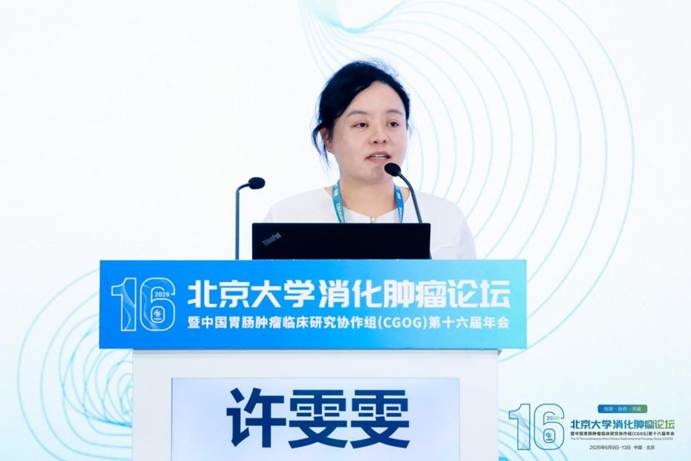
Figure: Speaker Prof. Wenwen Xu
During the discussion session, Prof. Zhonghu He, Prof. Yan Wang, and Prof. Zhihao Lu from Peking University Cancer Hospital engaged in an interactive exchange on emerging research in esophageal cancer.
The discussion focused on several key scientific questions, including the rationale behind single-cell sequencing–based screening strategies, the significance of pericyte abundance and distribution, criteria for transcription factor selection, and the multifaceted roles of pericytes within both tumor tissues and the tumor microenvironment.
The experts explored how advances in single-cell technologies and tumor microenvironment research are improving the understanding of esophageal cancer biology and helping to identify novel therapeutic targets. They also shared perspectives on future research priorities, including the validation of newly identified molecular mechanisms and the translation of these findings into clinically meaningful treatment strategies.
The discussion highlighted the growing importance of integrating basic science discoveries with translational and clinical research to accelerate innovation in esophageal cancer diagnosis and treatment.
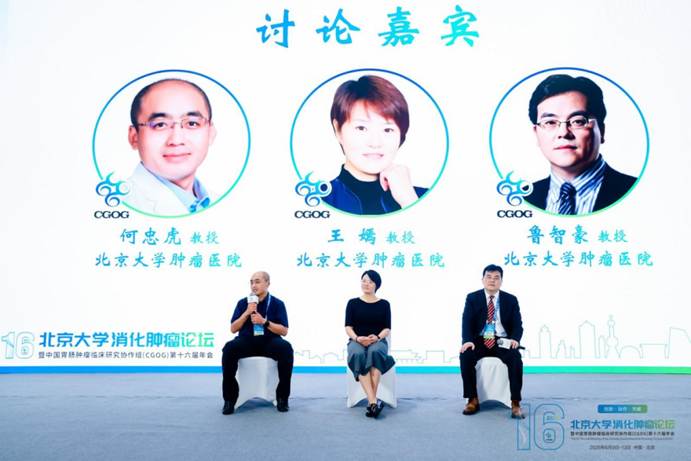
Figure: Discussion Panelists: Prof. Zhonghu He, Prof. Yan Wang, and Prof. Zhihao Lu
Session II – Part II
The second segment of the “Esophageal Cancer: Strategies and Perspectives” session was chaired by Prof. Yin Li from Cancer Hospital, Chinese Academy of Medical Sciences.
Under Prof. Li’s moderation, the forum continued with a series of presentations and discussions focusing on the latest advances in esophageal cancer research, clinical management, and translational innovation, further enriching the multidisciplinary exchange of ideas throughout the session.
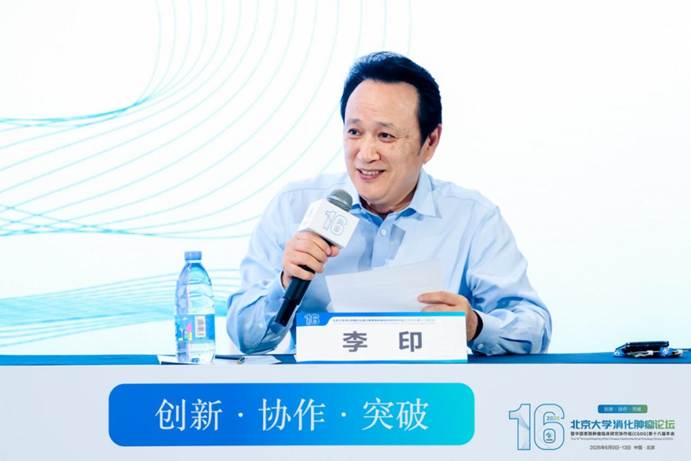
Figure: Session Chair: Prof. Yin Li
Prof. Keneng Chen from Peking University Cancer Hospital delivered a presentation titled “New Perspectives on Esophageal Cancer Surgery in the Era of Advancing Systemic Therapy.”
Drawing on recent developments in systemic treatment, Prof. Chen discussed how the role of surgery in esophageal cancer has evolved alongside advances in oncology care. He noted that the management of esophageal cancer has shifted from a predominantly surgery-driven approach to a multidisciplinary treatment model, in which surgeons, medical oncologists, radiation oncologists, pathologists, and other specialists work closely together to optimize patient outcomes.
Prof. Chen highlighted the increasing complexity of cases encountered in clinical practice, including patients with synchronous second primary malignancies and those requiring combined organ resections as part of comprehensive treatment strategies. As a result, multidisciplinary coordination and collaboration have become increasingly important in modern surgical oncology.
He also noted that combined organ resection procedures are now performed more frequently in selected patients, supported by improved collaborative frameworks and perioperative management strategies. At the same time, greater emphasis is being placed on surgical trauma control and patient safety. Prof. Chen advocated for the use of staged surgical approaches when appropriate, with the goal of reducing postoperative complications while maintaining oncologic effectiveness.
Ultimately, he emphasized that the future of esophageal cancer surgery lies in balancing radical tumor control, long-term survival benefits, and treatment safety, ensuring that surgical interventions remain fully integrated within a comprehensive multidisciplinary care pathway.
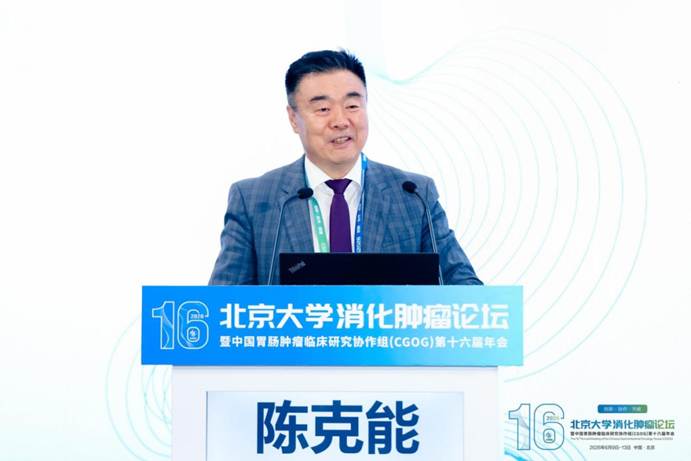
Figure: Speaker Prof. Keneng Chen
Following the presentation, Prof. Yinghua Ji from the First Affiliated Hospital of Henan Medical University, Prof. Chunguang Li from Shanghai Chest Hospital, Shanghai Jiao Tong University School of Medicine, and Prof. Feng Wang from the First Affiliated Hospital of Zhengzhou University engaged in an in-depth discussion on the current status and future directions of esophageal cancer management.
The experts noted that the emergence of novel therapeutic agents and immunotherapy-based approaches has fundamentally reshaped the treatment paradigm for esophageal cancer. While these advances have improved patient outcomes, they have also introduced new clinical challenges, including the assessment of neoadjuvant treatment response, optimization of treatment sequencing, and management of treatment-related adverse events.
The panel further discussed how improvements in multimodality therapy have prompted clinicians to reconsider traditional concepts regarding surgical indications and the appropriate extent of lymph node dissection. As systemic therapies become increasingly effective, surgical strategies are also evolving to better integrate with comprehensive treatment plans.
The experts unanimously agreed that future progress will require stronger multidisciplinary collaboration and the conduct of well-designed, high-quality clinical studies. They emphasized the importance of building a more integrated perioperative multidisciplinary management system for esophageal cancer, with the goal of further improving treatment outcomes and optimizing patient care.
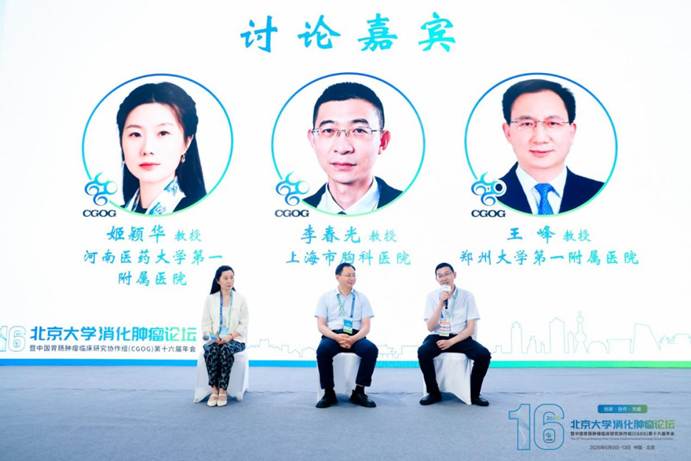
Figure: Discussion Panelists: Prof. Yinghua Ji, Prof. Chunguang Li, and Prof. Feng Wang
Session II – Part III
The third segment of the “Esophageal Cancer: Strategies and Perspectives” session was chaired by Prof. Yanru Qin from the First Affiliated Hospital of Zhengzhou University.
Under Prof. Qin’s moderation, the forum continued with additional presentations and discussions focused on emerging advances in esophageal cancer research and clinical practice, further exploring innovative treatment strategies and multidisciplinary approaches to patient care.
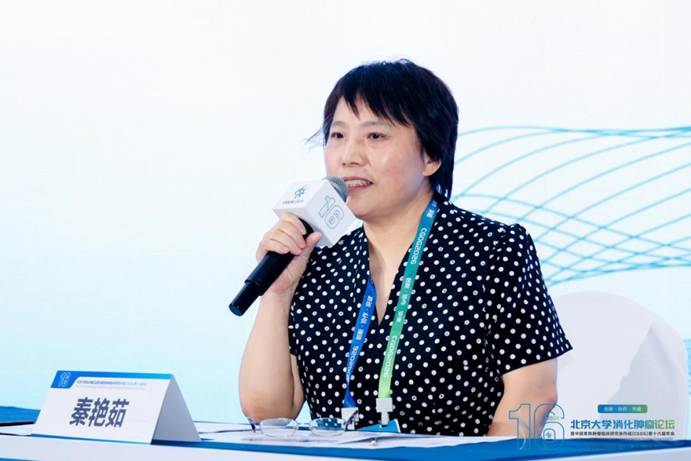
Figure: Session Chair: Prof. Yanru Qin
Prof. Kuaile Zhao from Fudan University Shanghai Cancer Center delivered a presentation on the latest advances in radiotherapy for esophageal cancer.
Prof. Zhao reviewed the continuous evolution of concurrent chemoradiotherapy, which remains a cornerstone of treatment for many patients with esophageal cancer. Over the years, treatment protocols have been progressively refined in an effort to improve efficacy while maintaining acceptable safety profiles.
A major focus of the presentation was the integration of immunotherapy with radiotherapy. Clinical investigators have explored a variety of strategies involving different treatment sequences and combinations of radiotherapy and immune checkpoint inhibitors. Although most studies have not yet demonstrated definitive clinical benefit, several preclinical investigations and small-scale clinical trials have reported encouraging signals, suggesting that further exploration is warranted.
Prof. Zhao also discussed ongoing efforts to enhance treatment outcomes through approaches such as neoadjuvant chemoradiotherapy combined with immunotherapy and the optimization of chemotherapy regimens. These strategies aim to increase treatment response rates and improve long-term outcomes for patients.
In addition, researchers are investigating whether the combination of chemoradiotherapy and immunotherapy can facilitate conversion therapy for patients with advanced disease or borderline unresectable tumors, potentially creating new opportunities for curative-intent treatment. Efforts are also underway to identify predictive biomarkers associated with metastatic disease and treatment response, which may help guide patient selection and personalize future therapeutic strategies.
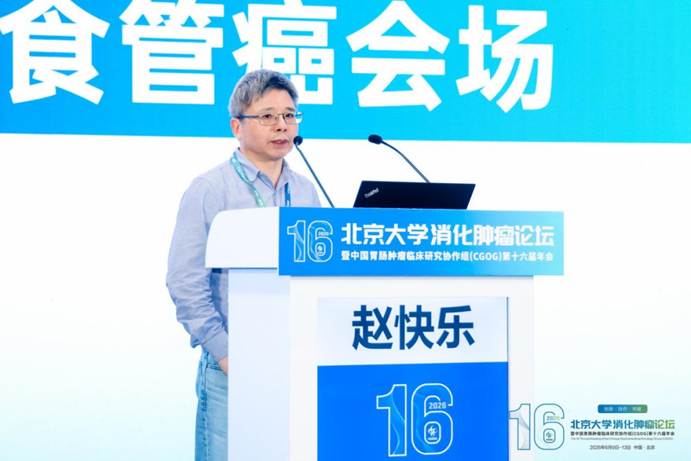
Figure: Speaker Prof. Kuaile Zhao
During the subsequent discussion session, Prof. Fang Liu from the Chinese PLA General Hospital, Prof. Qingsong Pang from Tianjin Medical University Cancer Institute and Hospital, and Prof. Feng Ye from the First Affiliated Hospital of Xiamen University reviewed recent advances in esophageal cancer treatment and shared their perspectives on future directions in the field.
The experts discussed emerging developments in radiotherapy, including the exploration of novel radiation treatment strategies and approaches to dose optimization aimed at improving therapeutic efficacy while minimizing treatment-related toxicity. They highlighted the growing adoption of innovative technologies and treatment modalities that are reshaping clinical practice.
Particular attention was given to the increasing integration of immunotherapy, as well as the expanding use of proton therapy and carbon-ion radiotherapy, which are gradually transforming traditional treatment concepts in esophageal cancer. These advances offer new opportunities to improve local tumor control and potentially enhance long-term outcomes for selected patients.
The panelists expressed optimism that results from ongoing and future large-scale clinical trials will provide stronger evidence to guide clinical decision-making. Such studies are expected to further refine comprehensive treatment strategies for locally advanced esophageal cancer, helping to optimize the integration of radiotherapy, systemic therapy, and emerging technologies within multidisciplinary care pathways.
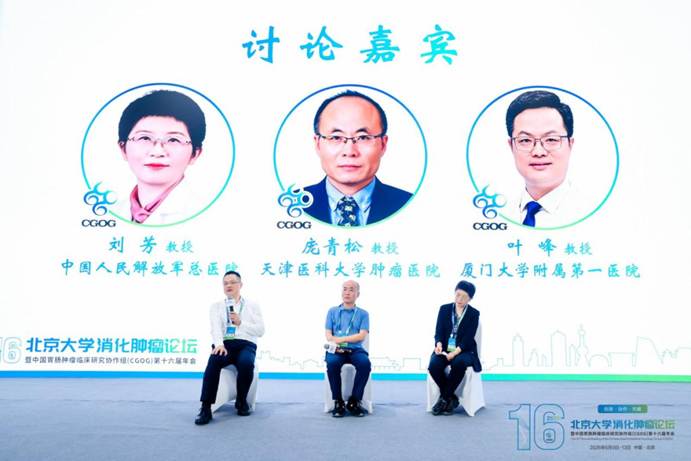
Figure: Discussion Panelists: Prof. Fang Liu, Prof. Qingsong Pang, and Prof. Feng Ye
Session II Summary – Esophageal Cancer: Strategies and Perspectives
At the conclusion of the “Esophageal Cancer: Strategies and Perspectives” session, Prof. Yanqiao Zhang from Harbin Medical University Cancer Hospital delivered a summary of the key discussions and insights presented throughout the forum.
Prof. Zhang noted that the session provided a comprehensive examination of the major challenges facing both research and clinical management of esophageal squamous cell carcinoma (ESCC). He highlighted that, compared with several other malignancies, the field continues to face limitations in terms of international research activity and available clinical data, creating obstacles to the advancement of both basic and translational research.
From a clinical perspective, Prof. Zhang emphasized the considerable challenges associated with managing complex and difficult cases, particularly in the surgical setting. At the same time, the role of radiotherapy is evolving as new systemic treatment approaches, including immunotherapy and targeted therapies, increasingly influence treatment strategies and multidisciplinary decision-making.
Despite the significant progress achieved in recent years, he noted that many important questions remain unanswered. Further efforts are needed to strengthen basic research, generate high-quality clinical evidence, and refine multidisciplinary treatment approaches. Prof. Zhang concluded that advancing the diagnosis and treatment of esophageal cancer will require sustained collaboration among researchers and clinicians, with continued commitment to innovation and evidence-based practice.
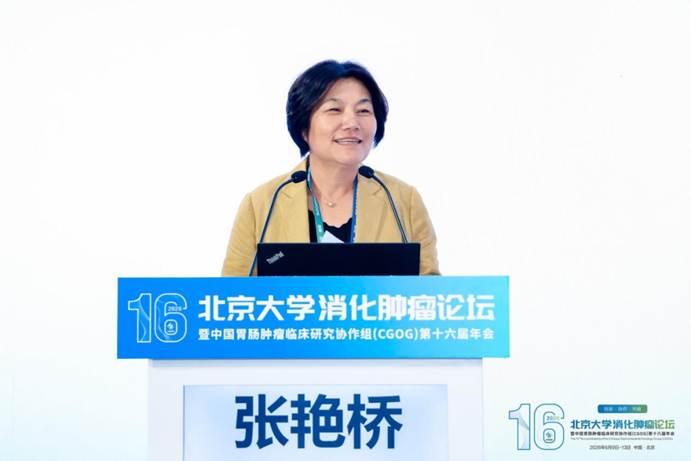
Figure: Session Summary by Prof. Yanqiao Zhang
Closing Remarks
At the conclusion of the Gastric and Esophageal Cancer Forum, Prof. Jianming Xu from the First Medical Center of the Chinese PLA General Hospital delivered the closing remarks.
Prof. Xu noted that the treatment landscape for both gastric cancer and esophageal cancer is evolving at an unprecedented pace, driven by continuous advances in precision medicine and drug development. Nevertheless, many important challenges remain in daily clinical practice, highlighting the need for ongoing research and multidisciplinary collaboration.
She emphasized that the optimal integration of emerging therapies—including antibody-drug conjugates (ADCs), bispecific antibodies, monoclonal antibodies, and immunotherapies—still requires further investigation and validation through well-designed clinical studies. As these treatment modalities continue to expand across different disease settings, generating robust clinical evidence will be essential for refining patient selection and maximizing therapeutic benefit.
Prof. Xu called on researchers and clinicians to continue working together to address the unmet needs in gastric and esophageal cancer care. He expressed his hope that the coming year will bring new scientific discoveries, innovative treatment strategies, and high-quality clinical research findings that can help overcome persistent clinical challenges and further improve outcomes for patients.
The successful conclusion of the Gastric and Esophageal Cancer Forum highlighted the dynamic progress being made across both fields and reinforced the importance of collaborative efforts in advancing research, innovation, and patient-centered care.
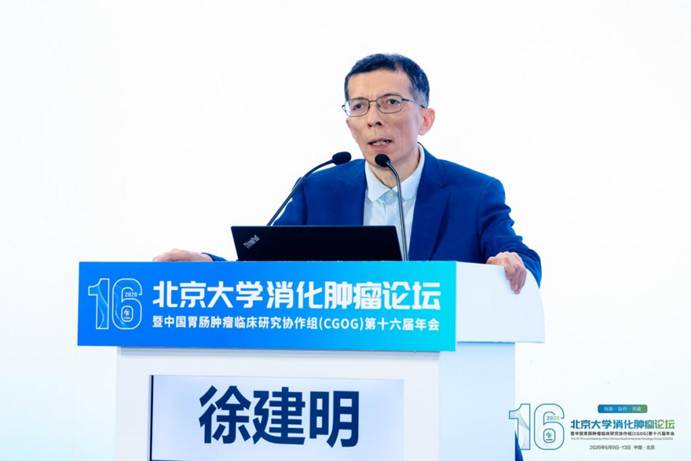
Meeting Summary: Prof. Jianming Xu
Original article: Department of Gastrointestinal Oncology, Peking University Cancer Hospital
Author: Hongchao Gao
Reviewers: Yakun Wang, Yanshuo Cao