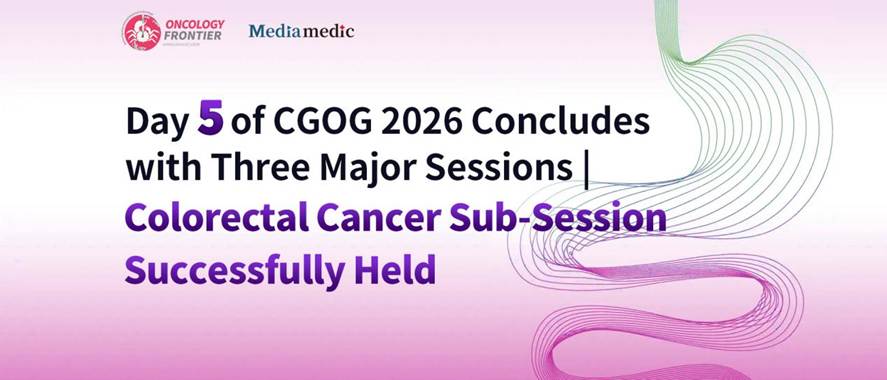
The 16th Peking University Gastrointestinal Oncology Forum and the 2026 Annual Meeting of the Chinese Gastrointestinal Oncology Cooperative Group (CGOG) were successfully held in Beijing from June 9 to 13, 2026.On June 13, following an outstanding plenary session in the morning, the conference concluded with three parallel specialty forums in the afternoon. Among them, the Colorectal Cancer Forum was successfully convened.
The session focused on several cutting-edge topics in colorectal cancer research and treatment, including colorectal cancer management, liquid biopsy technologies, antibody-drug conjugates (ADCs), immunotherapy, and tumor immune regulation. Leading experts and scholars from across China were invited to deliver keynote presentations and participate in in-depth discussions, providing attendees with a comprehensive academic program characterized by scientific rigor, forward-looking perspectives, and active scholarly exchange.
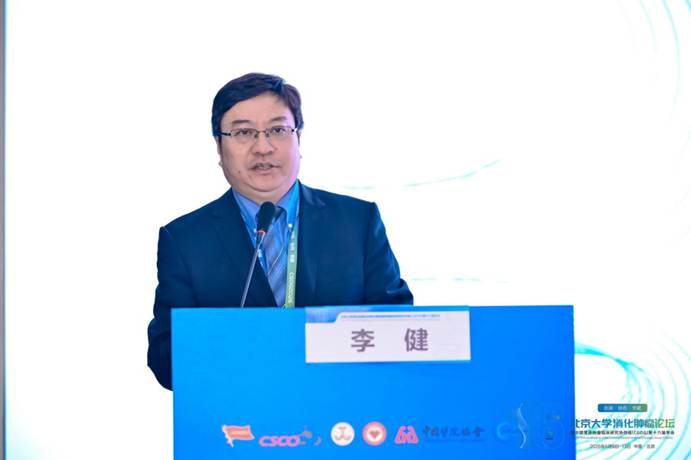
Opening Remarks from the Conference Chair
At the beginning of the session, Prof. Jian Li from Peking University Cancer Hospital delivered the opening remarks.
Prof. Li noted that colorectal cancer remains one of the most common malignancies of the digestive system in China. He emphasized that its management is undergoing a significant transformation, evolving from traditional treatment approaches toward an era of precision medicine guided by molecular classification. As a result, comprehensive treatment and long-term management strategies for patients with colorectal cancer are being continuously refined and optimized.
He further highlighted the important role of the Chinese Gastrointestinal Oncology Cooperative Group (CGOG) as a leading collaborative platform for gastrointestinal cancer research in China. Looking ahead, CGOG will continue to promote multicenter collaboration, foster innovation in clinical research, and support efforts to further improve the diagnosis and treatment of colorectal cancer across the country.
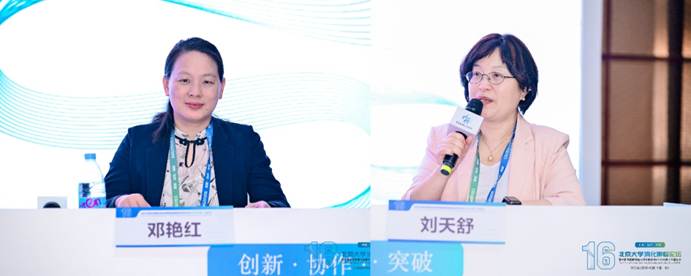
Figure: Session chaired by Prof. Tianshu Liu and Prof. Yanhong Deng
Under the moderation of Prof. Tianshu Liu from Zhongshan Hospital, Fudan University and Prof. Yanhong Deng from the Sixth Affiliated Hospital of Sun Yat-sen University, the first half of the scientific program officially commenced.
The session featured a series of academic presentations focusing on the latest advances in colorectal cancer research, providing attendees with valuable insights into emerging therapeutic strategies, translational discoveries, and evolving clinical practices.
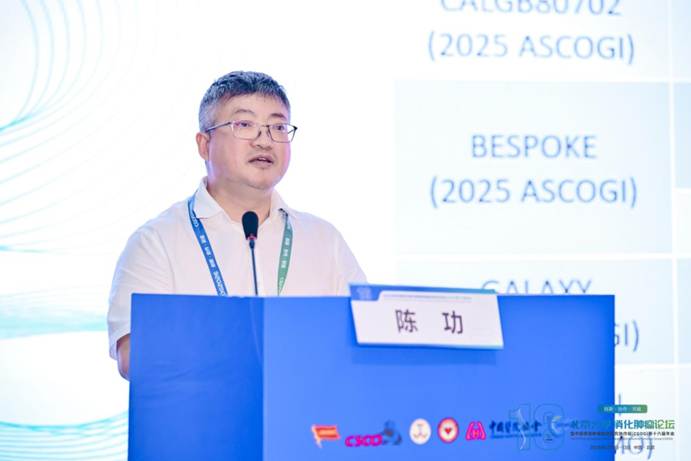
Figure: Keynote presentation by Prof. Gong Chen, Sun Yat-sen University Cancer Center
The scientific program opened with a presentation by Prof. Gong Chen from Sun Yat-sen University Cancer Center titled “Clinical Monitoring Pathways for ctDNA-Based Minimal Residual Disease (MRD) Detection in Early Colorectal Cancer: Value and Challenges.”
In his presentation, Prof. Chen provided a comprehensive overview of the clinical applications of liquid biopsy in colorectal cancer, highlighting its growing role across the entire continuum of patient management. He reviewed its utility in early detection and screening, treatment response assessment, minimal residual disease (MRD) monitoring, recurrence risk prediction, and perioperative treatment evaluation.
Prof. Chen emphasized that liquid biopsy, as a dynamic and minimally invasive testing approach, is rapidly emerging as an important tool for personalized management of colorectal cancer. By enabling real-time molecular monitoring, ctDNA-based assays offer valuable insights into tumor burden, treatment effectiveness, and disease recurrence that may not be captured through conventional imaging or tissue-based assessments alone.
Looking ahead, he noted that several important challenges remain. Key priorities for future development include the standardization of testing methodologies, clearer definition of appropriate clinical use scenarios, and closer integration of ctDNA results into therapeutic decision-making. Addressing these issues will be essential for maximizing the clinical value of liquid biopsy and further advancing precision medicine in colorectal cancer.
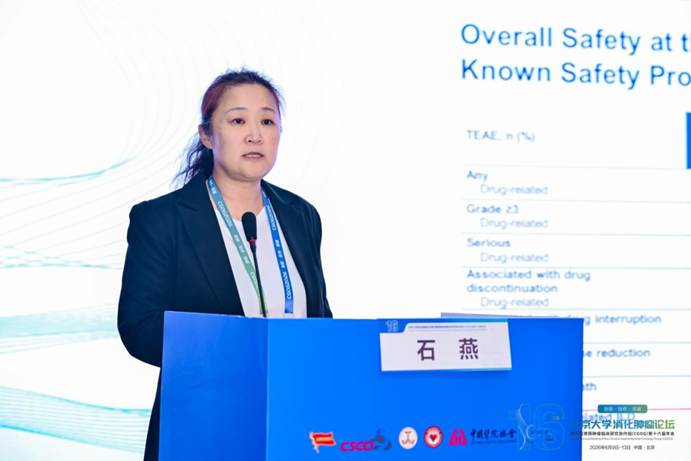
Figure: Keynote presentation by Prof. Yan Shi, Shanghai Seventh People’s Hospital
Following this, Prof. Yan Shi from Shanghai Seventh People’s Hospital delivered a presentation titled “Application Prospects and Development Strategies of Antibody-Drug Conjugates (ADCs) in Colorectal Cancer.”
Prof. Shi reviewed the fundamental characteristics of antibody-drug conjugates (ADCs), including their structural design, mechanisms of action, and recent advances in drug development. She provided an overview of the rapidly expanding role of ADCs in the treatment of solid tumors and discussed their emerging potential in colorectal cancer.
The presentation highlighted several key factors that influence the efficacy and safety of ADC therapies, including target selection, payload design, linker stability, and precise patient selection. Prof. Shi emphasized that optimizing these components is critical to maximizing therapeutic benefit while minimizing treatment-related toxicity.
She further noted that the growing number of next-generation ADCs entering clinical development is creating new opportunities for colorectal cancer treatment. As research continues to advance and more promising targets are identified, ADC-based therapies may become an important component of future precision treatment strategies, offering new hope for patients with colorectal cancer.
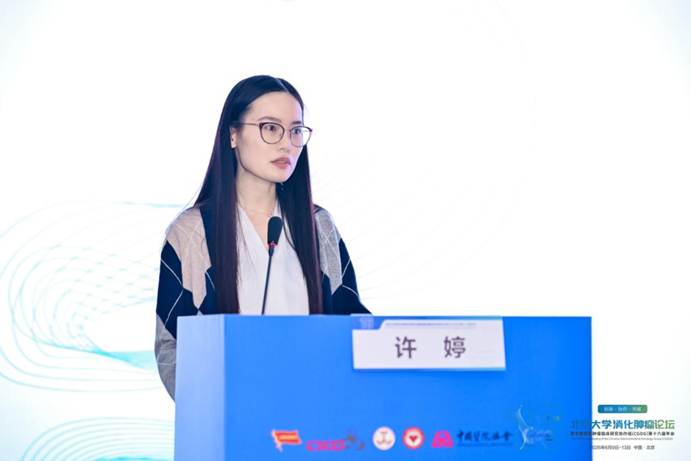
Figure: Keynote presentation by Prof. Ting Xu, Peking University Cancer Hospital
Prof. Ting Xu from Peking University Cancer Hospital delivered a presentation titled “Breaking the Barrier of RAS Mutations: New Strategies for Colorectal Cancer.”
Focusing on one of the most challenging areas in colorectal cancer treatment, Prof. Xu reviewed the molecular biology of RAS-mutant colorectal cancer, the therapeutic obstacles associated with these alterations, and recent advances in targeted treatment development.
She noted that RAS mutations have long been regarded as one of the major barriers to effective targeted therapy in colorectal cancer, limiting the benefit of several established treatment approaches. However, recent progress in the development of novel RAS-targeted agents and innovative combination strategies has begun to reshape the treatment landscape for this patient population.
Prof. Xu highlighted emerging efforts to directly target RAS signaling pathways and overcome resistance mechanisms through rational therapeutic combinations. These advances have generated renewed optimism that meaningful clinical benefits may become achievable for patients who historically had limited targeted treatment options.
Looking ahead, she emphasized the importance of continuing molecularly guided clinical research to better define patient subgroups and optimize therapeutic strategies. The ultimate goal, she noted, is to develop treatment approaches that are not only more personalized and effective but also more accessible to patients with RAS-mutant colorectal cancer.
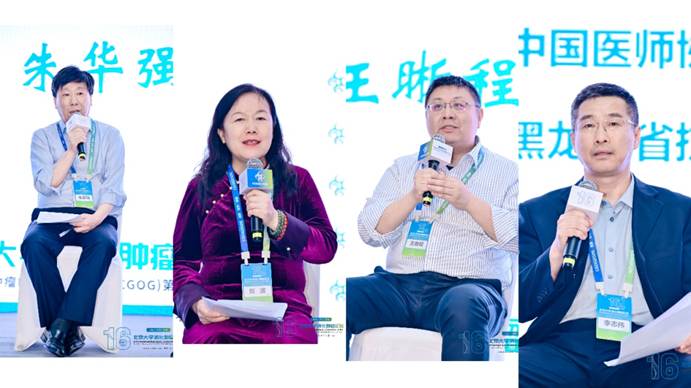
Session I Discussion
Following the presentations, Prof. Zhiwei Li from Harbin Medical University Cancer Hospital, Prof. Bo Liu from Shandong Cancer Hospital, Prof. Xicheng Wang from Peking Union Medical College Hospital, Chinese Academy of Medical Sciences, and Prof. Huaqiang Zhu from InventisBio (Shanghai) Co., Ltd. participated in an in-depth panel discussion.
The experts exchanged views on several key topics, including the clinical translation of liquid biopsy technologies, ADC drug development, treatment strategies for RAS-mutant colorectal cancer, and the integration of emerging therapies into real-world clinical practice.
The panel agreed that continued progress in precision medicine for colorectal cancer will depend on the coordinated advancement of molecular diagnostic technologies, innovative drug development, and high-quality clinical trial design. They emphasized that multidisciplinary collaboration and multicenter research initiatives will be essential for validating new therapeutic approaches, accelerating clinical translation, and ultimately achieving meaningful breakthroughs in colorectal cancer treatment.
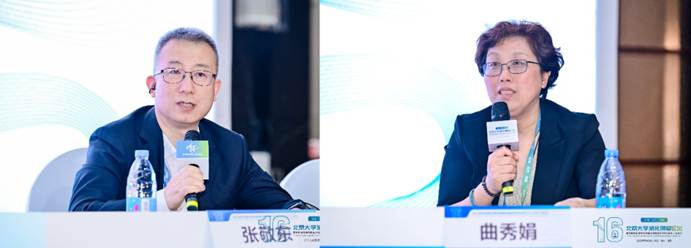
Figure: Session chaired by Prof. Xiujuan Qu and Prof. Jingdong Zhang
The second half of the scientific program was chaired by Prof. Xiujuan Qu from the First Hospital of China Medical University and Prof. Jingdong Zhang from Liaoning Cancer Hospital.
Under their moderation, the meeting continued with a series of presentations focusing on immunotherapy for colorectal cancer and the broader field of tumor immune regulation. Experts shared the latest research findings, clinical experiences, and emerging therapeutic strategies, providing attendees with valuable insights into the evolving role of immunotherapy in colorectal cancer management and future directions for translational and clinical research.
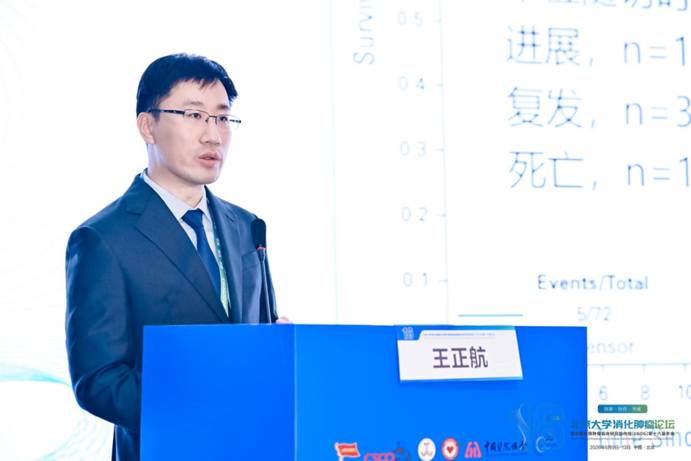
Figure: Keynote presentation by Prof. Zhenghang Wang, Peking University Cancer Hospital
Prof. Zhenghang Wang from Peking University Cancer Hospital delivered a presentation titled “Immunotherapy for dMMR/MSI Colorectal Cancer.”
In his lecture, Prof. Wang provided a comprehensive review of the current role of immunotherapy in both locally advanced and metastatic dMMR/MSI colorectal cancer, addressing several key clinical issues that have emerged with the rapid adoption of immune checkpoint inhibitors in this patient population.
The presentation covered important topics including neoadjuvant immunotherapy, organ-preservation strategies, first-line treatment selection, optimal treatment duration and discontinuation timing, as well as management approaches for patients who experience disease progression following immunotherapy.
Prof. Wang highlighted that immunotherapy has delivered a major therapeutic breakthrough for patients with deficient mismatch repair (dMMR) or microsatellite instability-high (MSI-H) colorectal cancer, achieving unprecedented clinical outcomes in both early-stage and advanced disease settings. These advances have fundamentally reshaped treatment paradigms and opened new possibilities for personalized care.
Looking forward, he emphasized the need for continued research to refine patient selection, optimize treatment strategies, and develop effective approaches for overcoming treatment resistance. Accumulating high-quality clinical evidence in these areas will be essential to further improve outcomes and maximize the long-term benefits of immunotherapy for patients with dMMR/MSI colorectal cancer.
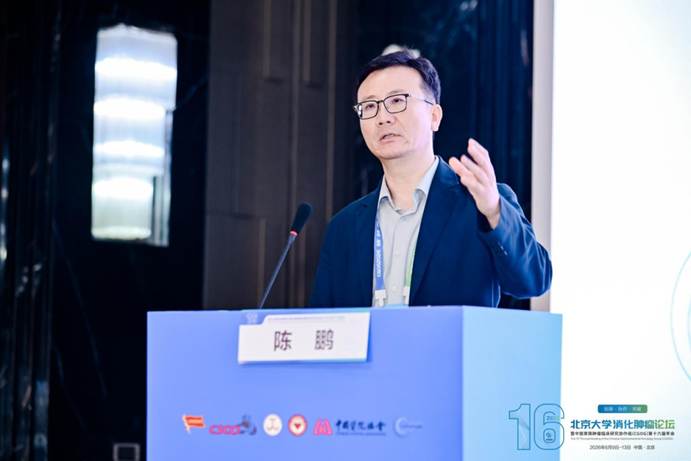
Figure: Keynote presentation by Prof. Peng Chen, Peking University
Following this, Prof. Peng Chen from Peking University delivered a presentation titled “Chemical Reprogramming of Antitumor Immunity.”
Approaching the topic from the perspective of clinical chemical biology, Prof. Chen explored how the integration of medicine, life sciences, and chemistry is driving innovation across multiple areas of biomedical research and clinical practice.
He highlighted the growing value of interdisciplinary approaches in elucidating fundamental biological processes, discovering and validating novel therapeutic targets, developing advanced diagnostic technologies, improving clinical treatment strategies, and accelerating new drug discovery. Through representative examples, Prof. Chen demonstrated how chemical biology tools can provide unique insights into the mechanisms that regulate immune responses and tumor progression.
A major focus of the presentation was the potential to chemically modulate and reprogram antitumor immunity, thereby enhancing the effectiveness of existing cancer therapies and creating new opportunities for therapeutic intervention. By leveraging advances in chemistry and molecular engineering, researchers may be able to precisely manipulate immune pathways and tumor–immune interactions to achieve improved clinical outcomes.
Prof. Chen concluded by emphasizing that the convergence of multiple scientific disciplines is opening new avenues for tumor immunoregulation, translational research, and oncology innovation, providing fresh perspectives for the future development of cancer diagnosis and treatment.
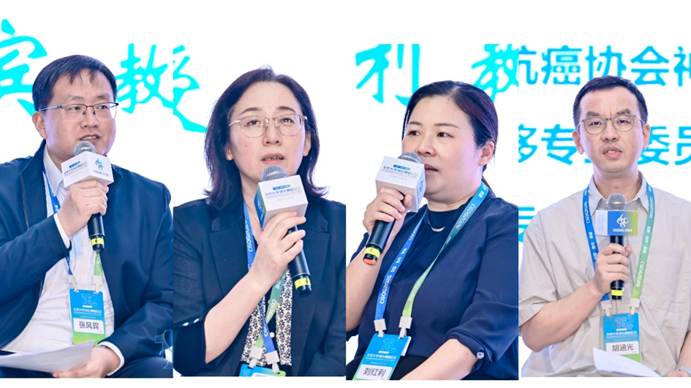
Session II Discussion
During the discussion session following the afternoon presentations, Prof. Hanguang Hu from the Second Affiliated Hospital, Zhejiang University School of Medicine, Prof. Hongli Liu from Union Hospital, Tongji Medical College, Huazhong University of Science and Technology, Prof. Chang Wang from the First Hospital of Jilin University, and Prof. Fengbin Zhang from the Fourth Hospital of Hebei Medical University engaged in an in-depth exchange on several key issues in colorectal cancer immunotherapy.
The discussion focused on topics including the optimization of immunotherapy for MSI-H colorectal cancer, mechanisms of immunotherapy resistance, regulation of the tumor immune microenvironment, and the translation of discoveries from basic science into clinical applications.
The experts agreed that immunotherapy has fundamentally transformed the treatment landscape for a subset of patients with colorectal cancer, particularly those with highly immunogenic tumors. However, significant challenges remain in the management of low-immunogenicity tumors, patients who develop treatment resistance, and the development of more effective combination treatment strategies.
Looking ahead, the panel emphasized that future progress should be driven by unmet clinical needs and supported by closer integration among basic research, translational studies, and clinical trials. Strengthening these connections will be essential for advancing precision immunotherapy and expanding its benefits to a broader population of patients with colorectal cancer.
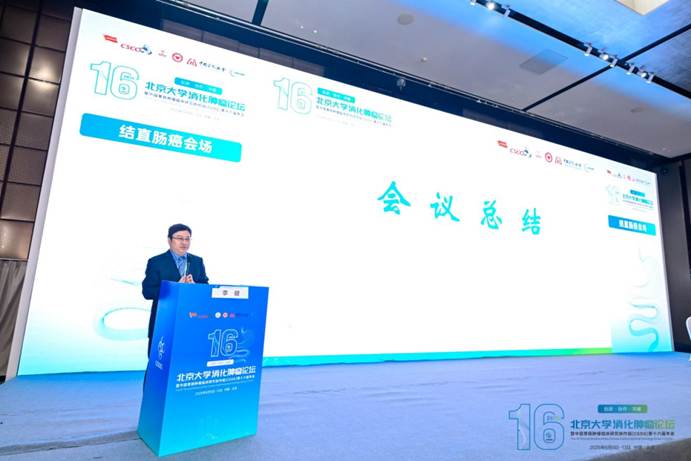
Figure: Meeting Summary by Prof. Jian Li, Peking University Cancer Hospital
At the conclusion of the forum, Prof. Jian Li from Peking University Cancer Hospital delivered the closing remarks and summarized the key takeaways from the meeting.
Prof. Li noted that the Colorectal Cancer Forum successfully bridged clinical practice and cutting-edge scientific exploration, covering a broad range of topics that are shaping the future of colorectal cancer management. The program addressed important areas of precision oncology, including liquid biopsy, RAS-mutant colorectal cancer, and antibody-drug conjugates (ADCs), while also providing in-depth discussions on immunotherapy for MSI-H colorectal cancer and innovative approaches to antitumor immune regulation.
He emphasized that the speakers offered valuable perspectives from both clinical and research standpoints, showcasing the latest advances in colorectal cancer diagnosis and treatment while providing important insights for future investigation and clinical application. According to Prof. Li, continued progress in colorectal cancer care will require the combined efforts of multidisciplinary collaboration, multicenter clinical research, and innovative drug development.
Looking ahead, he expressed hope that the CGOG platform will continue to bring together experts from across the country, fostering collaboration and driving the high-quality development of colorectal cancer clinical research in China.
Meeting Conclusion
The successful convening of the Colorectal Cancer Forum provided a high-level academic platform for experts and researchers in the field to exchange knowledge, share experiences, and discuss emerging trends. The meeting further promoted the dissemination of precision medicine concepts, innovative treatment strategies, and clinical research achievements.
As diagnostic technologies continue to advance, novel therapeutic agents emerge, and multidisciplinary collaboration becomes increasingly integrated into routine practice, the future of colorectal cancer management is expected to become more precise, standardized, and personalized. These developments will ultimately expand treatment options and improve outcomes for patients with colorectal cancer.
Original article: Department of Gastrointestinal Oncology, Peking University Cancer Hospital
Author: Wanyi Liu
Reviewer: Ting Xu