Opening the Congress: A Global Gathering for Hematology
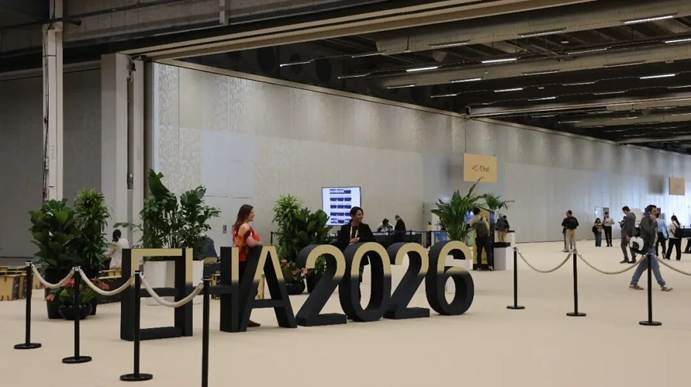
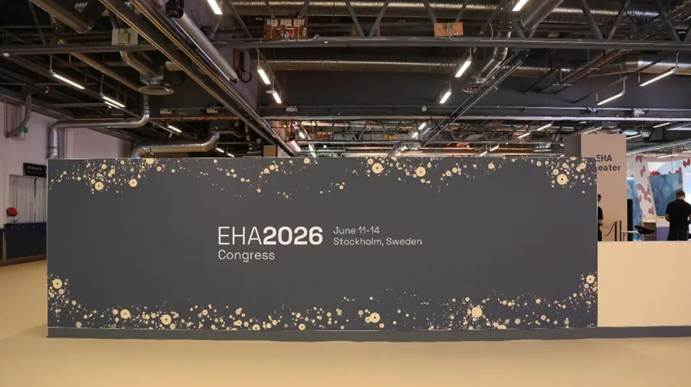
In June 2026, the European Hematology Association (EHA) Congress officially opened in Stockholm, Sweden, bringing together the global hematology community for one of the field’s most influential scientific events. As the largest and most prestigious annual meeting in hematology, EHA 2026 not only showcased groundbreaking scientific discoveries but also unveiled strategic initiatives that will help shape the future of hematology research and patient care over the next decade.The opening ceremony featured presidential addresses, presentations of major research grants and awards, recognition of outstanding contributions to diversity, equity and inclusion (DEI) and medical education, as well as a highly anticipated Lifetime Achievement Award lecture. Together, these sessions highlighted both the scientific advances and the broader responsibilities that continue to drive progress in hematology.
A Community United by Collaboration
The 31st EHA Congress adopted an innovative hybrid format, combining in-person and virtual participation and attracting more than 18,000 hematologists, researchers, nurses, allied healthcare professionals, and patient advocates from around the world.
The ceremony opened with a visually compelling presentation celebrating the principles that have long defined progress in hematology: collaboration, innovation, and scientific advancement.
Throughout the opening session, speakers emphasized that EHA is more than a scientific society—it is a global community. By fostering close connections between laboratory scientists, clinical investigators, healthcare professionals, and patient organizations, the association helps accelerate the translation of scientific discoveries into meaningful improvements in patient care.
From basic research breakthroughs to novel therapeutic strategies, the shared goal remains clear: to deliver better prevention, more precise treatments, and improved long-term outcomes for millions of people living with hematologic disorders worldwide.
Against the backdrop of Stockholm’s early summer, the opening ceremony reflected both the remarkable progress achieved in recent years and the collective determination to continue advancing the field.
Presidential Address: The Vision of EHA 2030
Opening the scientific program, Professor Konstanze Döhner of the University of Ulm, Germany, President of EHA, welcomed participants from across the globe and outlined the organization’s vision for the future.
Professor Döhner noted that the full auditorium in Stockholm symbolized the strength and unity of the international hematology community. Despite rapid changes in science and healthcare, EHA’s core mission remains unchanged: to advance hematology through scientific exchange, meaningful collaboration, and a shared commitment to improving patient outcomes.
She emphasized that EHA’s long-term strategy extends beyond supporting research alone. The organization seeks to strengthen every aspect of the hematology ecosystem, including scientific innovation, clinical excellence, education, advocacy, and international cooperation.
Central to this vision is the newly articulated EHA 2030 Strategic Roadmap, which aims to guide the field through a period of unprecedented scientific opportunity. The strategy places particular emphasis on fostering innovation, accelerating translational research, supporting the next generation of hematology leaders, and ensuring equitable access to advances in diagnosis and treatment across different regions of the world.
Professor Döhner highlighted that the future of hematology will depend not only on scientific breakthroughs but also on the ability of the global community to work together across disciplines, institutions, and national borders.
As hematology enters an era increasingly defined by precision medicine, molecular diagnostics, cellular therapies, and artificial intelligence–driven innovation, international collaboration will be more important than ever in translating scientific progress into real-world patient benefit.
The opening session set an ambitious tone for the congress, underscoring a shared belief among participants that the next chapter of hematology will be written through collective effort, scientific excellence, and an unwavering commitment to improving the lives of patients worldwide.
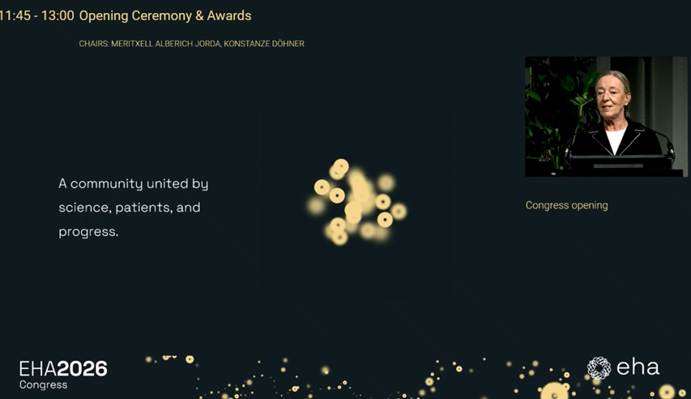
Professor Döhner highlighted EHA’s ongoing efforts to implement its ambitious EHA 2030 Strategic Roadmap, a long-term initiative designed to transform the organization into a more modern, inclusive, and forward-looking professional society. At the heart of the strategy is the concept of “Borderless Hematology,” which seeks to break down barriers across geography, disciplines, career stages, and professional roles. Under this framework, EHA is expanding support programs ranging from digital education and lifelong learning to targeted initiatives for early-career professionals, scientific innovation, health policy advocacy, and health equity.
Beyond its scientific leadership, Professor Döhner emphasized EHA’s growing influence in healthcare policy across Europe. The association is actively engaged in discussions surrounding the evaluation and accessibility of innovative therapies, particularly through participation in Health Technology Assessment (HTA) processes. By contributing expert perspectives, EHA helps ensure that the unique complexities of hematologic diseases are appropriately considered in regulatory and reimbursement decisions, ultimately helping to accelerate patient access to novel treatments.
EHA is also working to improve the clinical research environment. Together with investigators and patient representatives, the organization advocates for more proportionate, patient-centered clinical trial regulations that maintain scientific rigor while reducing unnecessary administrative burdens. The goal is to facilitate innovation and improve trial efficiency without compromising patient safety or research quality.
Providing an overview of the scientific program, Professor Meritxell Alberich Jorda from Prague, Czechia, Chair of the Scientific Program Committee, described the congress agenda as the product of extensive international collaboration and collective expertise. She noted that the 2026 meeting features more than 575 scientific sessions and presentations, reflecting the extraordinary breadth of contemporary hematology research.
This year’s congress received more than 4,700 abstract submissions from investigators around the world. Following a rigorous peer-review process, the selected presentations represent some of the most important advances in basic science, translational research, and clinical investigation across the field.
Professor Jorda also highlighted several key sessions expected to generate significant interest during the meeting. In particular, she encouraged attendees to follow the Plenary Scientific Session on Saturday and the Late-Breaking Abstract Session on Sunday, where several practice-changing studies and major new clinical datasets are scheduled to be unveiled. These presentations are expected to provide important insights that may influence future standards of care and help shape the next generation of therapeutic strategies in hematology.
终身成就奖讲坛
Claire Harrison’s Long Journey in MPN Research
Amid warm applause from attendees, the highest honor of EHA 2026—the EHA Lifetime Achievement Award—was presented to Professor Claire Harrison of Guy’s and St Thomas’ NHS Foundation Trust, London, United Kingdom.
Professor Harrison is internationally recognized as one of the leading authorities in myeloproliferative neoplasms (MPNs). Beyond her scientific contributions, she has been a tireless advocate for patients, serving as one of the founders of MPN Voice UK and the International MPN Advocates Network, organizations that have played a pivotal role in promoting patient education, awareness, and access to care worldwide.
To mark the occasion, Professor Harrison delivered a keynote lecture entitled “From Dameshek to Disease Modification: An MPN Journey.”
In a presentation that combined historical perspective, scientific insight, and personal reflection, she traced the remarkable evolution of MPN research over the past several decades. Beginning with the pioneering observations of William Dameshek, who first proposed the concept of myeloproliferative disorders in the 1950s, Professor Harrison illustrated how advances in molecular biology have fundamentally transformed our understanding of these diseases.
She highlighted the watershed discovery of the JAK2 V617F mutation in 2005, a finding that revolutionized the field by providing a molecular explanation for many MPNs and paving the way for targeted therapeutic development. This breakthrough shifted the treatment paradigm from symptom control alone toward biologically driven interventions capable of addressing the underlying disease process.
Professor Harrison emphasized that the field has now entered an era in which clinicians are no longer focused solely on controlling blood counts and reducing thrombotic risk. Increasingly, the goal is to achieve genuine disease modification—altering the natural history of MPNs, reducing disease progression, improving quality of life, and ultimately extending survival.
Reflecting on her own career, she described how progress in MPN research has been driven by close collaboration among laboratory scientists, clinicians, industry partners, and, critically, patients themselves. Many of the advances achieved over the last two decades—from molecular diagnostics to JAK inhibitor development and novel combination strategies—have emerged from these multidisciplinary partnerships.
Professor Harrison also underscored the challenges that remain. Despite significant therapeutic advances, patients with myelofibrosis and other high-risk MPNs continue to face substantial unmet needs. Future efforts, she noted, must focus on earlier intervention, deeper molecular responses, prevention of disease progression, and the development of therapies capable of eradicating malignant stem cell populations.
A recurring theme throughout the lecture was the importance of maintaining a patient-centered perspective. Scientific innovation, she stressed, should ultimately be measured not only by laboratory achievements or clinical endpoints but by its ability to improve the daily lives and long-term outcomes of patients living with these chronic hematologic malignancies.
The lecture served as both a celebration of how far the field has come and a call to continue pushing the boundaries of discovery. By connecting the historical foundations laid by Dameshek with the modern pursuit of disease modification, Professor Harrison offered a compelling vision of the future of MPN research—one in which precision medicine, scientific collaboration, and patient advocacy work hand in hand to transform outcomes for patients around the world.
Her recognition with the EHA Lifetime Achievement Award reflects not only her outstanding scientific accomplishments but also her enduring commitment to advancing MPN research, improving patient care, and inspiring future generations of hematologists.
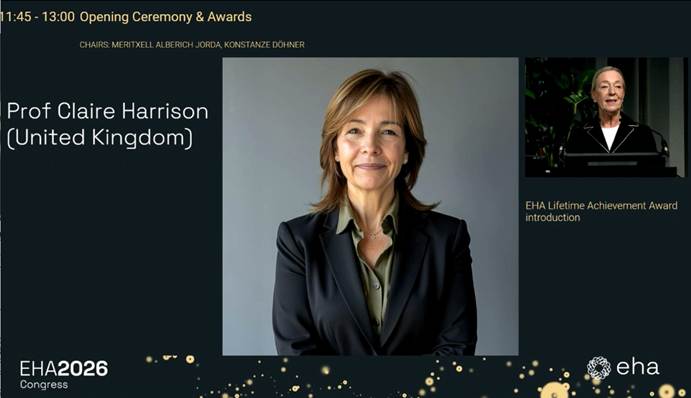
Professor Harrison structured her lecture around the story of a patient named Gina, whose nearly three-decade treatment journey vividly illustrated the extraordinary evolution of myeloproliferative neoplasm (MPN) management.
In 1997, at the age of 12, Gina was diagnosed with essential thrombocythemia (ET) after presenting with a markedly elevated platelet count. At that time, scientific understanding of MPNs remained relatively limited, and treatment options were largely focused on controlling blood counts and preventing thrombotic complications.
Using Gina’s clinical course as a narrative thread, Professor Harrison traced the transformation of the field through three distinct eras.
The Early Era: Managing Blood Counts (1990s)
During the 1990s, therapeutic goals were relatively modest. Treatment primarily relied on agents such as hydroxyurea or anagrelide to reduce platelet counts and minimize the risk of thrombosis. Disease biology remained poorly understood, and few tools were available to predict long-term outcomes or personalize treatment.
The Era of Molecular Discovery (2000s–2010s)
The field underwent a fundamental shift with the discovery of key driver mutations in MPNs. Among these breakthroughs was the identification of CALR mutations, an area in which Professor Harrison and her colleagues played a leading role.
Subsequent molecular testing revealed that Gina carried a CALR mutation. This finding not only clarified the biological basis of her disease but also laid the foundation for more refined prognostic stratification and risk-adapted management. The emergence of molecular diagnostics transformed MPNs from disorders defined primarily by clinical features into diseases increasingly understood through their underlying genetic drivers.
The Disease Modification Era (2020s)
Today, treatment goals have evolved far beyond simple blood count control. Modern strategies increasingly aim to achieve molecular responses, alter disease biology, and potentially prevent or reverse disease progression.
Professor Harrison highlighted the growing role of interferon-based therapies and novel targeted approaches designed to reduce clonal burden, induce deeper remissions, and even reverse bone marrow fibrosis in selected patients. The focus has shifted from symptom management toward genuine disease modification.
Landmark Studies That Shaped Modern MPN Care
Professor Harrison also reviewed two pivotal clinical studies that have had a lasting impact on MPN management.
PT-1 Trial
The PT-1 study, one of the largest academic trials ever conducted in essential thrombocythemia, established hydroxyurea plus aspirin as the standard treatment approach for high-risk ET patients.
The trial demonstrated that, compared with anagrelide, hydroxyurea was associated with superior outcomes, including lower rates of thrombotic events and reduced progression to myelofibrosis. The findings helped define clinical practice for a generation of hematologists and remain highly influential today.
MPN-RC 112 / MAGIC-PV Study
Professor Harrison also discussed the MAGIC-PV study, which evaluated long-acting interferon therapy in patients with polycythemia vera (PV).
The results showed that approximately half of treated patients experienced substantial reductions in mutant allele burden. Importantly, these molecular responses correlated with improved event-free survival (EFS) and overall survival (OS).
These findings represented a major conceptual advance for the field, demonstrating that treatment success should no longer be measured solely by hematologic control but also by the depth of molecular response. The study helped establish the principle that achieving deeper biological remission may translate into meaningful long-term clinical benefit.
Looking Ahead: The Next Frontier in MPN Therapy
In concluding her lecture, Professor Harrison outlined several promising directions for future research.
Novel therapies targeting CALR-mutated disease are currently under active development, while combination strategies involving Janus kinase (JAK) inhibition—including programs such as the Centauri study—are seeking to further improve outcomes through more comprehensive targeting of disease biology.
Despite the remarkable progress achieved over the past two decades, she emphasized that many unmet needs remain. Continued innovation will be essential to move beyond disease control toward durable disease modification and, ultimately, functional cure.
Professor Harrison stressed that future hematology research must be guided by courage, collaboration, and patient partnership. Researchers should not only build scientific projects but also cultivate scientific communities capable of working together across disciplines and borders. Equally important, she noted, is maintaining a commitment to listening to patients and incorporating their perspectives into every stage of research and clinical development.
In a characteristically humble conclusion, she dedicated the Lifetime Achievement Award not to herself alone, but to the entire “Team MPN”—the international network of investigators, clinicians, nurses, researchers, advocates, and patients who have collectively advanced the field.
Recognizing Excellence in Research, Education, and Inclusion
The opening ceremony also featured several major awards recognizing individuals who have advanced hematology through scientific excellence, education, mentorship, and advocacy.
Expanding Opportunities Through EHA Research Grants
Professor Dominique Bonnet of London presided over the presentation of the 2026 EHA Research Grants.
This year’s program demonstrated unprecedented breadth and inclusiveness. A total of 47 researchers received funding, representing 16 countries across Europe. Awardees came not only from major research centers but also from countries in Central and Eastern Europe, including the Czech Republic, Hungary, Poland, Romania, Serbia, Slovakia, and Slovenia, reflecting EHA’s commitment to reducing disparities in research opportunities and strengthening scientific capacity across the region.
A particularly notable achievement was the program’s success in promoting gender equity. More than half of all grants were awarded to female investigators, marking an important milestone for representation and inclusion within academic medicine and hematology research.
DEI Award: Advancing Inclusion Through Education
The Diversity, Equity and Inclusion (DEI) Award was presented to Professor Gianluca Gaidano of the University of Eastern Piedmont in Novara, Italy, in recognition of his longstanding efforts to promote inclusivity within the global hematology community.
Throughout his career, Professor Gaidano has worked extensively to expand access to hematology education and expertise in regions with more limited healthcare resources. Through educational exchange programs and international collaborations, he has helped disseminate advances in diagnosis and treatment to underserved communities.
In his acceptance remarks, Professor Gaidano quoted Nelson Mandela’s famous observation that “education is the most powerful weapon which you can use to change the world.”
He emphasized that reciprocity lies at the heart of diversity, equity, and inclusion. Hematology professionals, he argued, should view patients in resource-limited regions as “our patients” and work collectively to narrow global disparities in access to care and survival outcomes through knowledge sharing, collaboration, and mutual support.
His message resonated strongly with the broader theme of EHA 2026: that meaningful progress in hematology depends not only on scientific discovery but also on ensuring that those advances benefit patients everywhere.
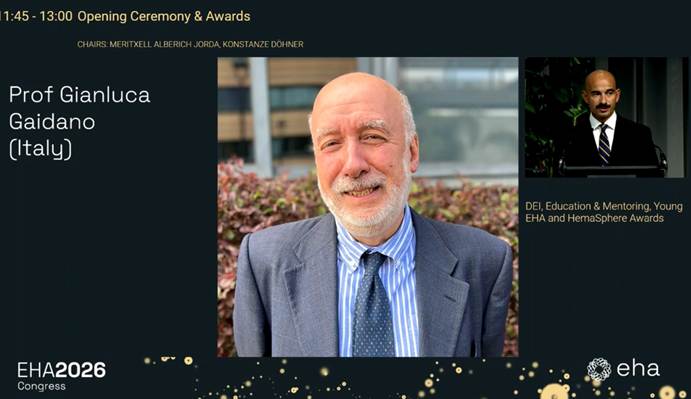
Education & Mentoring Award: Celebrating the Power of Guidance and Lifelong Learning
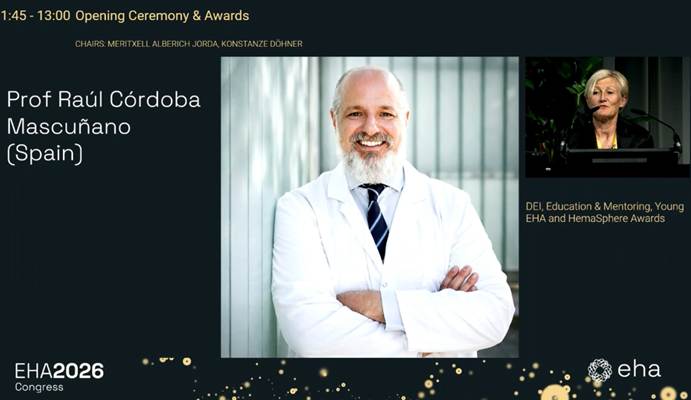
The EHA Education & Mentoring Award was presented to Professor Raul Cordoba of Hospital Universitario Fundación Jiménez Díaz, Madrid, Spain, in recognition of his outstanding contributions to hematology education and the development of mentorship programs that have shaped generations of clinicians and researchers.
Throughout his career, Professor Cordoba has been deeply committed to building sustainable educational frameworks that support professional growth at every stage of a hematologist’s journey. His work has extended beyond traditional teaching, focusing on the creation of structured mentoring networks that foster scientific curiosity, clinical excellence, and leadership development within the hematology community.
In his acceptance remarks, Professor Cordoba emphasized that mentorship is far more than the transfer of knowledge and technical skills. Rather, it is a process of continuous support, encouragement, and guidance that helps young professionals navigate the challenges and opportunities of their careers.
He reflected on the fact that behind every successful hematologist stands a network of mentors who have provided direction at different stages of professional development. These mentor-mentee relationships, he noted, form an unbroken chain that connects generations of physicians and scientists, ensuring the continuity of knowledge, values, and innovation within the field.
Professor Cordoba described mentorship as one of the most powerful investments a medical community can make. While scientific discoveries and technological advances continue to transform patient care, the cultivation of future leaders remains equally essential for the long-term progress of hematology. By sharing experience, offering guidance, and creating opportunities for younger colleagues, mentors help strengthen not only individual careers but also the collective future of the discipline.
His remarks resonated strongly with the broader themes of EHA 2026, particularly the organization’s commitment to education, inclusion, and the development of the next generation of hematology professionals. As EHA continues to expand its educational initiatives under the framework of its 2030 strategic vision, mentorship is increasingly recognized as a cornerstone of professional excellence and global collaboration.
The recognition of Professor Cordoba serves as a reminder that scientific progress depends not only on groundbreaking research, but also on the people who dedicate themselves to teaching, inspiring, and empowering those who will carry the field forward. Through mentorship, knowledge becomes legacy, and the future of hematology is built one generation at a time.
Young EHA Award: Defending Scientific Freedom in a Changing World
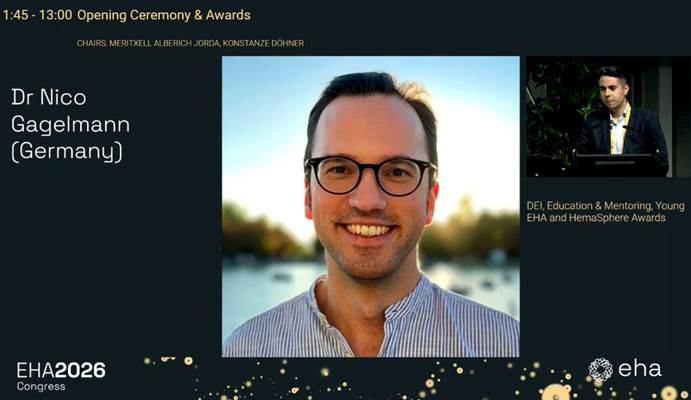
The Young EHA Award was presented to Dr. Nico Gagelmann of University Medical Center Hamburg-Eppendorf, Germany, in recognition of his outstanding contributions as an emerging leader in hematology research and clinical innovation.
In his acceptance speech, Dr. Gagelmann delivered a thoughtful and inspiring message that resonated deeply with attendees. Reflecting on the responsibilities of the next generation of physician-scientists, he emphasized that young hematologists must look beyond meeting clinical trial deadlines and academic milestones. Equally important, he argued, is the responsibility to protect one of the foundations of scientific progress: the freedom of science.
Dr. Gagelmann noted that researchers today are working in a world marked by increasing complexity, uncertainty, and competing societal pressures. In such an environment, maintaining scientific integrity requires more than technical expertise. It demands the courage to ask difficult questions, challenge assumptions, and pursue evidence wherever it may lead.
He encouraged young investigators to cultivate critical thinking and intellectual independence while remaining open to dialogue and collaboration. Scientific advancement, he stressed, depends on the ability to evaluate evidence objectively and engage constructively with differing viewpoints.
At the same time, Dr. Gagelmann highlighted the importance of humanity within science. Beyond publishing papers and conducting studies, researchers must remain sincere in their interactions with colleagues, patients, and society. Respect for others and respect for scientific truth, he suggested, are inseparable principles that underpin meaningful progress.
His remarks reflected the broader spirit of EHA 2026, where international collaboration, openness, and innovation have emerged as central themes. As hematology enters an era of unprecedented technological and therapeutic advances, Dr. Gagelmann’s message served as a reminder that scientific breakthroughs flourish only in environments where curiosity, critical inquiry, and academic freedom are protected.
The recognition of Dr. Gagelmann through the Young EHA Award not only celebrates his individual achievements but also symbolizes EHA’s commitment to nurturing a new generation of leaders who will shape the future of hematology with both scientific excellence and intellectual courage.
期刊年度大奖
HemaSphere Paper of the Year and a Breakthrough in Multiple Myeloma
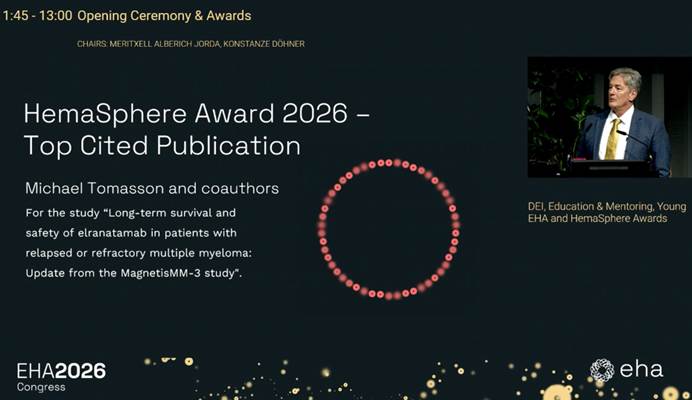
As the official journal of the European Hematology Association, HemaSphere occupies a central role in disseminating the most impactful advances in hematology. During the opening ceremony, Professor Jan Cools of KU Leuven, Belgium, Editor-in-Chief of HemaSphere, announced the recipient of the journal’s 2024–2025 Paper of the Year Award.
The honor was awarded to a landmark study led by Professor Michael Thomasson and colleagues, with Professor Alexander Lesokhin serving as senior author. The study focused on elranatamab, a bispecific antibody that simultaneously targets B-cell maturation antigen (BCMA) on myeloma cells and CD3 on T cells, thereby redirecting the patient’s immune system to attack malignant plasma cells.
Award-Winning Research: Long-Term Follow-Up from MagnetisMM-3
The award-winning publication reported updated follow-up data from the pivotal MagnetisMM-3 trial, which evaluated elranatamab in patients with relapsed or refractory multiple myeloma (RRMM) who had previously received multiple lines of therapy, including a proteasome inhibitor, an immunomodulatory agent, and an anti-CD38 monoclonal antibody.
Results from this heavily pretreated and highly refractory patient population demonstrated that elranatamab delivers deep and durable clinical responses. The study reported a substantial overall response rate (ORR), while both the median duration of response (mDOR) and overall survival (OS) compared favorably with historical outcomes achieved using conventional treatment approaches.
These findings further reinforce the transformative potential of T-cell–redirecting therapies in multiple myeloma and provide important long-term evidence supporting the use of BCMA-targeted immunotherapy in patients with limited remaining treatment options.
From an Incurable Disease to the Possibility of Cure
Accepting the award, Professor Thomasson reflected on the extraordinary progress witnessed during his career. He recalled that when he first entered the field, a diagnosis of multiple myeloma was often regarded as a virtual death sentence, with median survival typically ranging from only three to five years.
Today, the therapeutic landscape has been fundamentally transformed. The emergence of bispecific antibodies, CAR-T cell therapies, and other immune-based approaches has dramatically improved outcomes for patients with advanced disease. As a result, the hematology community has begun to seriously contemplate a question that once seemed unimaginable: whether long-term disease eradication—and perhaps even cure—may eventually become achievable for at least a subset of patients with multiple myeloma.
The recognition of the MagnetisMM-3 study highlights not only the remarkable clinical activity of elranatamab but also the broader shift occurring across myeloma treatment. Immune-directed therapies are increasingly redefining expectations for patients with relapsed and refractory disease, offering renewed hope where treatment options were previously limited.
For patients, clinicians, and researchers alike, the study stands as an important milestone and provides a strong evidence base supporting the continued integration of BCMA-targeted therapies into the evolving management of multiple myeloma.
结 语
The Intellectual Echoes of a Stockholm Summer
The opening ceremony of the 2026 EHA Congress was far more than a celebration of achievements and awards—it was a collective affirmation of the values and aspirations that continue to drive progress in hematology.
From Professor Claire Harrison’s reflections on nearly three decades of caring for patients with myeloproliferative neoplasms (MPNs) to Professor Michael Thomasson’s observations on the remarkable transformation of multiple myeloma outcomes, a common message emerged throughout the event: hematology has entered a new era. The field is evolving from qualitative observation to quantitative precision, from experience-based practice to biologically informed decision-making, and from disease control toward true disease modification.
As repeatedly emphasized during the opening sessions, progress in hematology is no longer measured solely by technological advances such as high-throughput sequencing or increasingly sophisticated clinical trial designs. Equally important is the strength of the global hematology community itself. Meaningful breakthroughs are made possible through international collaboration, multidisciplinary partnerships, open scientific exchange, and a shared commitment to improving the lives of patients worldwide.
The opening of EHA 2026 in Stockholm established an inspiring tone for the days that followed. Beyond presenting cutting-edge science, the meeting highlighted a broader vision for the future—one in which innovation is accompanied by inclusiveness, scientific rigor is balanced with compassion, and advances in care become accessible to patients regardless of geography or background.
Guided by the ambitions outlined in the EHA 2030 Strategic Roadmap, the hematology community is charting a course toward a future that is more connected, more equitable, and more patient-centered. As the scientific discussions unfold over the course of the congress, there is every reason to believe that the next chapter of hematology will be defined not only by groundbreaking discoveries, but also by a deeper commitment to collaboration, education, and global health equity.
In this spirit, the opening ceremony served as both a celebration of how far the field has come and a reminder of the collective responsibility that lies ahead. From Stockholm, a renewed vision for the future of hematology has begun to take shape—one built on scientific excellence, international cooperation, and an unwavering determination to improve outcomes for patients around the world.