
Despite significant advances in recent years, the treatment of acute myeloid leukemia (AML) and high-risk myelodysplastic syndromes (MDS) continues to present major clinical challenges. Existing therapies offer limited efficacy for many patients, particularly those with high-risk disease, highlighting a substantial unmet medical need.At the 2026 ASCO Annual Meeting, Professor Huafeng Wang of the First Affiliated Hospital, Zhejiang University School of Medicine, presented the Phase I results of Mesutoclax, a novel BCL-2 inhibitor, in combination with azacitidine (AZA). The study demonstrated encouraging efficacy and safety signals in both AML and MDS, suggesting the potential for a new generation of BCL-2-targeted therapy in myeloid malignancies.
Oncology Frontier – Hematology Frontier invited Professor Wang to discuss the rationale behind the study, the clinical findings, and the future development strategy for Mesutoclax.
Addressing the Unmet Needs of Current BCL-2 Inhibition
According to Professor Wang, the development of venetoclax in combination with azacitidine represented one of the most important breakthroughs in AML treatment over the past decade. However, significant limitations remain, particularly among older patients and those with adverse-risk disease.
While the VIALE-A study established venetoclax plus azacitidine as a standard-of-care regimen, the complete remission (CR) rate was 36.7%, and median overall survival reached 14.7 months. As Professor Wang noted, nearly two-thirds of patients failed to achieve CR, leaving many vulnerable to relapse and poor long-term outcomes. Moreover, outcomes in real-world clinical practice are often less favorable than those reported in clinical trials.
The limitations are particularly evident among patients with adverse genetic features. Based on the 2024 European LeukemiaNet (ELN) risk classification, composite complete remission (cCR) rates with venetoclax-based therapy decline substantially in intermediate- and adverse-risk populations, especially among patients harboring TP53 mutations. These groups collectively account for approximately half of newly diagnosed older AML patients, underscoring the need for more effective treatment options.
Another challenge is the depth of response. In pivotal venetoclax studies, the measurable residual disease (MRD)-negative rate was only 23.4%, indicating that many patients who achieve morphological remission continue to harbor residual leukemic cells. Multiple meta-analyses have demonstrated a strong association between MRD negativity and long-term survival, making deeper remission a key therapeutic objective.
Safety remains another critical concern. Older AML patients frequently have limited bone marrow reserve and multiple comorbidities, making treatment-related toxicity a major determinant of survival. Venetoclax-based therapy is associated with prolonged cytopenias, infectious complications, and a notable risk of early mortality. Tumor lysis syndrome (TLS) also necessitates careful dose ramp-up and intensive monitoring.
In high-risk MDS, therapeutic options are even more limited. Azacitidine monotherapy has remained the standard of care for more than a decade, yet complete remission rates are approximately 20%, leaving most patients without meaningful disease control. Furthermore, no approved second-line treatment currently exists for patients who fail hypomethylating agent (HMA) therapy.
Against this backdrop, Mesutoclax was developed with the goal of systematically addressing the key limitations of existing BCL-2 inhibitors.
A Next-Generation BCL-2 Inhibitor Designed for Greater Efficacy and Improved Safety
Professor Wang explained that Mesutoclax was developed through extensive structural optimization based on the venetoclax molecule.
The novel agent exhibits substantially greater BCL-2 inhibitory potency, with an IC50 of just 1.3 nM. At a dose of 125 mg, Mesutoclax achieves approximately three times the systemic exposure of venetoclax administered at 400 mg, while maintaining a half-life of approximately 21 hours that supports convenient once-daily dosing.
Importantly, Mesutoclax demonstrates minimal inhibition of BCL-XL, a protein essential for platelet survival and normal hematopoietic progenitor cell function. Preserving BCL-XL activity may reduce off-target thrombocytopenia and facilitate faster hematopoietic recovery.
The drug also appears to offer a more stable pharmacokinetic profile, potentially reducing the risk of clinically significant drug-drug interactions. Exposure variability when combined with azole antifungal agents appears substantially lower than that observed with venetoclax, a particularly important consideration in AML management.
Professor Wang summarized the central hypothesis of the program as follows: a pharmacologically optimized BCL-2 inhibitor may achieve deeper and more sustained pathway inhibition, resulting in higher remission rates and greater MRD negativity while simultaneously improving hematologic recovery and reducing treatment-related mortality.
Encouraging Early Efficacy Signals in AML and MDS
The most mature efficacy data currently come from newly diagnosed AML patients.
Among 44 efficacy-evaluable patients, the composite complete remission rate reached 81.8%, while the complete remission rate was 63.6%. Compared with the 36.7% CR rate reported in VIALE-A, Mesutoclax demonstrated nearly double the complete remission rate observed with venetoclax-based therapy.
Perhaps even more noteworthy was the depth of response achieved. Among patients who attained CR, CRi, or MLFS, 86.5% achieved MRD negativity. This compares favorably with the approximately 23% MRD-negative rate reported in key venetoclax studies. In addition, 61.4% of patients achieved MRD-negative complete remission.
Professor Wang emphasized that MRD negativity has consistently been associated with improved long-term survival outcomes across multiple analyses and has increasingly been recognized by regulatory agencies as a meaningful efficacy endpoint. Therefore, the MRD findings may represent an early indicator of potential long-term survival benefit.
Responses were also achieved rapidly. More than 80% of patients who ultimately achieved cCR did so after the first treatment cycle, with a median time to cCR of just 0.9 months. Rapid disease control may be particularly important in older AML patients, who often have limited physiological reserve and are highly vulnerable to infection-related complications.
Importantly, efficacy appeared consistent across different ELN risk categories. Composite complete remission rates were 80.0% in favorable-risk patients, 88.2% in intermediate-risk patients, and 71.4% in adverse-risk patients.
Particularly encouraging results were observed among patients with TP53-mutated AML. All seven patients classified as adverse risk due to TP53 mutations achieved a cCR rate of 71.4%. At the time of data cutoff, all seven patients remained alive, two had successfully bridged to transplantation, and the median duration of response was 5.7 months. Although the sample size remains small, these findings suggest potential activity in one of the most difficult-to-treat AML subgroups.
The MDS results were similarly encouraging. Among ten efficacy-evaluable patients with newly diagnosed high-risk MDS, the composite complete remission rate reached 90% according to IWG 2023 criteria, while the complete remission rate was 60%.
Given that azacitidine monotherapy typically achieves CR rates of approximately 20%, and that venetoclax-based combinations in MDS have yet to secure regulatory approval, these findings represent a particularly promising early signal in a disease area with significant unmet need.
Professor Wang believes the data suggest three important clinical implications. First, deeper remissions may translate into improved long-term survival. Second, patients with adverse-risk disease, particularly those harboring TP53 mutations, may derive greater benefit from more potent BCL-2 inhibition. Third, MDS may represent an important future therapeutic opportunity for next-generation BCL-2 inhibitors.
Safety Profile Supports Further Clinical Development
Safety was a major focus during the development of Mesutoclax and remains one of its most potentially differentiating features.
Among 78 patients enrolled in the Phase I study, no dose-limiting toxicities were observed, and the maximum tolerated dose was not reached. Treatment discontinuation due to treatment-emergent adverse events occurred in only 1.3% of patients, while serious adverse events were reported in 29.5%.
Most notably, among newly diagnosed AML patients, both the 30-day and 60-day mortality rates were zero.
Although myelosuppression remained common, Professor Wang emphasized that hematologic toxicity should be interpreted in the context of AML treatment goals. Effective eradication of leukemic blasts inevitably results in transient suppression of blood counts. More important than the degree of suppression is the speed of recovery.
The median duration of Grade 4 neutropenia was only 10 days, while Grade 4 thrombocytopenia lasted a median of six days. These durations compare favorably with historical venetoclax data, where Grade 4 neutropenia and thrombocytopenia lasted approximately 33 and 21 days, respectively.
Rapid hematologic recovery may have contributed to the relatively low incidence of severe infections. Grade ≥3 infections occurred in 27% of patients, substantially lower than rates reported with venetoclax-based therapy.
Furthermore, supportive care requirements appeared relatively modest. Only about one-third of patients required G-CSF support, and prophylactic azole antifungal use was markedly lower than that reported in venetoclax studies. Despite lower supportive-care utilization, infection rates remained low and early mortality was absent.
Looking Ahead: Key Priorities for Clinical Development
Professor Wang outlined several priorities for future development.
The most important next step will be a head-to-head comparison of Mesutoclax plus azacitidine versus venetoclax plus azacitidine in older or unfit patients with newly diagnosed AML. Such a study would directly address whether Mesutoclax can surpass the current standard of care in terms of efficacy, MRD negativity, and overall survival.
Another important direction involves evaluating Mesutoclax plus azacitidine against conventional intensive induction chemotherapy in fit patients with newly diagnosed AML. If comparable efficacy can be achieved with improved tolerability, the regimen may provide a lower-toxicity alternative for a broader patient population.
In MDS, expansion studies are being planned for both newly diagnosed high-risk disease and patients who have failed prior HMA therapy.
The research team is also exploring Mesutoclax as a backbone for combination strategies with FLT3 inhibitors, IDH inhibitors, Menin inhibitors, and other targeted agents. Dedicated expansion cohorts are planned for TP53-mutated AML.
While Professor Wang emphasized that all conclusions remain preliminary and require validation in larger randomized trials, the overall direction of the findings has been remarkably consistent.
Across efficacy, depth of remission, and safety, Mesutoclax has demonstrated the potential to improve upon existing BCL-2-targeted therapies. Should future studies confirm these early results, Mesutoclax may emerge as a next-generation BCL-2 inhibitor capable of reshaping the treatment landscape for AML, MDS, and other myeloid malignancies.
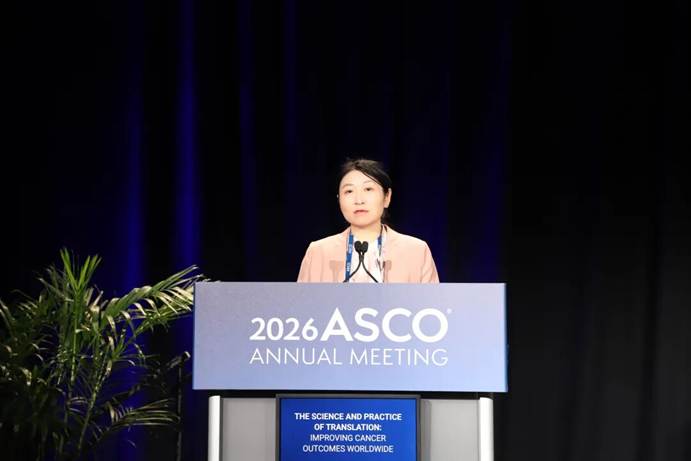
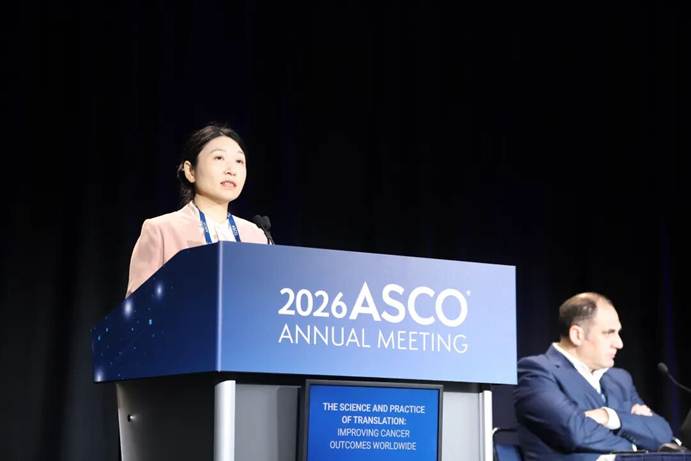

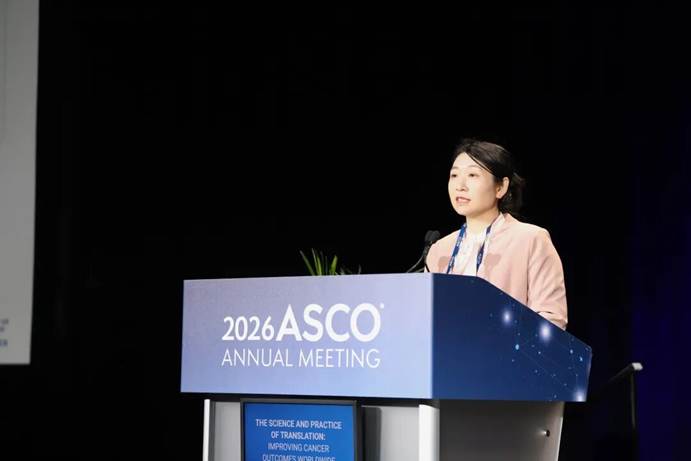
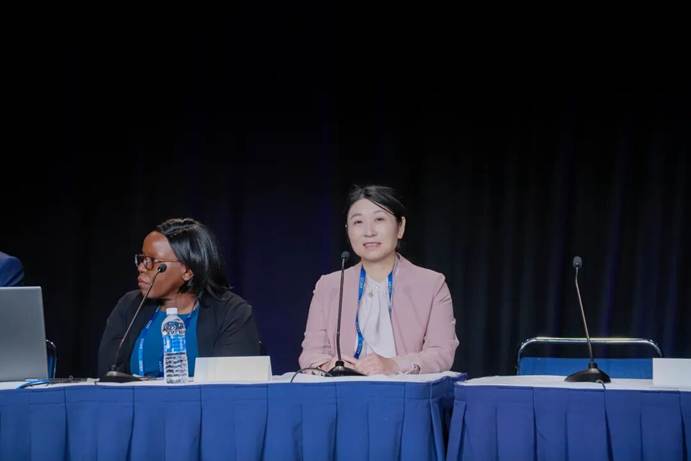
Professor Huafeng Wang
The First Affiliated Hospital, Zhejiang University School of Medicine
Associate Professor | Associate Chief Physician | Doctoral Supervisor | Distinguished Research Fellow
Department of Hematology, The First Affiliated Hospital, Zhejiang University School of Medicine
Assistant Director, Department of Hematology, The First Affiliated Hospital, Zhejiang University School of Medicine
Professional Appointments
- Standing Committee Member, Leukemia Expert Committee, Chinese Society of Clinical Oncology (CSCO)
- Member, Leukemia Working Group, 12th Committee of the Chinese Society of Hematology, Chinese Medical Association
- Member, Targeted Therapy Committee, Chinese Women Physicians Association
- Young Committee Member, Hematologic Malignancy Translational Medicine Committee, China Anti-Cancer Association
- Secretary, Hematology Branch, Zhejiang Medical Doctors Association
- Member, Zhejiang Provincial Leading Innovation and Entrepreneurship Team
- Zhejiang Province “551 Talent Program” Rising Medical Talent
- Postdoctoral Fellow, City of Hope National Medical Center, United States
- Visiting Scholar, Brown University, United States, and Royal Free Hospital, United Kingdom