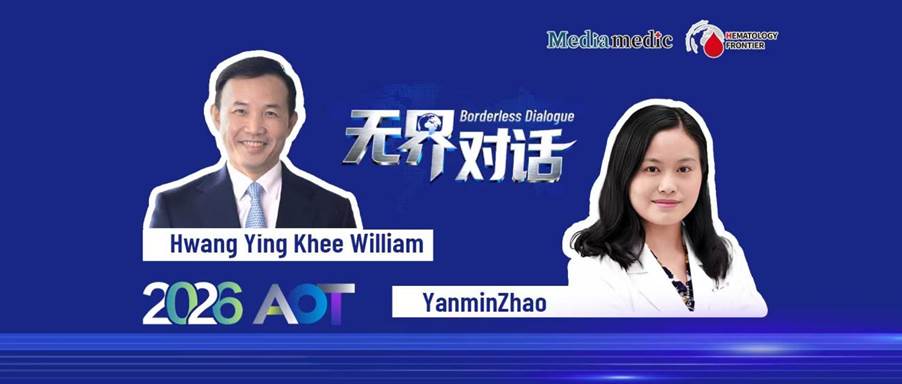
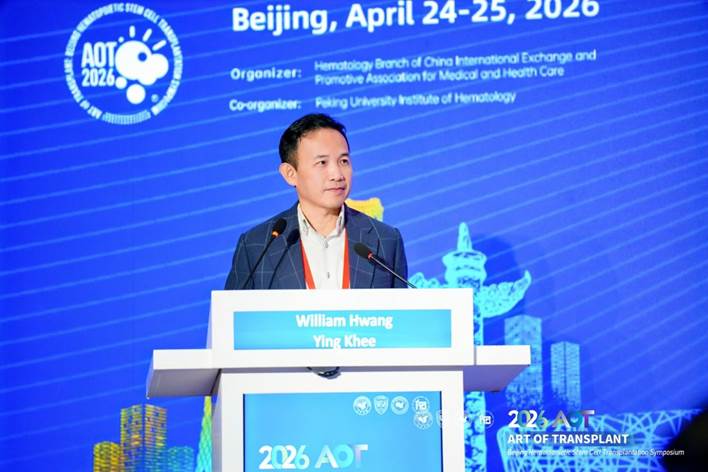
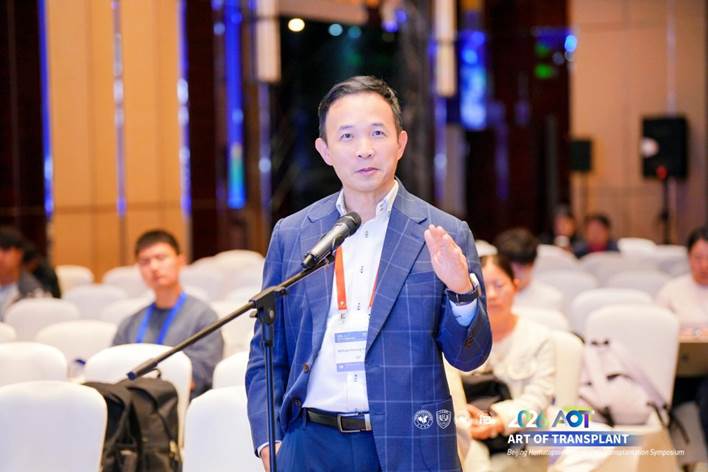
To comprehensively improve public health and strengthen strategies for the prevention and treatment of major diseases, medical innovation and international collaboration have become key drivers of clinical progress. Against this backdrop, the 2026 Beijing International Hematopoietic Stem Cell Transplantation Conference (AOT) was successfully held in Beijing from April 24 to 25, 2026. Organized by the Hematology Branch of the China International Exchange and Promotive Association for Medical and Health Care and hosted by the National Clinical Research Center for Hematologic Diseases and the Peking University Institute of Hematology, this year’s conference centered on the theme “The Art of Transplantation.” The event brought together leading global experts in hematology to discuss cutting-edge innovations and emerging trends in hematopoietic stem cell transplantation.During the conference, Professor Yanmin Zhao from the First Affiliated Hospital, Zhejiang University School of Medicine, engaged in an in-depth discussion with Professor William Hwang Ying Khee from Duke–National University of Singapore Medical School. Their conversation focused on strategies to balance graft-versus-leukemia (GVL) effects and graft-versus-host disease (GVHD), as well as the comprehensive management of GVHD, with the aim of providing new insights and practical guidance for clinical care.
Exploring Strategies to Balance GVL and GVHD
Professor Yanmin Zhao began by noting that, in the era of targeted therapies, developing strategies to balance GVL effects against GVHD in the prevention of leukemia relapse has become one of the central challenges in clinical transplantation.
Professor William Hwang Ying Khee explained that reducing relapse risk often requires intensifying conditioning regimens prior to transplantation; however, this inevitably increases transplant-related toxicity. In his clinical practice, he also tends to favor peripheral blood stem cells (PBSCs) as the graft source because of their higher T-cell content, which may enhance GVL activity. Yet excessive T-cell numbers simultaneously increase the risk of GVHD. Therefore, the key lies in achieving precise immunologic modulation that maximizes GVL while minimizing GVHD—an essential determinant of transplant success.
Moving into the details of graft manipulation, Professor Yanmin Zhao asked whether their center specifically controls the quantities of CD34+ stem cells or CD3+ lymphocytes infused. Professor William Hwang Ying Khee described α/β T-cell depletion as a central strategy in haploidentical transplantation at his institution. The goal is to remove α/β T cells, which are strongly associated with GVHD, while preserving γ/δ T cells, which carry a lower GVHD risk and may still maintain GVL activity.
He further explained that CD45RA+ T-cell depletion can eliminate naïve T cells capable of adapting to the new host environment, while preserving memory T cells. Donor-derived memory T cells generally do not induce GVHD. This combined approach helps preserve the GVL activity mediated by γ/δ T cells while also maintaining antiviral and antibacterial immunity through donor-derived CD45RO+ memory T cells.
Professor Yanmin Zhao described the strategy as highly innovative and conceptually similar to the internationally recognized Orca-T platform. She noted that these “engineered” cellular therapies are more targeted and may strengthen GVL effects without triggering GVHD.
At the same time, she pointed out that because α/β T-cell depletion is not routinely performed at her institution, clinical practice at the First Affiliated Hospital of Zhejiang University School of Medicine places greater emphasis on targeted maintenance therapies. For example, although donor lymphocyte infusion (DLI) can induce GVL effects and reduce relapse risk, concerns remain regarding GVHD and increased non-relapse mortality. Consequently, Chinese clinical practice has increasingly shifted toward the use of targeted agents for post-transplant maintenance therapy, including tyrosine kinase inhibitors (TKIs) such as sorafenib and gilteritinib, as well as hypomethylating agents (HMAs). These therapies exert antileukemic effects through specific molecular pathways while avoiding GVHD, making them widely adopted strategies in China.
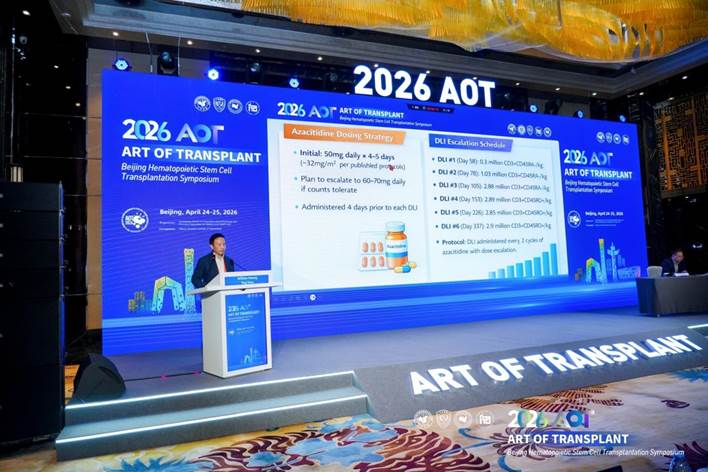
Professor William Hwang Ying Khee expressed strong agreement and added that maintenance therapy with FLT3 inhibitors such as sorafenib has already proven effective in patients harboring FLT3-ITD mutations following transplantation. Post-transplant azacitidine has also been extensively investigated, while other agents—including decitabine, venetoclax, and azacitidine combined with chidamide—have generated encouraging data.
These regimens are sometimes combined with escalating-dose DLI, although close monitoring is essential to avoid triggering GVHD. He also noted that the DLI products administered at his institution typically consist of CD45RO+ memory T cells, which provide both antiviral immune protection and GVL activity.
New Perspectives in the Clinical Management of GVHD
Turning to GVHD prevention and treatment, Professor Yanmin Zhao pointed out that corticosteroids remain the globally recognized first-line therapy and invited Professor William Hwang Ying Khee to share Singapore’s approach to second-line treatment.
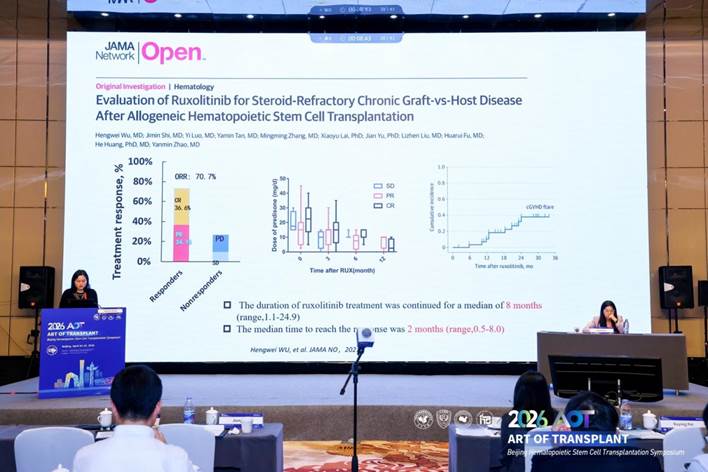
Professor William Hwang Ying Khee explained that if calcineurin inhibitors (CNIs), such as cyclosporine or tacrolimus, have previously been discontinued, restarting them may be considered. He also highlighted the major impact of the JAK inhibitor ruxolitinib, which has become a widely adopted and highly effective therapy that significantly reduces the incidence of fatal GVHD.
However, he emphasized that dosing adjustments must be carefully guided by blood counts, and tapering requires particular caution to prevent disease flare or recurrence. For refractory cases, he stressed the importance of distinguishing whether diarrhea reflects active GVHD or merely represents the recovery phase following intestinal mucosal injury. In cases of mucosal injury, mesenchymal stem cells—with their tissue-repair potential—may be beneficial, although limited accessibility currently restricts their broader clinical use.
When discussing chronic GVHD specifically, Professor Yanmin Zhao raised the challenge of defining “ruxolitinib-refractory” disease. Professor William Hwang Ying Khee acknowledged that no universally accepted definition currently exists. He noted that some manifestations of chronic GVHD may actually represent sequelae of prior tissue injury rather than ongoing disease activity, and clinicians should avoid unnecessarily escalating therapy in response to such residual damage.
For truly ruxolitinib-refractory cases, he suggested considering rituximab, thalidomide, or extracorporeal photopheresis (ECP). He noted that ECP is generally well tolerated, although successful implementation depends on adequate vascular access.
Professor Yanmin Zhao then explored the emerging clinical potential of ROCK inhibitors. She noted that in China, the ROCK2 inhibitor belumosudil has already been approved as second-line therapy for chronic GVHD. She also shared preliminary results from a multicenter randomized controlled trial led by her team investigating rovacitinib, a dual JAK/ROCK inhibitor, which demonstrated encouraging efficacy in patients who had failed treatments such as ruxolitinib.
Finally, Professor Yanmin Zhao emphasized that the management of chronic GVHD particularly requires “patience.” Clinicians should allow sufficient time for therapies to take effect and avoid prematurely switching regimens before their full therapeutic potential can be realized.
Professor William Hwang Ying Khee strongly agreed, adding that clinicians must maintain patience throughout long-term treatment and carefully fine-tune the intensity of immunosuppression in order to achieve the optimal balance between controlling GVHD and preventing infection. He also expressed strong interest in the future development of these novel inhibitors and hoped to participate in potential global clinical trials involving these therapies.
This discussion provided a comprehensive overview of the evolving clinical strategies and future directions for balancing GVL and GVHD in hematopoietic stem cell transplantation. From intensifying conditioning regimens and optimizing graft sources to enhance GVL, to “precision editing” of grafts through selective cellular depletion technologies, the field is moving toward the creation of “intelligent transplantation” platforms capable of delivering potent antileukemic activity with lower GVHD risk.
This evolution reflects a broader paradigm shift—from prioritizing treatment intensity to emphasizing precise immunologic regulation. Meanwhile, the emergence of novel targeted therapies, together with integrated approaches such as ECP and mesenchymal stem cell therapy, is reshaping post-transplant intervention and GVHD management into a more precise and stepwise therapeutic model.
Importantly, the discussion’s emphasis on “therapeutic patience” reflects a deeper understanding of the complex pathophysiology of GVHD and the clinical wisdom required to coexist with and carefully manage chronic disease processes over time.
Looking ahead, the art of balancing GVL and GVHD is evolving from broad adjustments in treatment intensity to increasingly refined immune modulation at the cellular and molecular levels. This progress holds promise for unlocking the mechanisms underlying post-transplant immune reconstitution, ultimately maximizing GVL activity while maintaining controllable GVHD risk—and thereby improving long-term survival and cure prospects for patients.
Expert Profiles
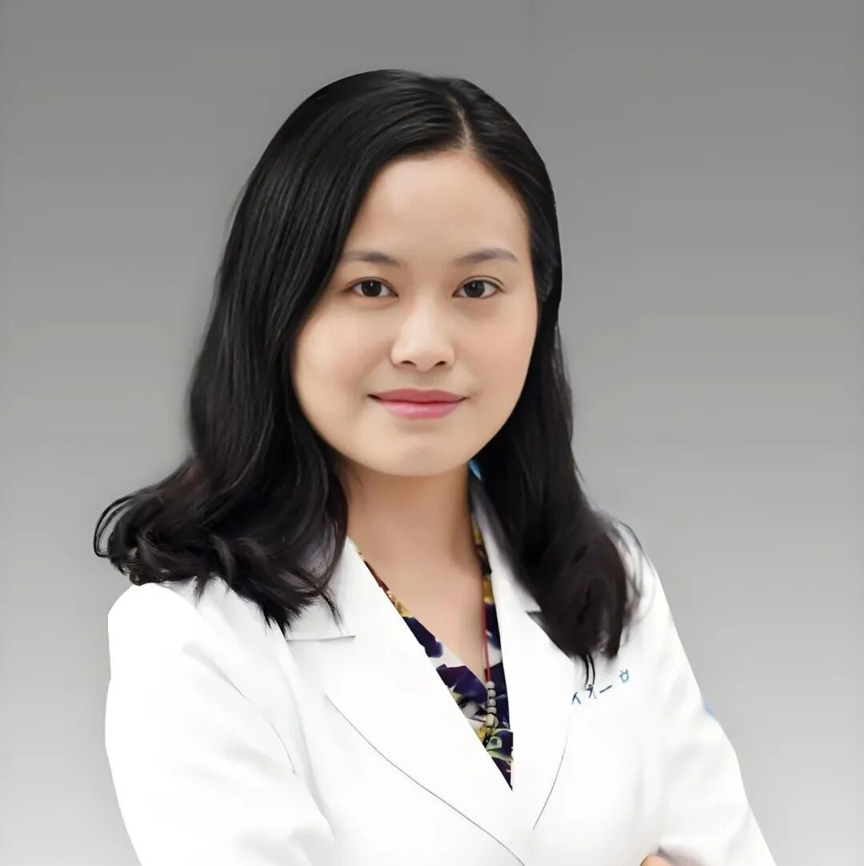
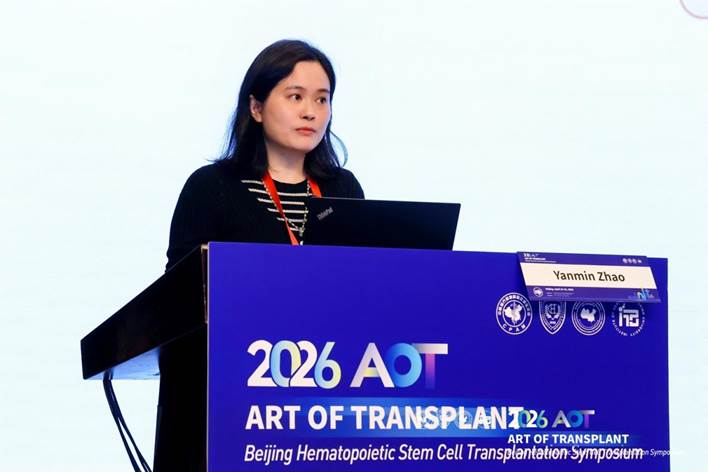
Yanmin Zhao, MD, PhD
The First Affiliated Hospital, Zhejiang University School of Medicine
M.D., Chief Physician, Doctoral Supervisor, Special-Term Researcher
Deputy Director, Bone Marrow Transplantation Center, The First Affiliated Hospital of Zhejiang University
Member of the Youth Committee, Hematology Branch, Chinese Medical Association
Member of the Committee on Hematopoietic Stem Cell Transplantation and Cell Therapy, China Medicine Education Association
Deputy Chairperson of the Youth Committee, Hematology Branch, Zhejiang Medical Association
Zhejiang Province Immunological Society “ZhiJiang” Outstanding Young Scholar
Secretary of the Hematology Professional Group for Clinical Trials, The First Affiliated Hospital of Zhejiang University School of Medicine
High-Level Health Talent of Zhejiang Province (“551 Talent”)
She has presided over one National Natural Science Foundation Youth Program and three General Programs, and served as a key member of a National Key Research and Development Program of China.
She serves as an editorial board member for the journal Cell Transplantation. As first or corresponding author, she has published over 40 SCI papers in journals such as Blood, Journal of Hematology & Oncology, JAMA Network Open, and Leukemia. She has delivered oral presentations multiple times at international conferences including ASH, EHA, EBMT, and APBMT.
As a key contributor, she has received one First Prize of the Zhejiang Provincial Science and Technology Progress Award and one Second Prize of the National Science and Technology Progress Award.
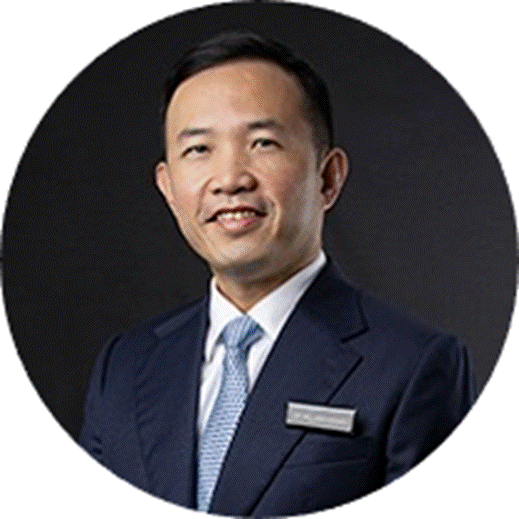
William Hwang Ying Khee, MD
Professor Hwang Ying Khee is a hematological oncology specialist with over 25 years of experience in hematopoietic stem cell transplantation and cell therapy. His clinical and research work primarily focuses on cell therapy and stem cell transplantation.
He currently serves as a Senior Consultant in the Department of Hematology at Singapore General Hospital and the National Cancer Centre Singapore, Co-Director of the Singapore Institute of Regenerative Medicine, and Senior Consultant at the SingHealth Duke-NUS Academic Medical Centre. In 2023, he was awarded the National Outstanding Clinician Award in Singapore.
He holds several leadership roles, including Chairman of the Board and Organizing Committee of the Singapore Translational Cancer Research Consortium, Chairman of the Advisory Committee of the Lien Centre for Palliative Care, Member of the Board and Organizing Committee of the Singapore Advanced Cell Therapy Institute, Co-Chair of the National Cancer Council Singapore, and Vice-Chair of the Ministry of Health Singapore’s Strategic Committee on Clinical Services for Cell Therapy.
Previously, he served as Chief Executive Officer of the National Cancer Centre Singapore, Director of the SingHealth Transplant Programme, Director of the SingHealth Duke-NUS Blood Cancer Centre, Head of the Department of Hematology at Singapore General Hospital, and Medical Director of the Singapore Cord Blood Bank.
He has also been elected as President of the World Marrow Donor Association, President of the Singapore Society of Hematology, President of the Chapter of Hematologists under the College of Physicians Singapore, Member of the Advisory Committee of the Center for International Blood and Marrow Transplant Research, and Executive Committee Member of the Asia-Pacific Blood and Marrow Transplantation Group. Additionally, he served as Co-Chair of the Ministry of Health Singapore’s Cell, Tissue, and Gene Therapy Taskforce and Co-Chair of the Ministry’s Tissue Banking Working Committee.
He is a faculty member of the Cancer and Stem Cell Biology Programme at Duke-NUS Medical School. In the fields of hematology and oncology, he has published over 150 clinical and research papers and authored several books.