As one of the most common malignancies affecting men worldwide, prostate cancer requires continuously evolving diagnostic and therapeutic strategies. With rapid advances in precision medicine and the growing body of high-quality clinical evidence generated from Chinese patient populations, the 2026 CSCO Guidelines for Prostate Cancer introduce major updates aimed at better addressing the biological characteristics and clinical needs of patients in China.To explore the key revisions, differences between Chinese and Western clinical practice, and future implementation strategies, Oncology Frontier interviewed Professor Hao Zeng, Secretary-General of the CSCO Prostate Cancer Expert Committee and leading expert from West China Hospital, Sichuan University.
Guideline Update Highlights
The 2026 edition introduces several important upgrades across the prostate cancer treatment landscape.
In surgical management, the guideline further refines operative techniques with a stronger emphasis on functional preservation and individualized surgical planning.
For metastatic hormone-sensitive prostate cancer (mHSPC), multiple large phase III studies based on molecular subtyping and intensified combination strategies have recently reported positive outcomes. These data are now comprehensively incorporated and interpreted within the guideline.
In metastatic castration-resistant prostate cancer (mCRPC), the guideline significantly expands its discussion of recent landmark phase III trials while also restructuring sections to improve clinical usability and treatment decision-making.
Building a Guideline for Chinese Patients
Oncology Frontier:
What are the major differences between Chinese and Western prostate cancer populations, and what makes the CSCO guideline uniquely suited to Chinese clinical practice?
Professor Hao Zeng:
The CSCO Guidelines for Prostate Cancer serve as the official clinical guidance document of the CSCO Prostate Cancer Expert Committee. I have participated in the guideline development process since its earliest edition and have been deeply involved in every major revision.
From a structural perspective, the CSCO guideline resembles the NCCN guideline model in that it is highly practical and designed for rapid clinical application. Compared with the EAU guideline, however, the CSCO guideline provides broader integration across surgery, systemic therapy, radiotherapy, and longitudinal disease management, making it particularly relevant for multidisciplinary clinical practice in China.
Although we reference international guideline frameworks, the CSCO guideline is fundamentally rooted in Chinese clinical realities. Each update incorporates high-quality clinical research led by Chinese investigators over the preceding one to two years. Chinese population data are embedded throughout the recommendations, interpretations, and treatment pathways.
This localized approach is especially important because Chinese prostate cancer patients differ from Western populations in several critical areas, including genetic susceptibility, mutation profiles, disease composition, tumor biology, and treatment response patterns.
Over recent years, China has made significant progress in PSA screening and public awareness, leading to improved early detection and better outcomes overall. Nevertheless, survival outcomes in China still lag behind those reported in Western populations.
Therefore, one of our central goals is to expand PSA screening, improve early diagnosis, and ensure that patients receive timely, standardized treatment. Using guidelines specifically adapted to Chinese populations is essential for achieving this objective.
Major Updates in mHSPC and mCRPC
Oncology Frontier:
What are the most important updates in the advanced disease settings of mHSPC and mCRPC?
Professor Hao Zeng:
Under the leadership of Professors Dingwei Ye and Qiang Wei, the 2026 guideline revision focused on three major areas.
The first was optimization of surgical approaches and enhancement of functional preservation strategies. The second focused on radiotherapy, which remains a critical component throughout the prostate cancer treatment continuum. Updates address technological advances and evolving standards for radiotherapy across disease stages.
The third—and perhaps most clinically anticipated—area involves biomarker-driven precision treatment strategies for advanced prostate cancer.
In mHSPC, several phase III trials based on molecular stratification have recently demonstrated positive results, particularly in newly diagnosed metastatic patients. These studies form a central part of the updated guideline.
One important example is the global phase III CAPItello-281 trial, which demonstrated that the AKT inhibitor capivasertib combined with abiraterone significantly improved outcomes in PTEN-deficient mHSPC patients. Importantly, the guideline not only includes the global trial data but also provides detailed interpretation of Chinese subgroup analyses, offering localized evidence for Chinese clinicians.
Another key study is the AMPLITUDE trial, which evaluated niraparib combined with abiraterone and prednisone plus ADT in HRR-mutated mHSPC. This was the first phase III study to demonstrate that a PARP inhibitor combined with AR-targeted therapy significantly improved radiographic progression-free survival in this patient population. Again, Chinese subgroup data are specifically highlighted in the guideline update.
By integrating these findings, clinicians can better understand not only global evidence, but also how Chinese patients respond to these treatment strategies in terms of efficacy and safety.
For mCRPC, the guideline substantially expands its review of recent phase III studies while reorganizing the structure according to a more streamlined clinical logic inspired partly by NCCN formatting principles. The goal is to help clinicians make more efficient and individualized treatment decisions for patients with advanced disease.
Bringing the Guidelines to the Grassroots Level
Oncology Frontier:
How will the updated guideline be promoted nationwide to ensure practical implementation, especially in primary-level hospitals and regional centers?
Professor Hao Zeng:
Professors Dingwei Ye and Qiang Wei have already organized a nationwide dissemination strategy for the 2026 guideline.
One key focus is multidisciplinary collaboration. The management of complex prostate cancer cases increasingly depends on MDT-based decision-making. As in previous years, we will organize regional educational programs centered on updated guideline content and multidisciplinary discussion.
However, this year’s most important priority is grassroots implementation.
Following the official release, we plan to conduct extensive online and offline educational activities targeting municipal and county-level hospitals across China. The goal is to improve diagnostic and treatment standardization at the primary-care level.
We will also adopt more flexible educational formats. For example, specific updates within the guideline may be interpreted jointly by experts from tertiary centers and primary-care physicians using real-world clinical cases.
In addition, patient education will play an increasingly important role. We aim to improve public understanding of prostate cancer, encourage participation in screening programs, and strengthen collaboration between physicians and patients throughout the treatment process.
Ultimately, our goal is not only to update a document, but to genuinely improve the overall quality and consistency of prostate cancer care across China.
Expert Profile
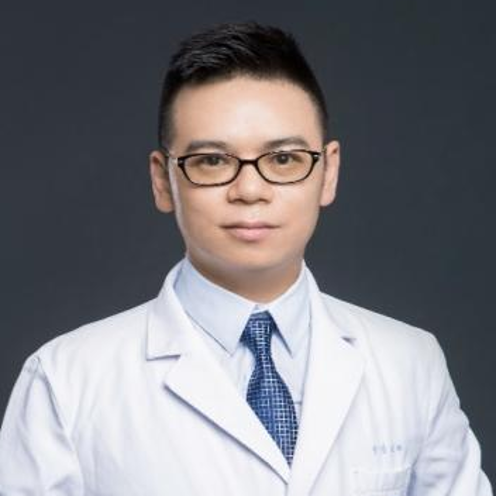
Professor Hao Zeng West China Hospital, Sichuan University Secretary-General, CSCO Prostate Cancer Expert Committee