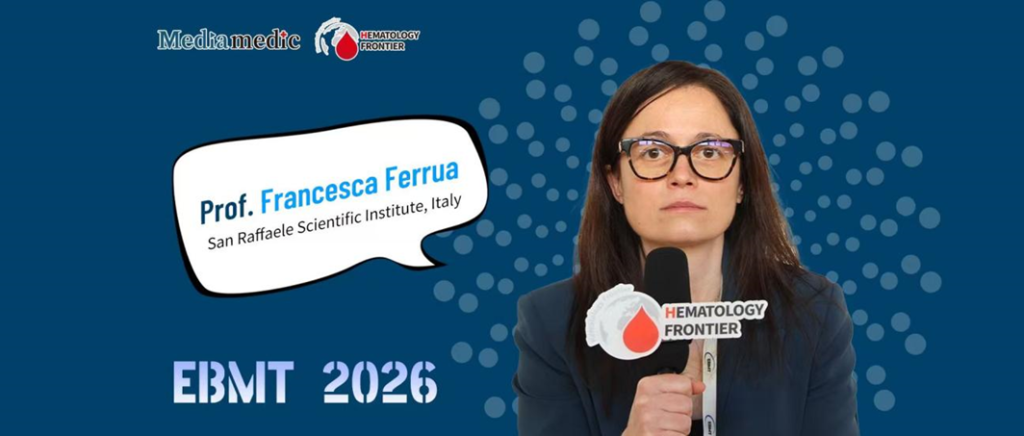
Wiskott–Aldrich syndrome (WAS) is a rare X-linked primary immunodeficiency characterized by thrombocytopenia, eczema, and recurrent infections, posing a serious threat to affected children. While allogeneic hematopoietic stem cell transplantation (HSCT) can be curative, it is limited by donor availability, the risk of graft-versus-host disease (GVHD), and conditioning-related toxicity.With the rapid advancement of gene therapy, a novel approach based on genetic modification of patients’ own hematopoietic stem cells has emerged as a promising alternative. Drawing on the expert insights of Professor Francesca Ferrua from the San Raffaele Scientific Institute in Italy, this article explores the rationale, clinical efficacy, and future impact of lentiviral-based autologous hematopoietic stem cell gene therapy (etuvetidigene autotemcel). The work led by Professor Ferrua and her team aims to overcome the limitations of traditional transplantation and provide a safer, more universally applicable curative option.
Professor Francesca Ferrua:
“I am a pediatric immunologist at the San Raffaele Scientific Institute in Milan, Italy, working in the Pediatric Immunohematology Unit under the direction of Professor Alessandro Aiuti.
The fundamental rationale for developing a lentiviral-mediated hematopoietic stem cell gene therapy for Wiskott–Aldrich syndrome (WAS) was to overcome the limitations of conventional allogeneic transplantation. This approach offers three key advantages.
First, as an autologous therapy, it eliminates the need for a fully human leukocyte antigen (HLA)-matched donor, making it potentially accessible to all patients. Second, because the genetically modified cells are derived from the patient, the risk of graft-versus-host disease is completely avoided. Third, it allows for the use of reduced-intensity conditioning, thereby significantly lowering treatment-related toxicity.
One of the most important findings from our research is the marked reduction in WAS-related complications following treatment with etuvetidigene autotemcel. Patients achieved effective protection against bleeding events, driven by increased platelet counts, normalization of platelet size, and, importantly, restoration of platelet function.
In terms of immune function, patients showed a significant reduction in susceptibility to severe infections, reflecting successful immune reconstitution. These clinical benefits are underpinned by the stable and durable engraftment of gene-corrected hematopoietic stem cells, consistently demonstrated in long-term follow-up studies. These functional cells restore expression of the WAS protein, directly correcting the underlying genetic defect.
Gene therapy has now become a critical alternative to traditional hematopoietic stem cell transplantation. In clinical decision-making, having multiple effective options is essential. It allows physicians, together with patients and their families, to select the most appropriate and individualized treatment strategy.
Moreover, recent natural history studies of WAS have shown that even patients previously classified as having a ‘mild’ phenotype remain at risk of developing serious complications over time. As a result, current treatment paradigms emphasize the importance of early discussion of curative options soon after diagnosis, in order to define the optimal long-term management plan.
Looking ahead, strengthening international and interdisciplinary collaboration will be essential to address the challenges of rare diseases such as WAS.”
Conclusion
Professor Francesca Ferrua’s insights clearly illustrate a paradigm shift in the treatment of WAS—from “replacement” to “genetic correction.” Lentiviral-based autologous hematopoietic stem cell gene therapy represents more than just an additional therapeutic option; by eliminating the risk of GVHD, reducing conditioning-related toxicity, and directly correcting the underlying genetic defect, it offers the promise of a physiological cure.
Importantly, as our understanding of the natural history of WAS evolves—highlighting that even “mild” cases carry long-term risks—the need for early curative intervention becomes increasingly evident. Looking ahead, treatment decisions for WAS will increasingly rely on precise risk assessment and shared decision-making between physicians and families.
With its unique advantages, gene therapy is poised to become a preferred first-line option for an increasing number of patients in the era of personalized medicine, ultimately reshaping treatment standards and improving long-term outcomes for this severe genetic disorder.