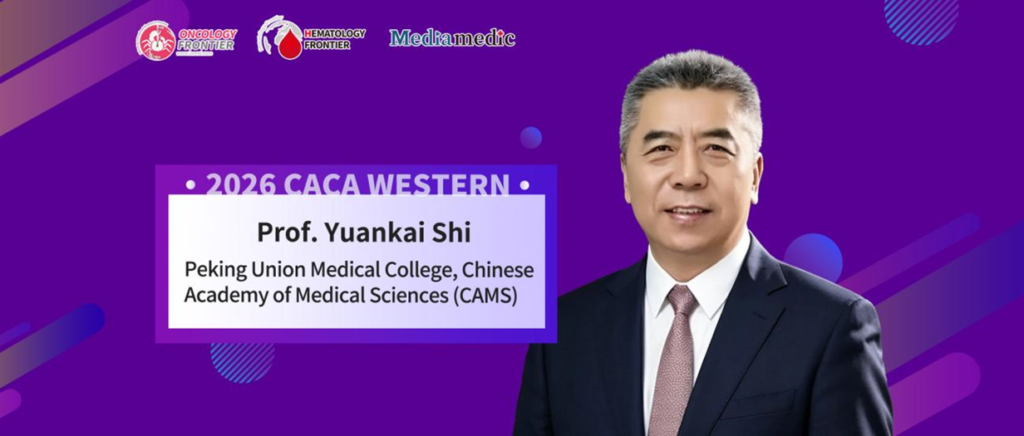
As a bellwether for innovation in oncology drug therapy, the evolution of lymphoma treatment reflects the broader trajectory of modernization in Chinese oncology. From the introduction of recombinant human granulocyte colony-stimulating factor (rhG-CSF) in 1992—laying the foundation for chemotherapy—to successive breakthroughs in targeted therapy, immunotherapy, and cellular therapy, China’s lymphoma care has undergone 35 years of transformation, progressing from “following” to “running alongside,” and now to “leading.”From April 17 to 19, the 2026 CACA Western Integrative Oncology Conference was held in Chengdu. During the meeting, Oncology Frontier – Hematology Frontier invited Professor Yuankai Shi—former Vice Director of the National Cancer Center, former Vice President of the Cancer Hospital, Chinese Academy of Medical Sciences, former Director of Medical Oncology, and Honorary Director of the Oncology Center at Aerospace Center Hospital—to reflect on the key milestones in China’s 35-year journey in lymphoma drug therapy, the rise of domestic innovation, and future strategies for precision stratification, standardized care, and continued innovation.
Thirty-Five Years of Lymphoma Drug Therapy in China (1992–2026)
Oncology Frontier – Hematology Frontier: You began your career in medical oncology in 1992 and have witnessed the full 35-year evolution of lymphoma drug therapy in China—from chemotherapy to targeted therapy, immunotherapy, and cellular therapy. How would you define the key phases of this journey, and what were the major milestones in each stage?
Professor Yuankai Shi:
At this conference, I delivered a presentation titled “Thirty-Five Years of Lymphoma Drug Therapy in China (1992–2026).” I consider 1992 as the starting point because it marked the initiation of clinical trials and subsequent approval of recombinant human granulocyte colony-stimulating factor (rhG-CSF) in China, signaling the beginning of modern oncology drug therapy in lymphoma.
1. The Foundation of the Chemotherapy Era: rhG-CSF
Before the advent of targeted and immune therapies, chemotherapy was the cornerstone of lymphoma treatment. One of its most common adverse effects is neutropenia, which can delay treatment schedules and increase the risk of infection and related complications.
The introduction of rhG-CSF in 1992 significantly improved this situation. Notably, China later developed its own long-acting pegylated rhG-CSF (PEG-rhG-CSF, Jinyouli), which was approved in 2011 and received the National Science and Technology Progress Award (Second Prize) in 2020, further strengthening the foundation of supportive care.
2. From Targeted Therapy to Immunotherapy: Evolution of Treatment Paradigms
With advances in drug development, chemotherapy has gradually been complemented—and in some cases challenged—by novel therapeutic approaches. Several landmark breakthroughs have shaped the field:
- In 1997, the U.S. Food and Drug Administration approved Rituximab, the first targeted therapy for B-cell lymphoma, ushering in the era of targeted treatment.
- In 2011, Brentuximab Vedotin, the first ADC targeting CD30, was approved for Hodgkin lymphoma and anaplastic large cell lymphoma, marking the advent of ADC-based therapy.
- In 2016, Nivolumab was approved for relapsed/refractory classical Hodgkin lymphoma, signaling the beginning of the immunotherapy era in oncology.
3. The Rise of China’s Innovation: A Flourishing Landscape of Domestic Therapies
These global innovations have been rapidly adopted in China, with particularly notable achievements in immunotherapy and cellular therapy:
- The Year of Immunotherapy in China (2018): Two domestically developed PD-1 inhibitors were approved, including Sintilimab, whose first indication was relapsed/refractory classical Hodgkin lymphoma. Subsequently, five domestic PD-1 inhibitors received initial approvals in this same indication.
- The Year of CAR-T Therapy (2021): The National Medical Products Administration approved two CAR-T products, marking the beginning of the cellular therapy era in China for B-cell lymphoma. This was followed by the introduction of bispecific antibodies, opening a new chapter in bispecific immunotherapy.
Lymphoma has consistently served as a leading field in oncology drug innovation. From the use of nitrogen mustard in Hodgkin lymphoma in 1946, to targeted therapy, immunotherapy, CAR-T cell therapy, bispecific antibodies, and the rapidly evolving ADC landscape, many major advances in oncology have originated in or been first validated within lymphoma.
Reflecting on these 35 years is, in essence, a review of the modernization of oncology drug therapy in China as a whole. Since completing my medical training and joining the Department of Medical Oncology at the Cancer Hospital, Chinese Academy of Medical Sciences in 1992, I have witnessed this entire journey. It is important to document this history so that future generations can fully understand its evolution.
From “Follower” to “Leader”: The Rise of China’s Lymphoma Drug Development
Oncology Frontier – Hematology Frontier: You have led over 400 clinical trials and contributed to the approval of more than 10 domestic innovative drugs, including chidamide, sintilimab, and rituximab biosimilars. What do you see as the most important transformation—and the greatest challenges—in China’s transition from “follower” to “leader”?
Professor Yuankai Shi:
After returning to China in 1992, I participated in clinical registration studies of rhGM-CSF under the leadership of Professor Yan Sun. I was also involved in clinical trials of imported rhG-CSF products and served as a principal investigator for some of these studies.
Later, the development and approval of domestically produced PEG-rhG-CSF marked a significant milestone. In the early years, most supportive care and anticancer drugs were developed by multinational pharmaceutical companies. Today, domestically developed drugs have become a mainstay of clinical practice.
The drugs I mentioned—such as chidamide, rituximab biosimilars, and PD-1 inhibitors—are either domestically developed innovative agents or biosimilars. Having witnessed this transformation firsthand, I have seen the growing R&D capabilities of Chinese pharmaceutical companies and the tangible benefits these innovations bring to patients.
Importantly, these drugs have been included in the National Reimbursement Drug List, significantly improving affordability and access. China’s drug development ecosystem is now rapidly evolving, with active exploration of new targets and mechanisms of action. I am confident that more innovative therapies developed in China will continue to emerge, addressing unmet clinical needs and improving patient outcomes.
Precision Stratification and Standardization: The Future of Lymphoma Care in China
Oncology Frontier – Hematology Frontier: Despite significant improvements in survival over the past 35 years, gaps remain. Looking ahead, what are your strategic priorities for precision stratification, domestic innovation, accessibility, standardization in primary care, and international collaboration?
Professor Yuankai Shi:
Data from the National Cancer Center (2003–2015) showed that the 5-year survival rate for lymphoma in China was lower than the overall average for all cancers. However, more recent data from 2019 to 2021 demonstrate significant improvements in survival outcomes, reflecting advances in medical technology.
That said, lymphoma is a highly heterogeneous disease requiring specialized expertise, and disparities in care persist across regions. While leading institutions have reached international standards, there is still substantial room for improvement in primary care settings.
Moreover, survival outcomes cannot be generalized across all lymphoma patients. Prognosis varies significantly by subtype and disease stage, making precise classification essential for accurate evaluation.
Looking ahead, the continued dissemination of clinical guidelines and the promotion of standardized care will further improve outcomes nationwide. For example, the Chinese Anti-Cancer Association (CACA) Lymphoma Committee organizes approximately 100 guideline-based training sessions annually across China, significantly enhancing the implementation of standardized care in primary settings.
With ongoing advances in clinical research, new evidence will continue to be incorporated into guidelines, driving precision diagnosis and standardized treatment. I am confident that these efforts will further improve patient outcomes in the years to come.
Expert Profile
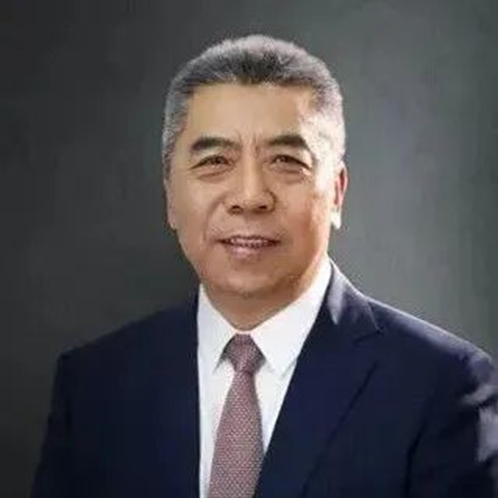
Professor Yuankai Shi Chinese Academy of Medical Sciences & Peking Union Medical College
- MD, Chief Physician in Medical Oncology, Doctoral Supervisor
- Long-term Professor, Chinese Academy of Medical Sciences & Peking Union Medical College
- Chairman (8th), China Cancer Foundation
- President (1st), Xiong’an New Area Medical Association
- Founding Director, Xiong’an Cancer Center
- Former President, Oncology Physicians Branch, Chinese Medical Doctor Association
- Former Chair, Clinical Chemotherapy Committee, Chinese Anti-Cancer Association
- Former Chair, Lymphoma Committee, Chinese Anti-Cancer Association
- Former Chair, Anti-Tumor Drug Committee, Chinese Pharmaceutical Association
- Former Chair, Oncology Internal Medicine Branch, China International Exchange and Promotive Association for Medical and Health Care
- Member, Expert Advisory Committee, National Medical Products Administration
- Member, Science and Technology Innovation Advisory Committee, Shanghai Stock Exchange
- Deputy Editor-in-Chief, National Medical Journal of China
- Led over 400 clinical trials; authored more than 400 publications; editor/translator of 20+ books; led the development of 30+ national guidelines and expert consensus statements