Professor Zhipeng Cheng: A “China Solution” for Precision Diagnosis and Treatment of Venous Thromboembolism — From Molecular Diagnosis to Gene Therapy
Thrombotic diseases are associated with high incidence, mortality, and disability rates, posing a serious threat to public health. Venous thromboembolism (VTE), in particular, often presents insidiously, and dislodged thrombi can lead to pulmonary embolism—earning it the reputation of a “silent killer.”For many years, limited awareness and diagnostic capacity led to an underestimation of VTE incidence in China. However, recent epidemiological data indicate a significant year-on-year increase in VTE-related hospitalizations, establishing it as a major healthcare challenge.
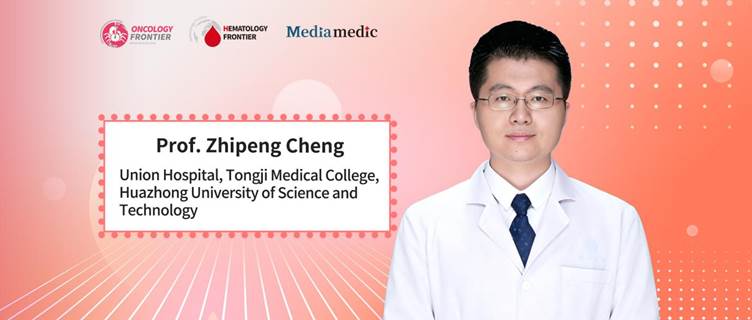
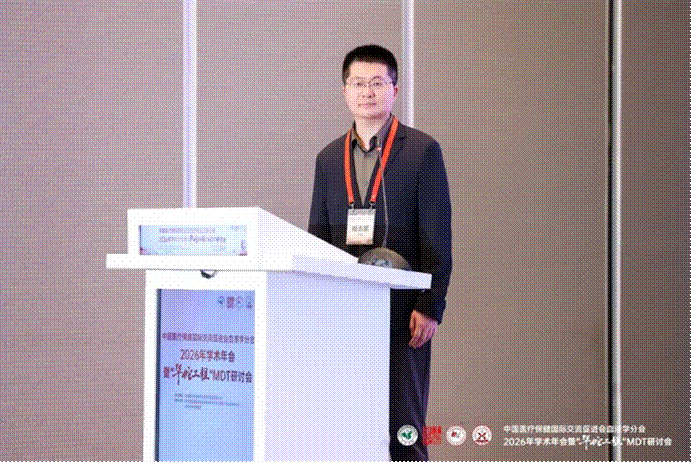
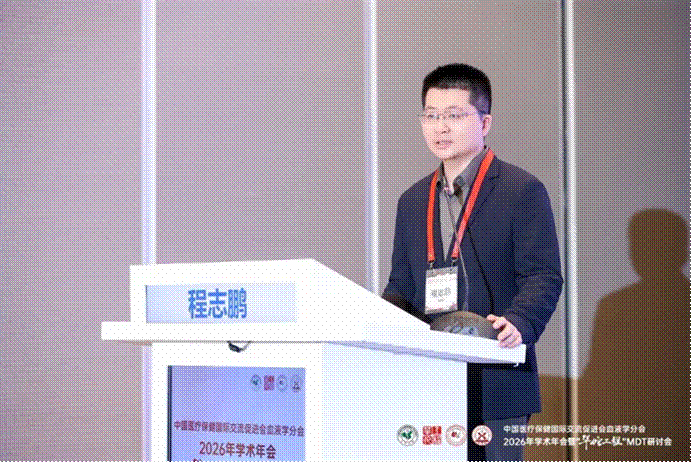
With rapid advances in genomics and molecular biology, a precision medicine–based diagnostic and treatment paradigm for VTE is now emerging. At the 2026 Annual Academic Meeting of the Hematology Branch of the China International Exchange and Promotive Association for Medical and Health Care, held alongside the “Huatuo Project” MDT symposium, Professor Zhipeng Cheng from the Institute of Hematology, Union Hospital, Tongji Medical College, Huazhong University of Science and Technology, delivered a presentation titled “Precision Diagnosis and Treatment of Venous Thrombosis.” He provided a comprehensive overview of recent advances in molecular diagnostics, individualized intervention, and gene therapy, offering valuable insights into VTE prevention and management.
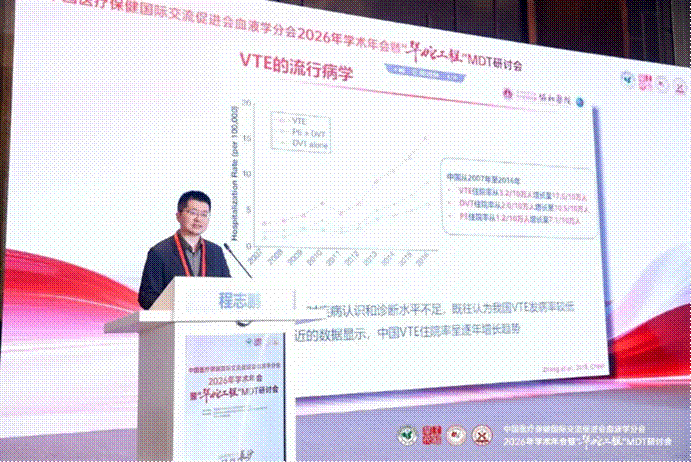
Disease Burden and Clinical Landscape of VTE
The pathophysiological basis of VTE can be traced back to Virchow’s classic triad: venous stasis, endothelial injury, and hypercoagulability. These three elements encompass a wide range of risk factors, including surgery, prolonged immobilization, malignancy, and inherited thrombophilia.
Notably, family and twin studies suggest that genetic factors account for approximately 60% of VTE risk. This genetically driven predisposition is referred to as inherited thrombophilia.
Epidemiological data highlight the growing burden of VTE in China. A study published in Chest in 2018 reported that the hospitalization rate for VTE increased sharply from 3.2 per 100,000 in 2007 to 17.5 per 100,000 in 2016, with both deep vein thrombosis (DVT) and pulmonary embolism (PE) rising several-fold. This trend prompted national health authorities to incorporate VTE prevention and management into the Standards for Tertiary Hospital Accreditation (2020 Edition), elevating VTE control to a national healthcare priority.
Despite increased clinical awareness, significant challenges remain. Anticoagulation therapy, while foundational, is associated with a 5-year recurrence rate of up to 26% and a major bleeding risk ranging from 3% to 16%, underscoring the narrow therapeutic window. More importantly, molecular etiological diagnosis is often lacking in clinical practice, resulting in non-targeted treatment strategies and limited capacity for true individualized care. In addition, insufficient multidisciplinary collaboration (MDT) and the absence of systematic prevention frameworks further constrain improvements in outcomes.
Establishing a Molecular Diagnostic System and Defining Chinese Population Characteristics
Genetic factors play a crucial role in VTE pathogenesis, yet the genetic landscape differs markedly between Western and Chinese populations. Common mutations in Caucasian populations—such as Factor V Leiden and prothrombin G20210A—are exceedingly rare in Chinese individuals. Therefore, identifying population-specific genetic determinants is essential for precision medicine.
In this context, the research team led by Professor Yu Hu at Union Hospital achieved significant breakthroughs, with findings published in The American Journal of Human Genetics and Thrombosis and Haemostasis.
Through large-scale studies of Chinese VTE patients, the team identified three common genetic variants that increase thrombotic risk by 2.5- to 6.6-fold. They also discovered 144 rare mutations in anticoagulant protein genes, including 81 previously unreported variants. Importantly, anticoagulant protein deficiencies were found in as many as 26% of Chinese VTE patients—substantially higher than in Caucasian populations—highlighting a key etiological feature in this population.
Building on these discoveries, the team developed the first molecular diagnostic system for VTE. This platform utilizes a self-developed high-throughput sequencing panel covering 86 genes involved in coagulation, anticoagulation, fibrinolysis, platelet function, and endothelial biology. This enables comprehensive molecular characterization of VTE.
In a nationwide cohort of 18,432 patients, the system successfully established molecular diagnoses in 5,160 cases, transforming ambiguous clinical phenotypes into precise genetic definitions.
Molecular Diagnosis–Driven Precision Intervention and Improved Clinical Outcomes
The clinical value of molecular diagnosis lies not only in identifying etiology but also in guiding treatment decisions and prognostic management.
Its benefits are reflected in two key areas:
- Precise screening and risk stratification of both high-risk and general populations, surpassing the limitations of traditional scoring systems.
- Individualized selection of anticoagulant therapy and treatment duration.
For example, patients with antithrombin deficiency often respond poorly to heparin and may require alternative strategies such as direct oral anticoagulants (DOACs) or warfarin.
Large-scale clinical implementation of this molecularly guided approach has yielded remarkable outcomes. Among 51,049 patients receiving precision management, the 5-year cumulative recurrence rate decreased dramatically from 25.5% to 5.6%. Meanwhile, in-hospital VTE incidence was maintained at approximately 0.8‰—lower than the national average of 1‰ to 1.5‰—and PE-related mortality declined from 5.5% to 2.7%.
These results strongly demonstrate the central role of molecular diagnostics in advancing VTE management.
Technology Translation and Grassroots Implementation: Building a “China Solution”
While high-throughput sequencing provides powerful insights, its complexity and long turnaround time limit widespread use in primary care settings.
To address this, the research team identified 11 key mutation sites highly relevant to the Chinese population and developed a rapid screening kit based on multiplex PCR combined with high-resolution melting curve analysis. This approach is simple, efficient, and capable of delivering results within 2–3 hours, significantly improving accessibility.
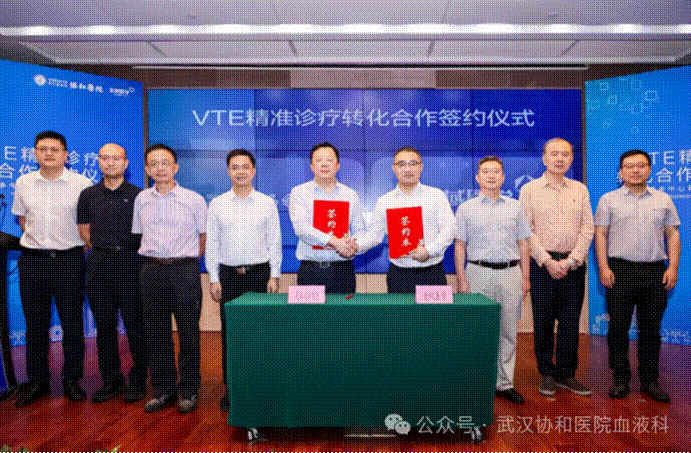
This innovation has been successfully translated into clinical practice, forming a scalable “China solution” for precision VTE diagnosis and management. It enables broader implementation of genetic risk assessment and individualized prevention strategies across healthcare institutions.
Exploring Gene Therapy for VTE
For patients with inherited thrombophilia, current management relies on lifelong anticoagulation, which carries ongoing bleeding risks and treatment burden.
Advances in gene therapy offer promising prospects for curative treatment. In preclinical studies conducted by the team, hepatocyte transplantation significantly improved antithrombin (AT) levels in mouse models, with protein activity increasing up to 400%.
These findings were presented as an invited report at the 32nd International Society on Thrombosis and Haemostasis (ISTH) Congress and received coverage from national media, reflecting strong international recognition.
Conclusion
The precision management of VTE is undergoing a paradigm shift—from macroscopic clinical management to molecular-level understanding.
The work led by Professor Yu Hu’s team at Union Hospital has established a comprehensive precision medicine framework encompassing molecular diagnosis, risk stratification, individualized intervention, and gene therapy exploration. By elucidating the unique genetic susceptibility of the Chinese population, developing an advanced diagnostic system, and translating it into clinically accessible tools, this approach has significantly reduced recurrence and mortality while improving healthcare quality and patient safety.
Looking ahead, continued advances in multidisciplinary collaboration and gene therapy are expected to further enhance early detection and targeted prevention, offering a robust “China solution” to reduce the global burden of thrombotic diseases.
Expert Profile
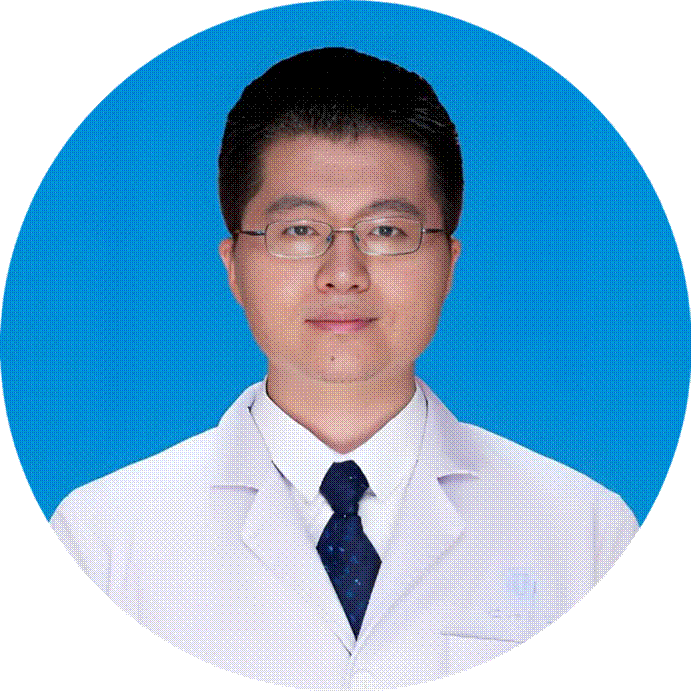
Professor Zhipeng Cheng
Associate Professor, Associate Chief Physician, Graduate Supervisor
Institute of Hematology, Union Hospital, Tongji Medical College, Huazhong University of Science and Technology
- Deputy Secretary-General, 12th Committee of the Hematology Branch, Chinese Medical Association
- Member, Youth Committee, Hematology Branch, Chinese Medical Association
- First-tier Young Medical Talent of Hubei Province
- Vice Chairman, Intelligent Hematology Committee, Hubei Society of Intelligent Medicine
- Principal Investigator of 2 National Natural Science Foundation projects and 1 subproject of a National Key R&D Program
- Nearly 20 SCI publications as first or corresponding author; 6 core Chinese journal publications
- Delivered over 10 presentations at domestic and international conferences
- Recipient of ISTH “Top Poster Winner” and “Reach the World Travel Awards”