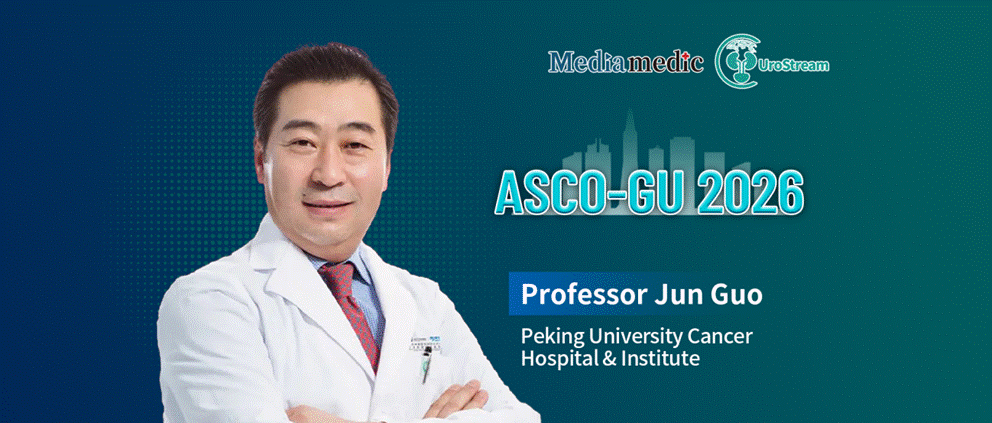
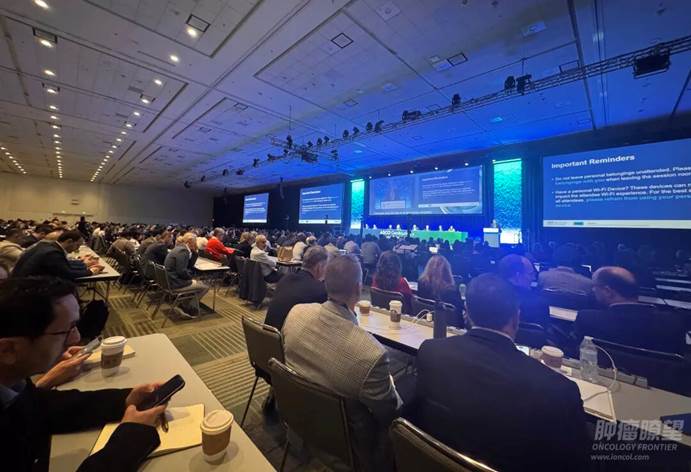
The 2026 Genitourinary Cancers Symposium of the American Society of Clinical Oncology (ASCO GU) was held in San Francisco, bringing together leading experts from around the world. As one of the most influential academic meetings in genitourinary oncology, the landmark studies presented each year at ASCO GU often directly shape the evolution of clinical practice globally.During the meeting, Oncology Frontier – Urology Edition invited Professor Jun Guo to provide an in-depth interpretation of the overall tone of ASCO GU 2026, highlight key advances across the three major genitourinary malignancies, and analyze the global positioning and future trajectory of Chinese research in urologic oncology.
01
Last year we had the privilege of inviting you to share many insightful perspectives from the meeting. Returning to San Francisco one year later, what are your overall impressions of this year’s conference? Compared with last year, what notable changes have you observed in terms of topics and research progress?
Professor Jun Guo:
Overall, ASCO GU 2026 can be described as a year of strategic momentum for genitourinary oncology. Across the three major tumor types—prostate cancer, urothelial carcinoma, and renal cell carcinoma—there were no paradigm-shifting breakthroughs that dramatically altered the current treatment landscape. Most advances represent the continuation and refinement of previous research, although several important directions still warrant close clinical attention.
1. Renal Cell Carcinoma: Strengthening Evidence for Later-Line Therapy and New Insights in Adjuvant Treatment
Three key studies in renal cancer deserve particular attention, each providing new evidence for different treatment settings.
LITESPARK-011 Phase III Trial:
Presented by Professor Robert Motzer, this study focused on patients with advanced clear cell renal cell carcinoma (ccRCC) who experienced disease progression after anti–PD-1/L1 therapy. The trial compared belzutifan plus lenvatinib with the current standard second-line therapy, cabozantinib monotherapy, in a head-to-head design.
The study had already announced achievement of its primary endpoint in October 2025. Updated data presented at this meeting further confirmed that the combination therapy significantly improved outcomes compared with cabozantinib alone:
- Progression-free survival (PFS): 14.7 vs 9.2 months (HR=0.68, P<0.001)
- Objective response rate (ORR): 44.8% vs 30.5% (P<0.001)
These results provide a new second-line option for patients with immunotherapy-resistant advanced renal cancer and offer high-level evidence supporting treatment strategies after failure of immune-targeted combinations. However, because earlier phase II data had already demonstrated clear clinical benefit, the phase III results largely met clinical expectations rather than delivering unexpected surprises.
Adjuvant Combination Therapy in High-Risk Renal Cancer:
Historically, adjuvant targeted therapy trials in renal cancer have been largely unsuccessful. The only approved adjuvant therapy to date has been pembrolizumab monotherapy, which established immunotherapy as the standard in this setting.
At this year’s ASCO GU meeting, Professor Toni K. Choueiri presented results from the phase III LITESPARK-022 study (LBA418), the first head-to-head trial comparing belzutifan plus pembrolizumab with pembrolizumab monotherapy as adjuvant treatment following nephrectomy in patients with high-risk ccRCC.
In the prespecified interim analysis with a median follow-up of 28.4 months, the combination significantly improved disease-free survival (DFS), reducing the risk of recurrence or death by 28% (HR=0.72, P<0.001).
Regarding safety, grade ≥3 treatment-related adverse events occurred in 42.2% of patients in the combination group compared with 17.9% in the monotherapy group. The most common toxicities—such as anemia and hypoxia—were known adverse effects associated with belzutifan and were generally manageable through dose adjustments and supportive care.
This study fills a major gap in the field by introducing a precision-targeted therapy combined with immunotherapy in the adjuvant setting. Importantly, it represents the first regimen to demonstrate superiority over pembrolizumab monotherapy in a head-to-head comparison, challenging previous assumptions and opening a new direction for postoperative management of high-risk renal cancer.
Stereotactic Radiotherapy for Oligometastatic Renal Cancer:
Another noteworthy study explored the role of stereotactic body radiotherapy (SBRT) in patients with oligometastatic renal cancer, targeting micrometastatic disease or up to five metastatic lesions in combination with systemic therapy.
The study reported positive results. In fact, SBRT for oligometastatic renal cancer has already been widely explored, including studies conducted by multiple centers in China, such as the team led by Professor Fangjian Zhou at Sun Yat-sen University Cancer Center. Several international phase II trials have also demonstrated its value in this patient population. Therefore, the results were largely consistent with expectations and further reinforce the evidence-based role of SBRT as a local treatment strategy for oligometastatic lesions in metastatic renal cancer.
2. Urothelial Carcinoma: ADC–Immunotherapy Combinations Lead the Field, with Global Validation of Chinese Innovation
Among all topics at this year’s meeting, urothelial carcinoma emerged as the most prominent highlight. Several studies have the potential to reshape clinical standards and offer valuable insights into the global development of Chinese innovative drugs and clinical research.
EV-304 Phase III Trial:
One of the most anticipated studies was the EV-304 trial. Previously, the EV-303 study presented at the 2025 ESMO Congress showed positive results, demonstrating that enfortumab vedotin (EV) combined with pembrolizumab significantly outperformed immediate surgery as neoadjuvant therapy in cisplatin-ineligible patients with muscle-invasive bladder cancer (MIBC).
The EV-304 study presented at ASCO GU focused on cisplatin-eligible MIBC patients, directly comparing EV plus pembrolizumab with standard gemcitabine–cisplatin chemotherapy.
Results showed:
- Significant improvement in event-free survival (EFS) (HR=0.53)
- 2-year EFS rate: 79.4%
- Significant improvements in overall survival (OS) and pCR rate
- pCR rate: 55.8%
Overall safety was manageable. This represents the first non-platinum regimen to outperform GC chemotherapy in a head-to-head trial, achieving dual positive results in both EFS and OS, and it may redefine the perioperative treatment standard for cisplatin-eligible MIBC.
Notably, at ASCO GU 2025, a Chinese team had already presented oral data on disitamab vedotin combined with toripalimab as neoadjuvant therapy for MIBC, attracting widespread international attention.
The EV-304 randomized controlled trial now provides higher-level evidence confirming the overwhelming advantage of ADC–immunotherapy combinations over traditional chemotherapy in the neoadjuvant setting. At the same time, it highlights areas where Chinese clinical research can further improve—particularly in trial design depth, multicenter collaboration, study scale, and evidence level.
Moving forward, China’s urologic oncology community should continue pursuing innovation while also emphasizing high-quality, large-scale randomized trials to enhance global competitiveness.
Global Phase II Study of Disitamab Vedotin:
Another exciting development was the RC48-G001 study presented by Professor Thomas Powles, evaluating disitamab vedotin in HER2-expressing locally advanced or metastatic urothelial carcinoma.
Results showed:
- ORR: 54.9% in HER2-positive patients
- ORR: 52.6% in HER2-low patients
- CR rate: approximately 18% in both groups
- Median PFS: 5.7 months
- Median OS: up to 20.0 months
In the combination cohort with immunotherapy, treatment-naïve patients achieved:
- ORR: 75%
- CR rate: 35%
Grade ≥3 treatment-related adverse events occurred in 41% of patients, mainly peripheral neuropathy, and were generally manageable.
Importantly, this study was conducted entirely by international investigators without participation from Chinese centers, yet it reproduced the key findings previously reported in Chinese trials such as RC48-C016 and RC48-C009. The results demonstrate that disitamab vedotin achieves nearly identical efficacy and safety outcomes in Western patients as in Chinese populations.
This not only confirms the absence of significant ethnic differences in treatment response but also validates the reliability and global value of China’s original clinical research data. It provides strong support for the global expansion of Chinese innovative drugs and highlights the importance of integrating global development strategies from the earliest stages of clinical research, rather than following the traditional sequence of domestic validation followed by international expansion.
3. Prostate Cancer: Continued Treatment Intensification with Limited Breakthrough Innovations
In prostate cancer, no fundamentally new therapeutic modalities were introduced at this year’s meeting. Most advances focused on earlier application and optimization of existing treatments.
Several studies demonstrated that 177Lu-PSMA combined with ADT plus androgen receptor pathway inhibitors (ARPIs) provided significant survival benefits in hormone-sensitive prostate cancer (HSPC). Meanwhile, PARP inhibitors, previously proven effective in castration-resistant prostate cancer (CRPC), are continuing to move into earlier disease stages. Newly reported data on AKT inhibitor combinations also showed positive results in PTEN-deficient prostate cancer.
Overall, treatment intensification in earlier disease stages remains the key development trend. However, truly disruptive innovations—such as novel ADCs or CAR-T therapies capable of transforming the treatment paradigm—were not presented this year, which aligns with the overall theme of a year of consolidation and momentum.
Encouragingly, although the number of oral presentations from Chinese teams was slightly lower than last year, numerous innovative treatment approaches and novel drug studies from China were presented as posters. This reflects a field that is steadily building momentum, and it is likely that future breakthroughs from China will eventually reshape global treatment paradigms.
02
Many emerging strategies presented at this year’s ASCO GU are moving rapidly from clinical trials toward real-world practice. In your view, what opportunities and challenges exist in bringing these promising therapies to Chinese patients more quickly and effectively?
Professor Jun Guo:
Objectively speaking, it may still be premature to describe China as a global leader in genitourinary oncology innovation. Most research remains in a catch-up phase, with leadership achieved only in a few specific areas. Overall, Chinese researchers should maintain humility and continue learning from international experts while working collaboratively to advance the field.
At the same time, China possesses unique advantages. On one hand, China’s innovative biopharmaceutical industry is developing rapidly, providing a continuous pipeline of new therapeutic agents. On the other hand, clinical research in urologic oncology has flourished in recent years, with a particularly encouraging rise of young and mid-career investigators.
For example, at this year’s meeting Professor Jiwei Huang presented his research in an oral session, and many young investigators also contributed poster presentations. After years of accumulation, Chinese innovation in urologic oncology research is beginning to gain international recognition, giving us strong confidence in the future.
In the coming years, Chinese clinical research in genitourinary oncology is likely to experience rapid growth, and we expect more Chinese investigators to appear on the global academic stage at meetings such as ESMO and ASCO, contributing meaningful advances to the field.
03
Based on the progress presented at this meeting, which breakthroughs do you believe are most likely to change clinical practice in the next one to two years?
Professor Jun Guo:
Each tumor type has its own pace of development and key breakthrough directions, but significant clinical progress is expected across all three major diseases in the next one to two years.
In urothelial carcinoma, ADCs combined with immunotherapy have already disrupted the traditional treatment paradigm dominated by chemotherapy and single-agent immunotherapy, doubling both PFS and OS in some settings. This represents the second major wave of therapeutic innovation in the field.
Looking ahead, the next wave may include:
- Next-generation ADCs
- ADC–ADC combinations
- ADC combined with novel immunotherapies
- Cellular therapies
These approaches could further transform clinical practice.
In renal cancer, following the success of immune–targeted combinations and dual immunotherapy, HIF-2α inhibitors have become a central focus. In the near future, cell-based immunotherapies—including TCR-engineered T cells (TCR-T), next-generation CAR-T therapies, and tumor-infiltrating lymphocyte (TIL) therapy—may represent the third wave of treatment innovation.
TIL therapy has already been approved for melanoma, and research in renal cancer is advancing rapidly. Breakthroughs could emerge soon, potentially offering new curative possibilities for patients with advanced disease.
In prostate cancer, the key transformation will likely come from the earlier application of innovative therapies. Precision treatment strategies tailored to specific molecular subtypes will gradually move from the CRPC stage to the HSPC stage, enabling individualized treatment across the entire disease course.
This shift will allow more patients to achieve deep responses earlier in the disease trajectory, delay disease progression, and ultimately achieve long-term survival benefits.
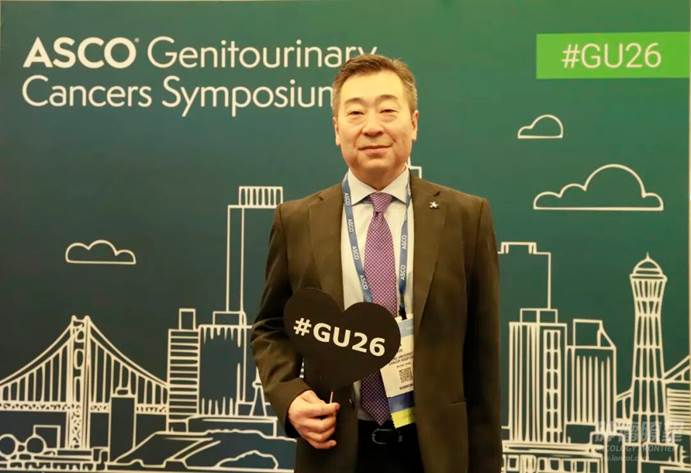
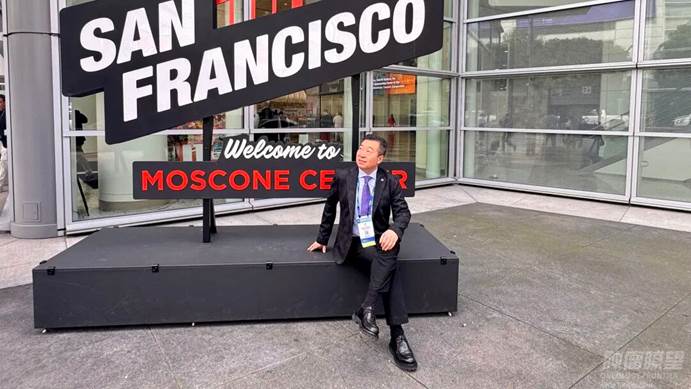
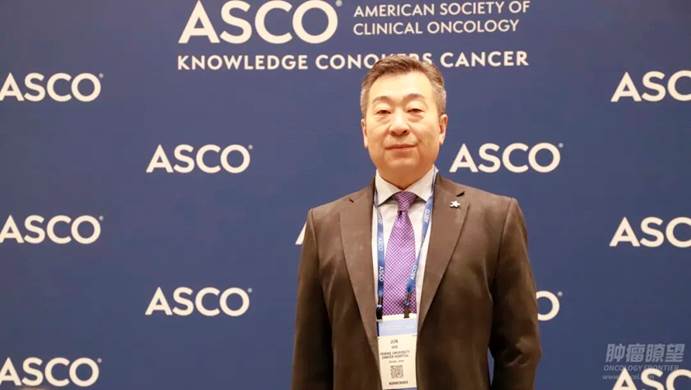

Professor Jun Guo