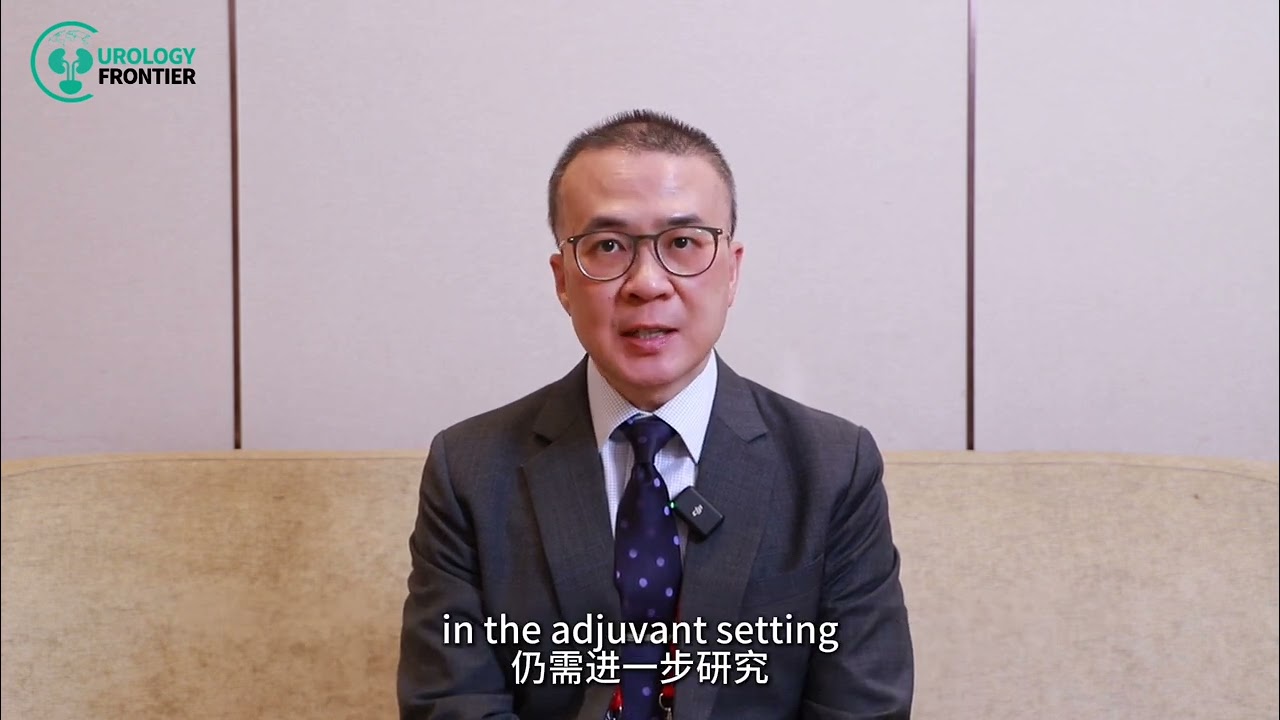
For many years, adjuvant therapy for renal cell carcinoma (RCC) remained in a state of “therapeutic vacuum.” RCC is intrinsically resistant to radiotherapy and chemotherapy, and early attempts to introduce targeted therapies into the adjuvant setting failed to deliver meaningful benefits. The success of the KEYNOTE-564 trial has been a turning point—ushering RCC adjuvant therapy into the era of immunotherapy and redefining postoperative management for high-risk patients.At the 15th Shanghai Academic Conference on Urologic Oncology, Oncology Frontier – UroStream invited Professor Ng Chi Fai from The Chinese University of Hong Kong to provide an in-depth interpretation of the evolving landscape—from immune monotherapy to combination strategies—and to explore how emerging technologies such as liquid biopsy and organoid models may further refine individualized treatment decisions.
Q1
Oncology Frontier – UroStream: Could you introduce some of the recent key advances in adjuvant therapy for renal cell carcinoma, and explain their significance in terms of evolving treatment concepts?
Professor Ng Chi Fai: Renal cell carcinoma is a malignancy of substantial clinical importance and research interest. Historically, therapeutic options following surgical resection were extremely limited when postoperative pathology revealed high-risk features. This was largely because RCC is inherently insensitive to conventional radiotherapy and chemotherapy.
Approximately two decades ago, the introduction of targeted therapies for metastatic RCC brought renewed hope. However, when these agents were tested in the adjuvant setting, the clinical outcomes fell short of expectations. As a result, adjuvant treatment for RCC remained at an impasse for many years.
The KEYNOTE-564 study represents a landmark breakthrough. Through rigorous trial design and robust data analysis, it clearly demonstrated that adjuvant pembrolizumab significantly improves both disease-free survival (DFS) and overall survival (OS) in patients with RCC at high risk of recurrence. This achievement marks the formal entry of RCC adjuvant therapy into the immunotherapy era, opening a new chapter for improving long-term outcomes and offering renewed hope to postoperative high-risk patients.
Q2
Oncology Frontier – UroStream: From KEYNOTE-564 to RAMPART and other ongoing studies such as KEYMAKER-U03, future adjuvant strategies may include immune monotherapy, dual immunotherapy, or immunotherapy combined with TKIs. How should clinicians approach individualized decision-making in this increasingly complex landscape?
Professor Ng Chi Fai: Current research is actively exploring multiple combination strategies. For example, the RAMPART study suggests that dual immunotherapy may improve disease-free survival. However, based on our previous experience with adjuvant therapy, we must await mature overall survival data before drawing definitive conclusions regarding its long-term benefit.
At the same time, other trials are evaluating combinations such as immunotherapy plus tyrosine kinase inhibitors (IO + TKI) in the adjuvant setting. While these regimens have demonstrated efficacy in advanced and metastatic disease, their role in the adjuvant context still requires validation through well-designed clinical trials.
Nevertheless, these investigations clearly expand the therapeutic horizon for high-risk patients with unfavorable pathological features. At present, patient selection for adjuvant therapy relies primarily on traditional clinical and pathological risk factors.
Looking ahead, the cornerstone of truly individualized decision-making will be the development and integration of biomarkers. Liquid biopsy approaches—such as circulating tumor DNA (ctDNA)—and biomarkers like KIM-1 hold promise for more accurately identifying patients at high risk of recurrence, enabling earlier and more precise intervention.
In addition, organoid culture technology, which allows patient-derived tumor cells to be grown in vitro for drug sensitivity testing, may provide a functional platform to identify the most effective treatment strategies for individual patients. Biomarker-driven and functionally informed personalization represents a highly promising direction for future adjuvant therapy.
Q3
Oncology Frontier – UroStream: Finally, could you share your center’s research initiatives and clinical experience in perioperative treatment for renal cell carcinoma?
Professor Ng Chi Fai: Our center has long embraced a multidisciplinary team (MDT) approach, maintaining close and efficient collaboration with experienced medical oncologists. Both before and after surgery, we invest considerable effort in carefully identifying patients with high-risk disease characteristics. For these patients, we conduct comprehensive MDT discussions to determine whether neoadjuvant or adjuvant therapy is warranted.
In parallel, our team has initiated exploratory work in organoid culture using surgically resected tumor tissue. As this technology matures, we aim to establish a dedicated organoid database for RCC patients who may require adjuvant therapy.
Should these patients later require systemic treatment, we envision using their own tumor-derived organoids as biological “surrogates” to test drug sensitivity in vitro. This approach would allow us to identify the most appropriate and effective regimens with greater precision—bringing us closer to truly tailor-made, individualized precision medicine in renal cell carcinoma.
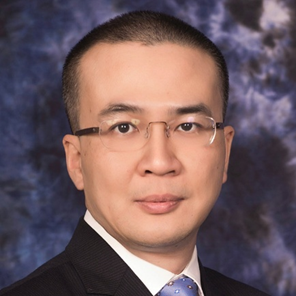
Professor Ng Chi Fai
The Chinese University of Hong Kong