Editor’s Note The incidence of upper tract urothelial carcinoma (UTUC) in China is significantly higher than in Western countries. Although radical nephroureterectomy remains the gold standard for treatment, a substantial proportion of patients with locally advanced disease experience recurrence or progression. Conventional adjuvant chemotherapy or immunotherapy has provided limited survival benefit, leaving major unmet needs. At ESMO Asia 2025, Professor Liangyou Gu(The Third Medical Center, Chinese PLA General Hospital) presented a prospective phase II study evaluating disitamab vedotin combined with immunotherapy as adjuvant treatment for UTUC, offering a promising new option for this challenging population. Urology Frontier invited Professor Gu to share insights from the study and discuss future directions.1. Challenges of Adjuvant Therapy in Locally Advanced UTUC
Compared with bladder cancer, UTUC is more aggressive and associated with poorer outcomes. Even after radical surgery, the 5-year disease-free survival (DFS) rate for locally advanced UTUC is only 35–50%.
Key challenges in China include:
- High incidence and advanced stage at diagnosis: UTUC accounts for ~17.9% of all urothelial carcinomas in China, and nearly two-thirds of patients present with muscle-invasive disease.
- Limited benefit of chemotherapy: Although adjuvant platinum-based chemotherapy (e.g., POUT trial) reduces recurrence risk, overall survival (OS) benefit remains unclear. Many patients develop postoperative renal insufficiency, making them ineligible for cisplatin.
- Limited efficacy of immunotherapy: While immune checkpoint inhibitors improve outcomes in bladder cancer, UTUC subgroups in major adjuvant trials (CheckMate 274, IMvigor010, AMBASSADOR) did not show clear DFS benefit.
As a result, there is a critical need for effective, tolerable adjuvant therapies, especially for patients unable or unwilling to receive chemotherapy.
2. Key Results of Disitamab Vedotin Plus Immunotherapy (ESMO Asia 2025)
Professor Gu’s team conducted a single-arm, prospective phase II study evaluating disitamab vedotin (DV) plus tislelizumab as adjuvant therapy after radical surgery.
Eligibility highlights
- Pathologically confirmed UTUC with high-risk features (pT2 with ≥2 risk factors, pT3–4, pN+, or ypT2–4a/ypN+)
- HER2 expression (IHC 1+/2+/3+)
- Cisplatin-ineligible or chemotherapy refusal
- ECOG PS 0–1
Treatment regimen
- Disitamab vedotin 2 mg/kg IV Q3W for 6 cycles
- Tislelizumab 200 mg IV Q3W, followed by maintenance up to 1 year
Endpoints
- Primary: DFS
- Secondary: OS and safety
Patient characteristics (n = 47)
- Median age: 63 years; 72.3% male
- Primary site: renal pelvis 40.4%, ureter 59.6%
- Pathologic stage: pT3 in 72.3%; N0 in 93.6%
- 55% had eGFR <60 mL/min/1.73 m²
- HER2 overexpression (IHC 2+/3+): 76.6%
Efficacy
- Median follow-up: 10.8 months
- No disease recurrence or progression observed
- Median DFS and OS not reached
These results indicate excellent disease control in a high-risk population. Confidence is further supported by the RC48-C016 trial (NEJM), which demonstrated significant survival benefits of DV plus immunotherapy versus chemotherapy in advanced urothelial carcinoma, including UTUC.
Safety
- Most adverse events were grade 1–2
- Common events: alopecia (51.1%), pruritus/rash (46.8%)
- Grade 3 events were infrequent (4 cases): liver dysfunction, immune myositis, hyperthyroidism
- Toxicities were manageable with standard clinical protocols
3. Biomarkers and Precision Adjuvant Therapy in UTUC
Professor Gu emphasized the importance of biomarker-driven strategies:
- ctDNA: Emerging evidence (e.g., IMvigor011) shows strong prognostic value in urothelial cancer. ctDNA may help identify UTUC patients at high risk of recurrence who are most likely to benefit from adjuvant therapy.
- HER2: HER2 overexpression is common in UTUC (≈63%) and associated with poor prognosis. Disitamab vedotin, a HER2-targeted ADC, offers both prognostic and therapeutic value. In this study, tumor control was observed across HER2 IHC 1+/2+/3+ expression levels.
Routine HER2 testing can therefore help optimize patient selection and maximize benefit from ADC-based strategies.
4. Future Perspectives for Disitamab Vedotin in UTUC
Based on current evidence, disitamab vedotin is reshaping UTUC management across disease stages:
- Advanced disease (first-line): RC48-C016 showed doubled survival benefit versus chemotherapy, including strong efficacy in UTUC subgroups.
- Adjuvant setting: The present phase II study suggests DV plus immunotherapy may fill a critical gap for postoperative high-risk UTUC patients.
- Kidney-sparing strategies: Emerging studies (e.g., DISTINCT-I, West China Hospital pilot studies) indicate DV-based combinations can achieve tumor downstaging and preserve renal function.
- Combination approaches: ADC plus radiotherapy or immunotherapy is being actively explored, with encouraging early results.
Conclusion HER2-targeted ADC therapy, represented by disitamab vedotin, is rapidly transforming the treatment landscape of UTUC in China—from metastatic disease to perioperative and kidney-sparing settings. With ongoing research and longer follow-up, disitamab vedotin is poised to deliver durable survival benefits and improved quality of life for patients with UTUC.

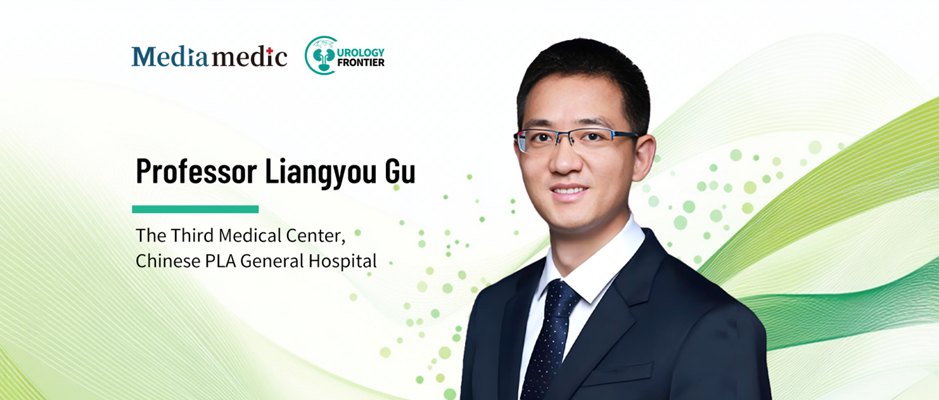
Professor Liangyou Gu The Third Medical Center, Chinese PLA General Hospital