Editor’s Note: From November 10–16, 2025, the 9th West China Urologic Oncology Tianfu Academic Conference and the 11th Academic Annual Meeting on Urologic and Male Genitourinary Tumors of the Sichuan Anti-Cancer Association were successfully held in Chengdu, Sichuan. The meeting brought together leading domestic and international experts in urologic oncology. The program spanned clinical data interpretation, translational research, challenging case discussions, and exploration of diagnostic and therapeutic frontiers, sharing the latest disciplinary advances and global research achievements from multiple dimensions. After the meeting, Oncology Frontier – UroStream invited Professor Peng Zhang from West China Hospital, Sichuan University, to share the experience and exploration of the West China urology team in urothelial carcinoma.Oncology Frontier – UroStream: The West China urology team has accumulated extensive experience in urothelial carcinoma. In the exploration of ADC-based neoadjuvant/adjuvant therapy and organ-preserving strategies, what key clinical studies and preliminary experience can you share?
Professor Peng Zhang: I am very pleased to share some of the experience and achievements of the West China team in urothelial carcinoma via the Oncology Frontier platform. Before 2018, treatment options for urothelial carcinoma were relatively limited. In addition to radical surgery, perioperative management mainly relied on cisplatin-based chemotherapy. However, due to substantial toxicity, many patients were reluctant to accept chemotherapy, and nearly half were unable to tolerate cisplatin because of renal impairment or other conditions, which greatly restricted the use of neoadjuvant chemotherapy.
Since 2018, immunotherapy has entered clinical practice, and our team began exploring strategies combining chemotherapy with immunotherapy. In 2022, at the ASCO GU meeting, we first reported real-world results from the HOPE-01 study. Compared with chemotherapy alone, the chemo-immunotherapy combination demonstrated significantly superior efficacy, with 50% of patients achieving complete response. This finding offered a new treatment paradigm for advanced urothelial carcinoma.
Building on these encouraging results, we further added radiotherapy to the chemo-immunotherapy backbone to help more patients with locally advanced disease achieve bladder preservation, leading to the HOPE-02 study. Final data presented at this year’s ASCO GU showed a 3-year disease-free survival of 76% and a 3-year overall survival of 81%, indicating durable long-term benefit.
In addition, after ADCs were approved in 2023 for late-line treatment of advanced disease, we designed a perioperative targeted-immunotherapy combination for HER2-positive patients and presented preliminary efficacy at ESMO Asia the same year. Updated HOPE-03 data at ASCO GU 2025 showed that targeted-immunotherapy followed by sequential radiotherapy achieved a pathological complete response rate exceeding 70%, suggesting not only better disease control but also substantial preservation of organ function and improved quality of life.
Finally, the ongoing HOPE-04 study addresses patients with non–muscle-invasive bladder cancer who have failed or are unsuitable for BCG therapy, exploring combined radiotherapy and immunotherapy to achieve optimal outcomes. Overall, the West China urology team continues to advance the HOPE program, striving to deliver individualized solutions that extend survival while improving quality of life.
Oncology Frontier – UroStream: As one of China’s MDT demonstration centers in urologic oncology, how does the MDT model operate in the full-course management of urothelial carcinoma, and how does it achieve a “1+1>2” effect?
Professor Peng Zhang: Under current practice, a single department—whether urology, medical oncology, or radiation oncology—cannot provide comprehensive and optimal care alone. Therefore, we advocate a multidisciplinary team (MDT) model for full-course disease management. West China Hospital established its MDT framework as early as 2013, initially covering three major urologic tumor areas. With increasing specialization, we now run disease-specific subgroups for conditions such as urothelial carcinoma, along with dedicated clinics.
Through cross-disciplinary collaboration, patients receive more scientific and coordinated guidance throughout the perioperative period and postoperative recovery. For example, within our system, assessments can be completed directly in medical oncology and surgery scheduled seamlessly, avoiding interdepartmental transfers and waiting, which greatly improves efficiency and the patient experience.
Moreover, leveraging the MDT platform has facilitated progress in both clinical research and scientific innovation—achievements that are difficult for a single department to attain. As a result, more institutions, whether specialty or comprehensive hospitals, are actively adopting MDT models to optimize diagnostic and therapeutic pathways and to tailor the best possible strategy for each individual patient.
Oncology Frontier – UroStream: Despite significant progress, many unmet needs remain in urothelial carcinoma. Looking ahead five years, which directions do you consider priorities for research?
Professor Peng Zhang: As mentioned, before 2018, therapeutic options for urothelial carcinoma—both in advanced and perioperative settings—were very limited. Over the past decade, however, the advent of immunotherapy and precision targeted treatments has markedly improved this landscape. The key focus now is how to select the most appropriate individualized strategy for each patient. Questions such as whether perioperative chemotherapy is becoming outdated and how to identify patients who truly benefit remain under active investigation.
At the recent ESMO Congress, several landmark findings drew broad attention. One was the five-year follow-up of the CheckMate 274 trial, which further explored biomarker applications. The data showed that circulating tumor DNA can effectively identify high-risk postoperative patients; compared with ctDNA-negative patients, those who were ctDNA-positive derived significant survival benefit from adjuvant immunotherapy. In my view, individualized treatment guided by novel biomarkers will be a major focus and growth area in oncology over the next 5–10 years.

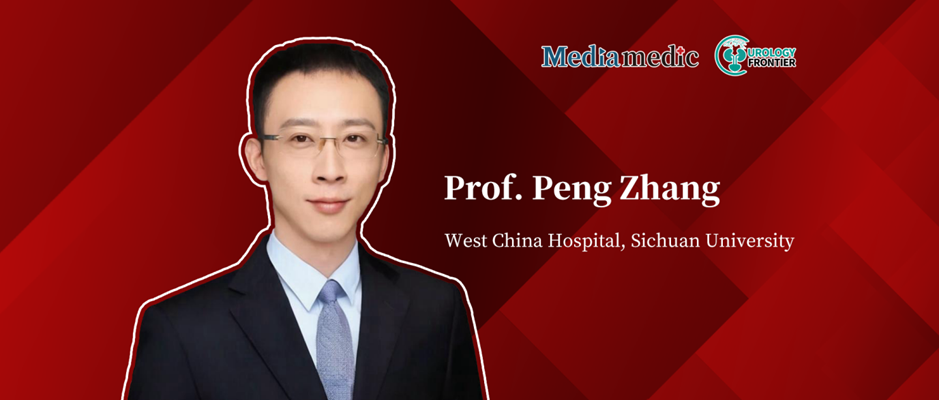
Professor Peng Zhang West China Hospital, Sichuan University