
Urinary continence and pelvic floor disorders represent an important subspecialty within urology. Conditions such as post-prostatectomy urinary incontinence and overactive bladder (OAB), which are particularly common in elderly populations, can severely compromise patients’ quality of life.However, the field continues to face longstanding challenges, including limitations in biomaterials, slow progress in domestic medical device development, and insufficient multidisciplinary collaboration.
At the 2nd Peking University Urology Academic Forum, Oncology Frontier – UroStream invited Professor Jianye Wang from Beijing Hospital for an in-depth interview focusing on current research priorities, domestic innovation in medical devices, multidisciplinary collaboration, and the promotion of standardized care at the grassroots level.
Key Research Priorities and Unmet Clinical Needs
Oncology Frontier – UroStream:
What do you consider the most important research priorities and unmet clinical needs in urinary continence and pelvic floor disorders today? In particular, what are the major challenges in conditions commonly seen in elderly patients, such as post-prostatectomy urinary incontinence and overactive bladder (OAB)?
Professor Jianye Wang:
In the field of urinary continence and pelvic floor disorders, our clinical focus is first directed toward prostate-related diseases.
Following radical prostatectomy, some patients develop permanent stress urinary incontinence, and these individuals urgently require standardized and effective treatment. Currently, the main salvage approach involves implantation of an artificial urinary sphincter.
However, a major challenge remains: the key implant materials are still heavily dependent on imports, and breakthroughs in domestic production of core materials and manufacturing technologies have not yet been achieved.
The imported silicone materials currently used typically have a clinical lifespan of only 7–8 years. Critical technical barriers—including core compositions and formulation technologies—remain unresolved. As a result, device costs remain extremely high, making treatment unaffordable for many patients. Consequently, a large number of individuals must rely on urinary collection bags long-term, significantly impairing their quality of life.
In response to this issue, the field is currently focused on two major research directions:
First, improving surgical techniques to reduce the incidence of post-prostatectomy stress urinary incontinence at the source, emphasizing prevention whenever possible.
Second, for patients who already have irreversible urinary incontinence, developing more effective salvage therapies while overcoming key biomaterial barriers to achieve domestic production of artificial urinary sphincters.
As for overactive bladder (OAB), although the condition is not life-threatening, it can profoundly affect daily quality of life.
OAB is not a single disease entity, but rather a syndrome characterized by urinary frequency, urgency, and urgency urinary incontinence. Its causes are highly heterogeneous and may include benign prostatic hyperplasia, chronic urinary tract inflammation, urologic tumors, urinary stones, and neurological dysfunction of unclear etiology.
Therefore, etiological investigation has become a central research focus. If clinicians can accurately identify and eliminate the underlying cause, treatment outcomes improve substantially.
However, for patients with unclear etiology, treatment remains largely symptomatic, relying primarily on pharmacotherapy. Clinical responses vary considerably, and many refractory patients still fail to achieve meaningful improvement. This remains a major unresolved challenge in current practice.
Domestic Innovation in Neuromodulation and Implantable Devices
Oncology Frontier – UroStream:
Your team has long focused on pelvic floor neuromodulation technologies and has led the development and translation of domestically produced bladder pacemakers and sacral nerve stimulation devices. Since these high-end devices were previously entirely dependent on imports and associated with substantial costs, what major changes have domestic innovations brought in terms of technology and accessibility? What advantages and future value do these devices offer for broader clinical implementation?
Professor Jianye Wang:
The development and translation of technologies in this field hold tremendous promise.
Take sacral nerve stimulation as an example. Early devices were entirely imported, and treatment costs were initially around RMB 180,000 per case. Although prices later decreased somewhat, the therapy still remained financially inaccessible for many patients.
Sacral neuromodulation has now become one of the most successful examples of domestic medical device innovation in China.
Following localization, costs have decreased substantially, and partial reimbursement through medical insurance has become possible.
More importantly, domestically developed technologies have surpassed the original imported products in several aspects.
For example, the earlier imported systems had limited battery life and required surgical replacement once depleted. In contrast, domestic devices can now be recharged externally through remote-controlled charging systems, eliminating the need for replacement surgery.
In addition, parameter adjustments previously required patients to return to the implanting hospital for technical reprogramming. With current domestic technologies, stimulation settings can now be adjusted remotely through wireless control systems.
These represent significant innovations.
Domestic devices are technologically advanced, more affordable, and increasingly supported by healthcare reimbursement systems, allowing a much broader patient population to benefit from these therapies.
Multidisciplinary Collaboration and Grassroots Standardization
Oncology Frontier – UroStream:
This forum places considerable emphasis on urinary continence and pelvic floor disorders. In your view, how should the field further advance multidisciplinary collaboration and precision individualized care in the future? What recommendations do you have regarding the promotion of standardized care at the grassroots level?
Professor Jianye Wang:
At this conference, I presented on the “Current Priorities and Challenges in Urinary Continence and Pelvic Floor Disorders.”
Although urinary continence is considered a subspecialty within urology, meaningful progress in this field requires extensive multidisciplinary collaboration.
In oncology, multidisciplinary team (MDT) models involving imaging, radiotherapy, and medical oncology have already become standard practice. Urinary continence care requires even broader collaboration, particularly involving female pelvic floor specialists, rehabilitation medicine, psychiatry and psychology, and neurology—including electrophysiological assessments such as electromyography.
The nature of this subspecialty makes multidisciplinary cooperation essential for both advanced research and the implementation of cutting-edge technologies.
Regarding grassroots promotion, priority should be given to technologies that are simple, practical, and easy to learn.
The number of patients with urinary continence disorders is extremely large, yet disease awareness and healthcare-seeking rates remain low. Years of research have shown that these conditions are both preventable and treatable. Some cases can be prevented entirely, while many others can be effectively cured.
Improving public health literacy and increasing awareness of urinary continence disorders are therefore critically important for reducing disease incidence, promoting early medical consultation, improving treatment outcomes, and enhancing quality of life.
This effort cannot rely solely on large tertiary hospitals. Primary care physicians also need to understand that these disorders are preventable and manageable. Some cases can be treated locally, while others can at least be appropriately screened and referred to higher-level centers.
Through these efforts, we hope to see gradual reductions in disease burden, improved treatment success rates, and meaningful improvements in patient quality of life in the years ahead.
Expert Profile
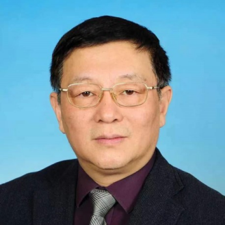
Professor Jianye Wang Beijing Hospital