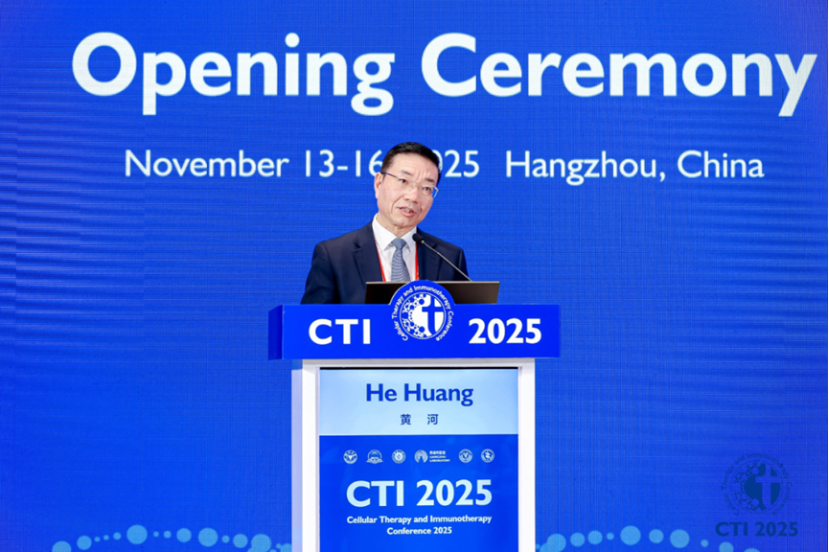
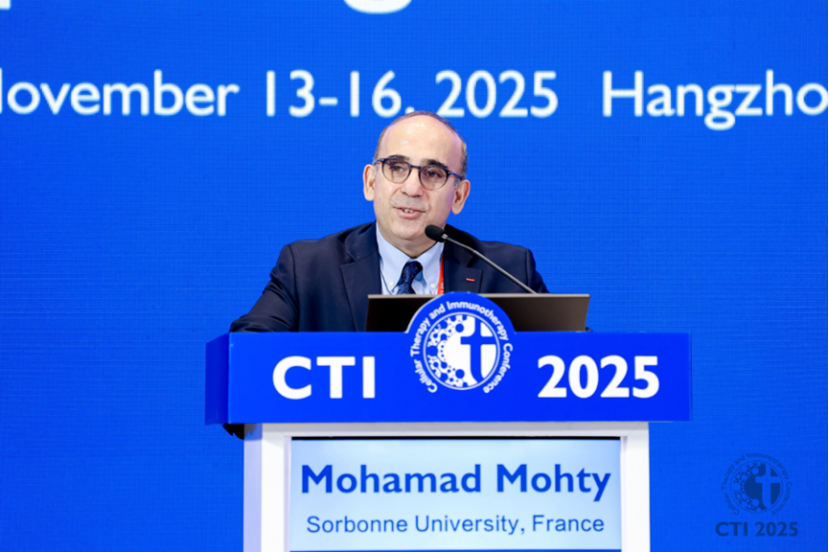
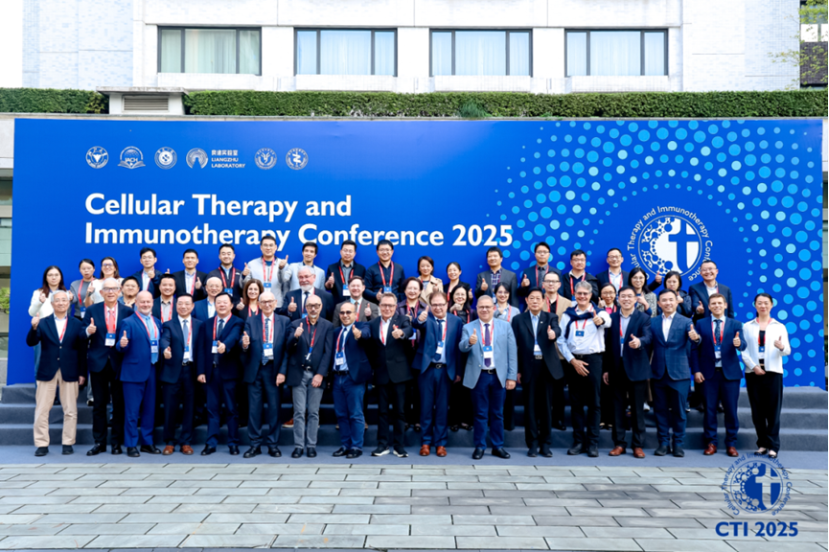
On November 14, 2025, the Second International Cell and Immunotherapy Congress convened in Hangzhou. The meeting is co-chaired by He Huang from the First Affiliated Hospital of Zhejiang University School of Medicine and Mohamad Mohty, President of the International Academy for Clinical Hematology (IACH). Clinical experts, basic researchers, young scientists, and representatives from biopharmaceutical enterprises gathered from around the globe to engage in in-depth discussions on the latest advances in cell and immunotherapy. The congress not only showcased cutting-edge scientific achievements but also fostered meaningful interdisciplinary collaboration, illuminating key directions for future innovation in cell therapy, immunotherapy, and hematologic research. Oncology Frontier – Hematology Frontier Update has compiled highlights from the first day of the conference to share this academic event with colleagues and explore new frontiers in the field together.
Tracing Origins to Open a New Chapter, Sustaining Inquiry to Explore the Unknown
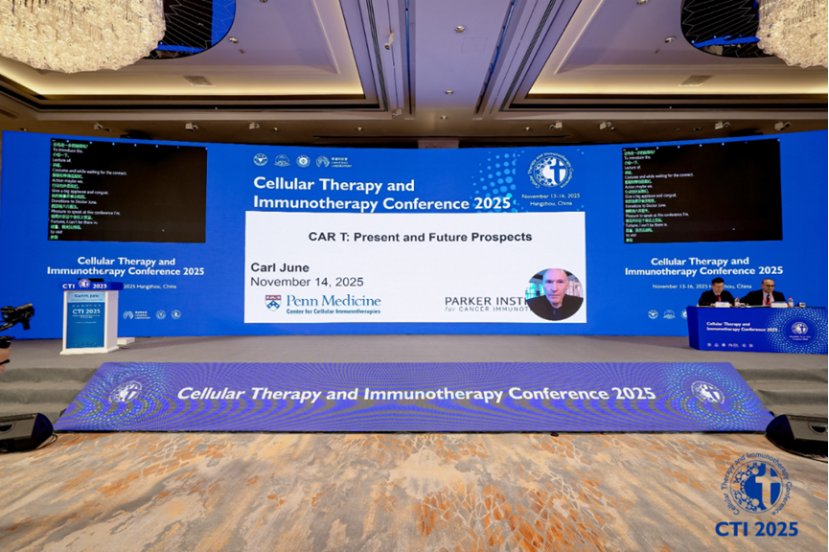
The grand event commenced with distinguished guests gathering from near and far. During the opening ceremony, Xiaoming Li, Vice President of Zhejiang University; He Huang; Mohamad Mohty; and Yu Hu, Chair of the Hematology Branch of the Chinese Medical Association, jointly took the stage to deliver remarks. This was followed by the first plenary session, co-chaired by Vice President Xiaoming Li and Mohamad Mohty, during which three internationally renowned experts focused on innovations in the treatment and clinical management of hematologic malignancies, offering highly instructive academic insights.
Carl H. June from the University of Pennsylvania delivered an online lecture titled “The Current Landscape and Future Prospects of CAR-T Cell Therapy,” in which he systematically reviewed the developmental trajectory and breakthrough achievements of CAR-T therapies. June revisited key milestones from the past thirty years of CAR-T development, noting in particular the remarkable progress achieved in hematologic oncology. At present, seven FDA-approved CAR-T products are available worldwide for the treatment of hematologic malignancies, and second-generation CAR-T cells have been shown to persist in some patients for up to ten years. Regarding next-generation CAR-T therapies, June highlighted the impressive performance of IL-18-armored CAR-T cells developed by his team, which produced an 80% objective response rate in patients with relapsed or refractory lymphoma without increasing toxicity.
To address long-standing challenges in solid tumors, June’s team has carried out several innovative explorations. A dual-target CAR-T therapy for glioblastoma is currently under evaluation in a Phase I clinical trial, with some patients experiencing up to 95% tumor elimination within three days of treatment. For pancreatic cancer, a regimen combining CAR-T cells with the oncolytic virus VCN-01 has shown that the virus can remodel the tumor microenvironment, markedly enhancing CAR-T proliferation and antitumor activity in vivo. Early clinical data indicate both favorable tolerability and promising therapeutic potential. Looking ahead, June emphasized that gene editing, combination strategies, and the development of universal CAR-T products will be essential to overcoming the current limitations of the field.
Broad-Spectrum Target Discovery: Expanding the TCR Frontier
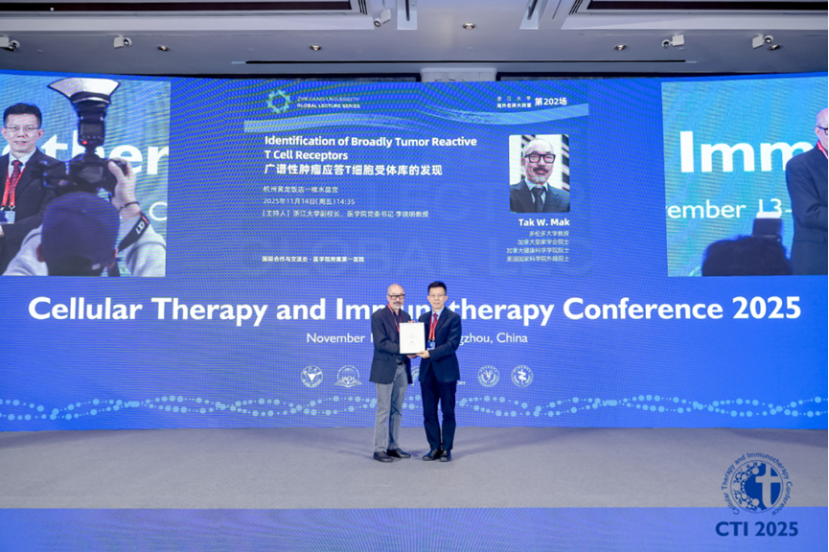
During the Zhejiang University Global Master Lecture, Xiaoming Li presented an honorary certificate to Tak W. Mak from the Princess Margaret Cancer Centre in Toronto, Canada. Mak then delivered an outstanding lecture titled “Identification of Broad-Spectrum Tumor-Reactive T-Cell Receptors.” In his talk, he explored in depth the mechanisms by which T-cell receptors (TCRs) recognize tumor antigens and examined how to identify and optimize TCRs capable of targeting shared tumor antigens or mutation-derived neoantigens for use in adoptive T-cell therapies or TCR-T therapies. He introduced his team’s technological platforms and research achievements in screening high-affinity, highly specific TCRs, and discussed approaches to overcoming tumor immune evasion. His presentation offered valuable clues for understanding the regulatory mechanisms of the tumor immune microenvironment and for advancing next-generation T-cell–based therapies.
Refined Stratification in MDS: Dynamic Decision-Making
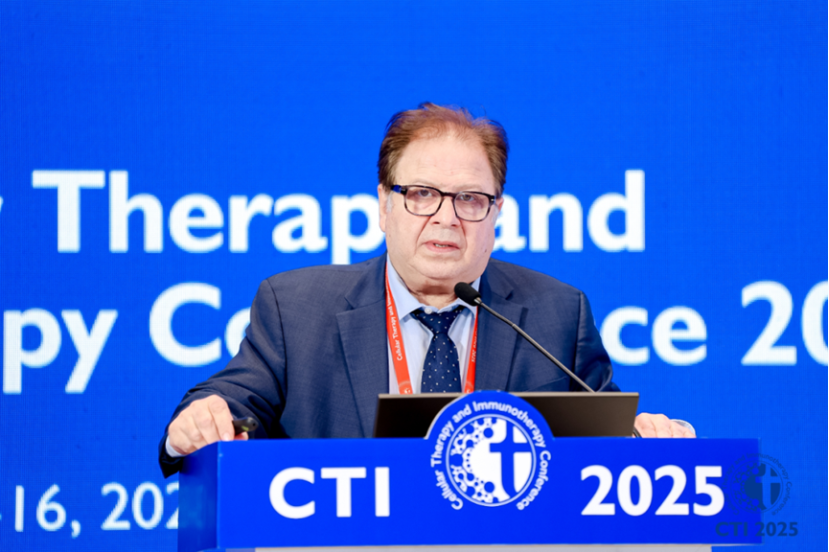
Ibrahim Yakoub-Agha of the University of Lille provided a systematic overview of the treatment and management of myelodysplastic syndromes (MDS). He began by reviewing diagnostic and classification systems such as the IPSS-R and the molecularly integrated IPSS-M, emphasizing the critical role of risk stratification in guiding therapeutic decision-making. For low-risk MDS, treatment aims include alleviating cytopenias, improving quality of life, and preventing disease progression, with principal approaches such as red blood cell transfusions, erythropoiesis-stimulating agents, lenalidomide, and luspatercept. For high-risk MDS, allogeneic hematopoietic stem cell transplantation remains the only potentially curative option, though its use is constrained by patient age and comorbidities. Yakoub-Agha also examined in detail the evidence supporting decisions regarding transplant timing, conditioning regimen intensity, donor selection, and post-transplant interventions. He noted that although hypomethylating agents are the standard treatment for high-risk patients who are ineligible for transplantation, the efficacy of combinations with agents such as venetoclax requires further validation in Phase III clinical trials. He encouraged patients who are suitable candidates to participate in clinical studies of emerging therapies.
A Higher Perspective Broadens the Horizon
The afternoon plenary session continued under the chairmanship of Yu Hu and Arnon Nagler from the Sheba Medical Center in Israel, focusing on innovations in CAR-T and related therapeutic technologies and on expanding their clinical applications.
He Huang from the First Affiliated Hospital of Zhejiang University School of Medicine delivered a lecture titled “Developing Novel CAR-T Therapies for Hematologic Malignancies and Autoimmune Diseases,” presenting a series of pioneering advances from his team. In the field of hematologic malignancies, to enhance the efficacy of CAR-T therapy, his group innovatively developed IL-10 metabolic–armored CAR-T cells, which demonstrated exceptional antitumor activity and durable persistence in clinical studies. Remarkably, even at extremely low doses, these cells achieved a 90% complete remission rate in patients with relapsed or refractory lymphoma. In the realm of universal CAR-T products, the team successfully engineered CD7-targeted universal CAR-T cells using CRISPR-Cas9 gene editing to treat highly challenging T-cell malignancies. They further integrated this therapy with haploidentical hematopoietic stem cell transplantation into an “all-in-one” treatment strategy, achieving significant therapeutic effects in refractory cases and elucidating a unique biological phenomenon involving the reconstruction of endogenous CD7-negative T cells after treatment.
Even more encouragingly, Huang’s team extended CAR-T therapy into the field of autoimmune disease. They reported results from a Phase I clinical trial using dual-target CD19/BCMA CAR-T cells to treat refractory systemic lupus erythematosus (SLE), in which all patients achieved clinical remission. Pathogenic B-cell clones were effectively eradicated, and the regenerated B-cell repertoire displayed a healthy profile, demonstrating the substantial curative potential of CAR-T therapy in autoimmune disorders.
A Creative Detour: Intercepting Signals with Precision
Edmund K. Waller from Emory University presented a novel scientific direction in his lecture, “Intercepting the VIP Signaling Pathway for Cancer Immunotherapy.” He argued that vasoactive intestinal peptide (VIP) and its receptors, VPAC1 and VPAC2, constitute a key yet underappreciated immune checkpoint within the immunosuppressive tumor microenvironment. VIP can be secreted by tumor cells, neuronal cells, or myeloid cells, inducing the formation of tolerogenic dendritic cells and regulatory T cells, thereby suppressing antitumor immunity. Through computer-aided design, efficient in vitro screening, and rigorous in vivo validation, Waller’s team developed potent and highly specific VIP receptor antagonists. Preclinical studies demonstrated that these antagonists, whether used alone or in combination with anti–PD-1 antibodies, could induce tumor regression and establish protective immune memory in models such as pancreatic cancer and acute myeloid leukemia (AML).
A particularly ingenious innovation was the integration of the coding sequence for the VIP receptor antagonistic peptide directly into the CAR-T construct, enabling CAR-T cells to self-secrete the peptide and thereby resist VIP-mediated suppressive signals within the tumor microenvironment. This design markedly enhanced CAR-T expansion, persistence, and antitumor activity in vivo without adding significant toxicity. This strategy offers a powerful new tool for overcoming microenvironment-driven immunosuppression, and related therapeutics are steadily advancing toward clinical translation.
Tackling Solid Tumors: A Dawn Emerging
Linson Qing Changqi, representing Lin Shen’s team at Peking University Cancer Hospital, delivered a detailed report titled “The Status and Progress of CAR-T Cell Therapy in Gastrointestinal Tumors.” He began by noting that China bears more than half of the global burden of gastrointestinal cancers, a reality that has driven especially active research in cell-based therapies in this field. He then highlighted the team’s complete developmental journey of the CLDN18.2-targeted CAR-T therapy CT041 for gastric and gastroesophageal junction cancers, spanning exploratory studies to confirmatory clinical trials. Through a series of optimization strategies, the team achieved breakthrough therapeutic outcomes in patients with advanced gastric cancer. A subsequent pivotal Phase III randomized controlled clinical trial demonstrated that CT041 significantly prolonged progression-free survival and overall survival compared with standard chemotherapy, while maintaining an acceptable safety profile. The team is also engaged in biomarker development, exploring the use of CAR-T therapy in neoadjuvant and adjuvant settings, expanding to new targets such as GPC3, and refining combination treatment strategies.
In closing, Linson Qing Changqi emphasized that successful advancement of CAR-T therapy for solid tumors requires adherence to the “Five Rights”: the right patients (precise selection), the right cells (optimized design), the right timing (earlier application), the right combinations (synergistic approaches), and the right management (rigorous safety monitoring).
Industry and Academia Intertwined: Driving Transformative Innovation
On the first day of the congress, multiple thematic forums were held alongside the main sessions, offering a rich and dynamic landscape of academic exchange. The Young Investigator Forum, chaired by Shanshan Pei, Gang Xiao, Hongshan Guo, and Pengxu Qian, featured excellent young scholars from a range of universities and institutes presenting their frontier research. Bing Feng of the Hangzhou Institute for Advanced Study, Chinese Academy of Sciences, discussed enhancing adoptive cell therapy efficacy through type-2 immunity. Lei Yang from the same institute reported advances in high-precision, high-efficiency base editing using engineered APOBEC3A deaminase. Zeyu Chen of Peking University examined strategies to reinvigorate tumor-infiltrating lymphocytes to achieve durable antitumor responses. Huimin Zhang of Zhejiang University analyzed the relationship between chromatin accessibility remodeling during T-cell activation and cellular aging. Mi Deng of Peking University introduced new myeloid-cell-based approaches for cellular immunotherapy. Xiaoling Xie of Zhujiang Hospital, Southern Medical University, presented research on mechanisms of intercellular communication in leukemia. Shuwen Wang of Qilu Hospital, Shandong University, discussed the role of lysophosphatidylcholine-induced macrophage polarization imbalance in immune thrombocytopenia. Xiangjun Zeng of Zhejiang University reported new findings showing that microbiome dysbiosis in lung disease can impair hematopoietic stem cell function. Together, these presentations reflected the deep and diverse thinking of young scientists in areas such as cellular therapy, metabolic reprogramming, epigenetic regulation, and the tumor microenvironment.
Jiye Liu from the Affiliated Cancer Hospital of Shandong First Medical University presented the latest research on monoclonal antibody therapies for multiple myeloma and the mechanisms underlying treatment resistance. Chao Shen of the Hangzhou Institute for Advanced Study, Chinese Academy of Sciences, explored the role of RNA epigenetic regulation—such as m6A modifications—in leukemia stem cells. Junhua Lü of the Institute of Biophysics, Chinese Academy of Sciences, reported new discoveries regarding primary and resistance-associated metabolic vulnerabilities in IDH-mutant leukemia. Jiajia Zhou of Nanjing University explained how the balance between STAT3 and STAT5 governs dendritic cell function and antitumor immunity. Jingliao Zhang of Peking Union Medical College Hospital, Chinese Academy of Medical Sciences, presented findings on mitochondrial reprogramming and mechanisms of resistance to BCL-2 inhibition in pediatric acute lymphoblastic leukemia.
Rongqing Pan of Zhejiang University discussed therapeutic strategies targeting mitochondria in acute myeloid leukemia. Gongwei Wu of the Hangzhou Institute for Advanced Study, University of Chinese Academy of Sciences, examined epigenetic dependencies and therapeutic targets in T-cell lymphoma. Zhaoqianqi Feng of Westlake University shared new insights into mechanical forces driven by peptide self-assembly that promote spheroid formation and angiogenesis. Zhenhua Chen of Zhejiang University presented recent progress in understanding epigenetic modification mechanisms in B-cell malignancies.
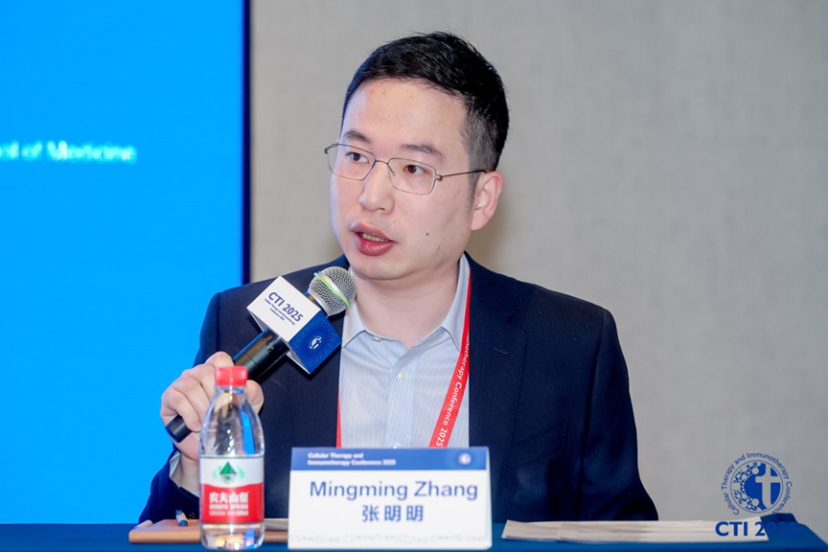
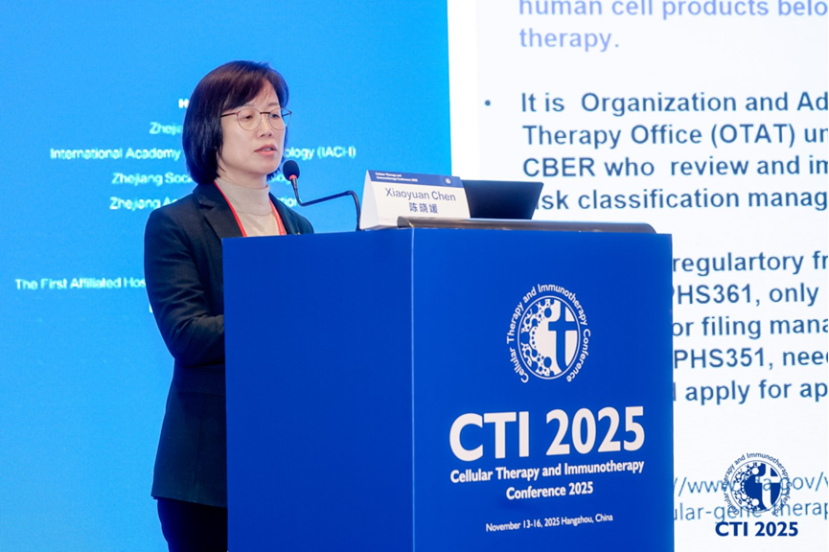
A parallel Industry Development Forum focused on the translation and application of cell and gene therapies, with experts including He Huang, Arnon Nagler, Didier Blaise, Zhen Yang, Mingming Zhang, Jimin Shi, and Yishan Ye in attendance. Xiaoyuan Chen of Tsinghua University provided a systematic analysis of current regulatory frameworks and case studies related to the evaluation of cell and gene therapy products. Representatives from the biopharmaceutical industry discussed topics such as CAR-T therapies, BCL-2 inhibitors, innovations in transplant immunology, and development pipelines in hematologic malignancies from a variety of perspectives, collectively showcasing a full-spectrum innovation ecosystem spanning basic research to clinical implementation.
The various forum sessions concluded amid intensive and insightful academic exchange. From hematologic malignancies to solid tumors and autoimmune diseases, CAR-T and other cellular therapies continue to push beyond traditional therapeutic boundaries. The substantial achievements shared by leading experts from China and abroad not only deepened the field’s understanding of the complex regulatory networks underlying immune responses, but also introduced numerous innovative solutions to core challenges such as therapeutic resistance, toxicity, and suppression by the tumor microenvironment. Advances in gene editing technologies, novel armored CAR-T strategies, combination therapy approaches, universal product development, and explorations of new targets and signaling pathways collectively outline a grand vision of a future in which cancer immunotherapy becomes more precise, more potent, safer, and widely accessible.
The deep dialogue among academia, industry, research institutions, and clinical medicine has laid a solid foundation for accelerating the translation of innovative therapies from laboratory discovery to clinical application, ultimately benefiting patients worldwide. With continued collision and convergence of ideas and expertise, the field of cell and immunotherapy is poised to gain powerful momentum for deeper basic research and more rapid clinical translation.

More exciting content from the upcoming sessions awaits—please stay tuned!