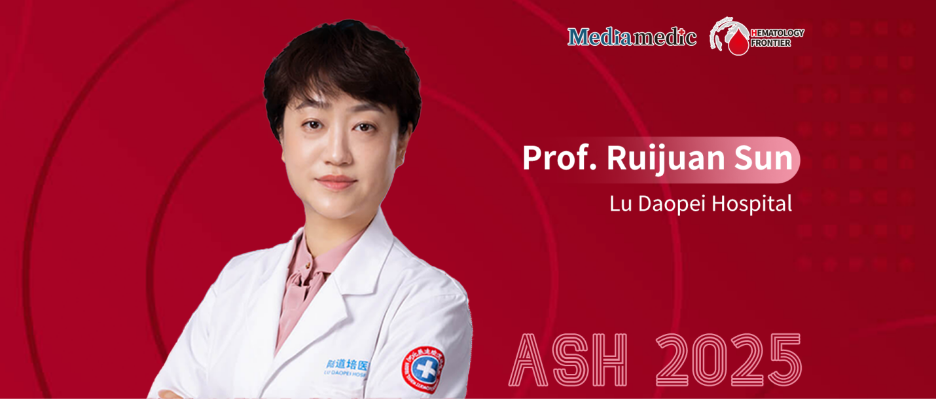
From December 6 to 9, 2025, the 67th Annual Meeting of the American Society of Hematology (ASH) was grandly held in Orlando, USA. As the world’s largest and most influential international academic conference in the field of hematology, the ASH Annual Meeting attracts tens of thousands of experts and scholars each year to share the latest advances and breakthrough research. At this year’s meeting, a study led by Professor Sun Ruijuan from Lu Daopei Hospital was selected for poster presentation, focusing on the clinical efficacy of allogeneic hematopoietic stem cell transplantation in infant acute leukemia, providing important insights for the treatment of this challenging patient population. Hematology Frontier invited Professor Sun to share the details of this study for academic exchange. Title: Clinical Efficacy of Allogeneic Hematopoietic Stem Cell Transplantation in Infant Acute Leukemia Chinese Title: 异基因造血干细胞移植在婴儿急性白血病中的临床疗效
Research Background
Infant leukemia refers to acute leukemia diagnosed within the first year of life and is characterized by high aggressiveness and poor prognosis. Whether patients with infant leukemia benefit from hematopoietic stem cell transplantation remains controversial. The impact of achieving hematologic remission and minimal residual disease negativity prior to transplantation, as well as the influence of different donor sources on prognosis, require further evaluation to optimize transplantation strategies.
Research Methods
A retrospective analysis was conducted on 126 infants with leukemia who underwent allogeneic hematopoietic stem cell transplantation (allo-HSCT) between March 2013 and December 2024 at Hebei Yanda Lu Daopei Hospital and Beijing Lu Daopei Hospital. Treatment efficacy was evaluated by analyzing three-year overall survival (OS) according to pre-transplant remission status and minimal residual disease negativity assessed by flow cytometry or gene PCR techniques.
Research Results
Among the 126 patients, 81 had acute myeloid leukemia (AML) and 45 had acute lymphoblastic leukemia (ALL). There were 81 male and 45 female patients, with a median age of 8.6 months (range, 1–12 months). Before transplantation, 100 patients were in first complete remission (CR1), 18 were in second or subsequent remission (≥CR2), and 8 had not achieved remission (NR). All patients achieved successful engraftment. Follow-up was conducted until May 31, 2025, with a median follow-up time of 39 months (range, 1–120 months).
In infant AML, the three-year OS was 74.48% (50/66) for patients transplanted in CR1, 71.42% (5/7) for those transplanted in ≥CR2, and 33.33% (2/8) for those transplanted without remission, with a statistically significant difference (P=0.0105). Among patients with infant AML in complete remission, three-year OS was comparable between those with positive flow cytometry and those with negative flow cytometry results.
Among 73 infant AML patients in complete remission, 10 received transplants from unrelated donors with a three-year OS of 70%, while 61 received transplants from haploidentical related donors with a three-year OS of 74.36%, showing no significant difference (P=0.464).
In infant ALL, the three-year OS was 91.08% (30/34) for patients transplanted in CR1 and 72.72% (8/11) for those transplanted in ≥CR2, with no statistically significant difference (P=0.191). Among five patients with positive flow cytometry or gene testing prior to transplant, the three-year OS was 60%, whereas among 40 patients who were both flow cytometry–negative and gene-negative, the three-year OS was 85.63%, showing a statistically significant difference (P=0.026).
Among 45 infant ALL patients in complete remission, 15 received unrelated donor transplants with a three-year OS of 91.66%, while 29 received haploidentical related donor transplants with a three-year OS of 81.73%, with no significant difference (P=0.274). For infant ALL patients with KMT2A rearrangement, the three-year OS was 86.69% (29/33), compared with 74.04% (9/12) in those without KMT2A rearrangement, with no statistically significant difference (P=0.146).
Research Conclusions
Allogeneic hematopoietic stem cell transplantation is an effective treatment for infant acute leukemia. Failure to achieve remission before transplantation is a major risk factor affecting transplant outcomes. In infant AML, flow cytometry negativity did not show a statistically significant impact on survival in this study. No significant difference in survival was observed between haploidentical related donors and unrelated donors. Allo-HSCT appears to improve the prognosis of infant ALL patients with KMT2A rearrangement, although further validation in larger cohorts is required.
Expert Profile
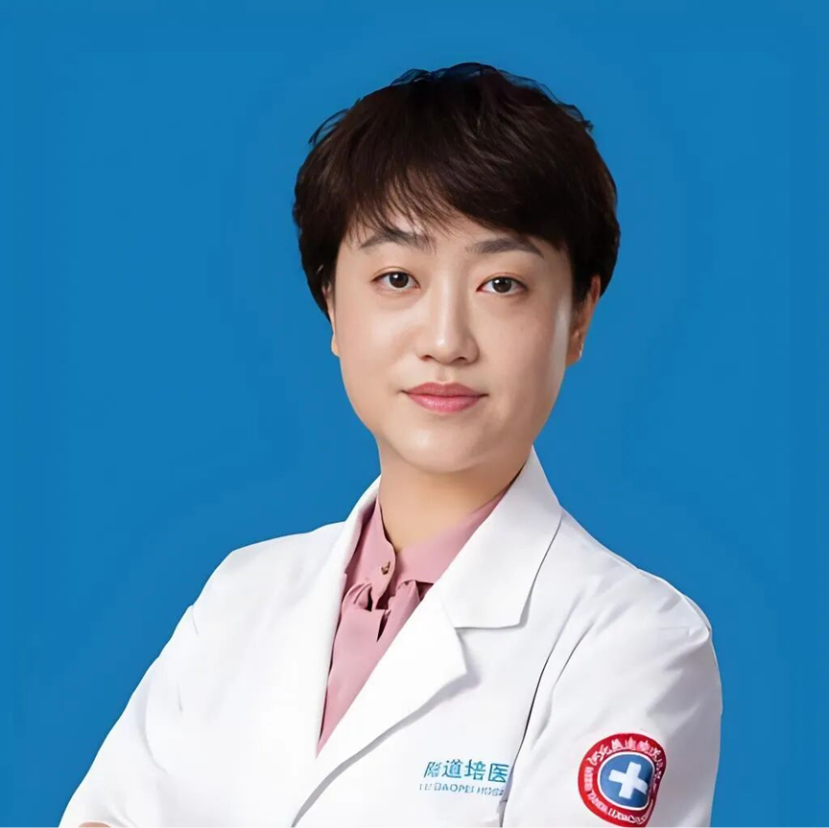
Professor Sun Ruijuan Lu Daopei Hospital
Director, Department of Hematopoietic Stem Cell Transplantation
Member of the Organizational Cell Disease Committee of the Chinese Medical Doctor Association Hematology Branch Member of the Cord Blood Application Committee of the China Association of Maternal and Child Health Care Member of the Langfang Anti-Cancer Association, Hebei Province
Graduated in July 2000 from Xi’an Jiaotong University School of Medicine with a degree in Clinical Medicine. Joined the Daopei team in 2003 and has been engaged in clinical hematopoietic stem cell transplantation for more than 20 years. Has successfully completed over one thousand allogeneic hematopoietic stem cell transplantations, with patient ages ranging from 7 months to 69 years.
She has extensive experience in the treatment of benign and malignant hematologic diseases, acute and chronic graft-versus-host disease, severe infections, and various post-transplant complications, particularly in the use of immunotherapy to prevent and treat post-transplant relapse. She participated in the successful completion of China’s first autologous cord blood transplantation for pediatric severe aplastic anemia and the first transplantation for XIAP-associated hemophagocytic syndrome, as well as multiple cases of stem cell transplantation for congenital dyskeratosis congenita.
Professor Sun has presented clinical experience and research findings multiple times at international transplantation conferences, including APBMT, EBMT, TCT, and ASH.