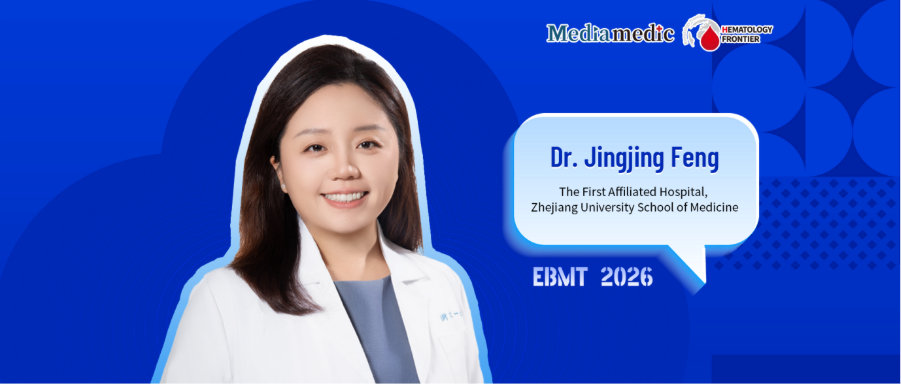
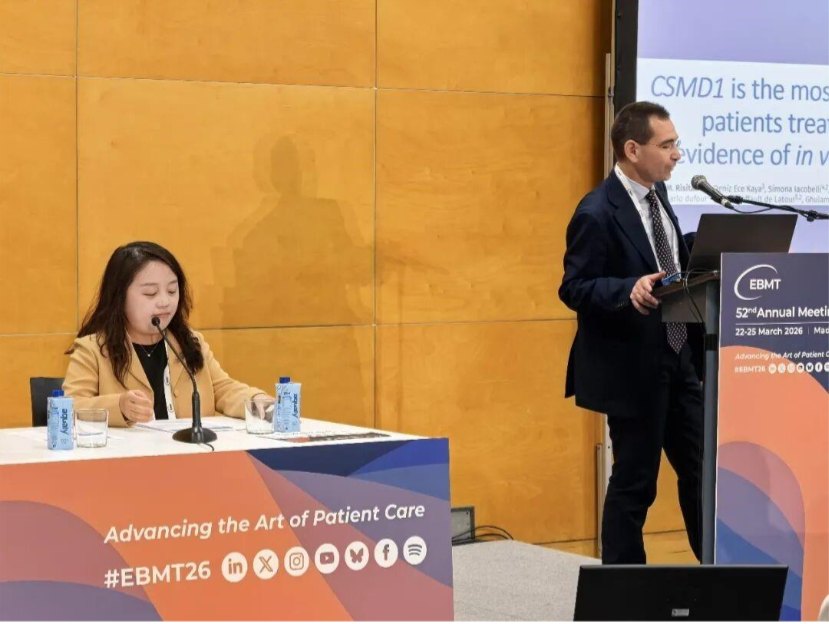
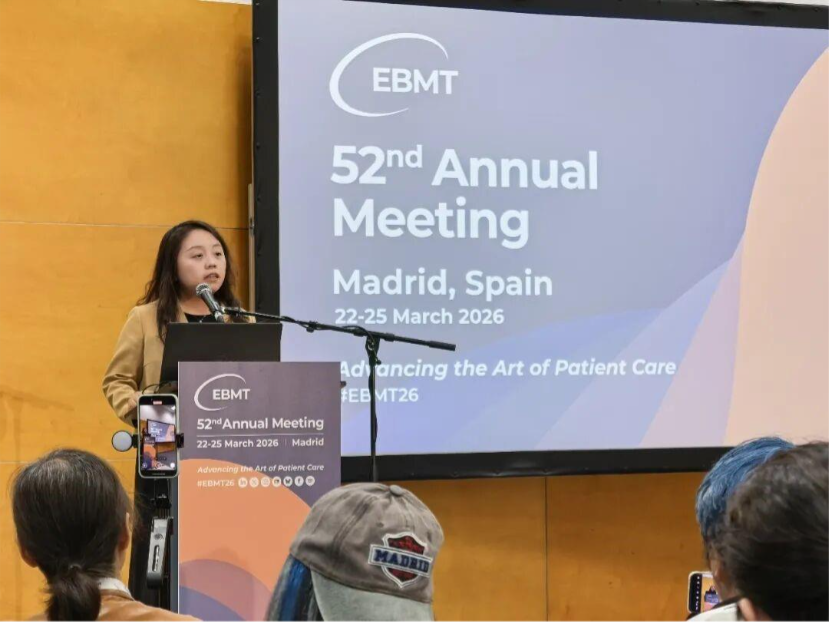
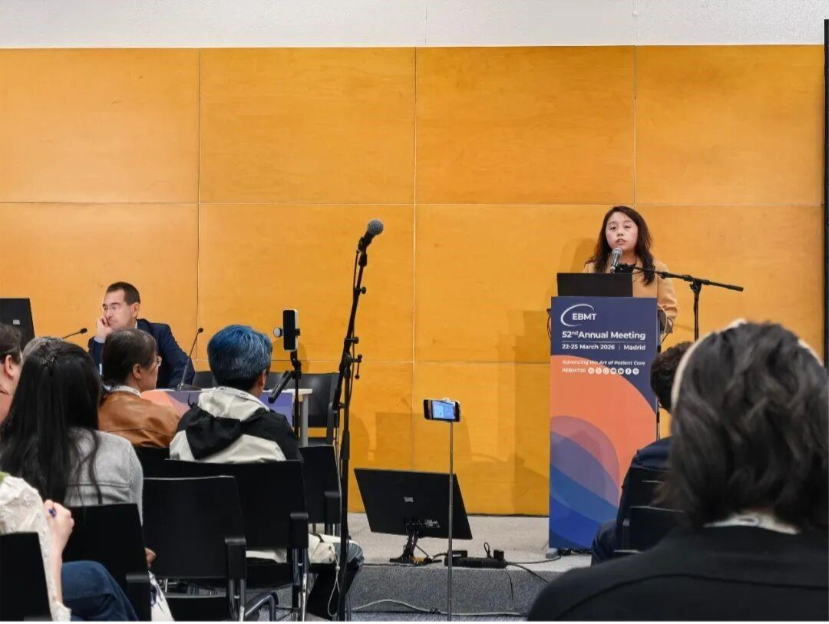
Editor’s Note From March 22 to 25, 2026, the 52nd Annual Meeting of the European Society for Blood and Marrow Transplantation (EBMT) was held in Madrid, Spain. As one of the most influential conferences in the field, the meeting brought together thousands of experts worldwide to discuss the latest advances in transplantation and cellular therapy. During the conference, Dr. Jingjing Feng from the First Affiliated Hospital, Zhejiang University School of Medicine presented an oral report entitled “Combined Infusion of CD19- and BCMA-Targeted CAR-T Cells for Relapsed/Refractory Central Nervous System and Extramedullary Diseases: A Phase I Clinical Trial and Mechanistic Study.” Her work provided important insights for optimizing clinical strategies and was awarded the Best Young Abstracts prize.
Oncology Frontier – Hematology Frontier invited Dr. Feng for an in-depth interview to discuss the key findings of this study and its implications for clinical practice and future research.
Expanding CAR-T from Oncology to Autoimmune Disease: Rationale for Dual Targeting
Oncology Frontier – Hematology Frontier: Expanding CAR-T cell therapy from oncology into autoimmune diseases is a highly promising yet challenging area of research. Your study innovatively employed a dual-target strategy simultaneously targeting CD19 and BCMA. What preclinical findings or scientific hypotheses led your team to explore this approach in neuromyelitis optica spectrum disorder (NMOSD)?
Dr. Jingjing Feng: Neuromyelitis optica spectrum disorder (NMOSD) is a severe autoimmune disease of the central nervous system characterized by pathogenic antibodies against aquaporin-4 (AQP4). While B-cell depletion using monoclonal antibodies can control disease activity, it requires continuous administration and fails to eliminate long-lived autoreactive clones.
In this study (NCT05828212), we explored the use of chimeric antigen receptor T-cell (CAR-T) therapy in NMOSD. Our approach builds on previous work in systemic lupus erythematosus, where we first validated the potential efficacy of this strategy at the mechanistic level.
A critical factor in achieving optimal disease control is the selection of appropriate targets. Through integrated clinical and basic research, we identified the cellular sources of AQP4 antibodies. Our findings showed that pathogenic antibodies originate not only from BCMA-positive plasma cells but also from CD19-positive, BCMA-negative memory B cells.
Therefore, to achieve comprehensive and precise elimination of pathogenic clones, we adopted a combined infusion strategy targeting both CD19 and BCMA. This dual-target approach aims to maximize depletion of autoreactive cell populations and thereby improve clinical outcomes.
Clinical Outcomes and Mechanistic Insights: Efficacy, Safety, and Relapse
Oncology Frontier – Hematology Frontier: The results of your Phase I study are highly encouraging, demonstrating favorable safety and promising efficacy. Could you elaborate on the key findings? Additionally, what insights does the observed relapse provide regarding the limitations and future optimization of this therapy?
Dr. Jingjing Feng: Based on our preclinical findings, we conducted a Phase I clinical trial evaluating the combined infusion of CD19- and BCMA-targeted CAR-T cells in patients with relapsed or refractory NMOSD. The primary endpoint was safety, while secondary endpoints included relapse rate, AQP4-IgG titers, and disability scores.
From a safety perspective, the results were highly encouraging. All nine patients enrolled in the dose-escalation phase demonstrated acceptable safety profiles. Contrary to concerns about severe toxicities, observed adverse events were manageable. Eight patients developed cytokine release syndrome, all limited to grade 1 and presenting primarily with fever. No cases of immune effector cell–associated neurotoxicity syndrome were observed.
Hematologic toxicities, including leukopenia, thrombocytopenia, and anemia, were transient and reversible, with recovery observed by discharge. Infection risk was also carefully evaluated. Although B-cell and plasma cell depletion may compromise immune function, only mild infections were observed. Notably, the study was conducted during a period of high COVID-19 prevalence, yet no severe infections occurred. Importantly, no dose-limiting toxicities were reported, indicating successful achievement of the primary endpoint.
In terms of efficacy, the results were similarly promising. All patients achieved seronegative conversion of AQP4-IgG within three months, discontinued immunosuppressive therapy, and entered remission.
However, one patient experienced relapse at eight months. To investigate the underlying mechanism, we conducted in-depth analyses. Our findings suggest that the relapse was not due to incomplete elimination of preexisting pathogenic clones, as dual CAR-T therapy effectively cleared these populations. Instead, relapse may be associated with immune reconstitution and the emergence of new pathogenic clones.
Single-cell analyses revealed depletion of CD16⁺ non-classical monocytes, reduction of regulatory CD4⁺ T cells, expansion and exhaustion of CD8⁺ effector T cells, and enrichment of interferon-γ and lymphotoxin signaling pathways. Further mechanistic studies are ongoing, and we anticipate sharing more detailed insights in the future.
Future Directions: Toward Broader Applications and Greater Accessibility
Oncology Frontier – Hematology Frontier: Given the promising results and mechanistic insights from this Phase I study, what are your team’s next research priorities? Based on recent developments presented at EBMT, how do you view the future of CAR-T therapy in autoimmune diseases?
Dr. Jingjing Feng: CAR-T cell therapy is rapidly advancing in the field of autoimmune diseases, driven largely by its remarkable clinical efficacy. For some patients, this approach achieves outcomes that are difficult to attain with conventional therapies, including sustained remission without ongoing medication. This represents a paradigm shift for diseases traditionally considered chronic and incurable.
Our research strategy has focused on elucidating underlying mechanisms to identify optimal targets, dosing strategies, and infusion protocols. Building on this foundation, our next step is to advance more targeted clinical translation, particularly in identifying which CAR-T products are best suited for specific disease stages and clinical phenotypes.
Improving accessibility and reducing cost will also be critical for future development. Current CAR-T therapies remain expensive, prompting active exploration of universal or “off-the-shelf” products derived from healthy donors, as well as in vivo gene delivery approaches. These directions were prominently featured at this year’s EBMT meeting.
Another important avenue is expanding the range of indications. Current research has primarily focused on B cell–mediated autoimmune diseases, such as lupus, NMOSD, and systemic sclerosis. Future efforts may extend this platform to diseases involving both B cells and T cells, or even those primarily driven by T-cell dysfunction. We are optimistic that this powerful therapeutic platform will benefit a broader spectrum of patients in the years to come.
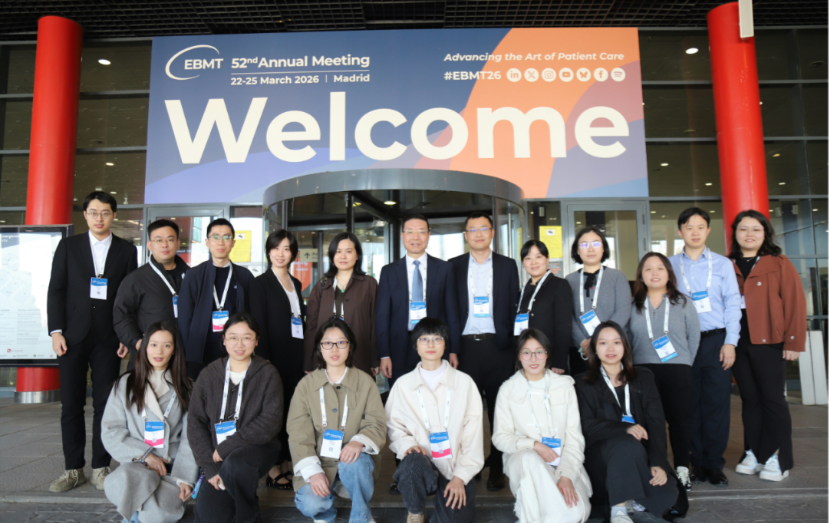
Expert Profile
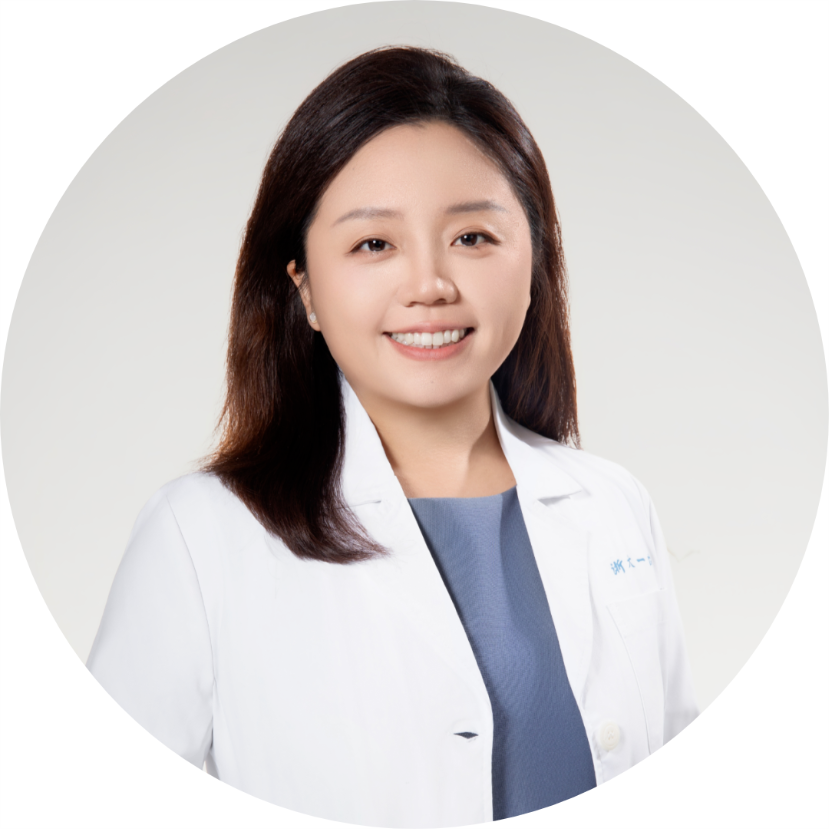
Jingjing Feng, MD, PhD Attending Physician, Clinical Postdoctoral Fellow
Bone Marrow Transplantation Center
The First Affiliated Hospital, Zhejiang University School of Medicine
Dr. Feng’s research focuses on the basic and clinical applications of cellular immunotherapy, particularly CAR-T therapy for autoimmune diseases. She has led a project funded by the National Natural Science Foundation of China and has published multiple SCI-indexed papers as first or co-first author in leading journals, including Nature Medicine, The Lancet Haematology, and Bone Marrow Transplantation.
She has also contributed to national expert consensus guidelines, including the Chinese Expert Consensus on the Prevention, Diagnosis, and Treatment of CAR-T–Related Infections (2022 Edition), and has participated in the authorship of academic books such as CAR-T Cell Immunotherapy and 100 Questions on CAR-T Cell Therapy.